

Made for Seeing
Photography has never been more accessible, in large part because of smartphones. For many people, they have become the tool used most often. The same accessibility that makes smartphone photography so powerful can also make it reflexive: a way to mark what happened, rather than to express how it was seen.
New York-based photographer and filmmaker Faizal Westcott travelled from New York City to Wetzlar, Germany, to explore how the iPhone becomes a more considered photographic tool with the Leica LUX App and Grip.
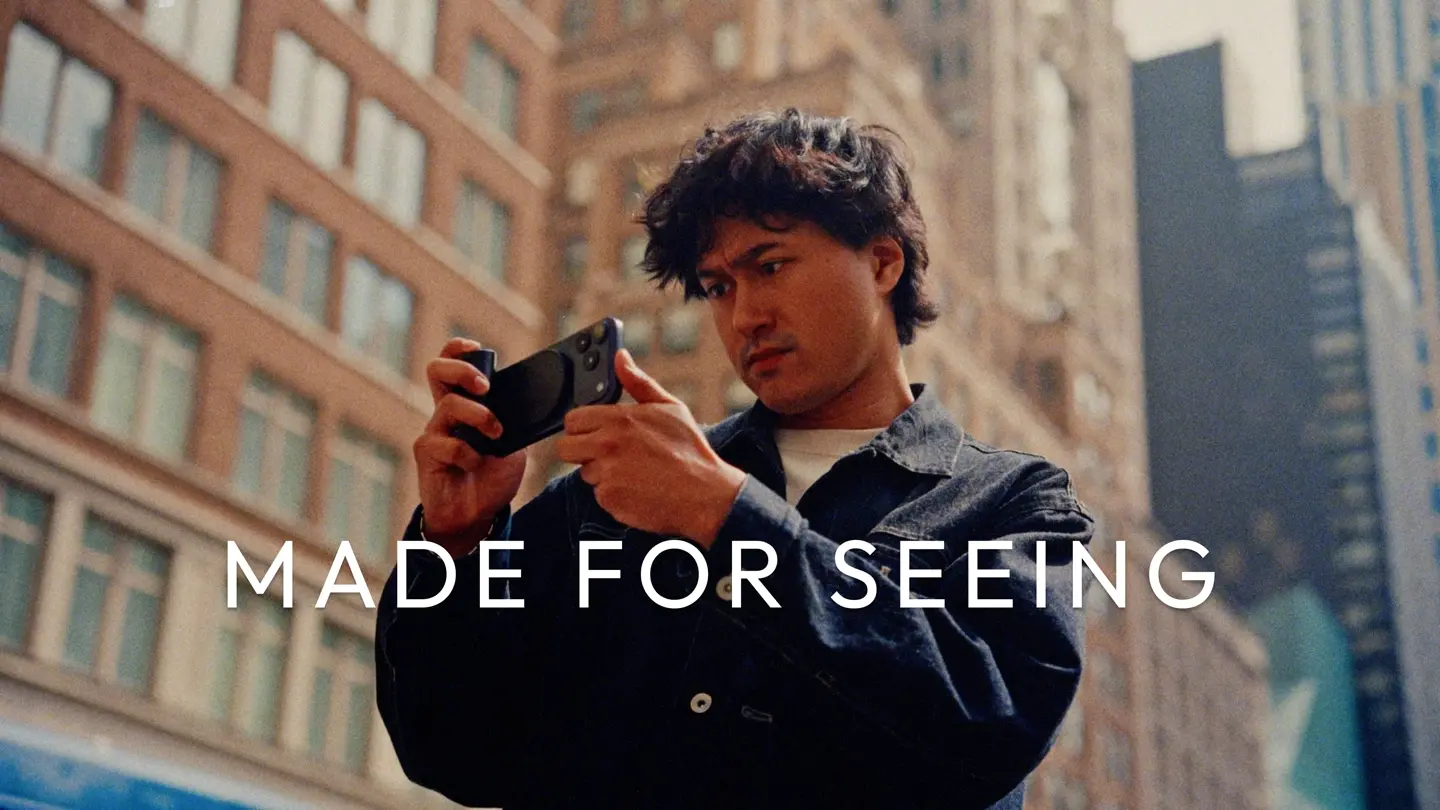
The Discipline of Framing
What better place to test this tension than New York City, where every street corner seems to offer another possible frame.
For Westcott, the density of the city is not always something to take in whole. He often works by narrowing his field of view with longer focal lengths, between 90mm and 135mm, to help him isolate smaller details. In Leica LUX, he uses the 4x and 8x zoom options in much the same way. “It lets me focus on smaller details and reduce the environment without flattening it,” he says. “That approach feels truer to how I actually see, which I’d describe as a more abstract-forward documentary style.”
Still, a strong detail is not always enough. Westcott often lets a scene pass when it feels one-dimensional. One interesting element, but with nothing else to hold onto, might not be strong enough to carry an image. The photographs that stay with him tend to have enough complexity to invite more than one reading.
His process is rarely about reacting as quickly as possible. Instead, he experiments with the visual elements in the frame and waits for the right moment to meet them.
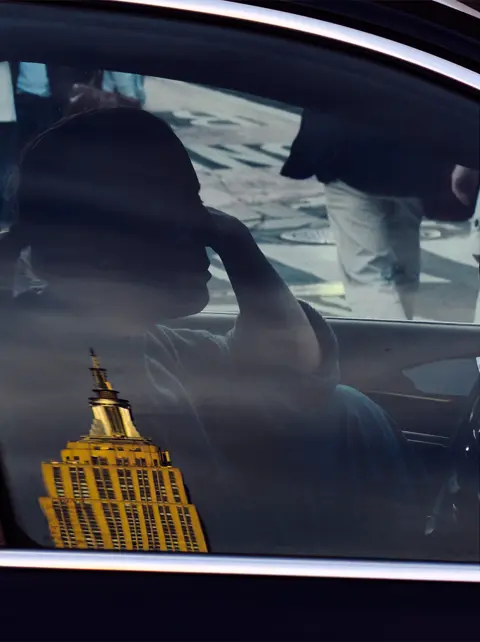
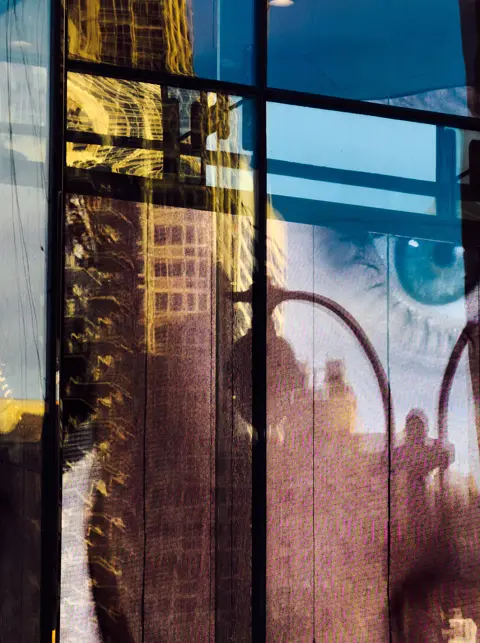
Those kinds of photographs don’t just pop out in front of you. You must be patient enough to let them happen.
Faizal Westcott


Portability and Presence
Wetzlar is quieter than its significance suggests. For a town so central to the history of Leica, it doesn’t announce itself as a photographic subject. There is less to react to and fewer obvious images competing for attention. For Westcott, that calmness called for another kind of photograph. “A simple scene can actually be the most honest portrayal of a place,” he says. In Wetzlar, simplicity became a way to describe the town on its own terms.
It was here, in 1914, that Oskar Barnack made the first photographs with the Ur-Leica: a compact, portable camera designed to move with the photographer. It brought photography closer to life as it unfolded, making the act of photographing more spontaneous.
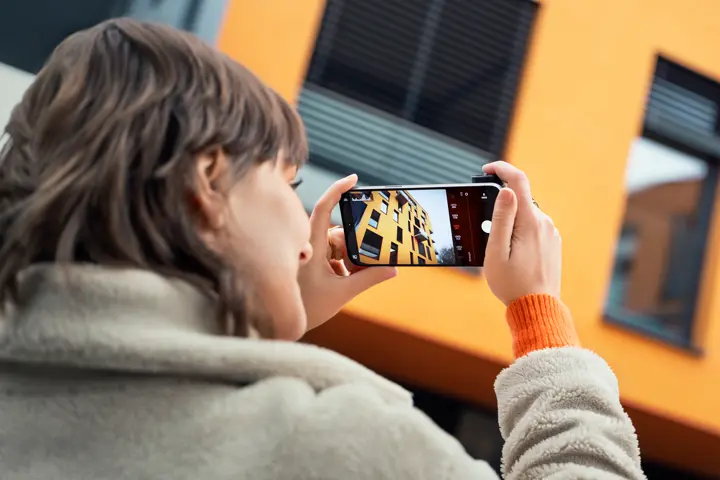
Now, Westcott photographed Wetzlar with a device that takes the idea of portability almost for granted. With the Leica LUX App and Grip, the everyday immediacy of the iPhone becomes more distinctly photographic, with Leica colour science, optical character, and tactile handling. The difference is physical as much as it is visual.
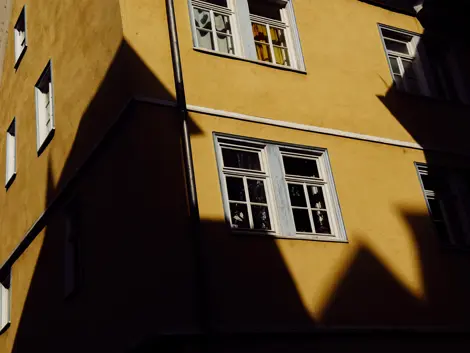
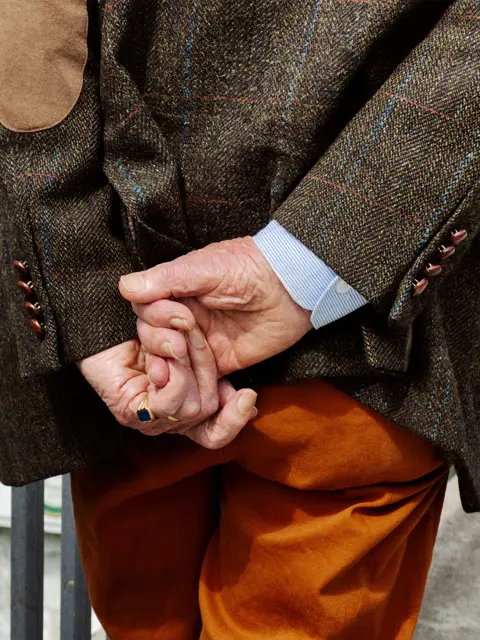
The ergonomics gave me that haptic feel of a more traditional camera, and somewhere along the way, the phone just began to disappear. I could focus on being present and noticing.
Faizal Westcott
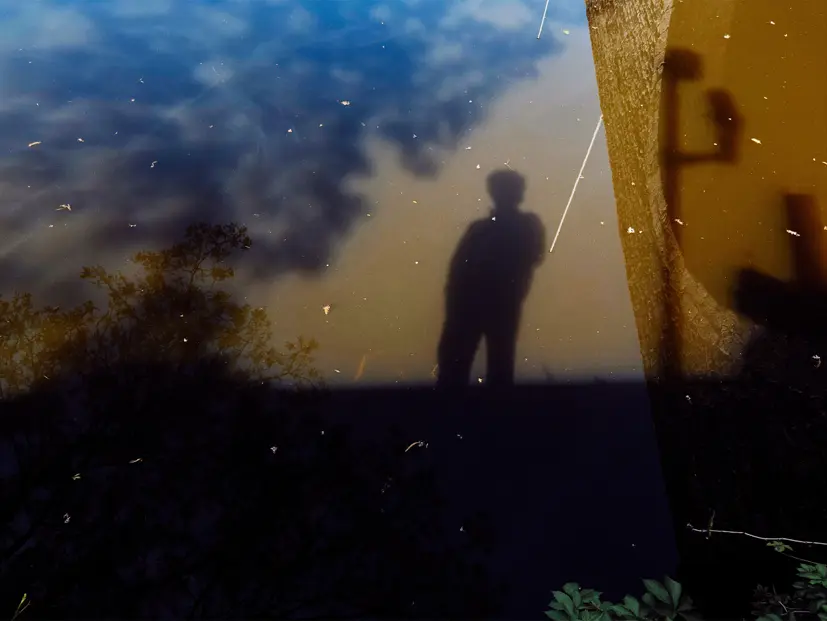
The Image as Authorship
For Westcott, these decisions all return to the same question: whether the image feels authentically his.
That sense of authorship is not achieved overnight. “Finding your voice in photography is a marathon, not a sprint,” he says. “It can take years of experimenting and working on your craft before you really figure out what you want to say.”
Early imitation was part of that process, but only to an extent. “At some point, I realised I was doing things because other people were doing them, not because they felt like me. I was losing my voice in the process.”
His voice is not a fixed style that he’s trying to protect; it's something that develops as his way of seeing changes.
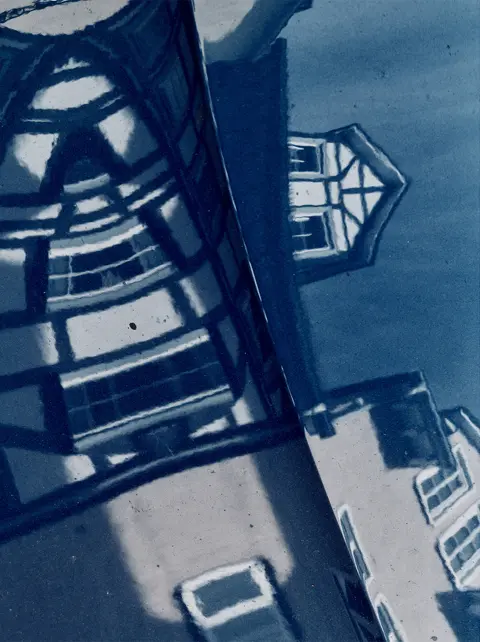
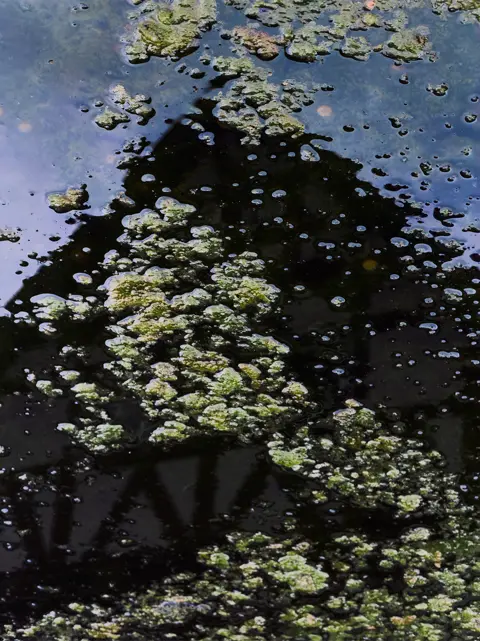
“The beautiful thing about photography is that it’s a representation of how you see the world. And how you see the world changes over time.”
Faizal Westcott
The App for the Iconic Leica Look
Leica LUX brings the Leica photographic experience to the iPhone. The App lets you capture with the optical character of classic Leica lenses alongside signature color and film profiles. Paired with the Grip, the iPhone gains balanced handling, making composition feel more tactile and controlled.
About Faizal Westcott
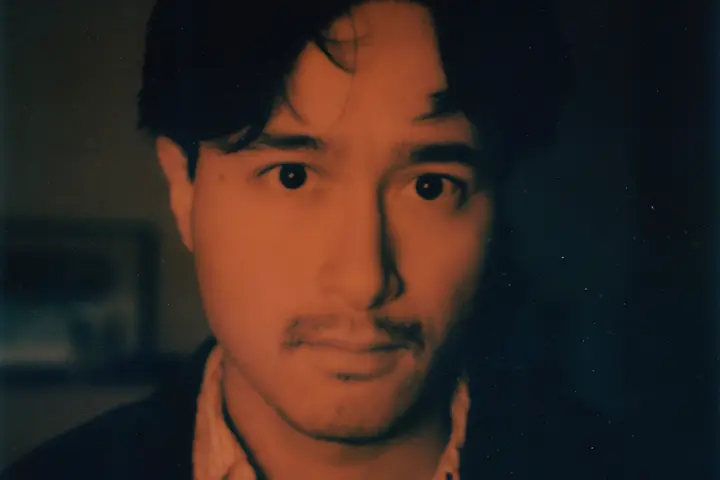
Faizal Westcott is an Indonesian-American photographer and filmmaker based in New York City. Known for his street photography that combines documentary instinct with an abstract eye, he shares his photographic process and travels with a growing audience on YouTube.