
In Conversation: Lena Mucha and Barbara Klemm
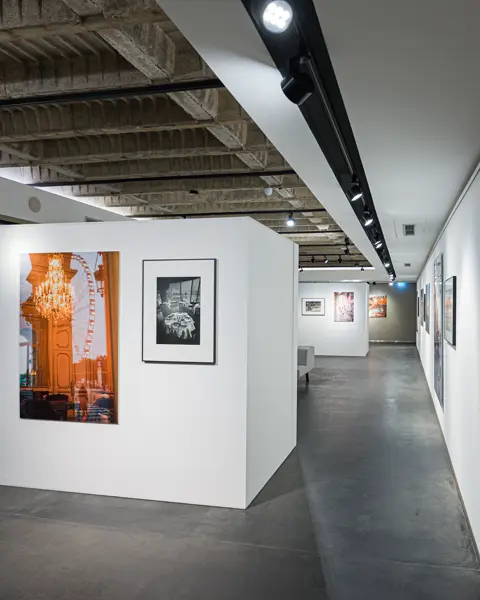
As the concluding exhibition in the series celebrating the 100th anniversary of the Leica I, the Leica Gallery Vienna is presenting photographs by Lena Mucha and Leica photographer Barbara Klemm.
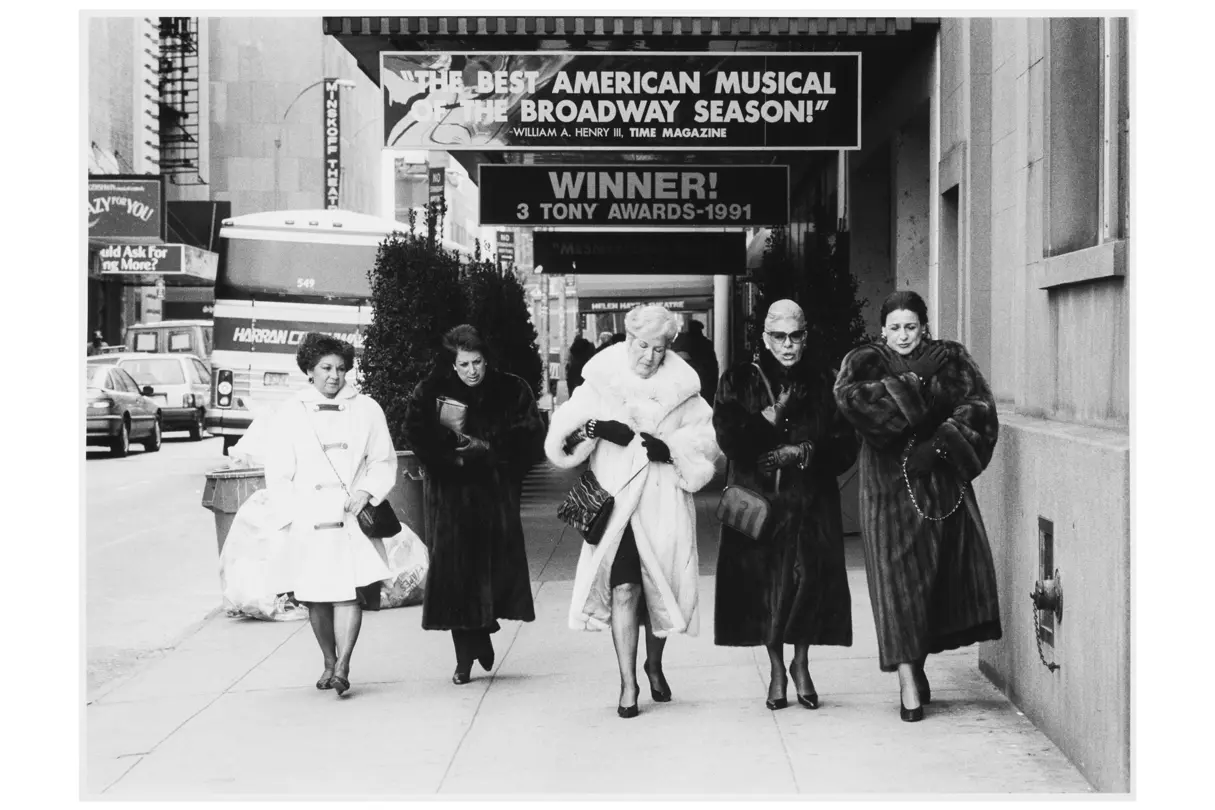
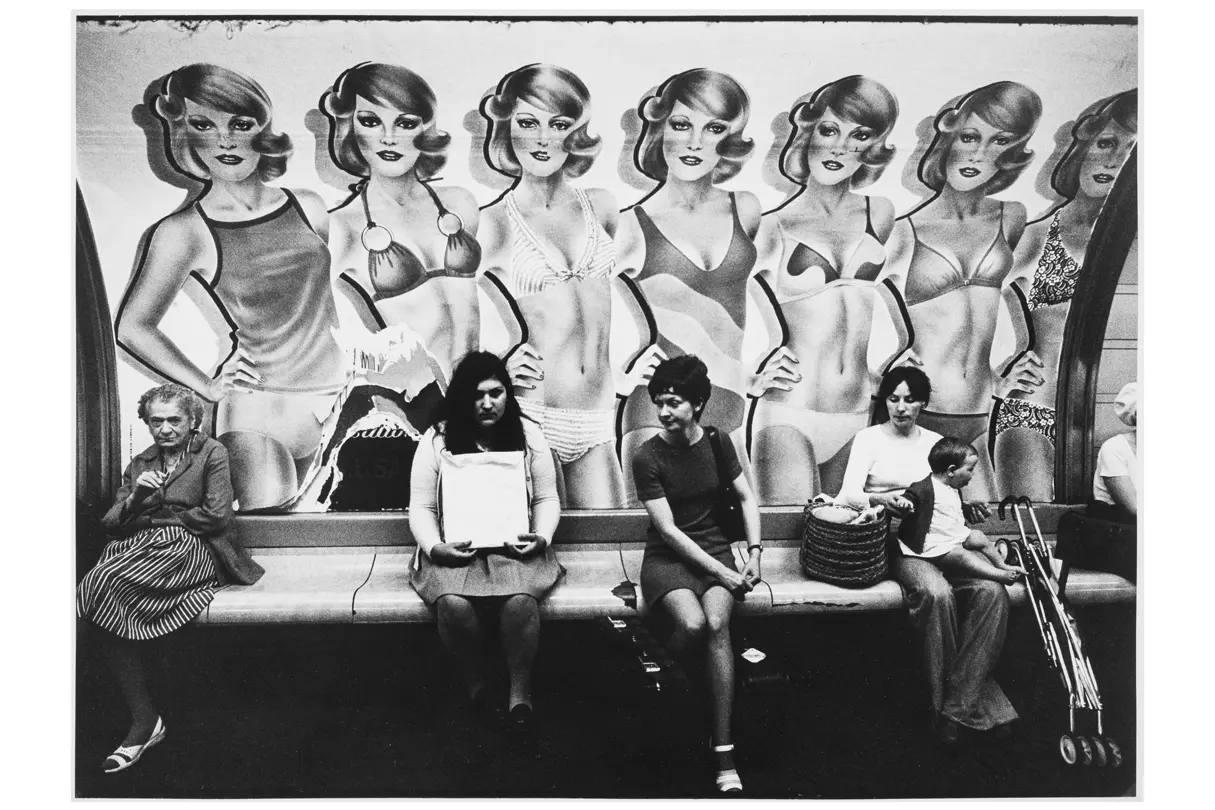
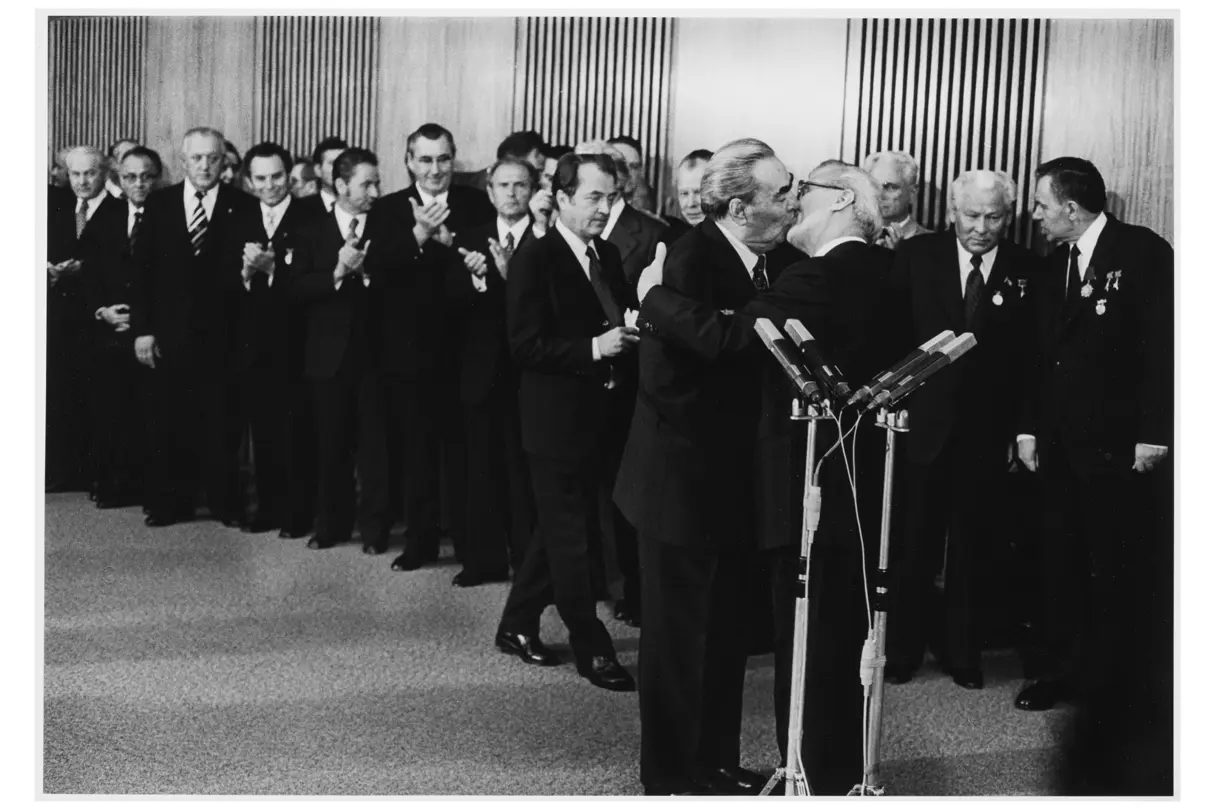
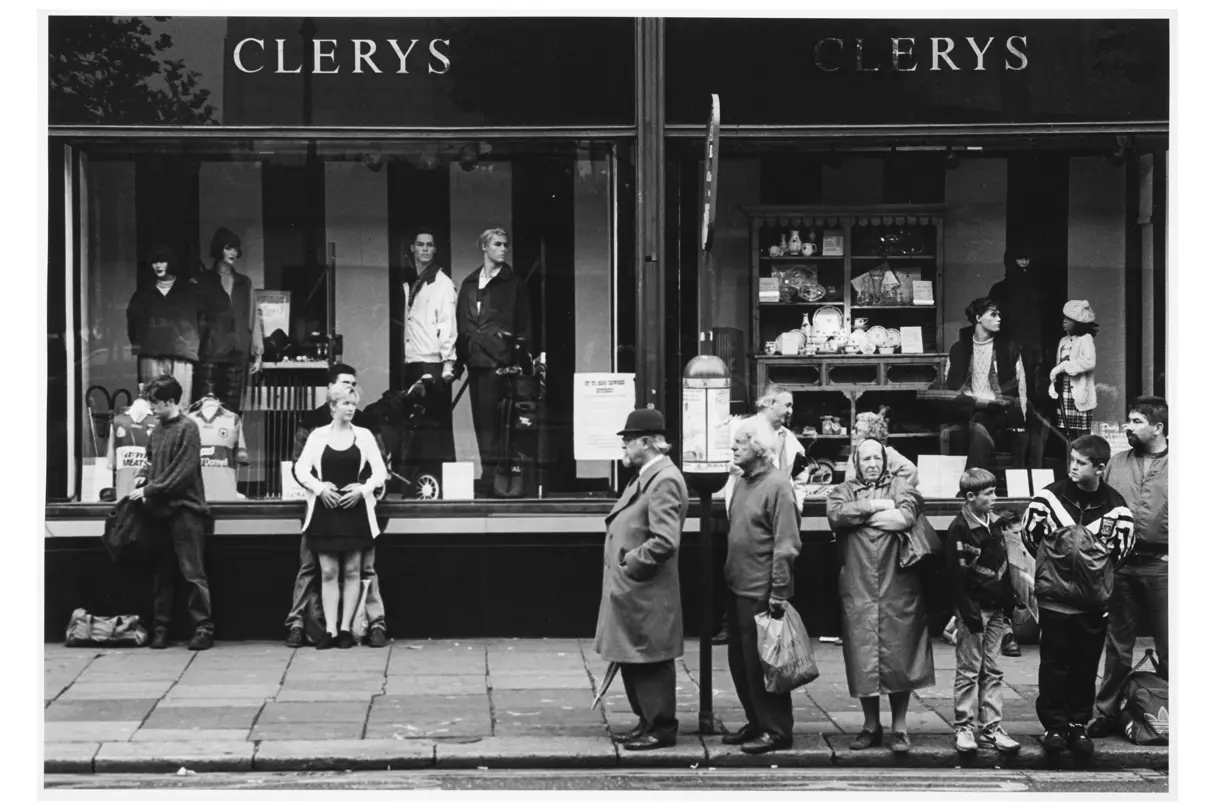
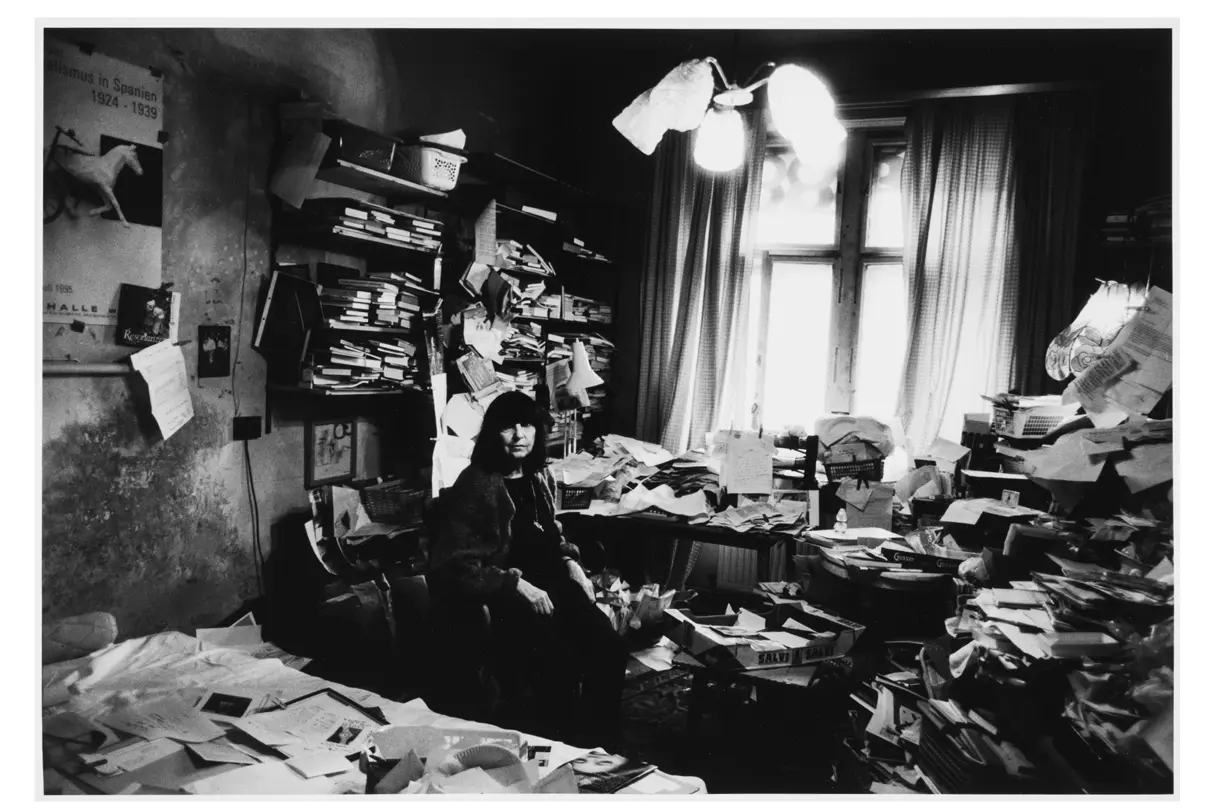
Widely regarded as one of the foremost chroniclers of German history, photojournalist and Leica Hall of Fame laureate Barbara Klemm has produced a body of work with enduring historical importance. For over six decades, she has documented the social and political zeitgeist both within Germany and internationally. She is regarded as a pioneer in her field and serves as a role model for many contemporary photographers. Photographer Lena Mucha especially values the respect Klemm shows when photographing her human subjects. Mucha’s work centres on portraying social change and amplifying the voices of minority groups, as seen in her photo series featuring young Yazidi women. Through this joint dialogue, the Leica Gallery Vienna is presenting the final instalment in a series of 12 exhibitions marking the anniversary at the Leica Galleries.

Leica: 100 years of Leica photography – what are your thoughts on this?
Lena Mucha: Over the past century of Leica photography, singular historical moments have been immortalised – including Alberto Korda’s iconic portraits of Che Guevara and Nick Út’s harrowing image of the napalm attack in Vietnam. These and other photographers form part of the Leica community, which has played a significant role in shaping the history of photography. What’s more, 100 years of Leica also reflects the swift evolution of photographic technology, from analogue film to digital imaging. Despite the transformations that have taken place over the past century, the power of images endures – even in today’s rapidly changing world.
How has the work of LHOF winners influenced your work?
I was especially struck by the intimacy and human connection in Barbara Klemm’s photographs. Her creations convey compelling narratives that spark curiosity about their context and what unfolds beyond the frame. Her respectful portrayal of individuals and sensitive perspective on events are deeply inspiring, offering a sense of what truly matters and inviting thoughtful reflection. Barbara Klemm forged a very successful career as a photojournalist in the 1960s and 1970s – a time when the profession was male-dominated. Her status as a role model for women – using her voice and perspective to raise awareness within patriarchal structures – also influenced my choice of theme for the project.
© Barbara Klemm


© Lena Mucha
What is the subject matter/theme of your photographs that are being displayed in the exhibition?
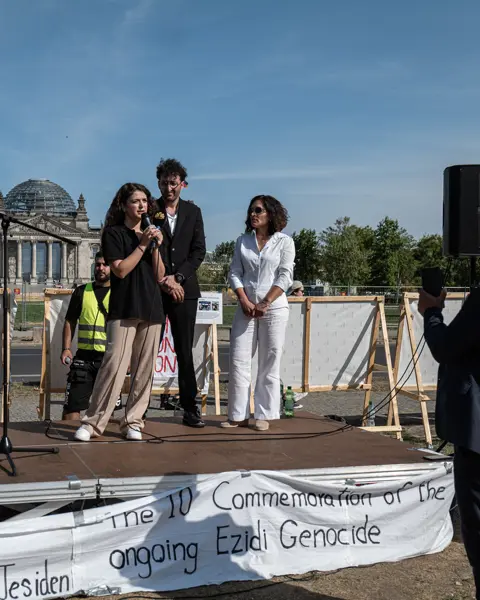
My work focuses on young Yazidi women residing in Germany. They are activists who use their voices to raise awareness of Yazidi culture, the genocide, and the current situation of the Yazidi people. They themselves fled northern Iraq as young girls and have been living in Germany ever since.
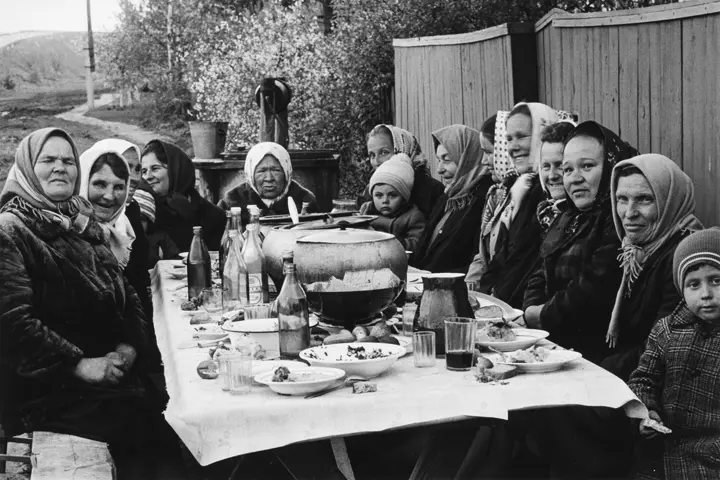
© Barbara Klemm
What are the similarities or differences that become visible in this dialogue?
Both Barbara and the young Yazidi women I portray are pioneers: Klemm in her role as a photojournalist during the 1960s and the Yazidi women, survivors of genocide, who now live as a minority in the German diaspora. Barbara Klemm captured the spirit of the times – particularly in public life – by documenting significant historical events and offering glimpses into society through snapshots. In my work, I immerse myself in the stories of my protagonists, forming a close connection with them throughout the process. There are also differences in our approaches: Barbara Klemm works with individual images, whereas my project is structured as a series. In addition, Klemm photographed in black and white, and I work in color.
Where do you get your inspiration?
I am drawn to subjects that resonate deeply with people’s lives and experiences. These are topics that appeal to me both emotionally and visually; I like how they challenge me. I focus on social, political, and societal changes and challenges, as well as people who are often underrepresented in the media. I also enjoy visiting exhibitions and photo festivals, from which I draw inspiration. I had been considering carrying out a project with Yazidi women for quite some time. My dialogue with Barbara Klemm inspired me to bring this series to life and to engage with this lived reality.
Which camera did you use and why?
I captured the photographs using the SL3. It enables me to work swiftly and with precision, allowing me to get close to my subjects.
How do you think photography has changed in recent decades?
Technological advances have accelerated the pace of photography. New image processing methods and artificial intelligence (AI) are increasingly blurring the boundary between reality and fiction. Although photography has become more democratic, with people having increasing access to cameras and smartphones, this has also diminished the value placed on individual images. The mass production and rapid dissemination of images via the internet and social media exerts a powerful influence on public opinion. This can, in turn, be misused for propaganda purposes.
How would you assess the current situation for photographers?
Securing funding for visual projects remains one of the most significant challenges. Clients, including media companies, NGOs, and businesses, are cutting back on their production budgets. Long-term documentary projects are rarely feasible without financial support. Editorial commissions are increasingly scarce; technological change and the rise of AI are enabling faster, more cost-effective photo production that often suffices for many clients.
© Lena Mucha

What opportunities and challenges do you see for the future of photography?
A photo can connect people, convey emotions, and enable communication. Good documentary photography demands time, patience, and a deep sense of empathy. Maintaining and funding this in today’s fast-paced world will pose a major challenge. However, I remain convinced that the value of credible documentary photography is on the rise.
What role do galleries play in the age of digital media, and specifically for your work?
For me, galleries are places where photography and art can be experienced with intent – where the power of visual representation is given room to unfold. They also serve as vital spaces for exchange and dialogue.
-
© Barbara Klemm
-
© Barbara Klemm
-
© Barbara Klemm
-
© Barbara Klemm
-
© Barbara Klemm


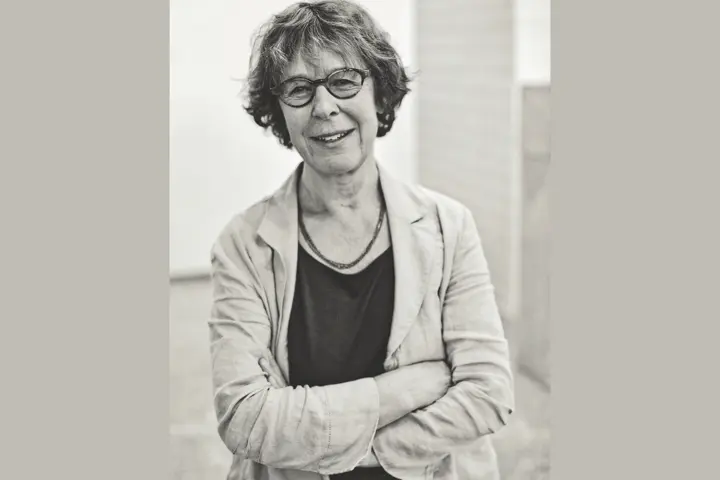
© Gustav Eckart
Barbara Klemm
Barbara Klemm was born in Münster, Germany, in 1939 to a family of artists, with her father, Fritz Klemm, working as a professor at the Karlsruhe Academy of Fine Arts. It was through him that she first encountered photography. In 1958, she started an apprenticeship as a photographer at a portrait studio in Karlsruhe and, from 1959, worked in the photo laboratory for the FAZ newspaper. Her first works as a freelancer were also published there. This was followed by a permanent position as editorial photographer for the politics and arts sections from 1970 to 2005. She has won several awards, including the Leica Hall of Fame Award in 2012. Barbara Klemm lives in Frankfurt am Main.
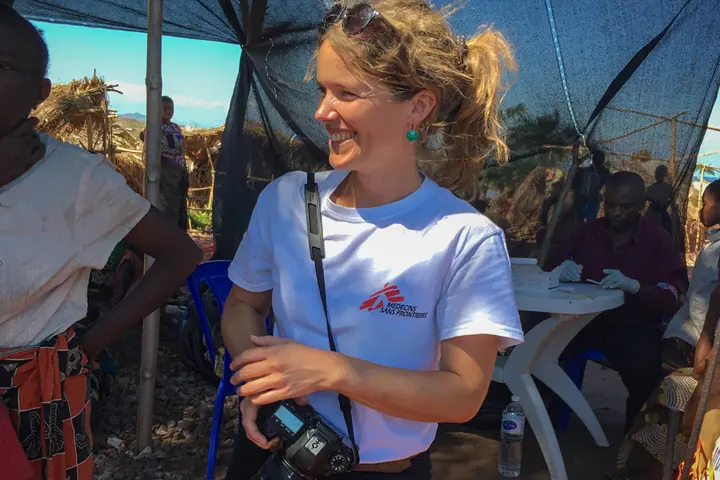
Lena Mucha
Lena Mucha – born in 1983 – is a German photographer. In 2011, she completed her master’s degree in political science and social anthropology in Cologne. Her work centres on socially relevant issues, such as human rights, equality, and migration. She spent several years living in Colombia and Guatemala, working for NGOs. Her photo reports earned her the “Reporters in the Field” scholarship, along with several other accolades. In 2016, she received a scholarship to attend Magnum workshops with Patrick Zachmann and David Alan Harvey. She lives and works between Berlin and Munich.