
The Leica Gallery Wetzlar is presenting two new exhibitions, including compelling portraits of legendary photographers by American photographer Arnold Crane and an engaging photo reportages by human rights expert Dietmar Roller

@Dietmar Roller
Dietmar Roller: Out of the shadows
As a photographer and human rights expert, Dietmar Roller (born in 1956) has spent over two decades using his camera and his work to reveal the hidden realities of a globalised world and to shed light on the deeply moving lives of individuals who, even under extreme conditions, fight for their freedom and dignity. Whether his work centres on the Congo, Ghana, Ethiopia or Bangladesh and South Asia, Dietmar Roller is familiar with the sites of exploitation, poverty and modern slavery – and places the focus firmly on the individuals and their stories as they strive to survive in the shadow of global injustice. “I don’t take pictures to show misery, but to make the truth more visible”, explains Roller, who regards his Leica not merely as a tool, but “as a resonating body”. “The camera captures what I encounter: misery and joy, exploitation and hope, fear and longing.” The exhibition at the Leica Gallery Wetzlar powerfully illustrates how exploitation and dependency are intricately connected to our own reality.
-
@Dietmar Roller

-
@Dietmar Roller

-
@Dietmar Roller

-
@Dietmar Roller



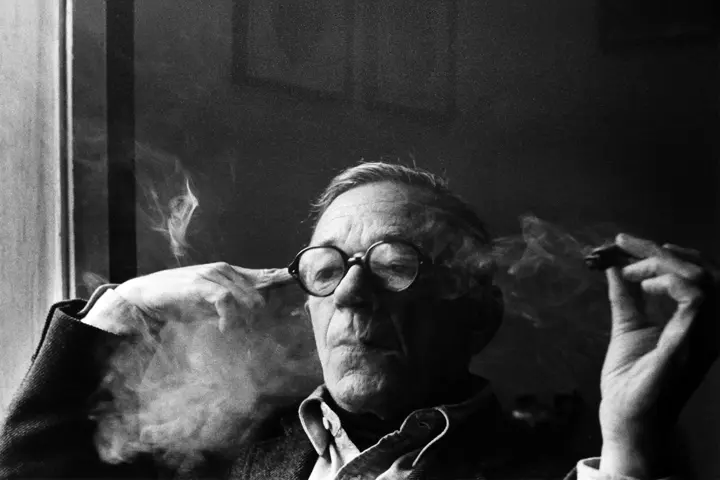
@Arnold Crane
Giants: Arnold Crane’s Photographer Portraits
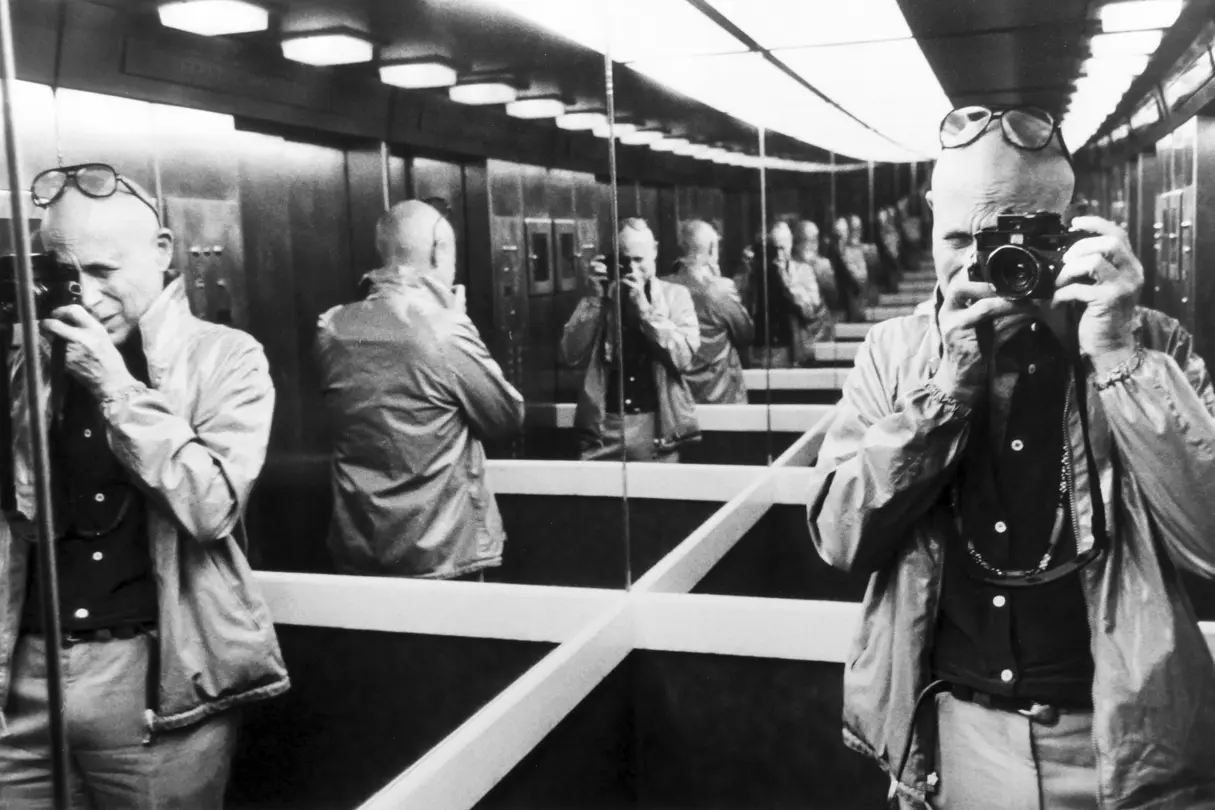
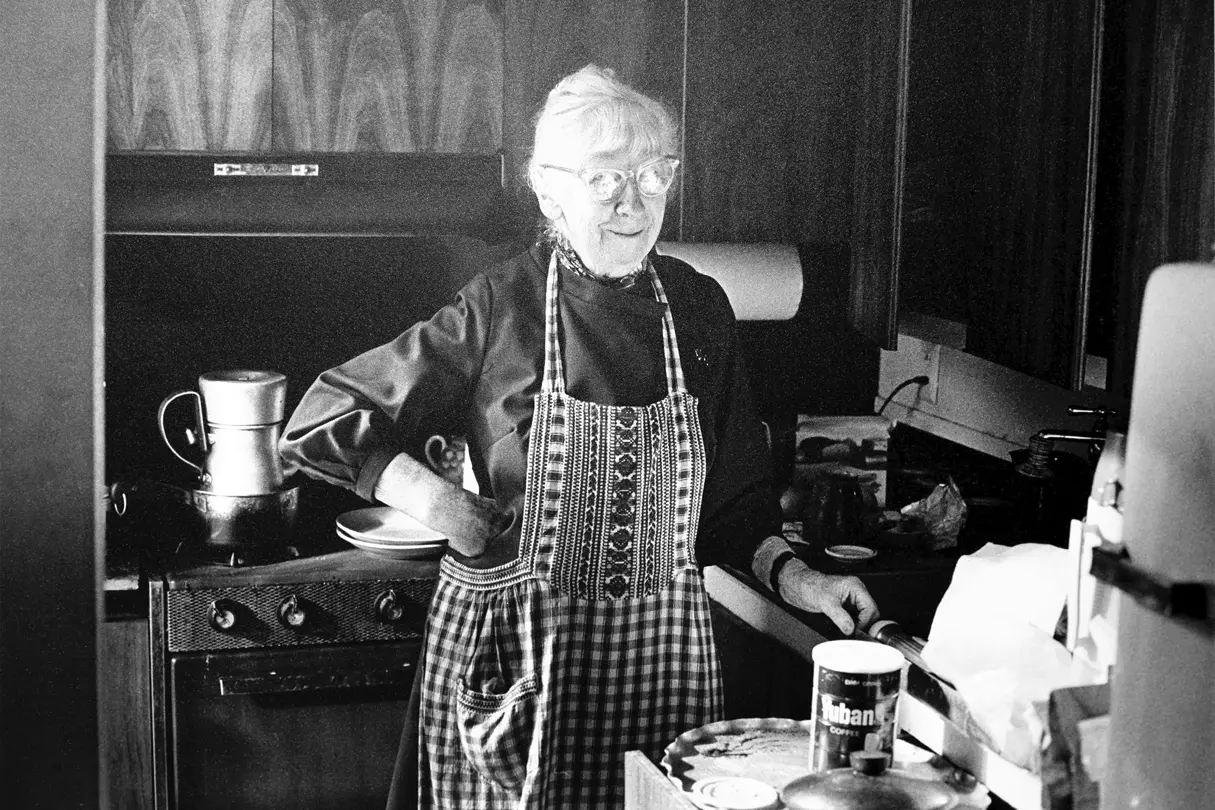
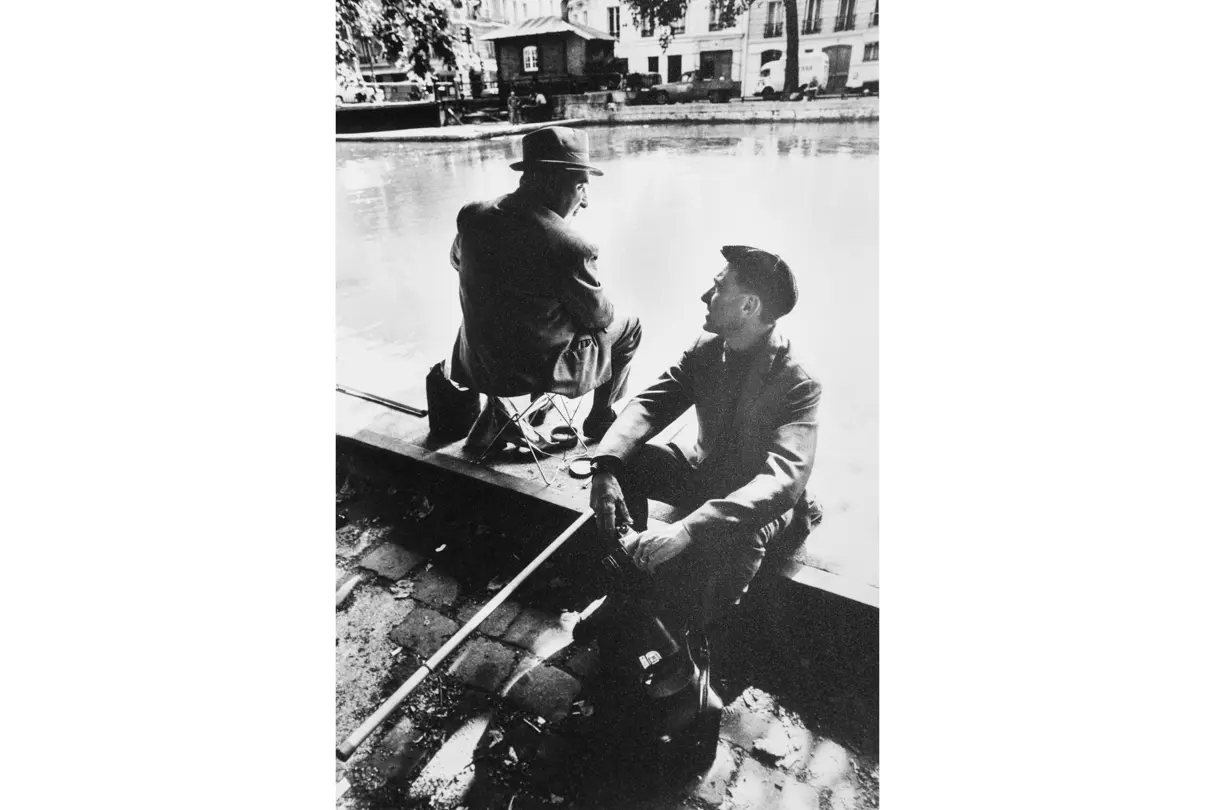
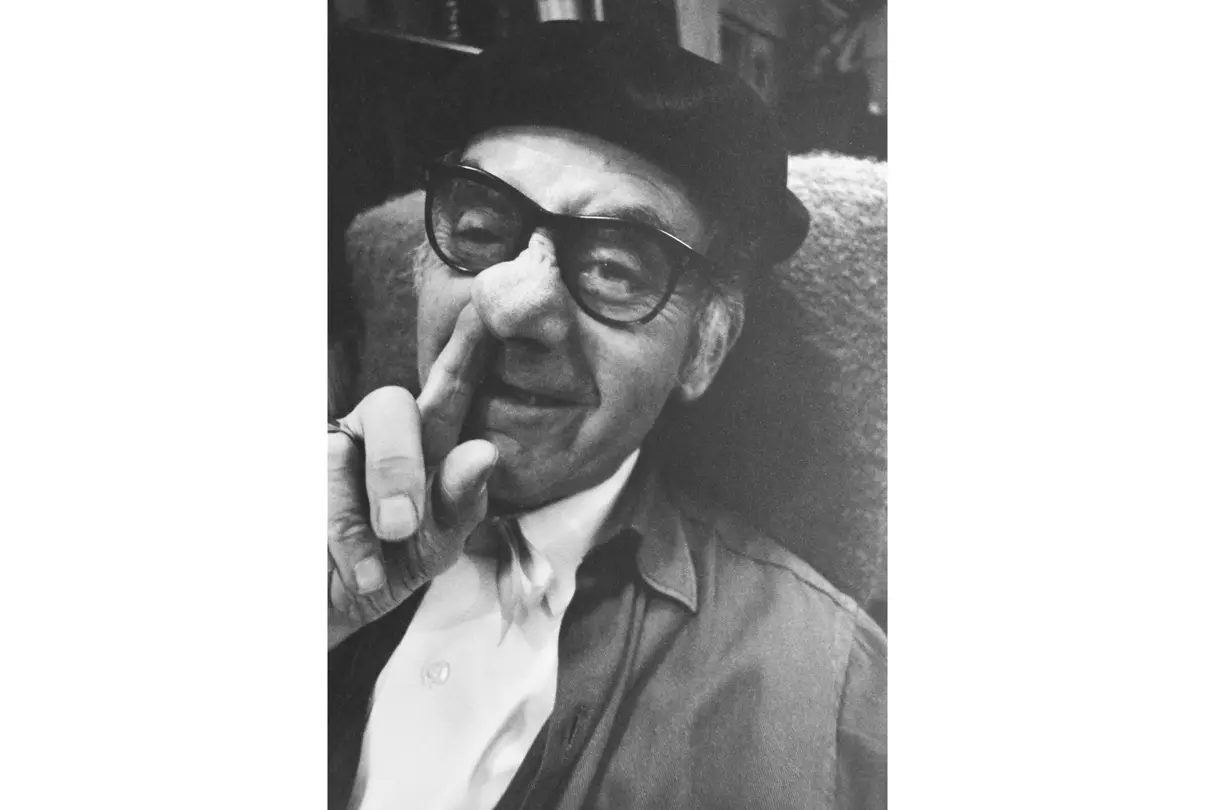
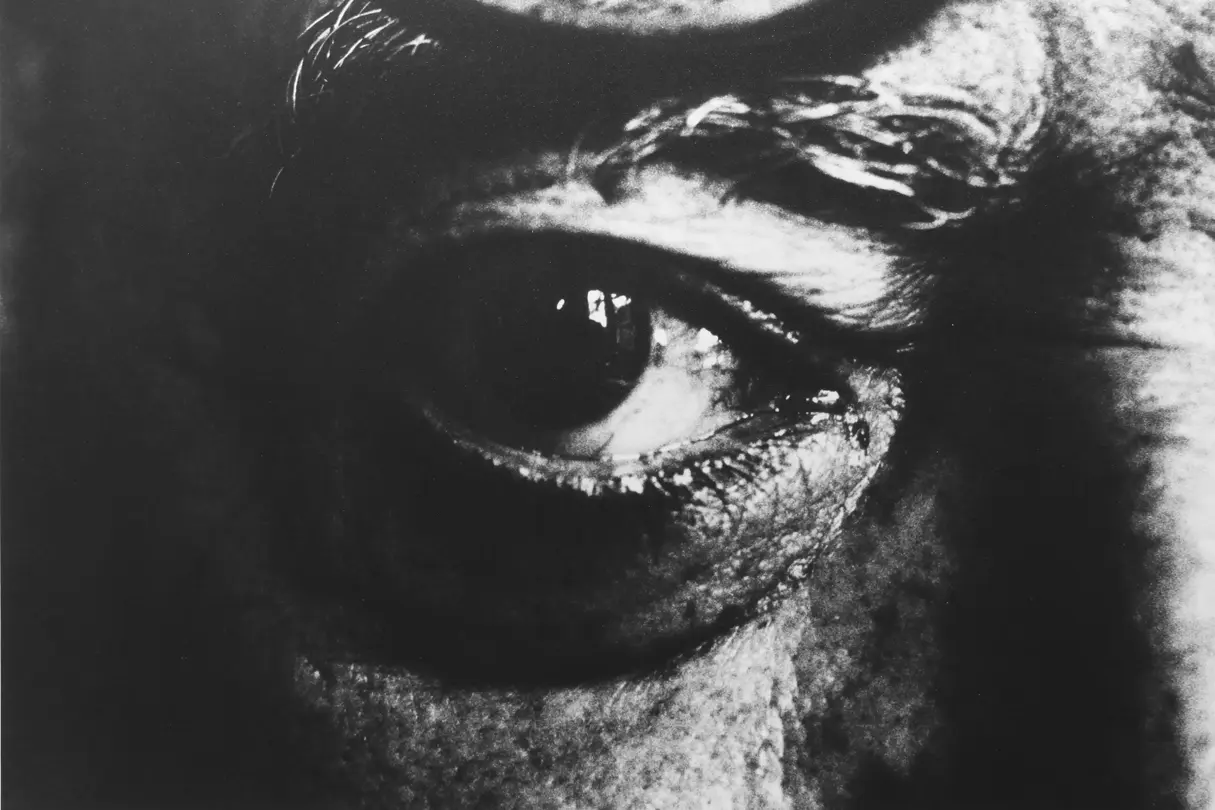
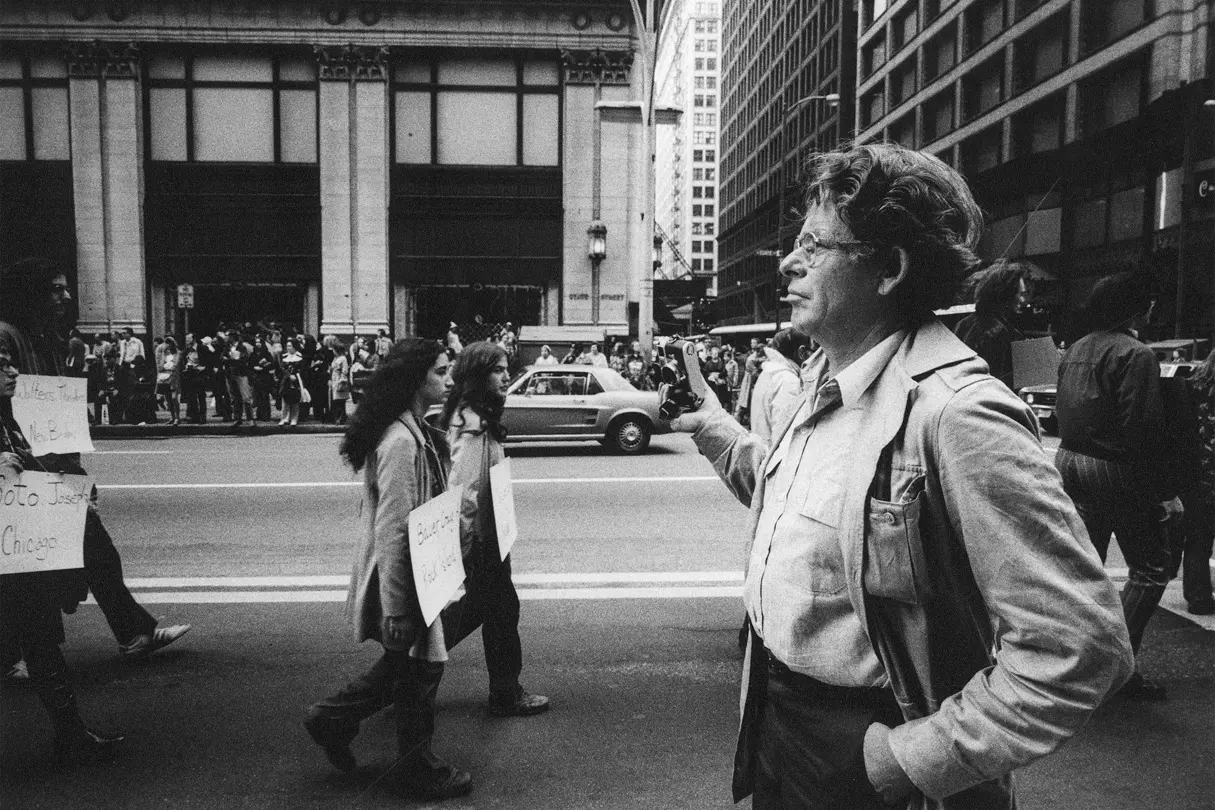
Ansel Adams, Brassaï, André Kertész, Man Ray and Berenice Abbott – he met them all! The greats, the famous artists, the iconic role models of 20th century photography. The American photographer Arnold Crane (1932–2014) repeatedly succeeded in portraying them through direct, intimate, subtle and captivating portraits. In this way, Crane himself became an esteemed and celebrated photographer. He pursued his portrait series over several decades, enjoying personal access to the “giants of photography”, as he once described the colleagues he portrayed. Over a span of three decades, Crane made repeated visits to their homes and studios, capturing the atmosphere and everyday life of the people he portrayed – always in black and white and never using a flash. During his encounters, trust developed through long conversations, to the point where Crane’s camera – typically a Leica M – went entirely unnoticed. Crane not only created portraits but also captured the full magic of the photographic moment in his images. The result is a veritable who’s who of 20th-century photography. The exhibition at the Leica Gallery in Wetzlar allows us to reacquaint ourselves with over 20 photographers, only one of whom – Lee Friedlander – is still alive today, yet whose images and reportages have immortalised all those portrayed.
-
@Arnold Crane
-
@Arnold Crane
-
@Arnold Crane
-
@Arnold Crane
-
@Arnold Crane
-
@Arnold Crane


Discover the Ernst Leitz Museum Wetzlar in a 3D simulation
Leica Gallery Wetzlar
Leica Camera AG Am Leitz-Park 5
35578 Wetzlar
Germany