La Désalpe
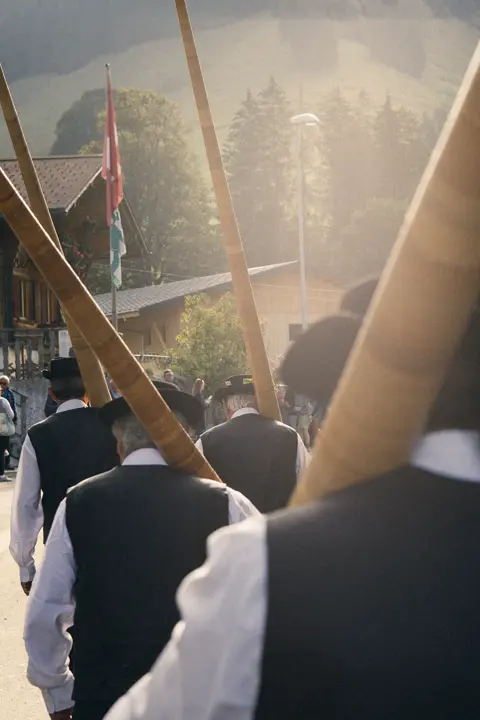
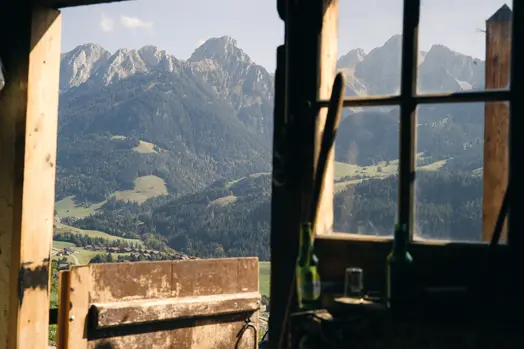
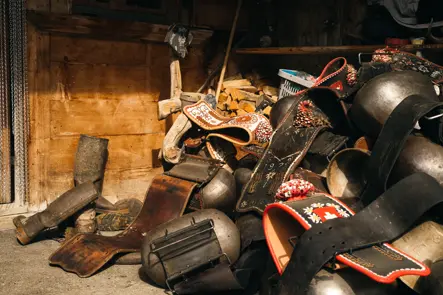
The Alpine cattle drive is a long-standing tradition in Switzerland: at the end of the summer, the animals are herded down into the valleys. Photographer Jordi Ruiz Cirera documented the event, revealing at the same time the sense of connection to the country and to the community.
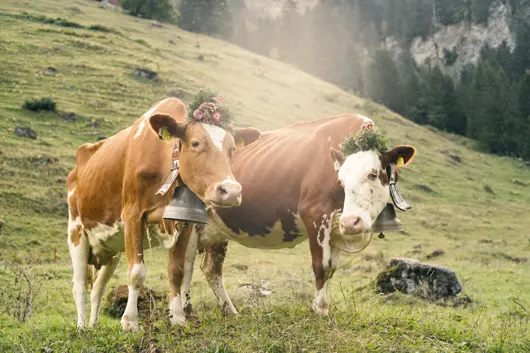
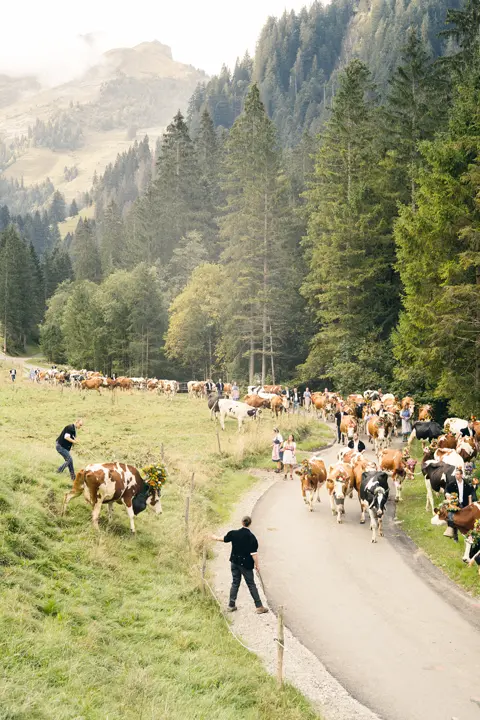
The photographer likes to work on long-term projects, ensuring that he has time to build up relationships with his protagonists. The Tille family in Switzerland allowed him to visit them and take pictures during the preparations and on the day of the Alpine cattle drive. The outcome is a series that not only speaks about tradition, but about the community in a rural region.
The Interview with Jordi Ruiz Cirera
What makes life in the Alps special?
Jordi Ruiz Cirera: I don’t know if life in the Alps is necessarily that different from other mountain areas where people live off the land and animals. It can be a pretty hard life in which the schedule is set by the animals and the seasons. Few holidays and, according to the people I spoke with, important financial challenges due to a number of factors. But there is also something quite special about the relationship people have with the land and this way of living. Of course the landscapes are beautiful but what interested me the most was seeing how connected people’s daily lives are to their surroundings, their work and to one another.
What does a cattle drive down from the Alps look like?
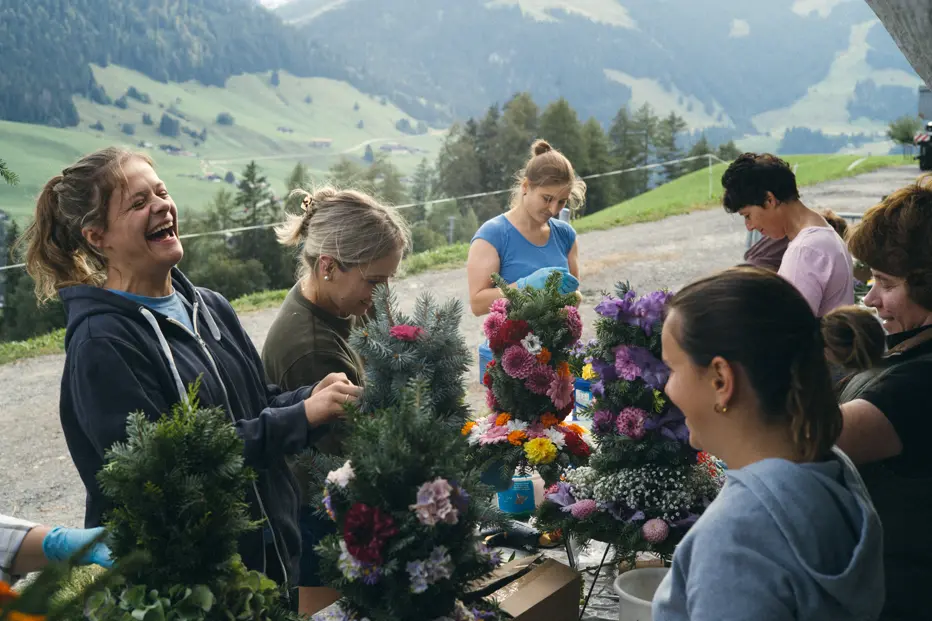
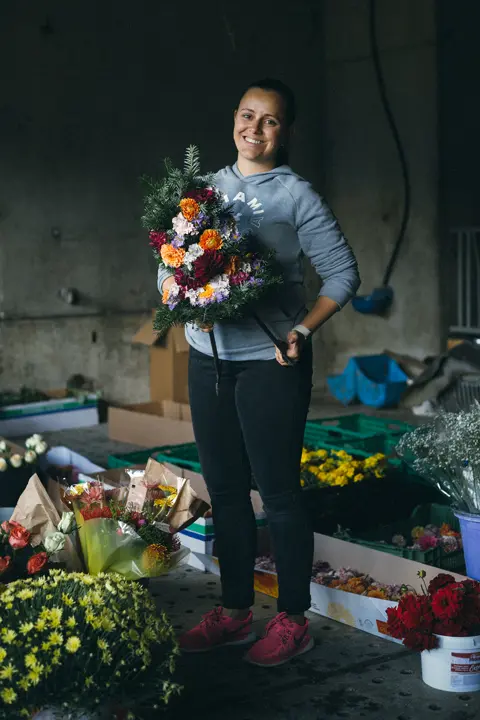
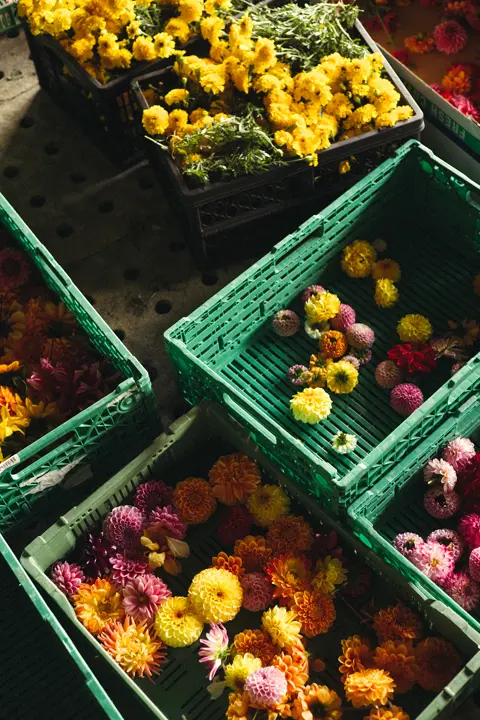
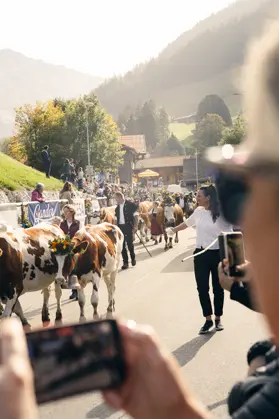
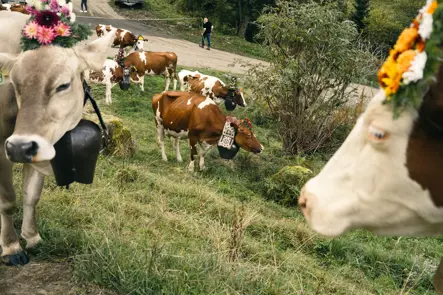
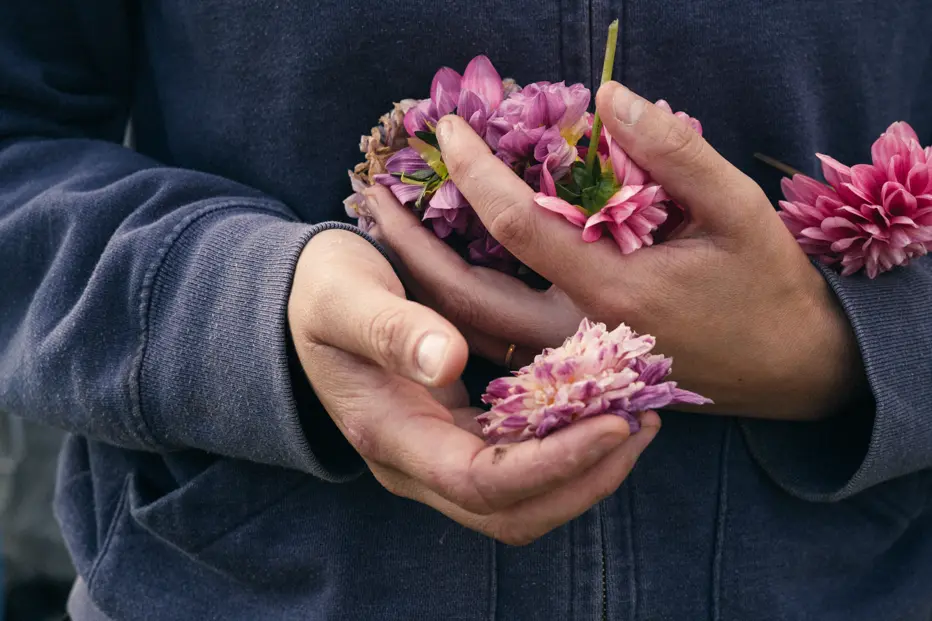
I guess it all started as a simple pasturing process: take the cows that have been pasturing in the mountains back to the valleys for the winter, which then evolved into a tradition in which the community is involved. People join forces to decorate cows with flowers, they wear their traditional outfits and have a big communal lunch a the end, in which they celebrate the hard work done together. So although there is a very practical reason behind it – a process that needs to be done and that probably needs the help of more hands than the farming family has – it has evolved into a moment of community and celebration.
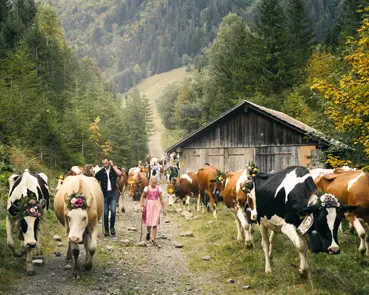
What exactly did you want to convey with your photos?
I like to see this project as a testimony to the community that is built around a particular tradition. Everyone came together to help in one way or another, from creating the flower ornaments to cleaning the cows before heading down the valley, to preparing food for the participants or help grazing the cows down the valley. Often it was family members who didn’t necessarily live in that town, or had totally different jobs, but came to help. I particularly liked the multi-generational aspect of this tradition, where everyone has a particular role and feels they are part of something bigger. For me that sense of belonging and the collective participation was very interesting to photograph.
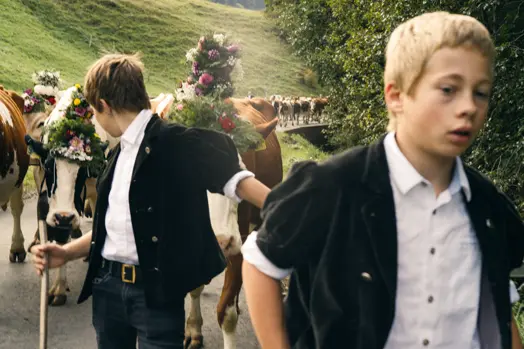
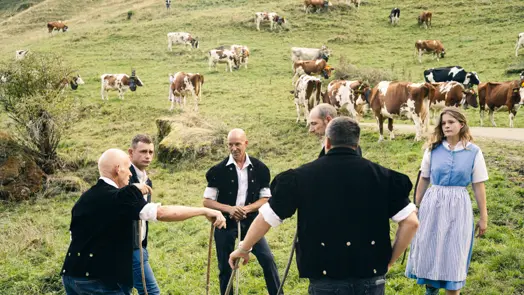
What was your approach to the photography – and what was new about it?
On this project I took a very classic reportage approach, much like I did at the beginning of my career. In that way, it felt like going a little bit back in time with my visual approach. When I did this project I didn’t speak very good French so it was pretty hard to chat with the people I was photographing. It reminded me of earlier projects I’ve done, such as Los Menonos, or assignments in which I worked in countries where I don’t speak the language. In the end we always find ways to communicate, but it was an interesting experience getting back to an embedded and observant approach. I also had the possibility of spending time with the people I was photographing, without being constrained by a specific brief or schedule, a freedom that allowed me to simply observe and get a bit carried away by what was happening around me.
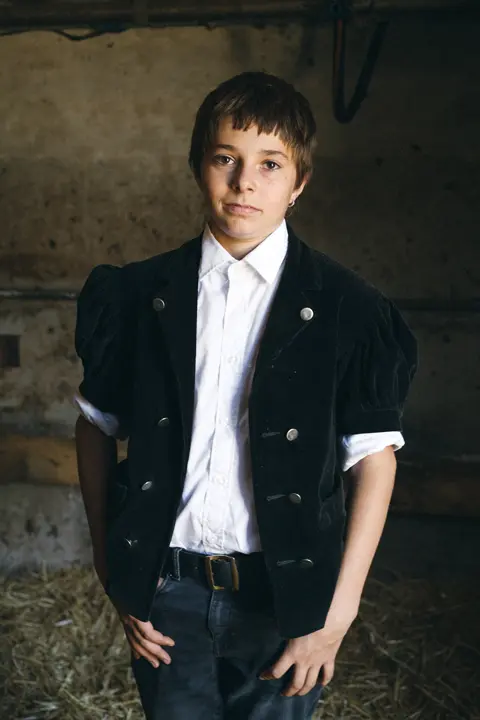
What was it like working with the camera?
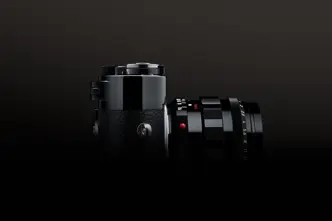
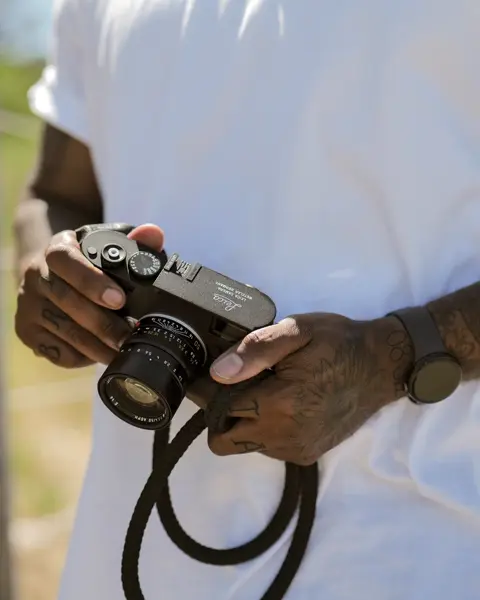
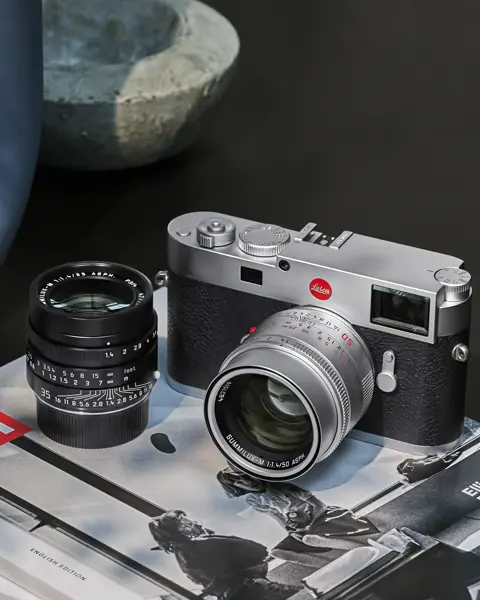
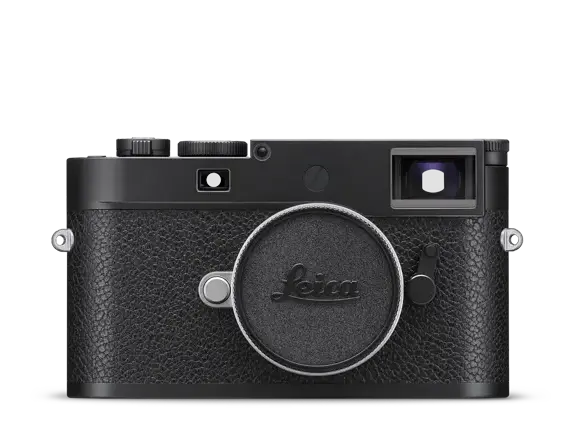
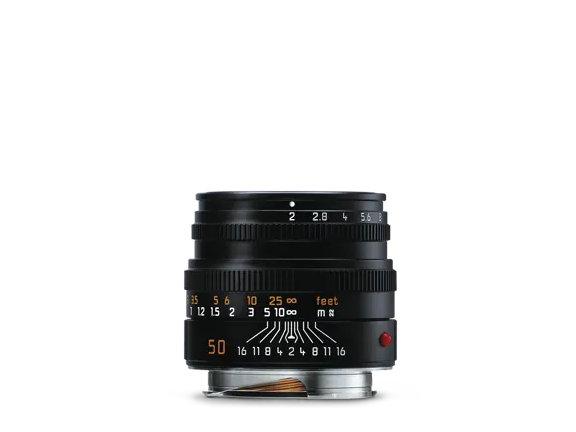
I was working with a Leica M11P for the first time and it was quite a different experience from other digital bodies I use. I really enjoyed working with it because it forced me to massively slow down my process, and allowed me to focus more on simply being there. It felt a bit like working with a film camera, which I absolutely love but unfortunately haven’t been able to do much lately. I think this slower process really suited this project, in which I had to gain access to different people and situations; so working slowly and with very small gear really helped me.
Equipment: Leica M11p with Summicron 50mm


In 2023, you were a finalist for the Leica Oskar Barnack Award with your series On This Side There Are Dreams, Too, which you created in Mexico. What has changed for you as a photographer since then?
Being a finalist for that award felt like a big recognition for the work I had been doing in the Mexico – US border. It was also fantastic to meet the other photographers, judges and the Leica community. A lot has changed since then, as I have now settled in Switzerland and my work has gradually moved into new areas and subjects in Europe, whereas I used to work a lot in Latin America back when I lived in Mexico. In that sense this project on La Désalpe is part of this transition. it’s a much quieter story than the work that became a finalist for the LOBA, but still connects with much of what really interests me in photography: communities, the relationship of people to the land and the small details that make a place unique.
What does the tradition of the Alpine cattle drive reveal about Switzerland as a country?
I think Switzerland, like many countries, is much more diverse than the image we have of it. While it’s of course well known for it’s financial institutions and international cities, there are still a lot of people who live off the land, who work it with care and dedication, and who are strongly connected to their communities. I find this contrast beautiful and interesting, and something I have always been attracted to in my works; looking beyond the obvious image of a place and trying to understand the different realities that coexist.
About Jordi Ruiz Cirera
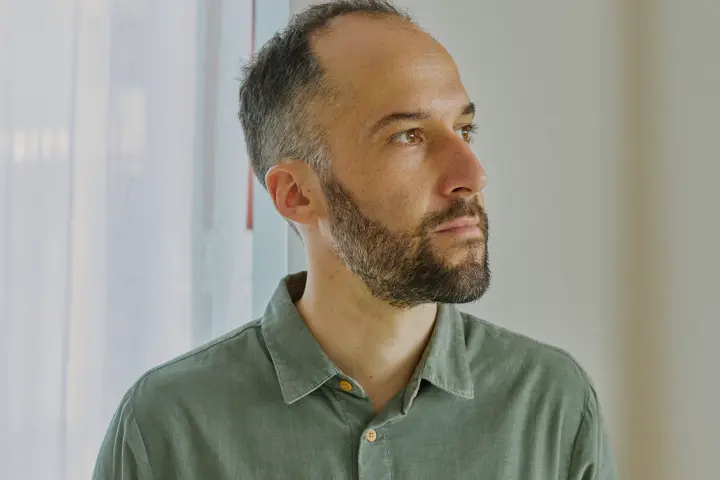
The photographer and film maker is from Barcelona and currently lives in Geneva. For the past 15 years, he has been working internationally in the areas of documentation, editorials and commercials. His personal work is dedicated to issues such as identity, migration and the environment. He is a fellow of the Magnum Foundation’s Emergency Fund and winner of international awards, such as the Taylor Wessing Photographic Portrait Prize, the POYi, the Lucie Award and the Prix Focale. He works for international media outlets such as Le Monde M Magazine, Der Spiegel, The Telegraph Magazine and The New York Times.
© Jordi Ruiz Cirera. All rights reserved.