
Phil Penman – the New Noctilux-M 35
“It’s magical.”
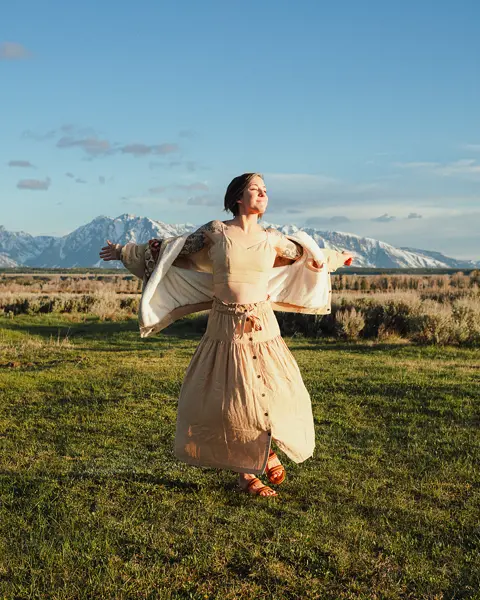
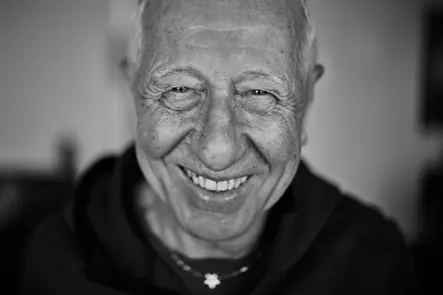
The f/1.2 aperture creates vivid contrasts between sharpness and blur. The bokeh is soft and deep with a painterly quality. “You can concentrate on a single detail – everything else fades into the background.”
The World of Phil Penman
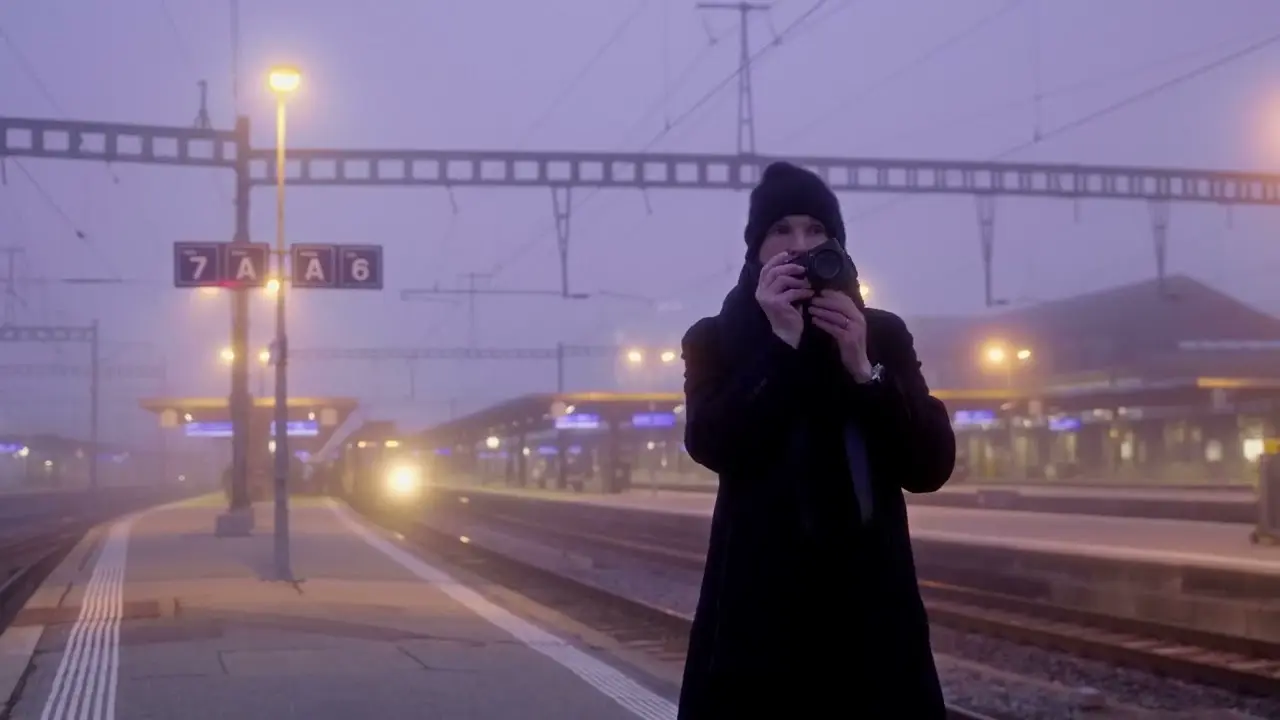
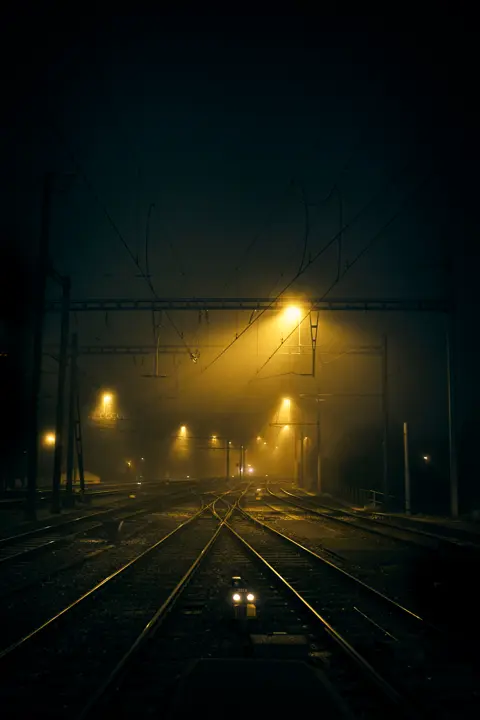
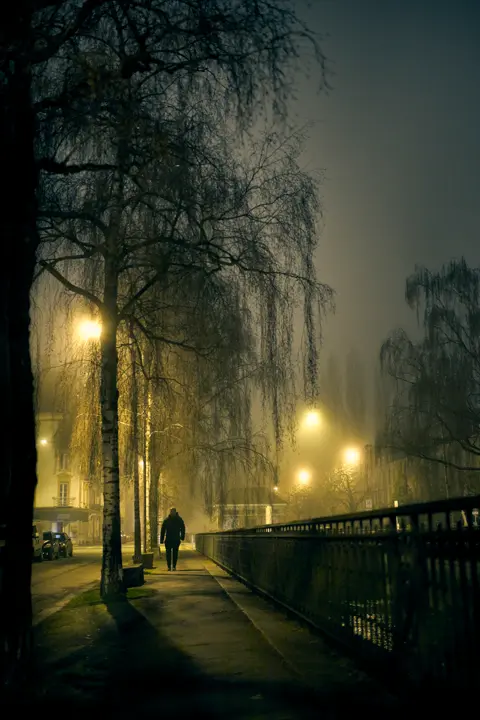
Penmen lives in the early hours. The time before the city turns up the noise. “That’s exactly my vibe”, he says. Fog, low light, an almost mystical calm – pictures are not planned, not staged, but born here. He walks, observes – and waits.
“I see a story where others walk by.”
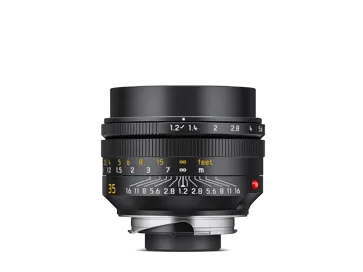
In Biel/Bienne, he gives the new Noctilux-M 35 f/1.2 ASPH. its first real workout. “With this lens, I can take pictures in even less light without compromising on quality. On the contrary, it’s amazing what it achieves. The past few days here, with the fog and dim January light, have been just beautiful.” These early morning hours are his creative space: no noise, no pressure, just concentration and flow.
“It’s much lighter and more compact than I expected. To be honest, it’s even better than I thought it would be.”
Phil Penman


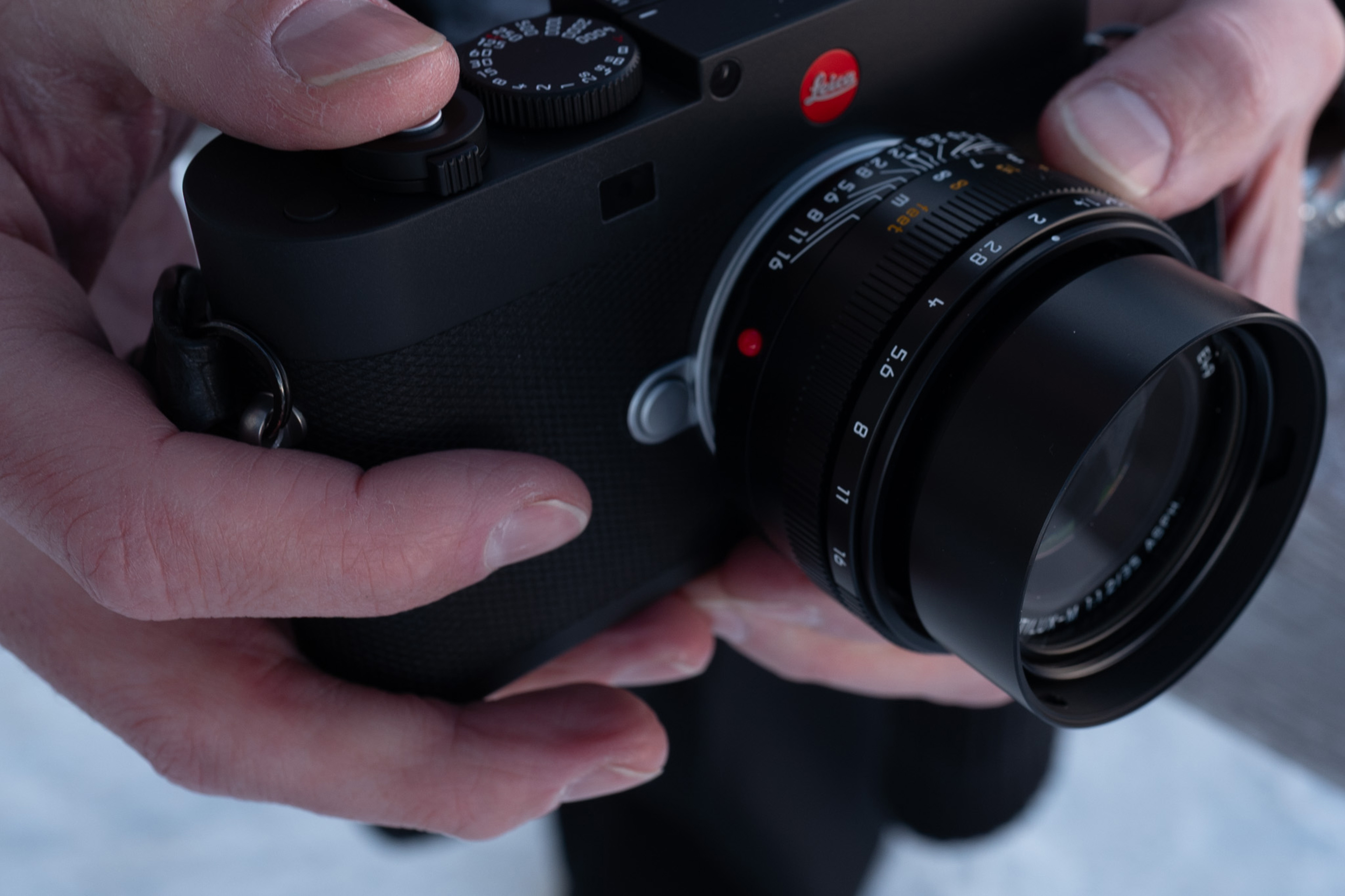
The New Noctilux-M 35
“This is exactly the lens I’ve been waiting for and talked about with Leica time and time again. Now it’s here – and it’s exactly what has been missing all this time.” He is surprised by how compact it is. “It’s much lighter and smaller than I expected. Honestly, it’s even better than I thought it would be.” The wide-open f/1.2 aperture creates vivid contrast between sharpness and blur. Subjects can be precisely separated from backgrounds – the bokeh is soft, deep, and calm. “You can concentrate on a single detail – everything else fades into a gentle blur. I’ve never experienced anything like this. It’s magical. I work with bokeh a lot, especially in portraits.”
Around the Jungfrau
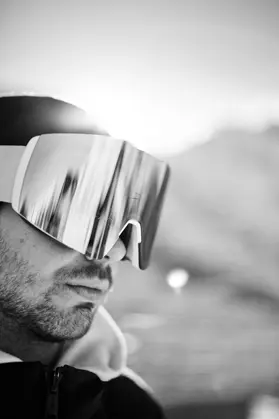
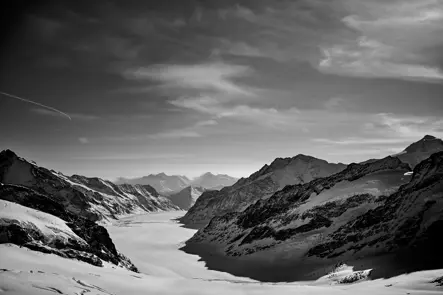
This visual impact is particularly striking in high-contrast shots taken around Jungfrau Mountain in the Alps. Snow, mountains, and light collide here, but the images keep their balance. “You see extreme contrasts in the Jungfrau region”, Penman says. “This is precisely where the Noctilux-M 35 can showcase how well it handles light and details – it’s amazing.” The lens’s strengths are also readily apparent in portrait series. The face stands out clearly, and fine details remain visible, while the background recedes quietly. “A person’s character can be seen more clearly if there aren’t any distractions”, Penman explains. The new close focus expands these possibilities even more. “Fast macro – it’s incredible that Leica has introduced it to this lens. It’s really a game-changer for me.”
The Best Version of the 35 mm
The 35 mm lens is an obvious choice for Penman. “The 35 mm has been my favourite lens ever since I picked up my first Leica. And the Noctilux-M 35 is by far the best version of a 35 mm.” While many photographers are invested in other formats, he deliberately follows his own path. “I like to do the opposite of what other people tell me”, he says with a smile. Street, portrait, or landscape – the Noctilux works for him regardless of the discipline. “You can use it for every kind of photography – it impresses across the board. I’m sure that this lens will be popular with photographers from all fields. Leica has once again really done everything right.”
Compared to his older Summilux-M 35 – his former “King of Bokeh” – the Noctilux-M 35 opens up a new dimension: “The biggest difference lies in low light. And it has much more character.” For Penman, it’s clear: “This is my most reliable lens. I always have a 35 mm with me anyway. Now it’s clear which lens will be my number one.”


Black-and-White, Colour – and the Right Moment
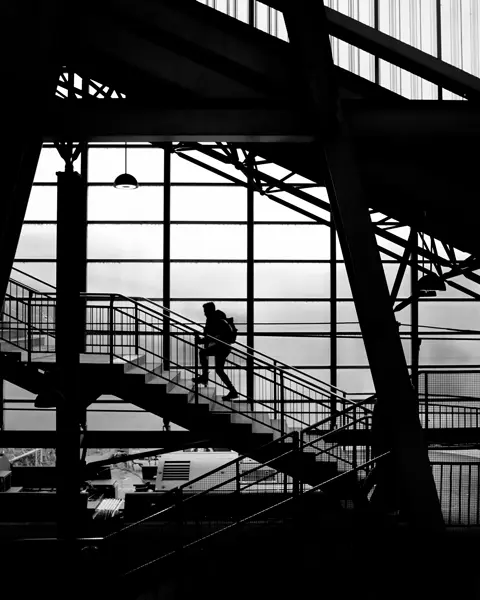
Penman is known for being a firm believer in black-and-white photography.
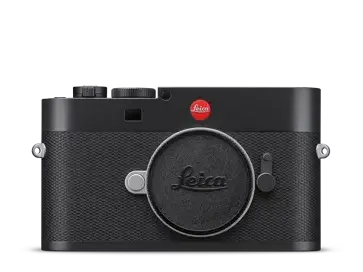
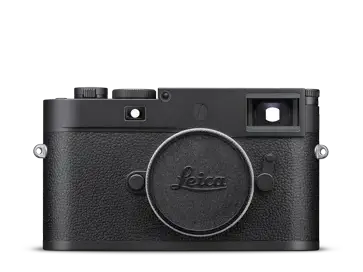
“I love documenting the world in black and white. It’s pure, full of character, free from any distractions.” For the most part, he currently works with the Leica M11 Monochrom and M EV1. “I think the M EV1 is one of the best cameras out there, and it’s an exceptional fit with the new Noctilux. But you still have to be precise in your work, of course.”
What many don’t know is that Penman also often shoots in colour: “I take a lot more colour pictures than you’d think. I just don’t show them much. I’m trying to find my own colour style. That’s exciting for me. But black-and-white remains my priority. That’s my world.”
Penman in the Flow
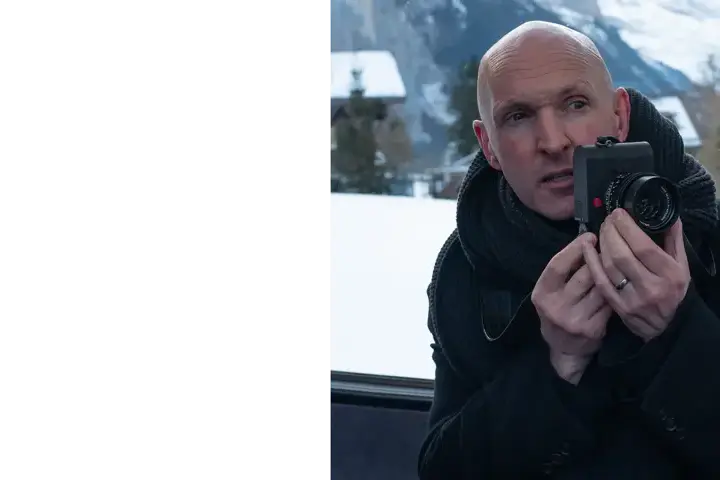
And that world is currently in a state of flux. Penman is a highly sought-after photographer. He has exhibitions and workshops lined up all over the world. “I’ll be on the road for around 130 days this year.” But first, he wants to take advantage of his time in Switzerland – the early morning hours in the fog, on a quest to find new, iconic imagery. “I’m very happy that people like my work. That’s not something you can take for granted. I’m grateful for it every day.”
Phil Penman is a British street photographer living in New York. For over two decades, he has been documenting city life in the great metropolises, especially New York, with a strong focus on black-and-white photography. His work has been published and exhibited all around the world. His multiple photobooks have made him one of the leading voices in contemporary street photography.