
Common Ridings
Scotland’s Common Ridings Highlight Borders’ Heritage
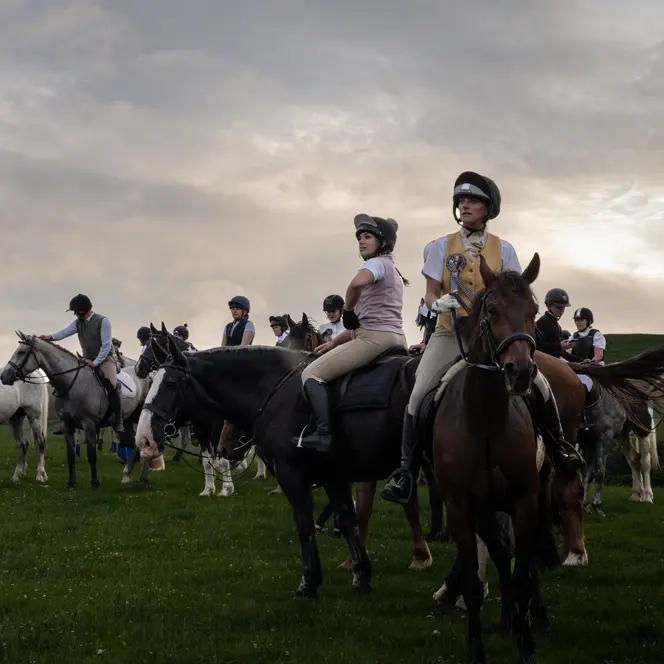
Every summer along the Scottish Borders, Common Ridings gather people in the thousands to memorialize, honor, and celebrate generations of tradition and heritage. The Ridings are among the oldest equestrian gatherings in the world, with their origins rooted in the centuries-old practice of patrolling the clans’ territories to ensure the land was “safe oot, safe in” - safe beyond the town boundaries, and safe within them.
Born from a frontier shaped by conflict along the Scottish-English border, riding the marches developed in the 13th and 14th centuries and have since evolved from acts of defense, into expressions of collective memory in annual festivals that hark back to these traditions. Each town’s principal or principals – there are sometimes two – who are the central figure of the annual festival and who are nominated by committees, travel by horse to neighboring Ridings, reinforcing a unique network of communities bound by shared history and mutual respect.
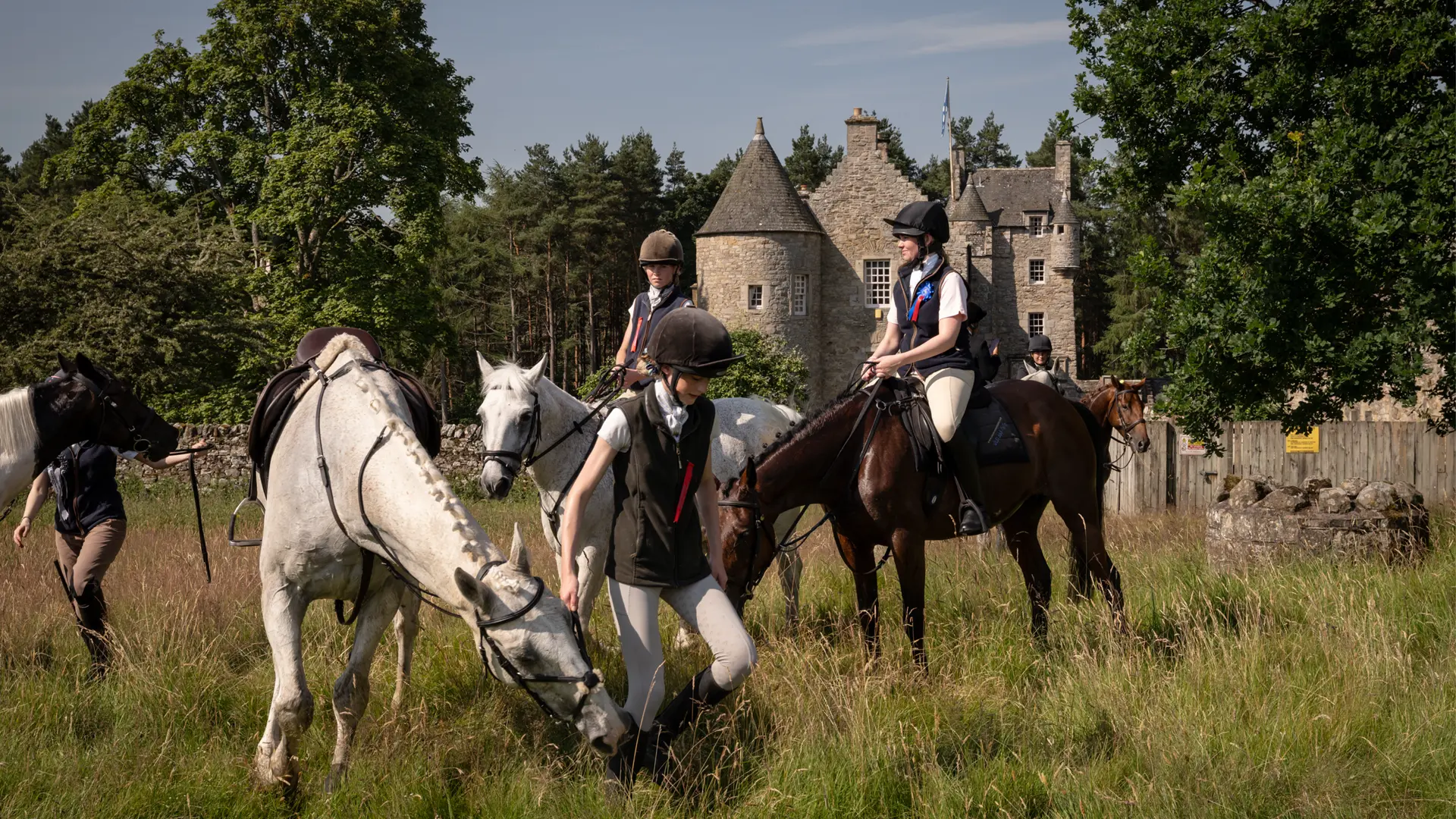
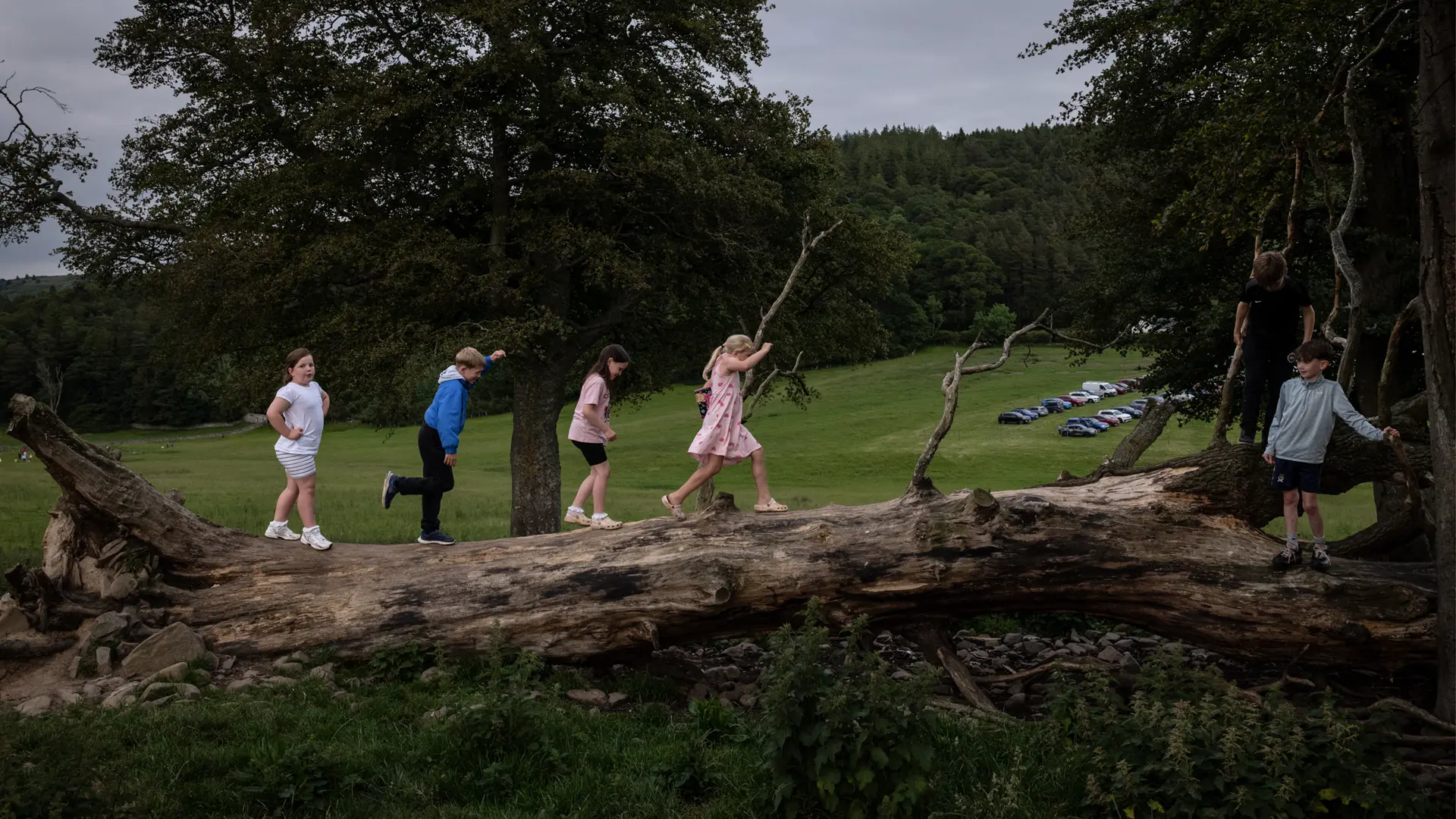
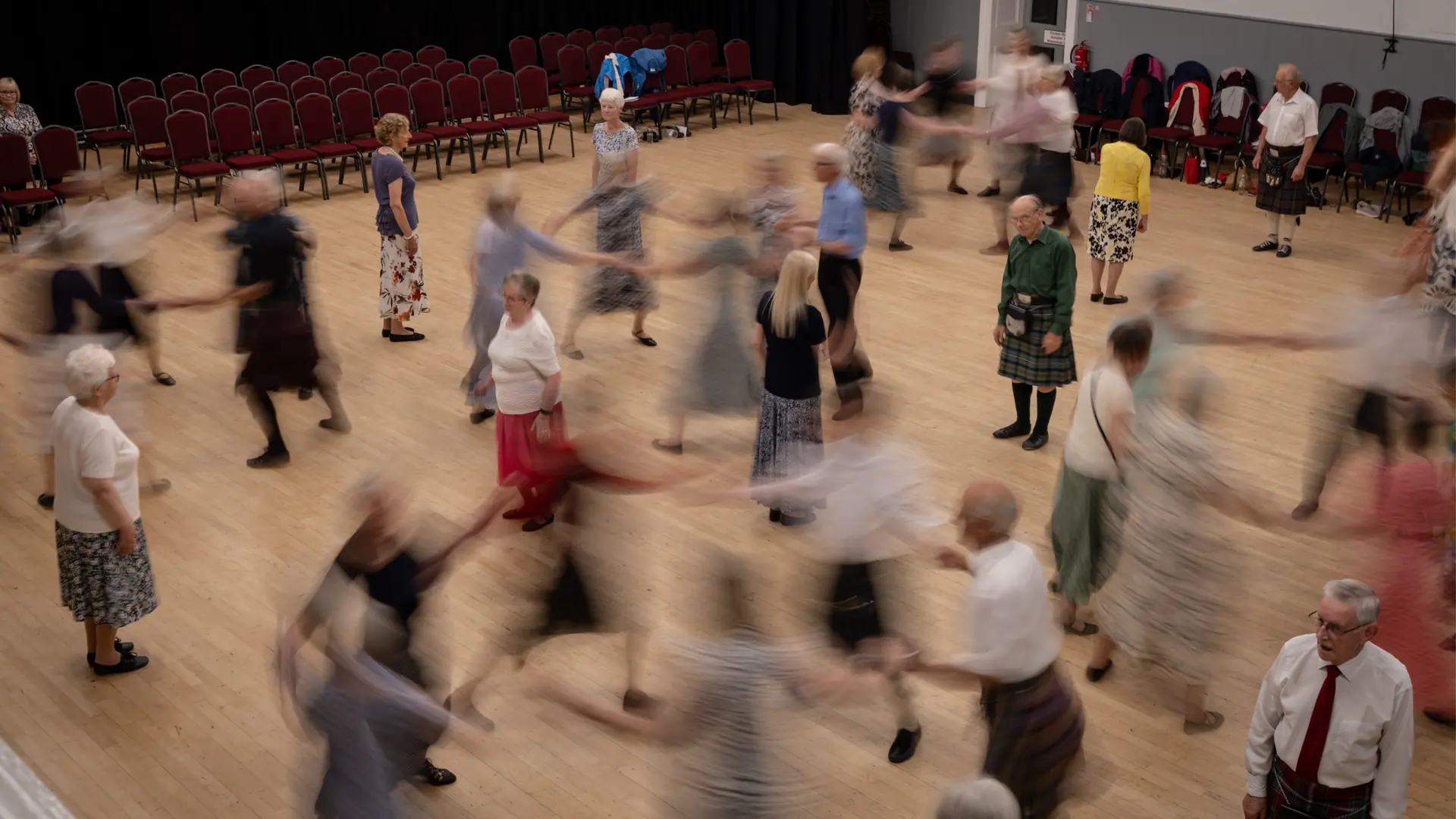
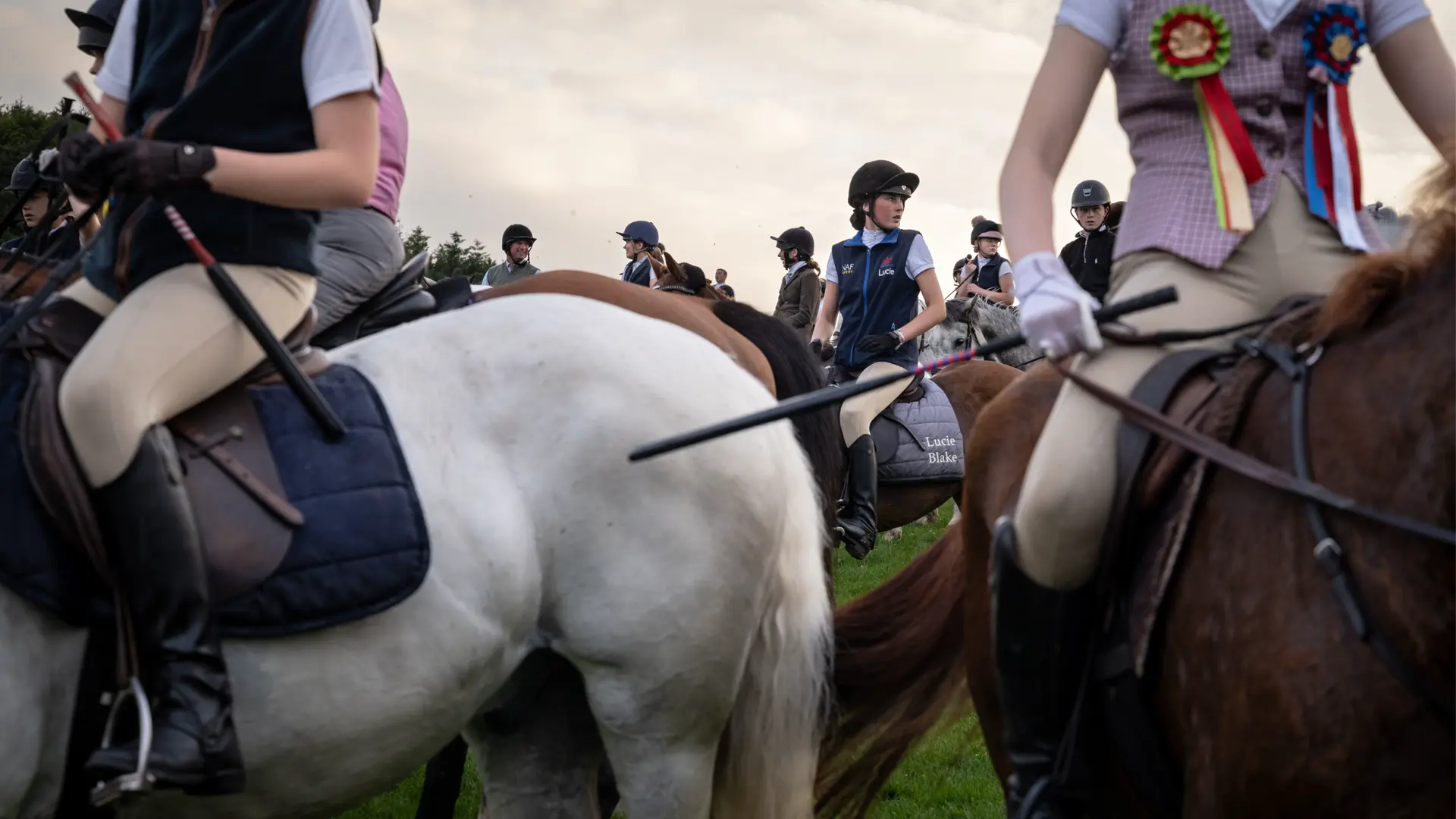
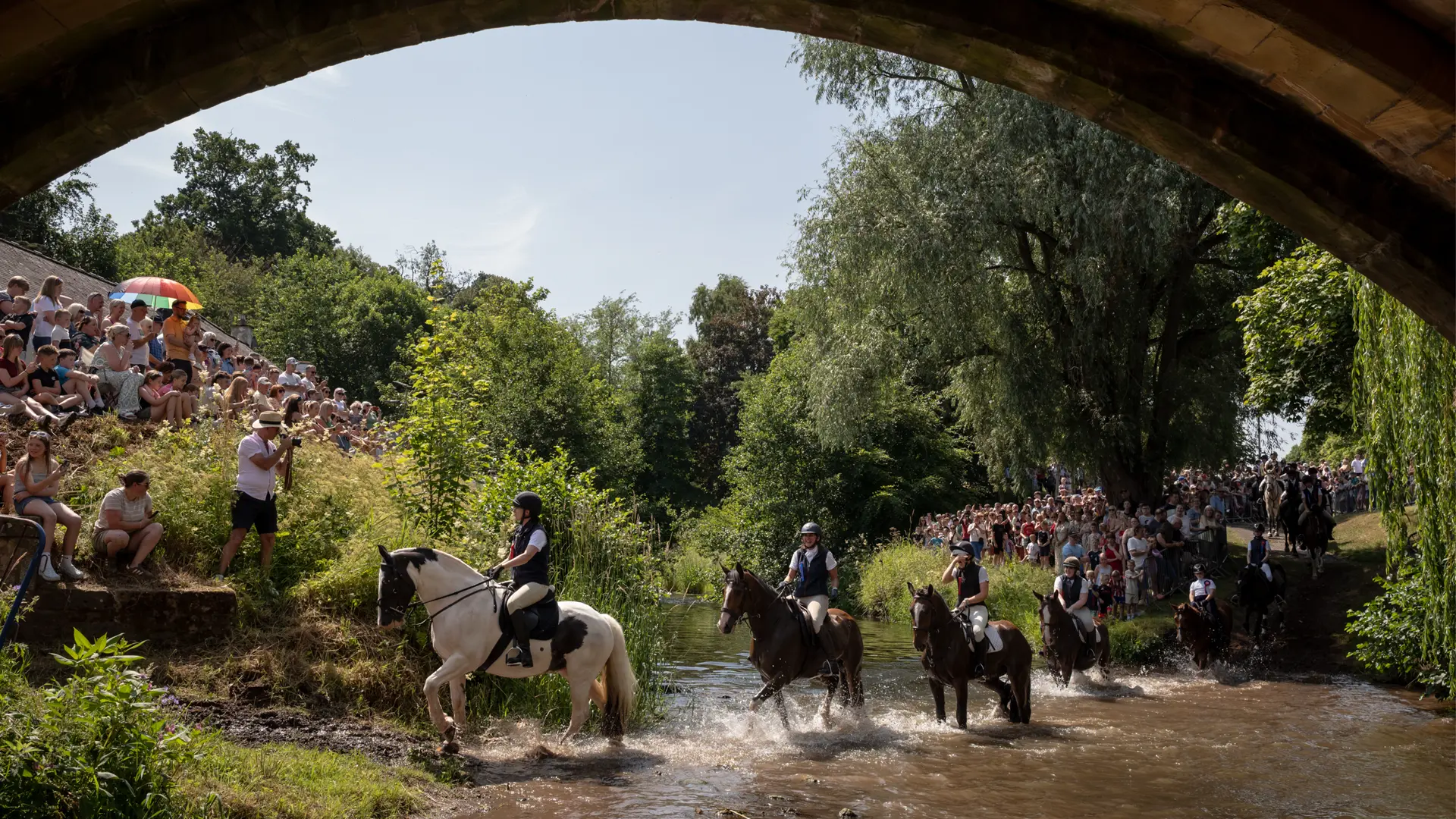
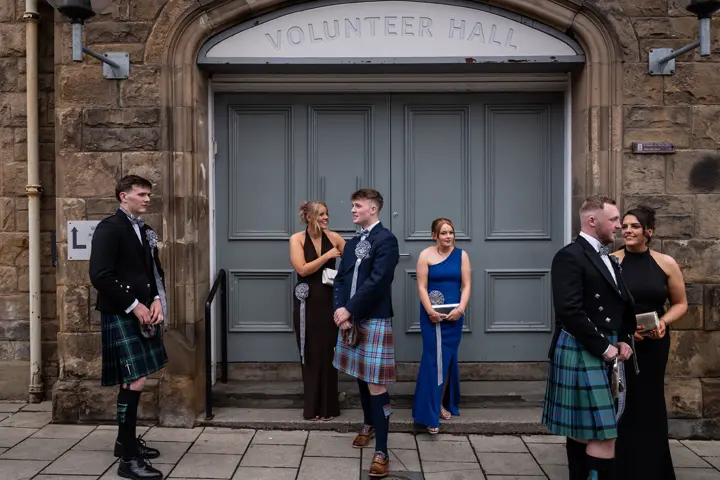
While the wars and violence that gave rise to these traditions has long passed, the rituals remain a powerful act of remembrance, by preserving the stories, values, and identities forged in the Borders. Today, it is the younger generation who are responsible for carrying the traditions forward. Young riders, standard bearers, and ceremonial leaders inherit the roles of their forefathers, and in doing so, become custodians of one of Scotland’s richest living cultural landscapes.
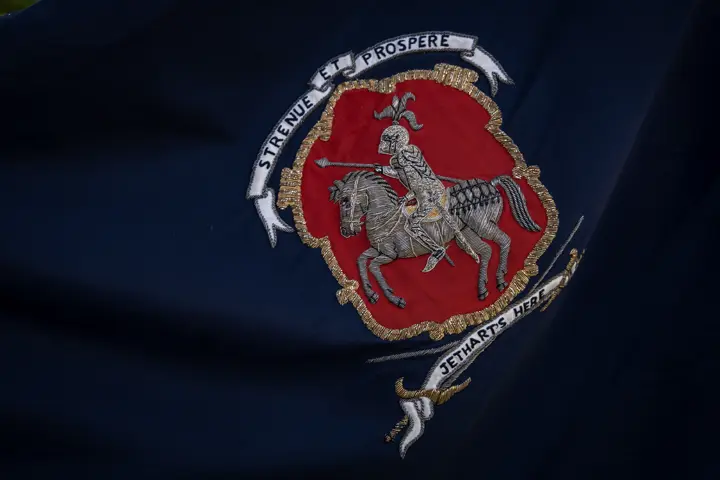
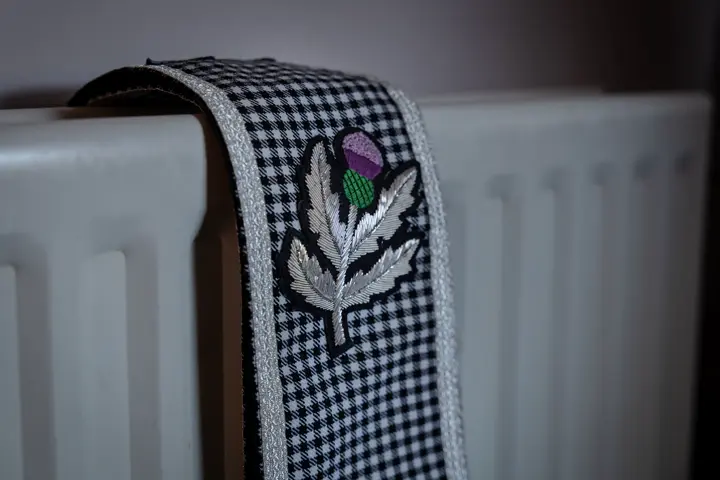
The Common Ridings are not historical reenactments but living traditions that carry the past into the present. The rituals preserve the memory of the Scottish Borders’ frontier history by entrusting it to a new generation of riders and community leaders, revealing a rich cultural heritage that exists beyond the iconic imagery of Scotland’s Highlands.That richness is in the details: each kilt, jacket, sash, and flag carries its own symbols, colors, and coats of arms, revealing layers of history, civic pride, and local identity.
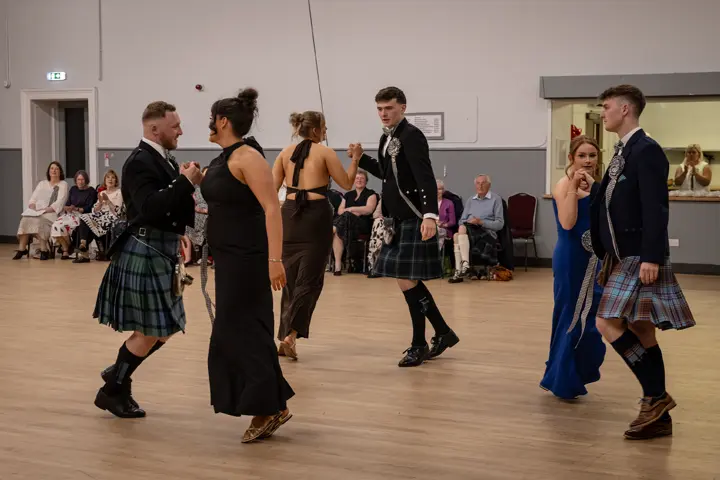
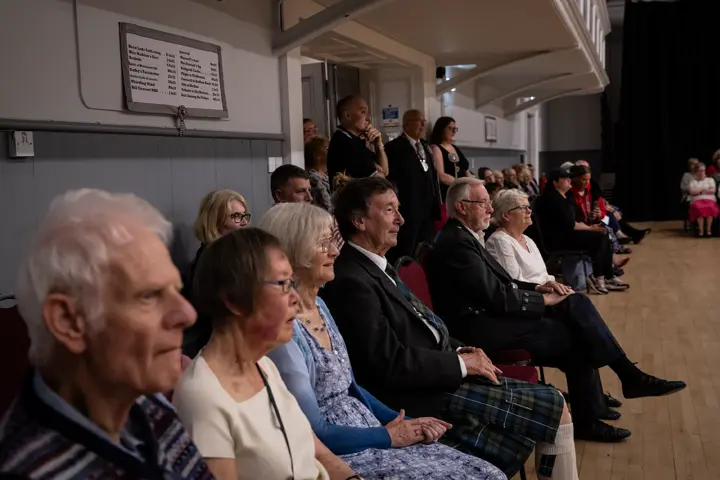
On a warm Friday night last month in Galashiels, a town of about 10,000 people, this year’s principals – the Braw Lad and Braw Lass, 18-year-old Ruaridh Anderson and 25-year-old Chloe Logan – performed a Scottish country dance reel for dozens of elderly residents, many of whom grew up attending weekly dances. Once a cornerstone of social life across the Borders, the reels remain one of the traditions passed from one generation to the next.
Yet for many young people in the Scottish Borders, inheriting these traditions exists alongside a different reality: limited local job opportunities, rising living costs, and the difficult choice of whether to leave their community in search of education and work elsewhere. While some depart for bigger cities or farther afield, others do choose to remain or return, drawn by close-knit communities, family ties, and a slower pace of life.
Nicole's Experience With the SL3-P
"Photographing with the SL3-P really felt quite transformative. It has a precision that significantly improved my workflow, and truly felt intuitive. I often cover fast moving and fluid situations, and the SL3-P moves with you. The extremely responsive subject recognition and tracking allowed me to concentrate on composition and staying engaged with the moment, while photographing one of the world’s oldest equestrian gatherings in Scotland."
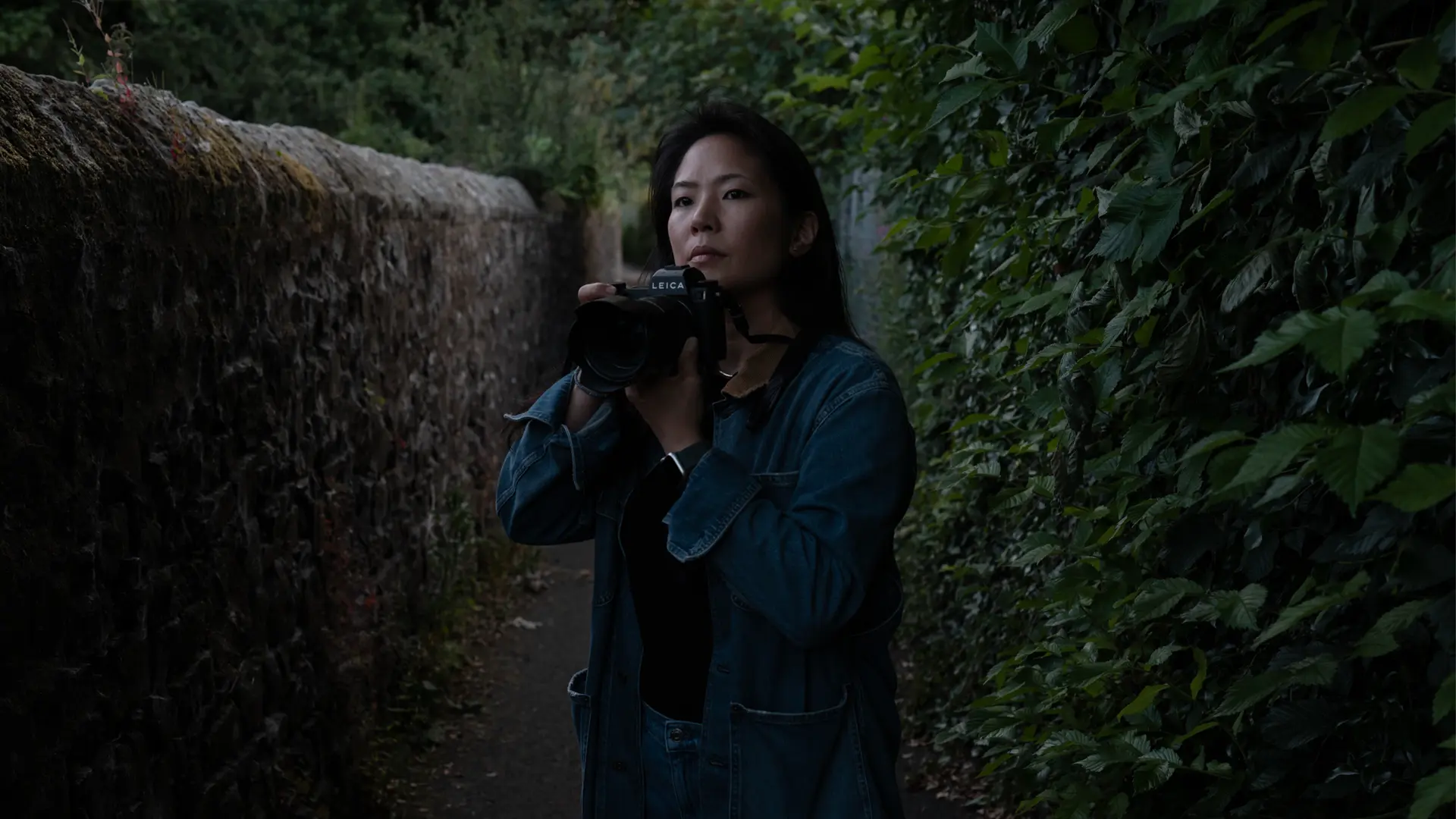
"What stood out to me wasn’t a single feature, but the overall performance of the camera. Nothing seemed compromised. The richness of the colors as in previous SL models, the enhanced tracking on this new camera, and ability to work beautifully in low light just integrated really naturally into how I move, see, and photograph.
After working with the SL3-P, I think I’d be hard-pressed to miss out on the more dependable people tracking features, because of how it quietly supported the way I already work, and how it allowed me to stay connected with the story."
Nicole’s Gear


About Nicole
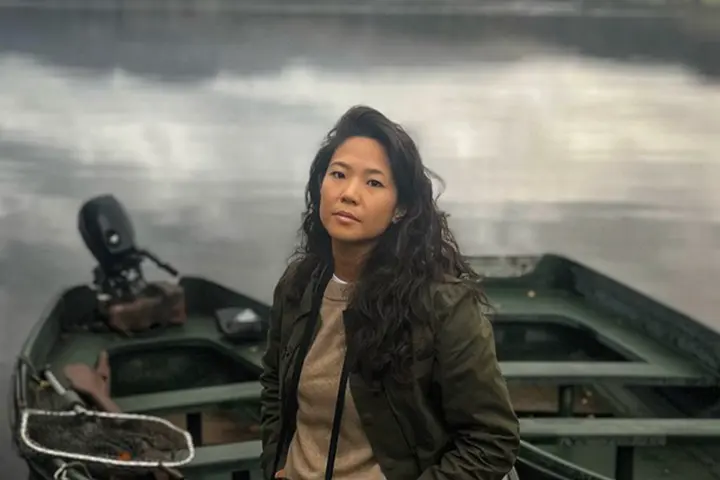
Nicole Tung is a freelance photojournalist, born in Hong Kong. She graduated from New York University in 2009. Her work often explores those most affected by conflict and the consequences of war. Nicole regularly photographs for The New York Times, Harper’s Magazine, The Washington Post, Le Monde, and other publications. Since 2010, her images have captured some of the world’s most pertinent stories including the Arab Spring movements, pro-democracy protests in her native Hong Kong, the persistent rise of femicide in Turkey, war in Ukraine, and the intersection of human rights, environmental degradation, and geopolitical clashes in South East Asia.
Next Stop: A Detailed Look at the SL3-P
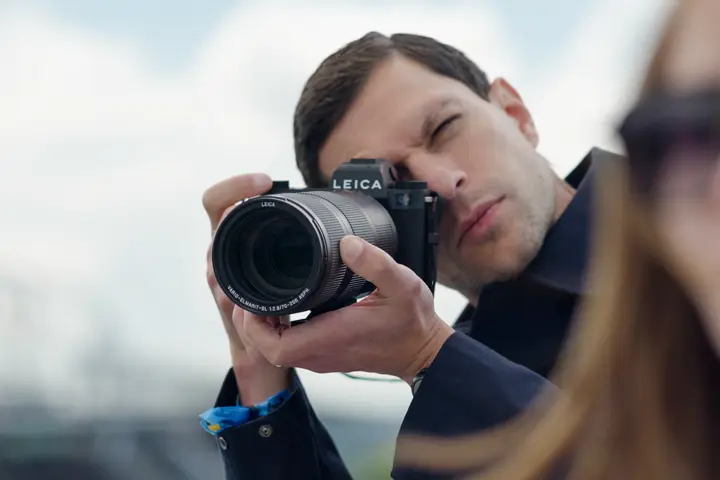
Leica trainer Robin Sinha was also on location at the Nürburgring with the SL3-P. In a place where precision, craftsmanship, and top speed are paramount, he filmed three video segments: a detailed introduction to the full-frame camera, an explanation of its video functions, and an overview of connectivity and workflow. In this series, he also demonstrates what makes the SL3-P the most comprehensive camera in the SL-System to date.