
Festival de Flores y Jardines in Mexico City
A City in Bloom
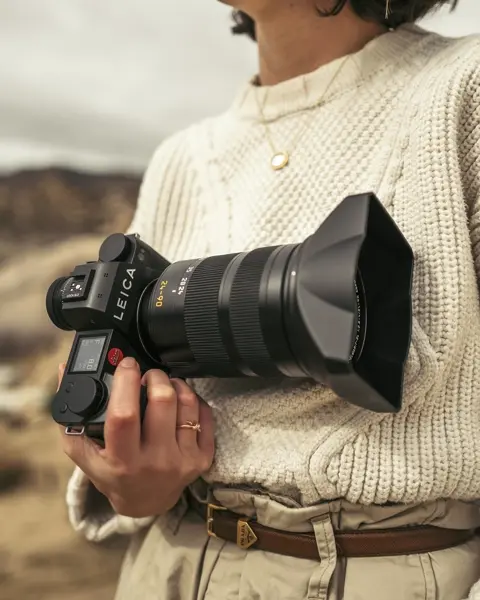
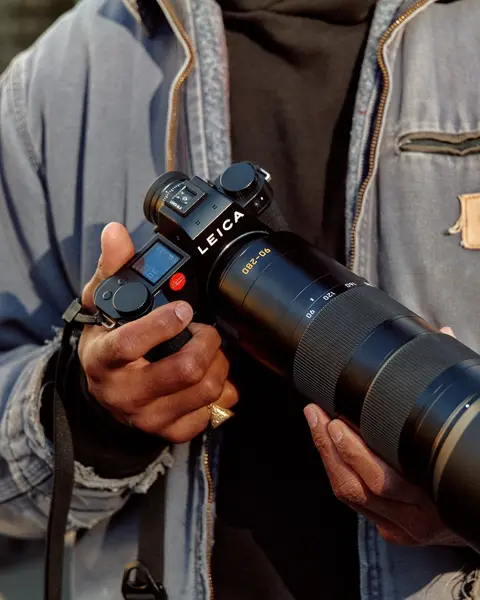
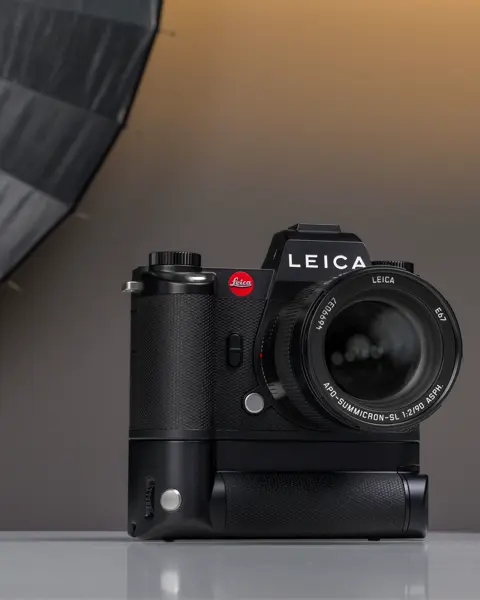
Once a year, Mexico City’s Polanco neighborhood becomes a vibrant garden. Since 2017, Festival de Flores y Jardines (FYJA) has brought florists, landscape architects and artists together to adorn public spaces with monumental flower arches and temporary gardens. The theme of the 2026 edition is “the Mexican garden”: its biodiversity, its history, and its importance to the city. Latin American photographers Greta Rico and Luvia Lazo follow the festival with their Leica SL3, capturing how it unfolds, from harvest to market to installation.
The Festival’s Roots
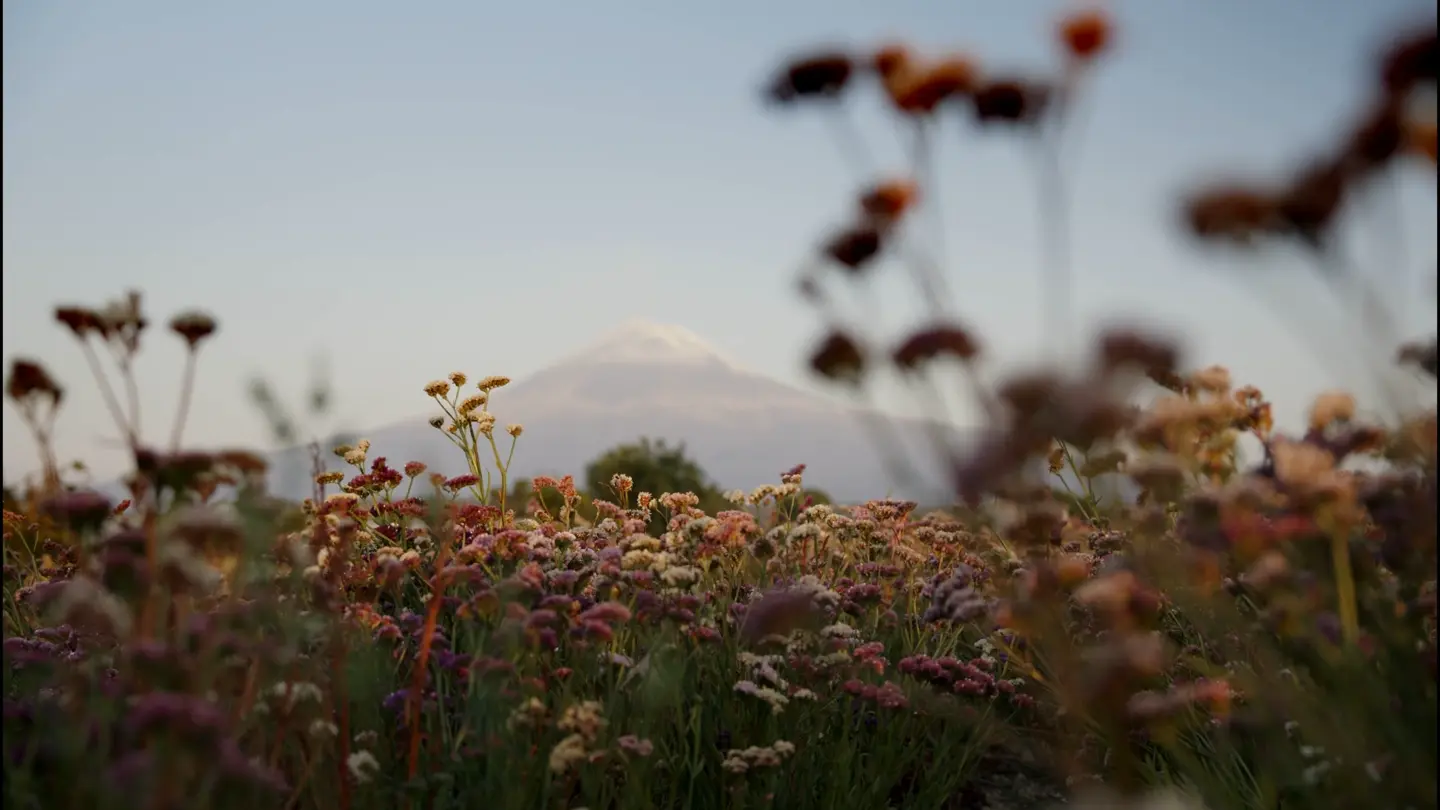
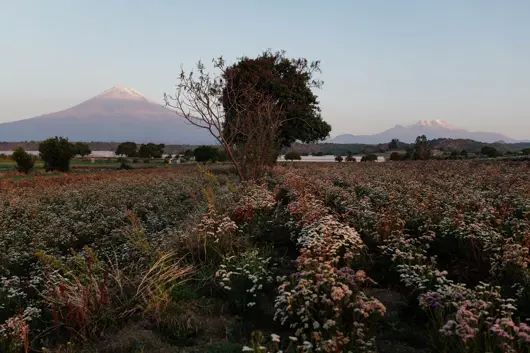
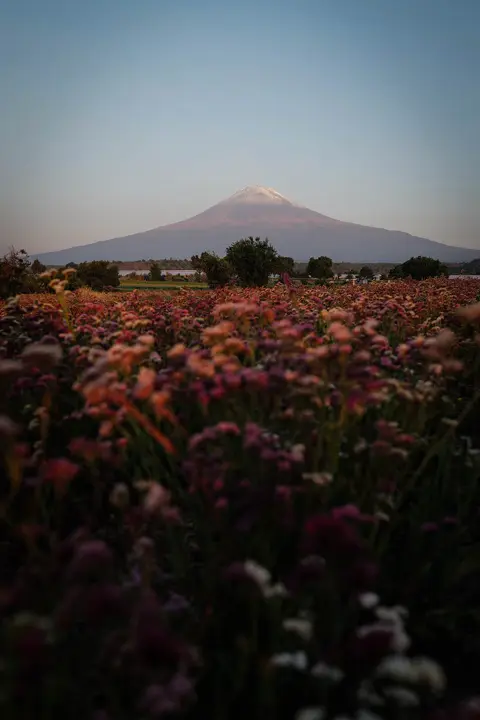
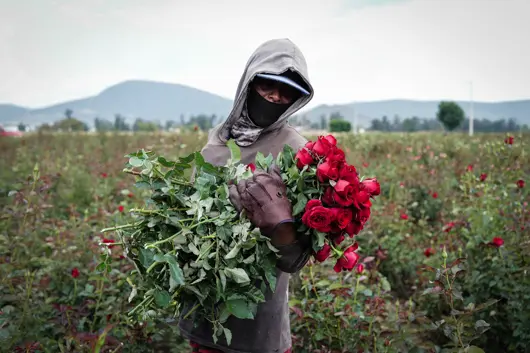
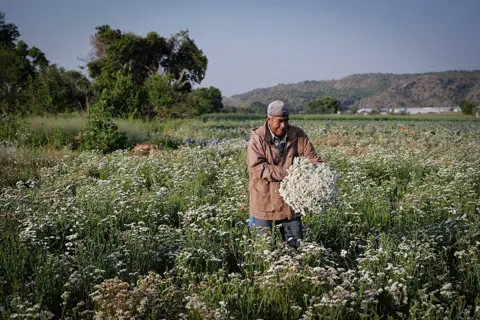
Before the first flower arch comes the harvest. The latest edition of the FYJA focuses on the Mexican garden, and, with it, the country’s native flowers: dahlias and cempasúchil, nochebuena (poinsettia), and wild orchids. On the fields around Mexico City, thousands upon thousands of flowers are picked by hand, bunched and carefully layered in boxes, still damp with morning dew. It’s a craft that is sensitive to timing, as some species only flower for a few hours, while others only survive transport in cool weather.


The Scent of the Waking City
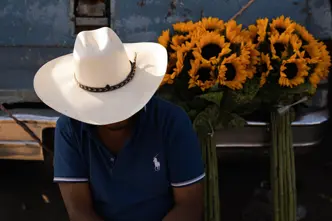
The flowers go directly from the fields to the market – often to the Mercado de Jamaica in the heart of the city – where farmers offer their harvest at their stalls. In the early hours of the morning, the aisles are filled with colours and scents – roses alongside calla lilies, gerbera by the buttercups. Buyers inspect the stems and buds with a seasoned eye, exchange a few words of negotiation, and carry buckets of flowers away with them. With the Leica SL3 in hand, the two photographers capture the hustle and bustle before the flowers are turned into arches or sculptures. But this market is much more than just business for the FYJA. It is the source of every floral façade and installation that will later be on display in Polanco.


Flower by Hand-Picked Flower
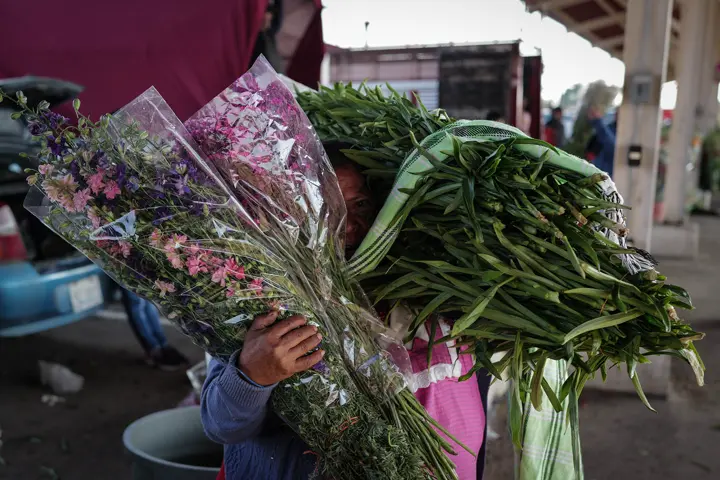
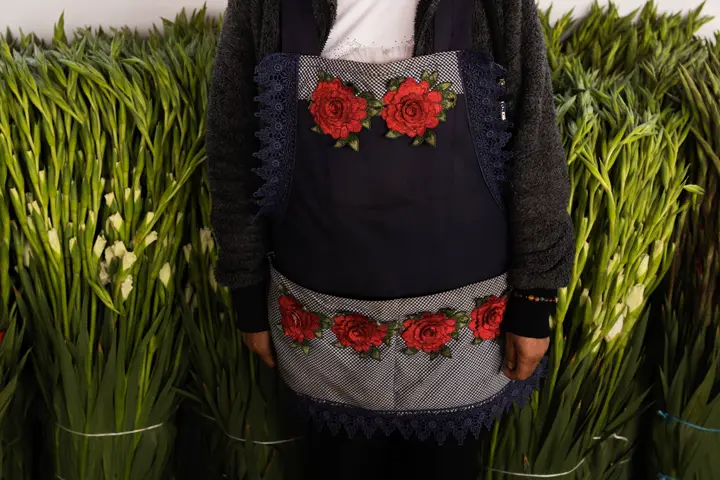
The florists and landscape architects select every single flower for the FYJA’s flower arches and installations by hand. Not only are the colour, form, and freshness decisive, but also how a flower will change in the days to come, as many works will be standing outside for days. Some of the stems are chosen for their symbolic meaning, while others are selected for the rigidity needed to build large structures.
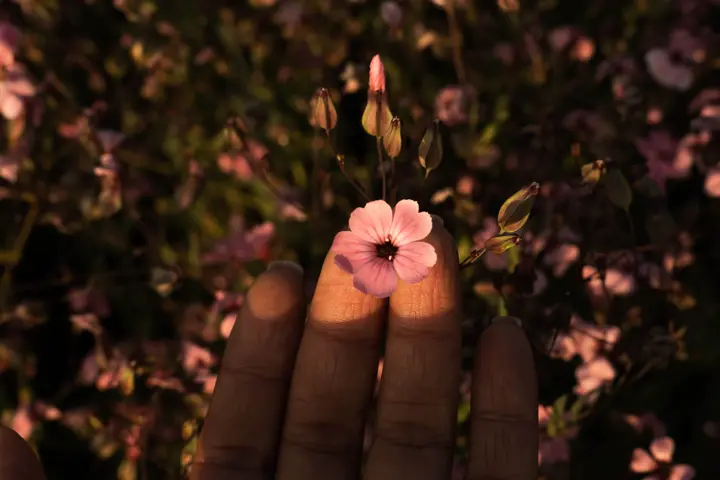
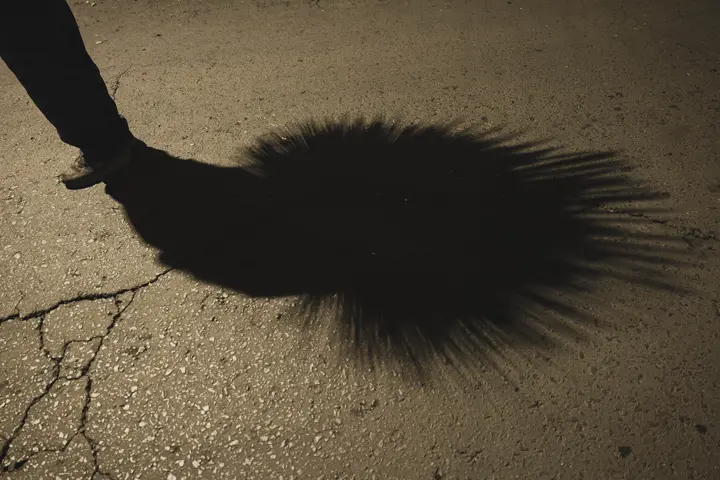
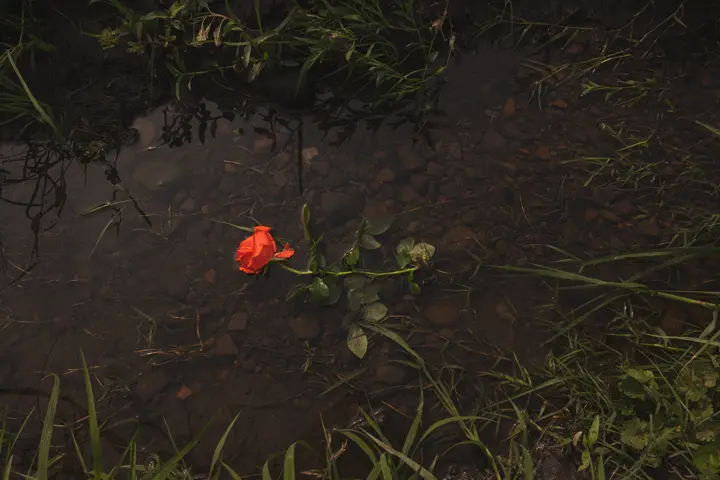
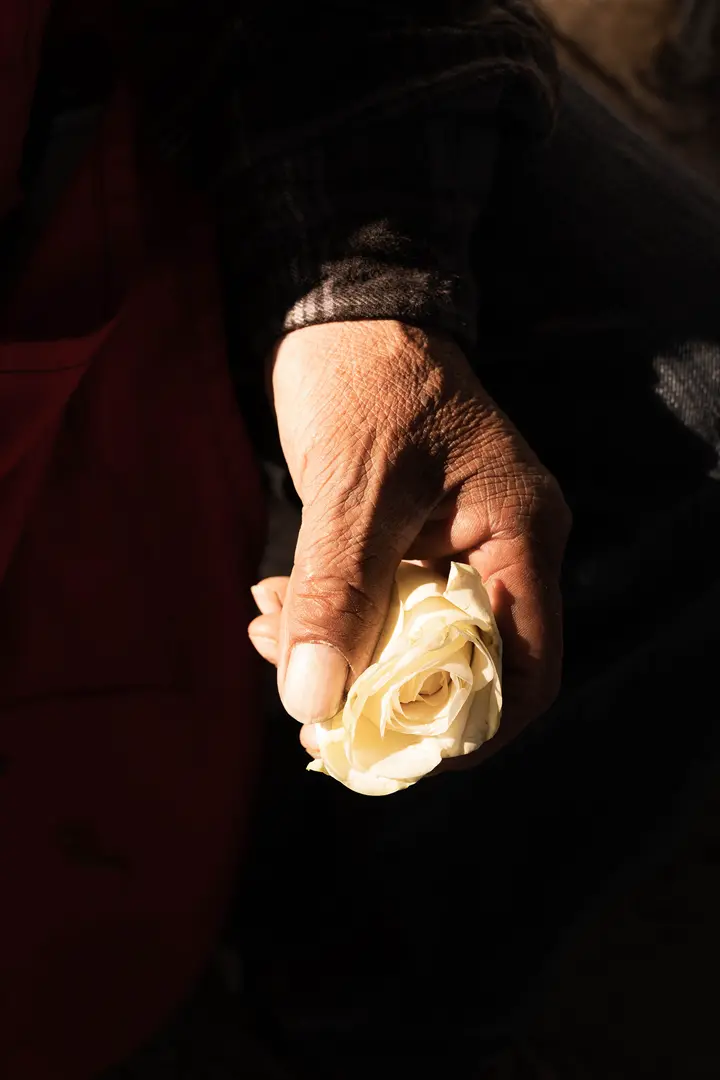
Those who shop here for the FYJA already have a finished image in mind: an archway over Parque América, a garden in Parque Lincoln, a façade along Avenida Presidente Masaryk. The mood at the stalls is both focused and euphoric. After all, as the flowers are selected, visions are taking shape that will soon line the streets of Polanco.
Covered with a Thousand Blooms – the Leica Store
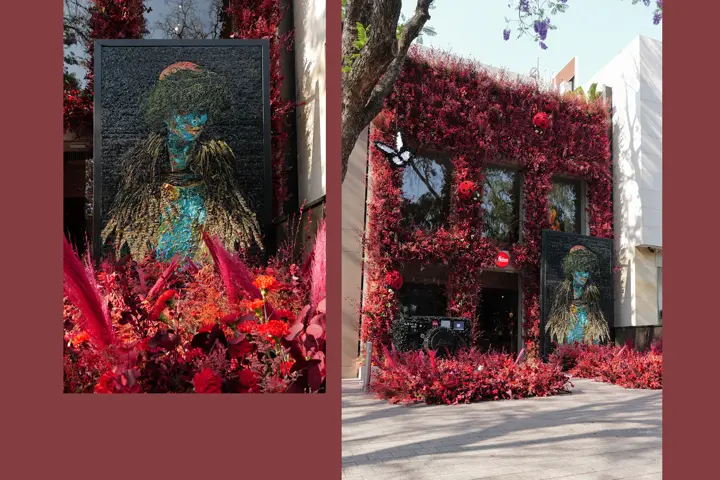
In the heart of the neighborhood, on Avenida Presidente Masaryk, the Leica Store Mexico City is also taking part in the FYJA. For the festival, its façade will disappear under a curtain of red flowers, densely packed to create a single red relief. Delicate figures, such as ladybirds and butterflies, entirely made of flowers, float above. Flowers are also used to create the portrait of a woman and a Leica M. Thus, the tool of photography itself becomes an impressive subject.
About Luvia
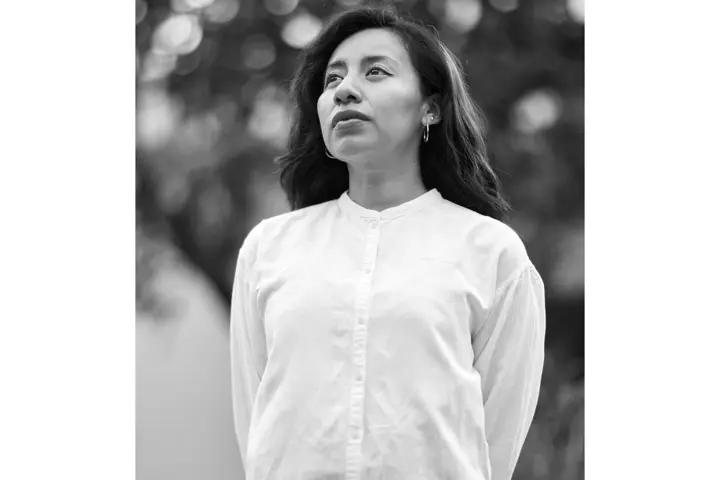
Uvia Lazo, a Zapotec indigenous photographer born in Teotitlán del Valle, Oaxaca, Mexico, is a poignant storyteller who captures the essence of identity, generational shifts, grief, and the symbiotic relationship between human beings and spaces imbued with cultural and spiritual significance.
Recognised for her talent, Lazo was admitted to the Young Creators programme of FONCA (National Fund for Culture and the Arts) in Mexico and earned the prestigious 2021 Indigenous Photograph award. Her work, featured in group and solo exhibitions across diverse locations like Mexico City, New York and Barcelona, has been published in renowned periodicals, such as The New Yorker, Vogue USA, and Vogue Mexico.
Luvia Lazo’s award-winning project Women from the Clouds is a profound series aimed at creating a mosaic of narratives surrounding contemporary indigenous women of different ages. Through this project, she endeavours to contribute to a rich and unique understanding of the diverse experiences of indigenous women, shaping a broader and more enriched perspective on womanhood as a whole.
About Greta
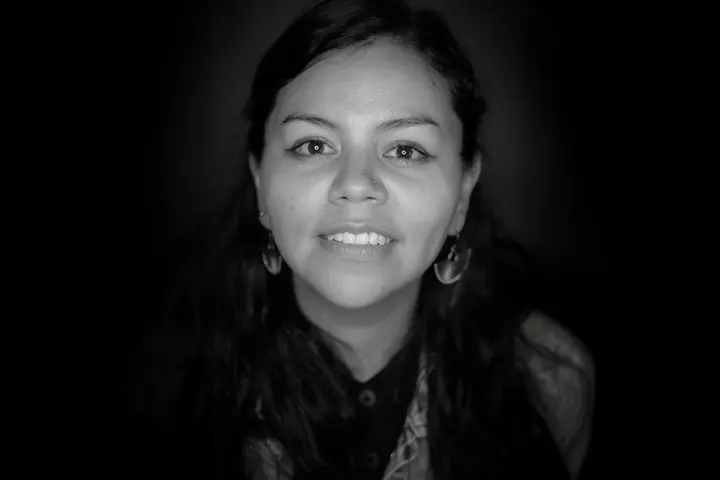
Greta Rico is a documentary photographer, visual artist, and feminist educator from Mexico. Her work explores gender, climate change, food, care economies, coloniality, and social trauma.
Since 2024, she has been a member of Mexico’s National System of Art Creators. Her projects have received grants and fellowships from organizations including Leica Women Photo Project, Bertha Challenge, Women Photograph, National Geographic, and the Bob and Diane Fund. She has lectured and led masterclasses internationally and mentored projects across Mexico and Latin America.
Greta is a member of the Women Photograph Advisory Committee and co-founder of Rosa Chillante. She is also part of Diversify Photo, Foto Féminas, Fotógrafas sin Fronteras, and Femgrafía. Her work has appeared in publications including The New York Times, The Washington Post, The Guardian, El País, and Leica Fotografie International, and has been exhibited internationally. Her photographs are held in collections across Mexico.
Cameras in the SL-System
-
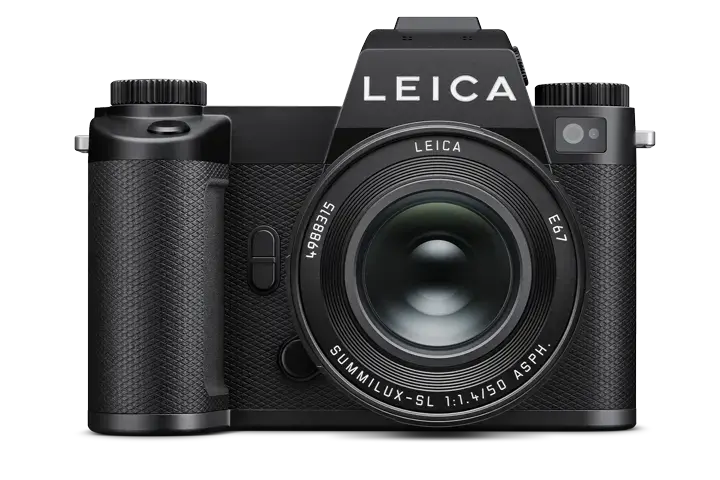
Leica SL3-P
Discover moreThe Most Complete System Camera for Advanced Imaging
Sensor 44 MP BSI full-frame (44 / 26 MP) Autofocus system PDAF hybrid (819 AF points), 40 fps (AF-C) Multishot mode 176 MP Video 8K Open Gate (3:2) / 4K 120 fps, 4:2:2 10-bit Content Credentials yes ISO range 50–200,000 -
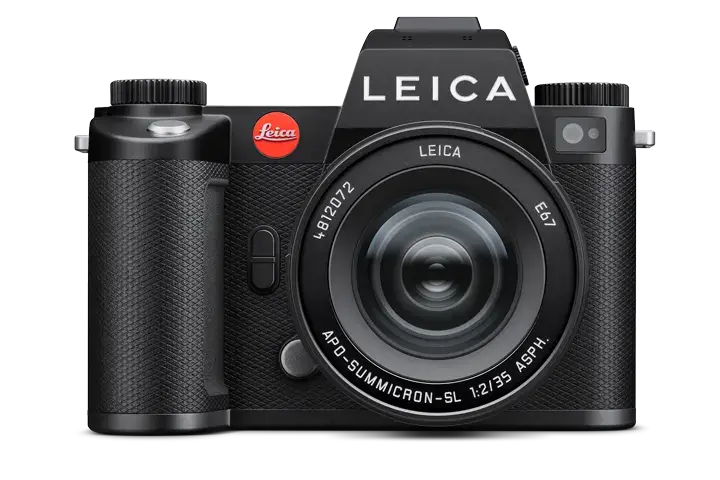
Leica SL3
Discover moreThe High-Resolution System Camera for Superior Image Detail
Sensor 60 MP BSI full-frame (60/36/18 MP) Autofocus system PDAF hybrid (315 AF points), 15 fps/5 fps (AF-C) Multishot mode 240 MP Video 8K 30 fps / 4K 60 fps, 4:2:2 10-bit Content Credentials no ISO range 100–100,000 -
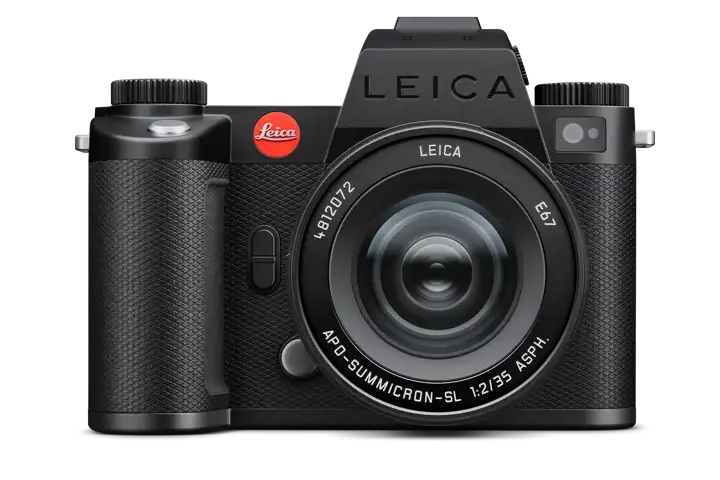
Leica SL3-S
Discover moreThe Fast System Camera for Dynamic Workflows
Sensor 24 MP BSI full-frame Autofocus system PDAF hybrid (779 AF points), 30 fps (AF-C) Multishot mode 48 / 96 MP Video 6K Open Gate (3:2) / 4K 60 fps, 4:2:2 10-bit Content Credentials yes ISO range 50–200,000