
In rural Spain
Venezuelan photographer Ana Maria Arévalo Gosen travelled to rural areas of Spain on assignment for Bloomberg magazine. She experienced a different rhythm of life there. In this interview, she talks about deserted villages, the challenges facing the remaining communities, and the encounters that have shaped her work.
The Interview with Ana Maria Arévalo Gosen
How did you get involved in this project, and what was it about it that sparked your interest?
The project was for a reportage commissioned by Bloomberg, in collaboration with the author Sabrina Nelson. My role was to provide visual accompaniment to her text in as human a way as possible.
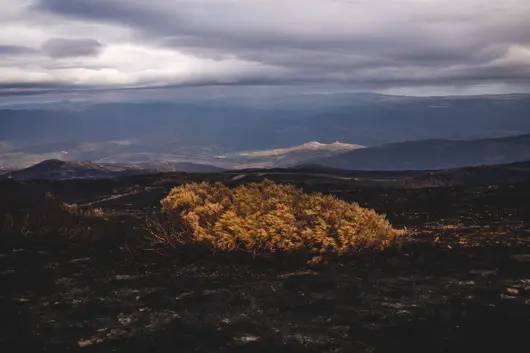
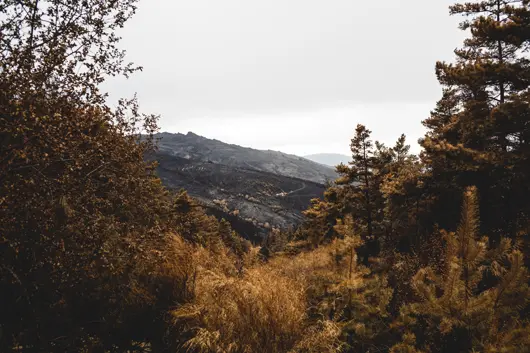
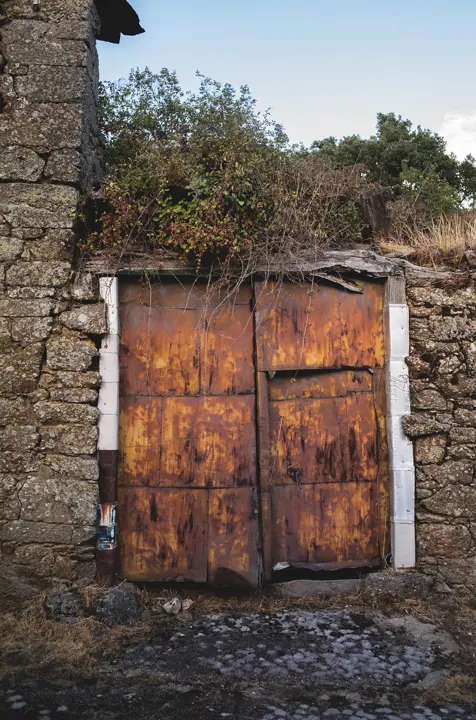
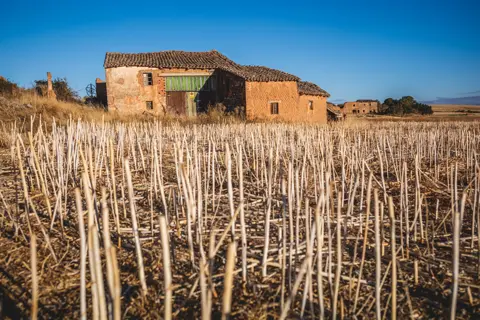
The subject we were dealing with was España Vacía – empty Spain. At first, the words convey the impression of abandoned villages, when, in fact, a lot more is going on in the regions than you might think: there certainly is a loss of communities and the problems that go with that, but also positive developments and initiatives that bring new life into the areas. This is exactly the tension that I wanted to bring to light.
Can you tell us something more about the tensions in those areas?
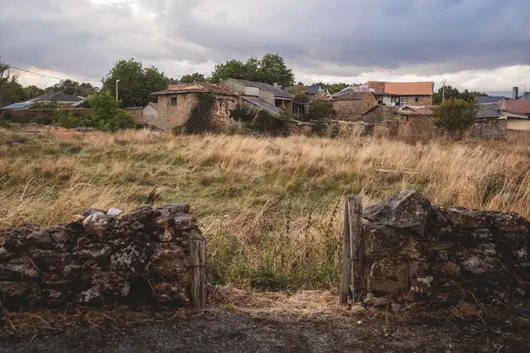
The words España Vacía describe the rural regions of Spain, but I think this phenomenon can be observed all over the world. Increasing numbers of people move to cities, leaving rural life behind. As a result, the structures that make life there possible disappear: schools close, hospitals and other important services are gone. This development is particularly evident in regions like Castile, León and Galicia. You travel through villages with abandoned houses, where time has left its very visible traces. In some villages, only three people still live there.
At the same time, these are wonderful places to live: they’re located in the mountains, surrounded by nature, and people are trying to breathe new life into them. There are public funding schemes, as well as private organisations, which are encouraging people to resettle in these regions.
This may also be a reflection of what’s happening worldwide. If we don’t take care of the rural areas, the people who produce foodstuff for us, and the landscapes that form the basis of our livelihoods, who will? It seems as though there’s a big alienation between the city and the countryside.
Do you remember any particular encounter?
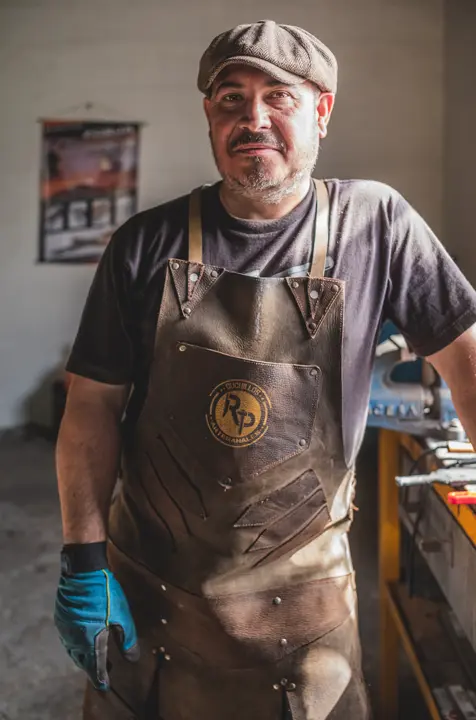
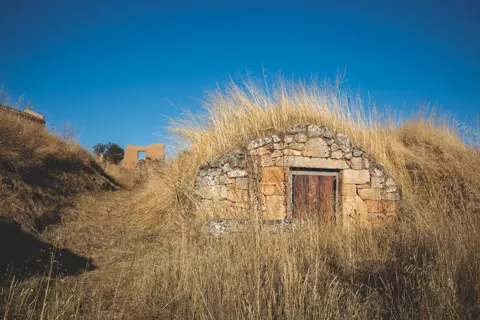
One person I do remember in particular is Ricardo Padín. He and his family came from Venezuela, my homeland. When I met them in their home in a small rural community, my first impression was of a place that seemed rather desolate: old stone houses, dilapidated buildings, and a landscape that almost looked as if it was straight out of a film. However, as soon as you stay and speak with the people, you begin to understand the soul of the place.
What I found especially touching was to see how Ricardo, who had emigrated because of the crisis in Venezuela, had found a safe place to live with his family, allowing his children to have a future. For many people in Venezuela, it’s not self-evident to have functioning schools, hospitals, and social structures.
You photograph people and landscapes. What is your approach?
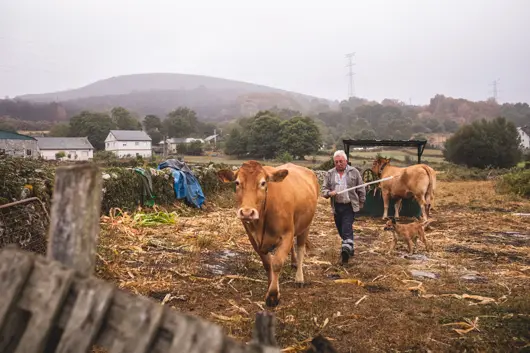
I only had three days to travel in various regions and create a visual story for this project. In my photographic work, I don’t simply see myself as an observer. I tend more to feel like the “elephant in the room” – an expression that Donna Ferrato once used. I’m very present when I take pictures. I ask lots of questions and try to really understand people. I’m guided by my intuitive eye, and I take care to treat people respectfully.
What do you want your pictures to trigger in the viewers – specifically with regards to the future of these communities?
If these places, which are so important for the livelihood of many people, are no longer cared for – then who will be concerned for the older people, the farmers and all those who look after this landscape? That’s one of the questions I want to pass on to the viewers. At the same time, I want to highlight a situation about which many people outside of Spain probably know little.
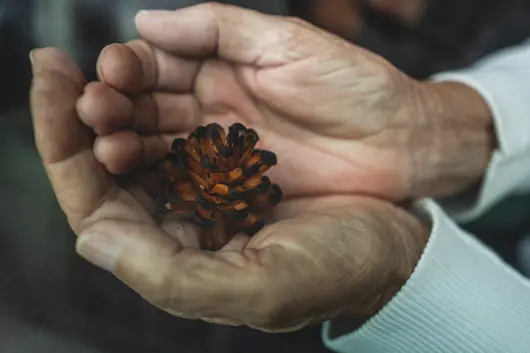
In Spain there are already many books, research papers and projects related to España Vacía. But I’m not sure if the subject has been adequately conveyed visually to an international audience. That’s why I wanted to show the decline of these buildings and communities – but also to convey a sense of hope. It was important to me to highlight the love and dedication of the people who are trying to breathe new life into these places.
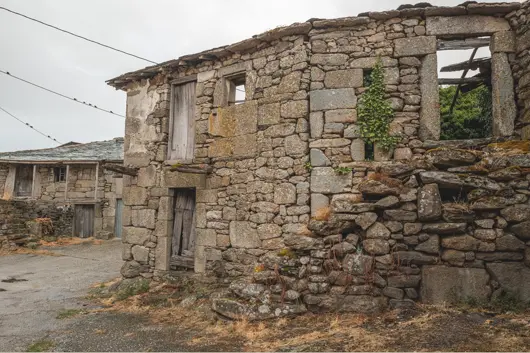
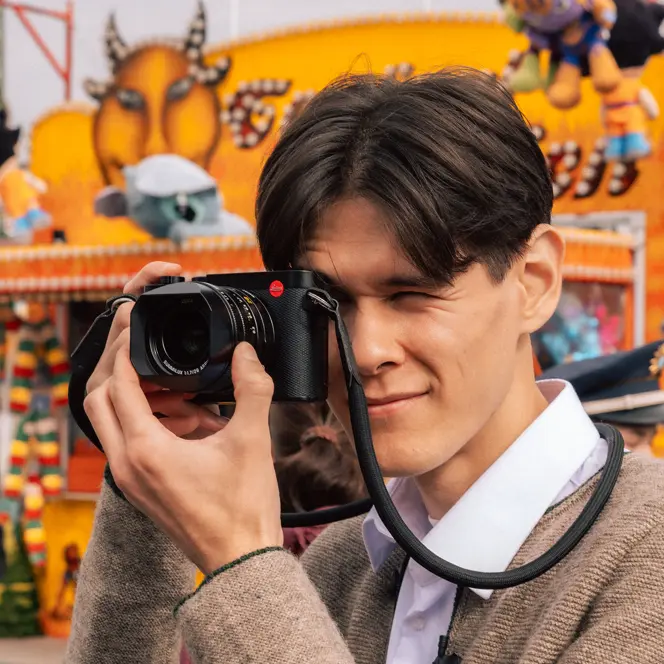
What equipment did you use for this project, and how did Leica support you in this? The Q3 was particularly important for this project. One The Q3 was particularly important for this project. One of the challenges was to photograph the abandoned buildings and structures because I’m not an architecture photographer. Thanks to the 28mm lens I was also able to capture a lot of the surroundings in the narrow streets and small spaces, and show the dimensions of these places. I wanted to create a consistent visual style for the entire series, so I worked with a slightly darker exposure, which allowed me to achieve a particular look whilst shooting, rather than having to work on it in post-production.
Capturing the fleeting moments was especially challenging, but the Q3 allowed me to react intuitively and quickly. I also used the M10 for details, textures and portraits, particularly because of its exceptional sharpness and image quality.
Equipment:
Leica M10-R, Summicron-M 35 f/2 ASPH
Leica Q3 with Summilux 28 f/1.7 ASPH
Ana Maria`s Gear


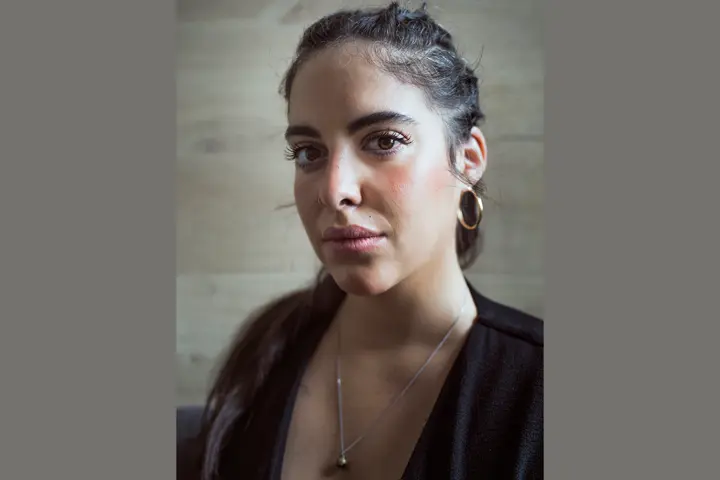
About Ana Maria Arévalo Gosen
Born in Caracas in 1988, Ana Maria Arévalo Gosen is a visual storyteller, whose work focuses on the fight for women’s rights and environmental issues. She mixes demanding research with intimate stories and, with her projects, aims to have a positive impact on social development. In 2021 she won the Leica Oskar Barnack Award Winner for her Días Eternos series, which explores the conditions faced by women in pre-trial detention in Venezuela.
© Ana Maria Arévalo Gosen. All rights reserved.