
Ethiopia: Across the Divide
In his Ethiopia: Across the Divide series, the British documentary photographer highlights a particular way of preserving cultural identity and cohesion. Spices are considered an important cultural asset in Ethiopia. The work carried out by the women’s collective represents an act of resilience and preserves the community’s identity following the war (2020-2022).
The Interview
How did you discover the story about the women-run spice mill in Aksum, Tigray?
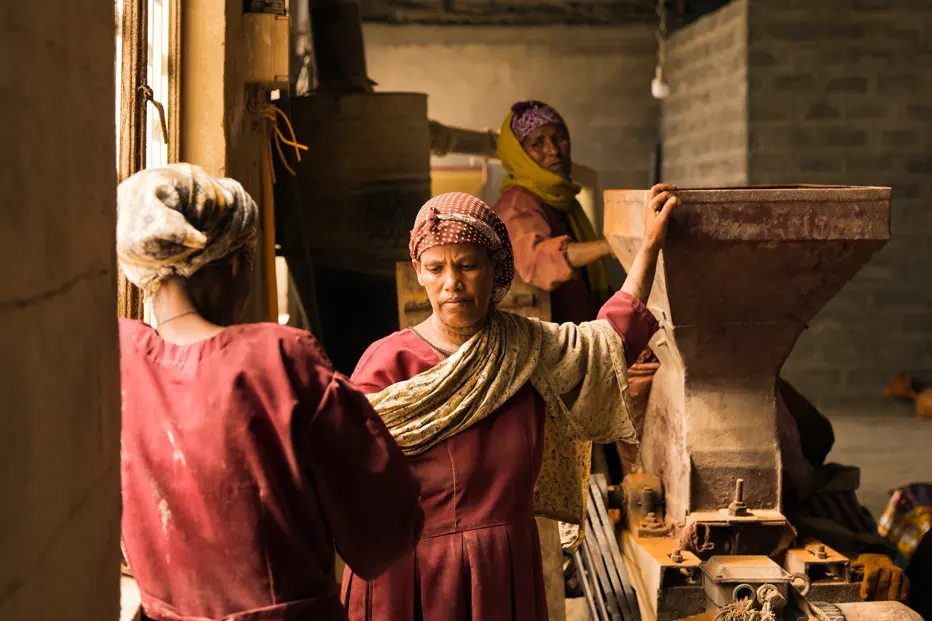
The humanitarian organisation CARE International and New Lines magazine gave me an assignment. I documented how this organisation’s 40 years of humanitarian aid has impacted the lives of people – of women, in particular. The exceptional group of women running the spice mill is Aksum is made up of participants in the CARE programmme Women Lead in Emergencies (WLiE), which aims to protect women during the recovery phase following a war.
How did you find the atmosphere in the spice mill?
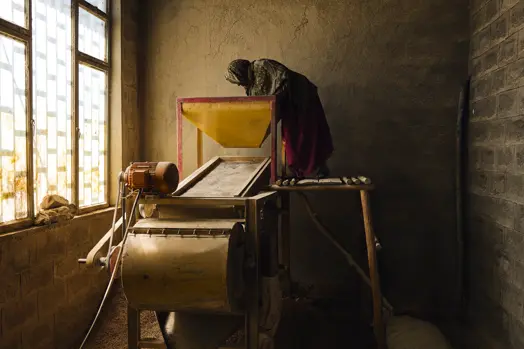
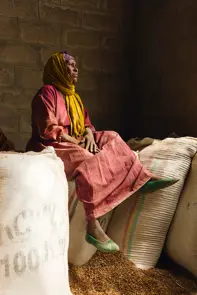
I have very lively memories of how I was sitting in the car and we were driving by many unremarkable, grey buildings. After a friendly greeting from the workers, I stepped inside the mill and I could hardly believe what I was seeing. The quality of the light falling through the high windows, illuminating the spice dust as it rose and sank, was amazing. I had the feeling of having stepped into an oil painting of a biblical-like scene.
What equipment did you use for this project, and how did your Leica support it?
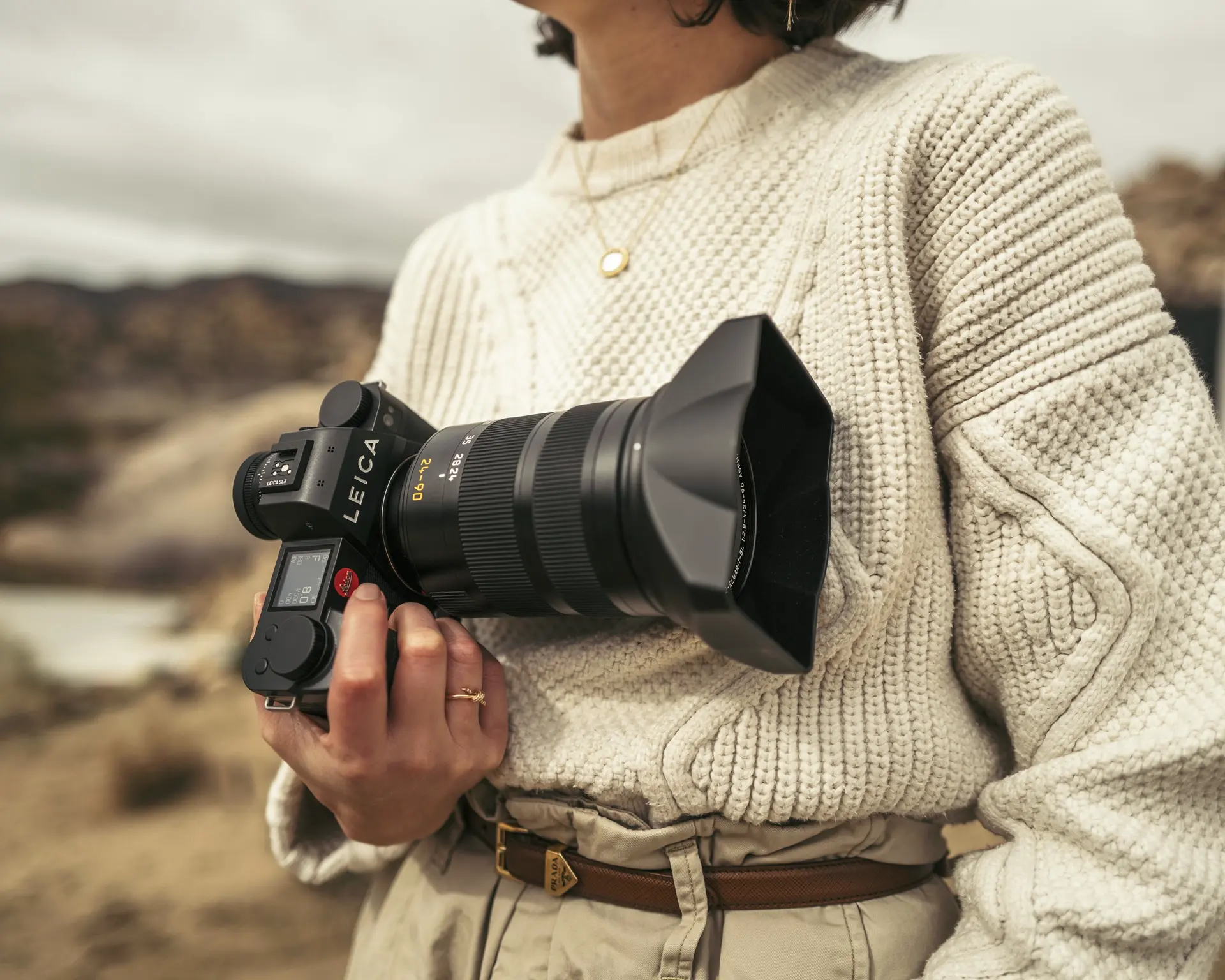
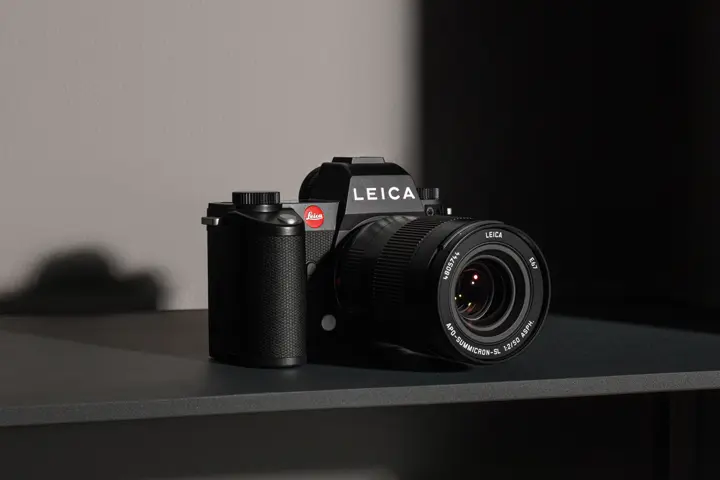
Since 2019, the equipment has become an essential part of how I express myself as an artist. In my early days with Leica, I worked predominantly with the medium-format S3 and the SL2. Then, when the M11 and the SL3 appeared, delivering the same characteristics, rich and vivid colours directly from the camera, everything changed. Most of the time I felt good with the SL3. I’m especially delighted with the advantages of the autofocus. The M11 in contrast is so discrete that I could work in a very restrained manner, at times almost unnoticed.
How did you work with the available light and the atmosphere, so as to achieve the mood of the pictures?
My work was influenced by the great Dutch and Italian painters. I draw inspiration from the type of painting which shows a relationship between light and darkness. I only work with the light that surrounds us. What’s more, when photographing portraits, I want to focus completely on my motifs. The chilli and spice dust that was rising and sinking in the mill, helped scatter the light coming through the large windows. Even before pushing the release, I knew that the SL3 would deliver almost perfect results.
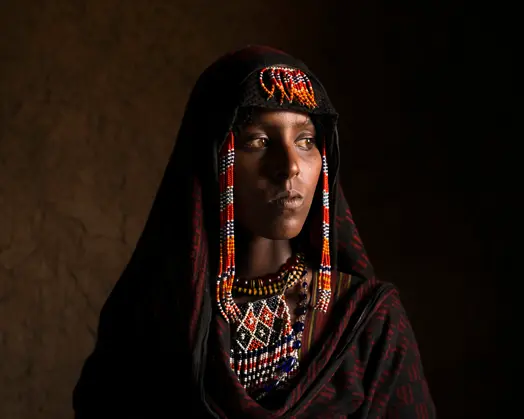
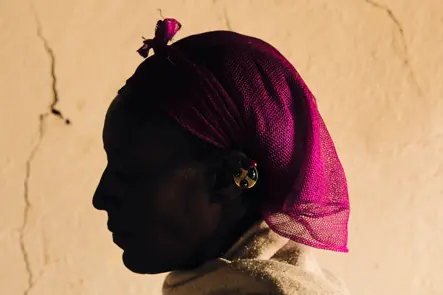
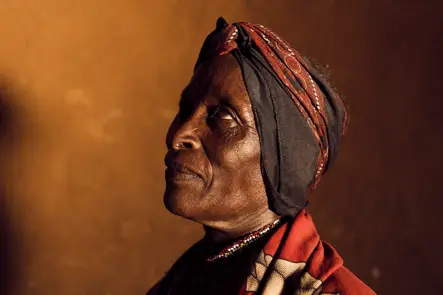
What consequences does the Tigray war play on people’s lives today?
The consequences and terror of the civil war from 2020 to 2022 are visible everywhere: in the places where the walls of buildings have been punctured with holes, but even more in the trauma suffered by the people. For the majority of those people, the word “recovery” is like a distant fantasy. The Tigray war led to 43 percent of women suffering from some sort of gender-specific violence – psychological, physical or sexual. Even today, there continues to be increasing tension in the Tigray region.
What role do women play in Tigray’s local economy and culture?
The historic role of women in Tigray is deeply anchored in folklore. According to legend, Makeda – the Ethiopian name for the Queen of Sheba – ruled the kingdom from her palace in Aksum. Regents, barren female warriors and female economic pioneers are closely connected to Aksum and Tigray. Nowadays, thanks to measures taken by aid organisations, women, as active members of society, step firmly into projects like the spice mill.
Which moments from this reportage remain strongest in your mind?
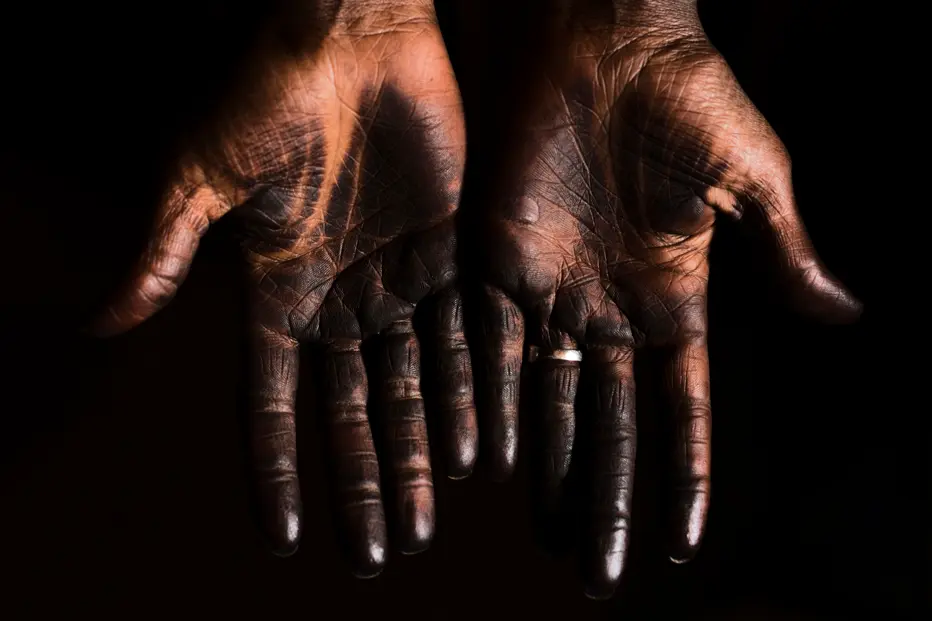
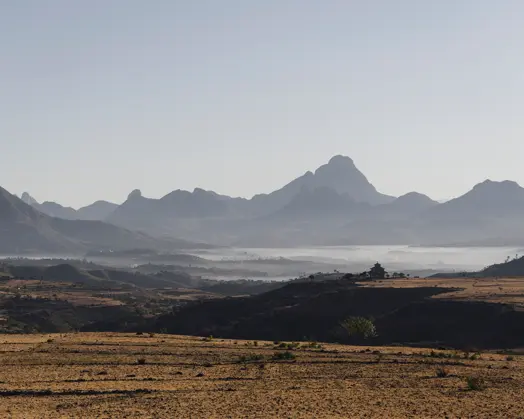
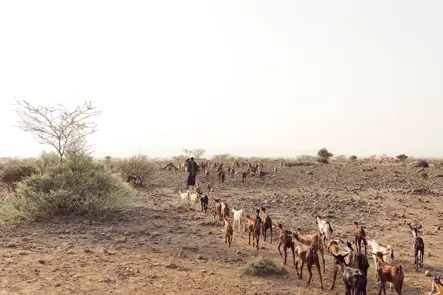
There are a number of moments that I remember. On the one hand, the group of Karate Kids, whom I saw one cool morning on a 50-kilometre run, in the majestic Tigray Highlands, where the mountains climb up out of the desert. On the other, the impressive dignity of the half-nomadic, women herders in the Afar region, who blacken their hands with the smoke of the village fire, as a sign of beauty. Furthermore, I remember an incredibly courageous survivor of sexual violence, who shared her story with me.
Has work on this project changed your perception of resilience and community?
I was impressed with how the people of Tigray and the neighbouring Afar region in northern Ethiopia, still manage to show show such happiness and friendliness. Resilience is a great strength of the human spirit, needed to survive.
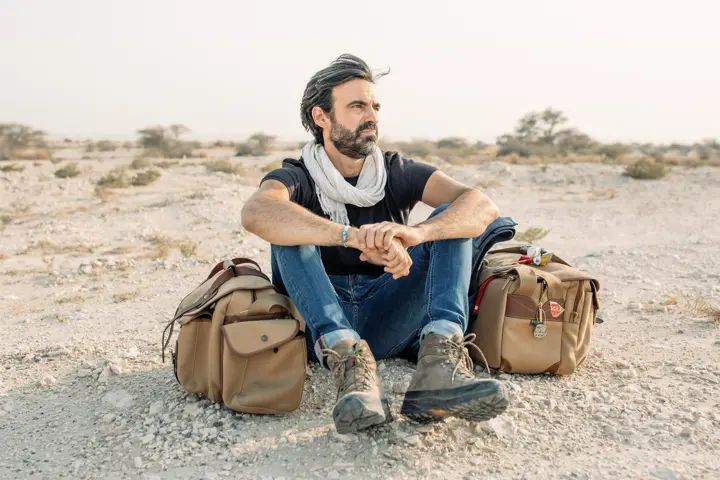
About Paddy Dowling
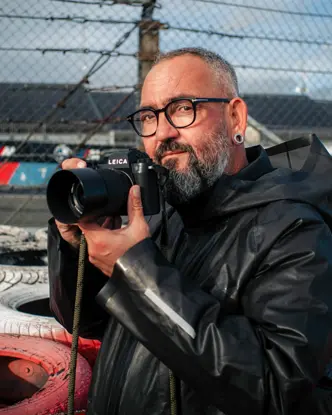
Paddy Dowling is and internationally-renowned, British documentary photographer. Over the last ten years he has documented the suffering of people in more than 75 countries. His portraits of people affected by conflicts, displacement, women and children trafficking, and climate change have appeared, among others, in The Guardian, National Geographic, The Independent, on Al Jazeera English, and in the New Lines magazine.