100 Years of Leica Projectors

A Century of Light: The Leica Projection Story
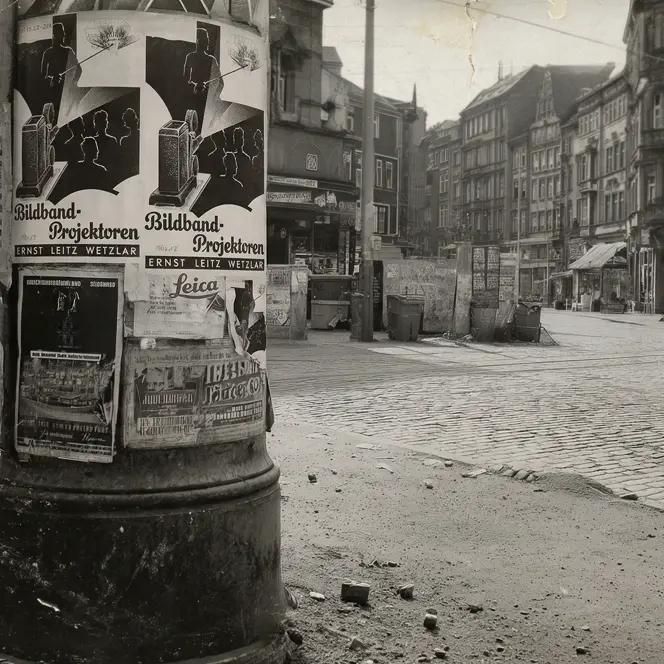
For over a century, Leica has held a simple yet powerful belief: an image reveals its full impact only when seen. This idea dates to the origins of the Ur-Leica camera in the 1920s. With the introduction of the 35 mm format in both cinema and photography came a fundamental question: how could such small negatives be presented convincingly?
The answer was the first Leitz Uleja projector. It transformed small images into large-scale experiences that were clear, precise, and compelling. Projection was never merely an accessory; from the very beginning, it was an integral part of the Leica portfolio.
-
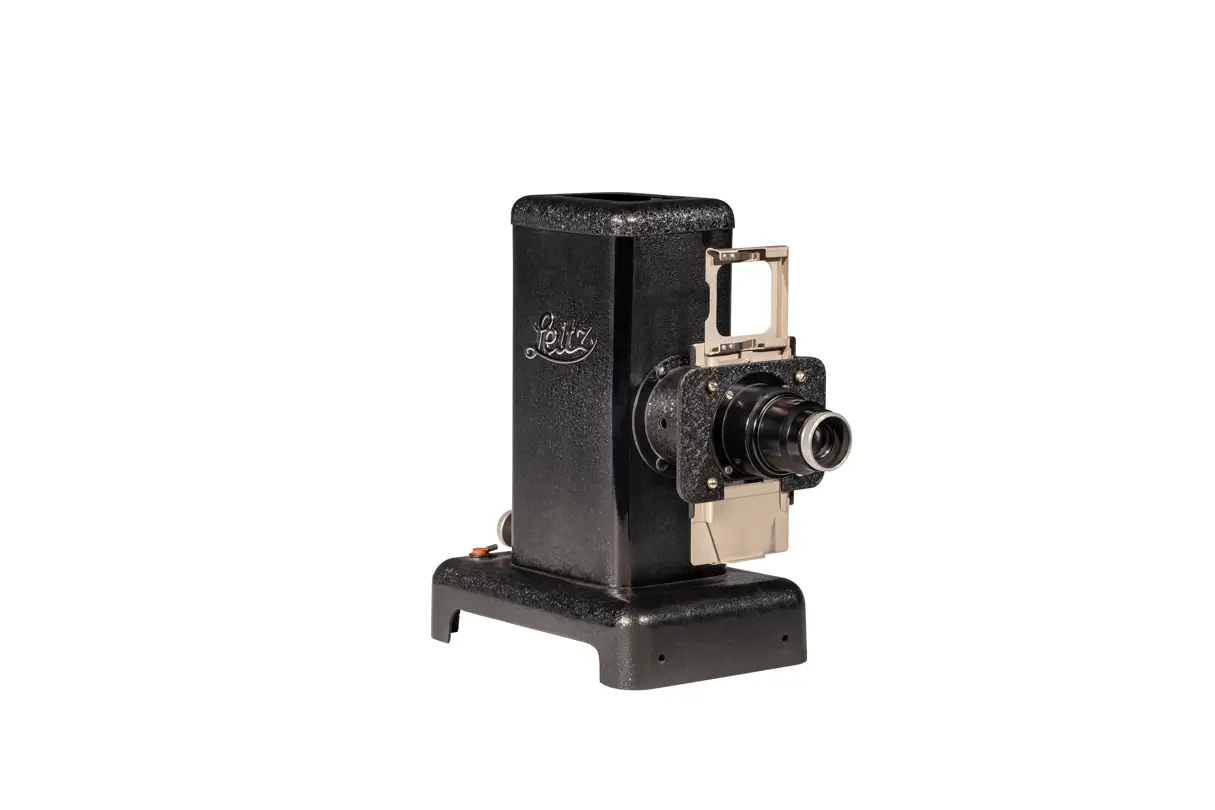
1931 VIIIa b Kleinprojektor
-
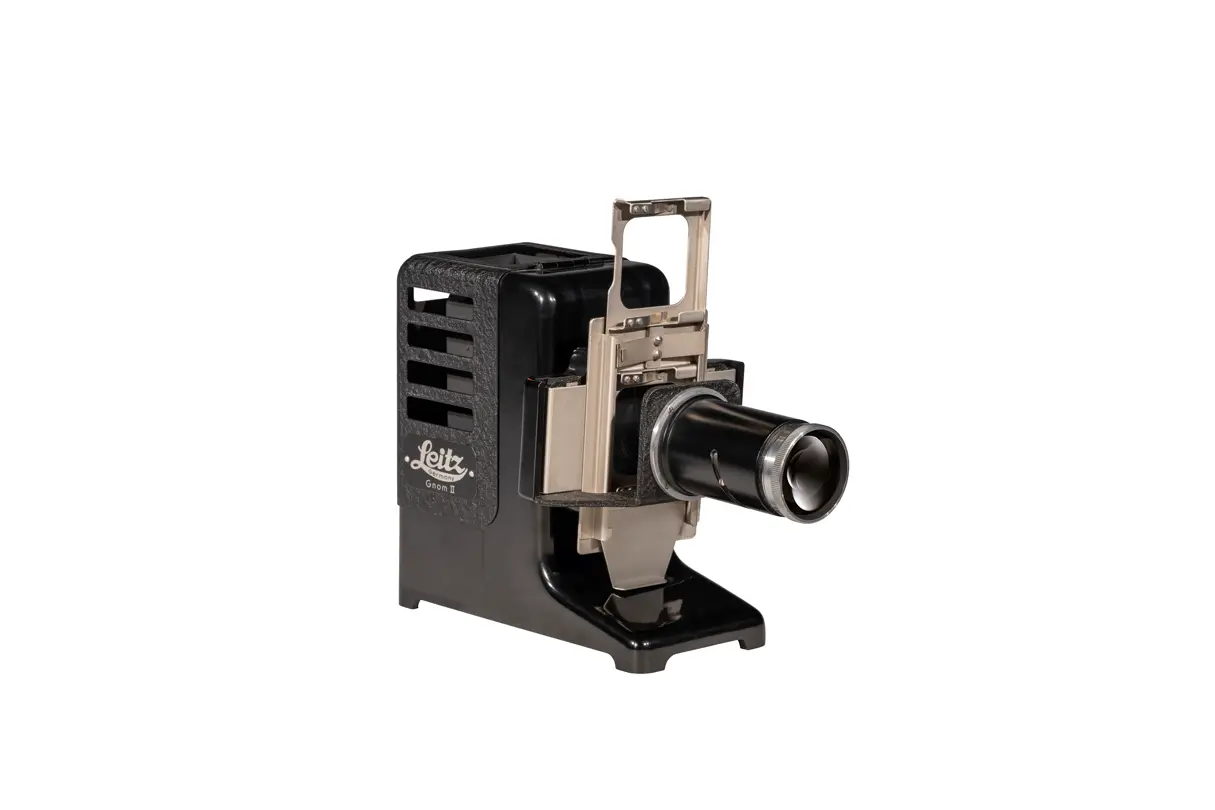
1936 GnomII Kleinbild Projektor
-
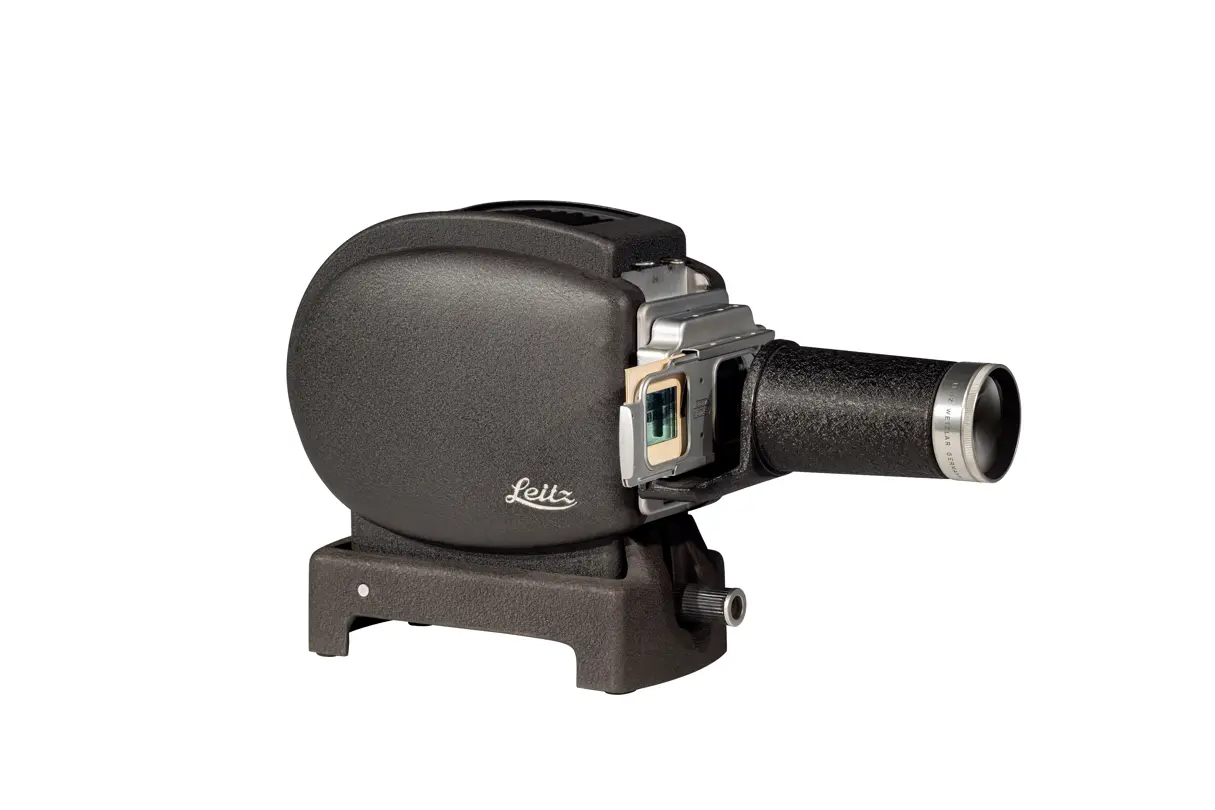
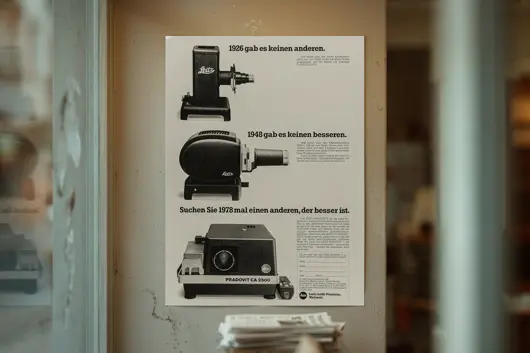
1948 Parvo250 Klein-Projektor
-
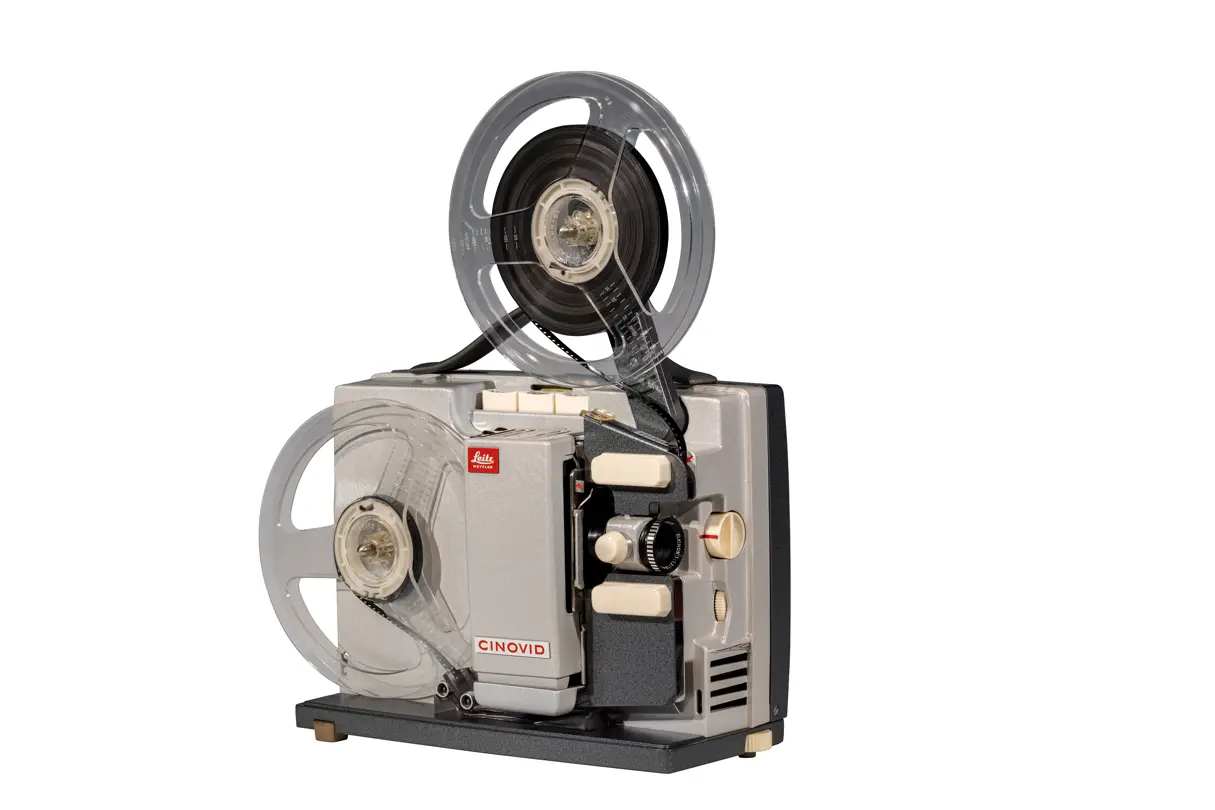
1961 Cinovid Filmprojektor Verbindung Leicina
-
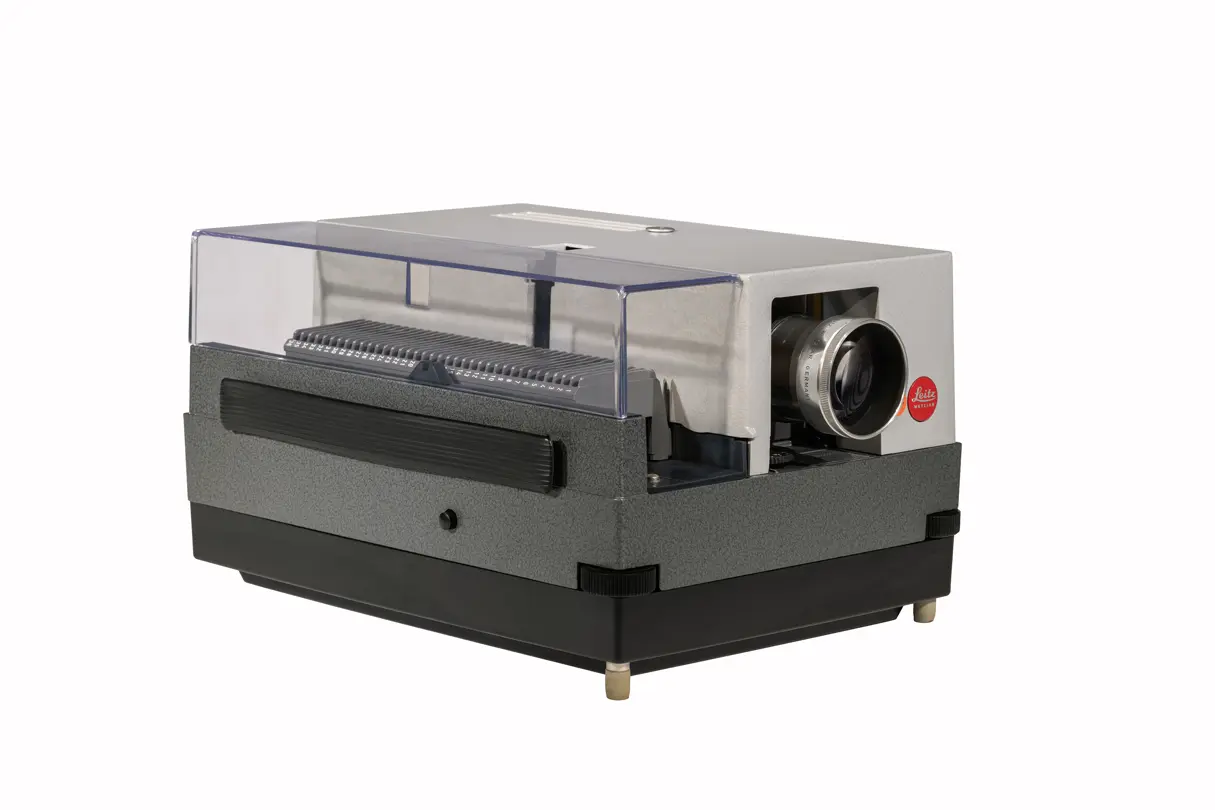
1966 Pradovit Color Kleinbild-Projektor
-
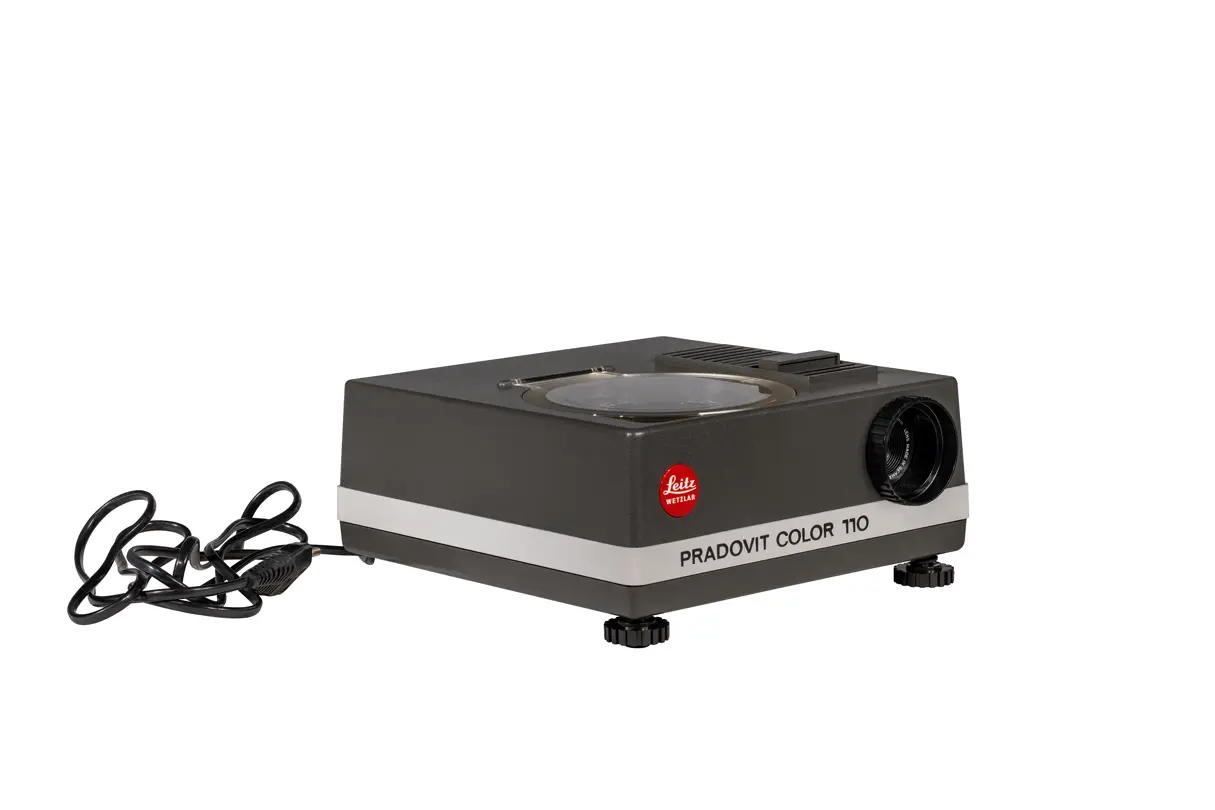
1974 Pradovit Color110 Kleinbild-Projektor
-
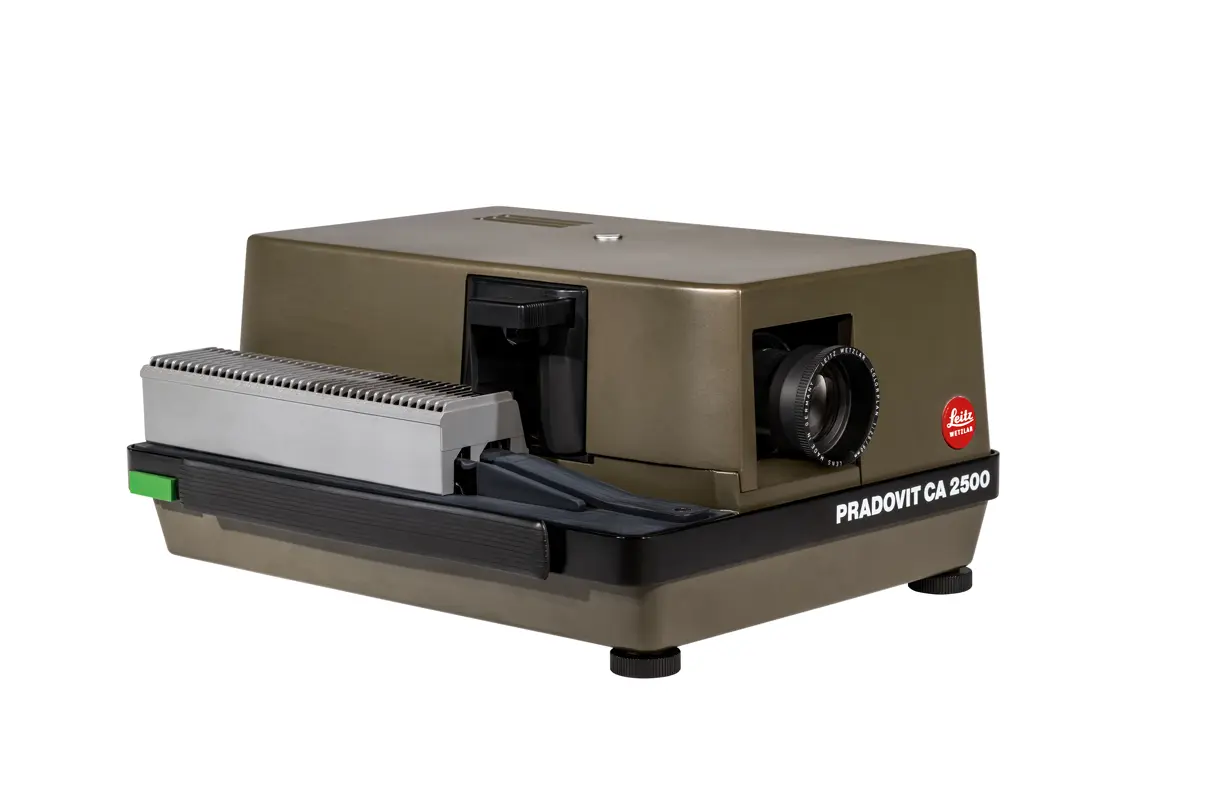
1978 Pradovit CA2500 Kleinbild-Projektor
-
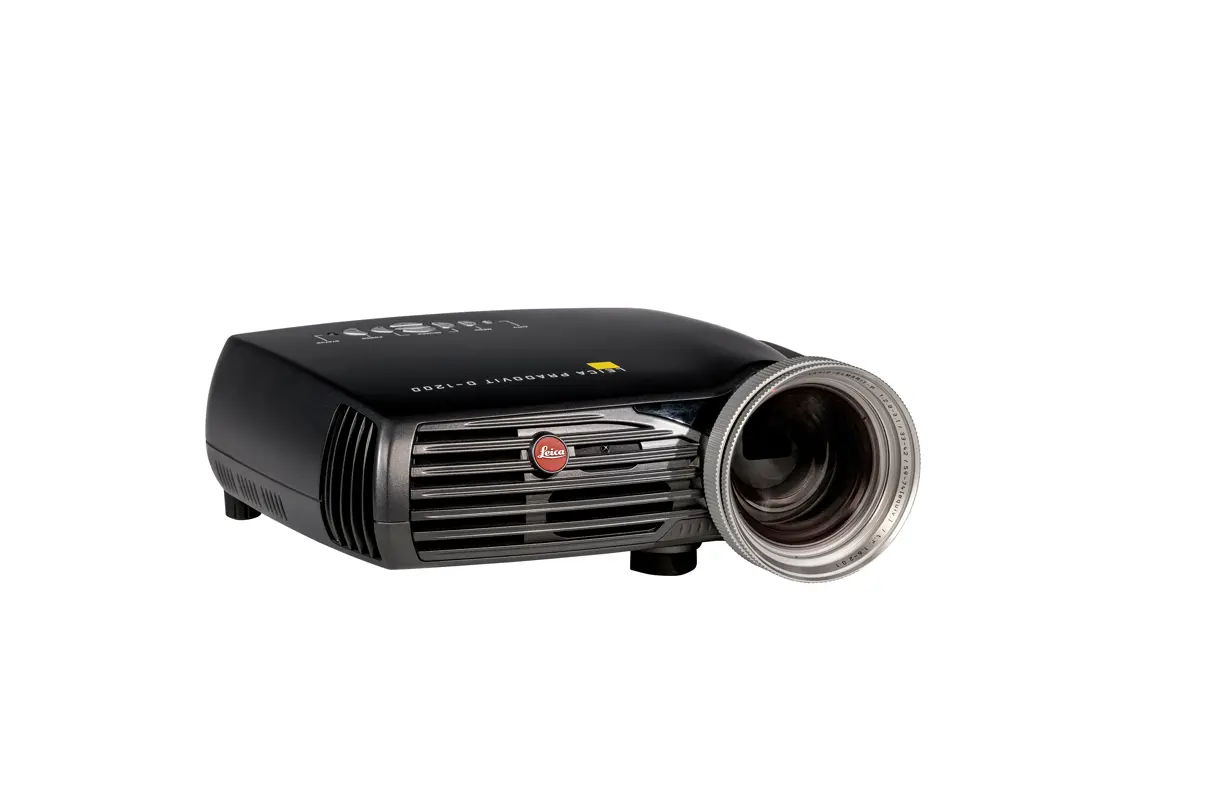
2008 Pradovit D 1200 Digitaler Projektor
-
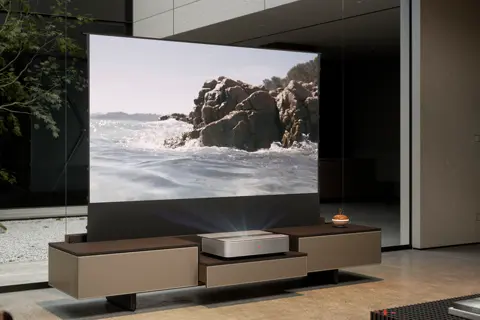
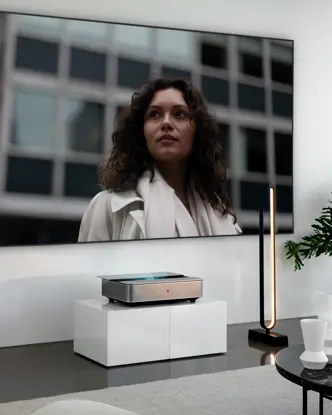
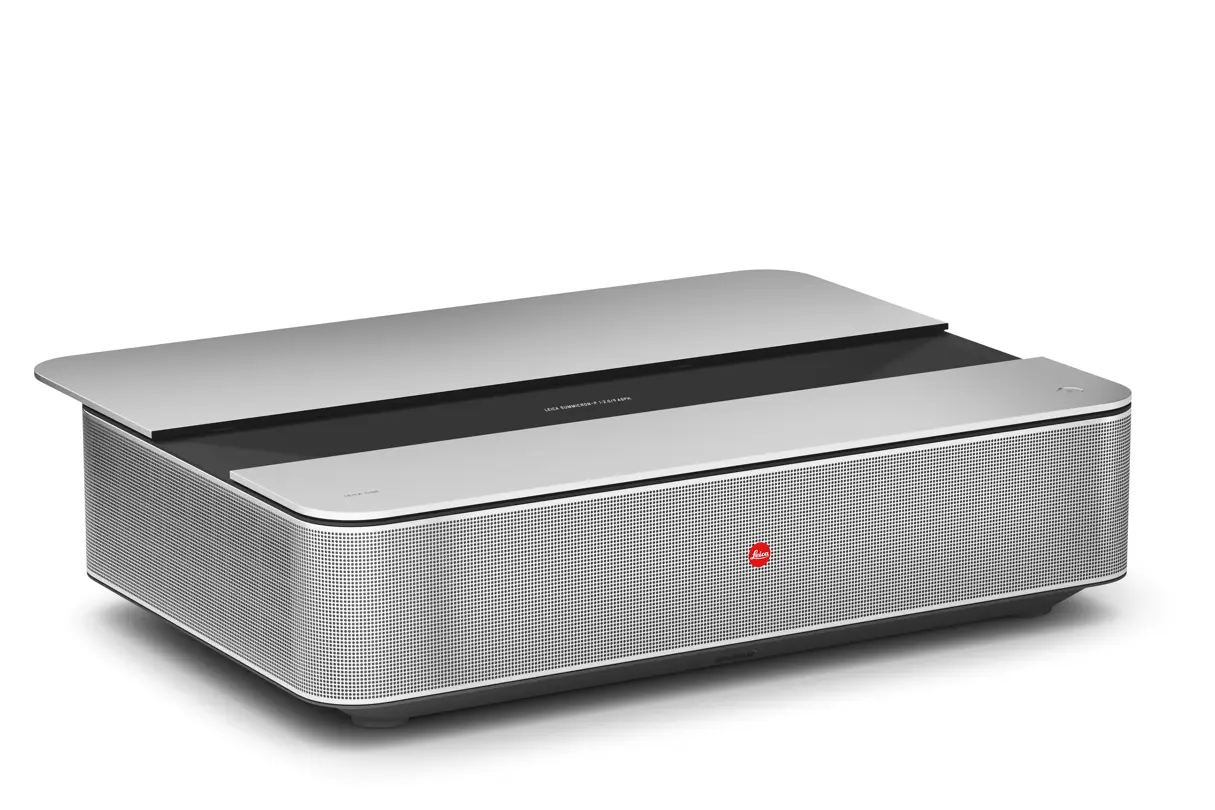
2022 Leica Cine1 Ultra Short Throw LaserTV
-
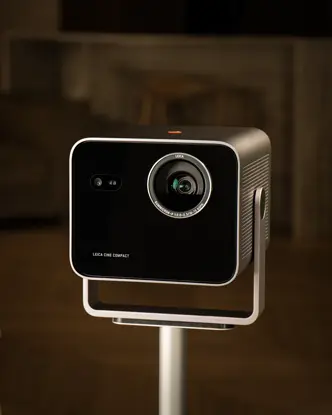
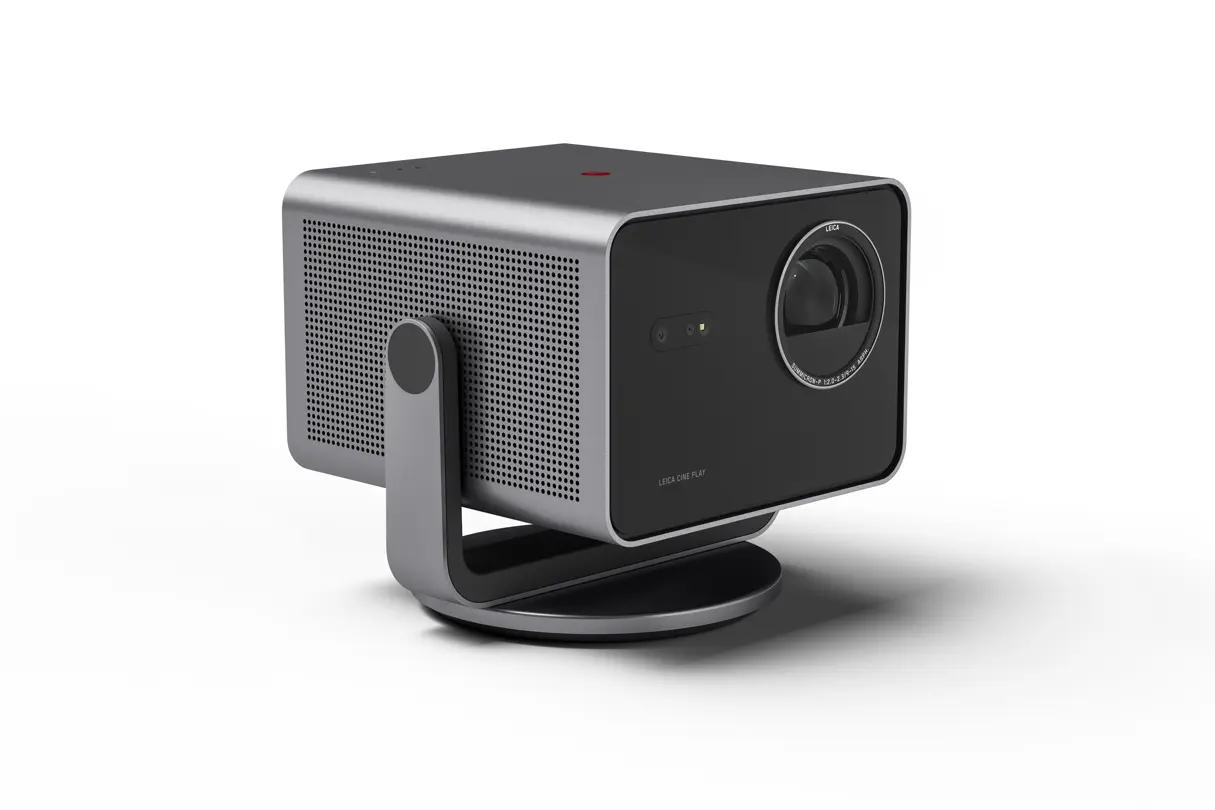
2025 Leica CinePlay Smart Mini-Projector


Over the decades, this philosophy was continually refined. In the years following 1945, the Prado series established reliable, optically sophisticated projectors for education, professional applications, and private use, for both film and slide projection. From the 1960s onwards, the Pradovit generation set new standards: greater ease of use, enhanced precision, automated processes, and lenses such as the legendary Colorplan, still renowned for its image quality today.
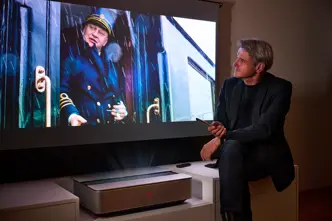
By the 1990s, analogue slide projection had reached its peak. In 2008, the Pradovit D-1200 marked Leica’s transition into the digital era. Since 2022, Leica has combined precision optics with advanced laser technology and intelligent image processing, realised in contemporary laser projectors such as the Leica Cine 1 and the Cine Play 1.
And through all change, one principle remains: The best image deserves the best projection.
From the Small Negative to the Large Image
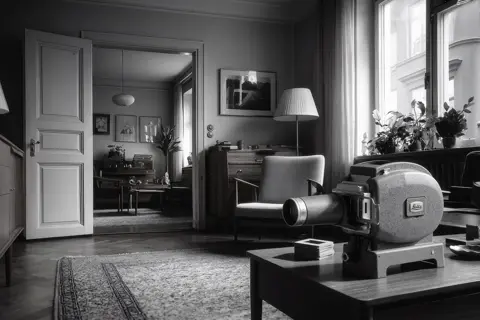
The story of Leica projection begins with an idea: images should not only be captured, but also shared. When Leica introduced the 35 mm format, many were initially skeptical – the negative seemed too small. It was projection that revealed its true potential. Devices such as the Uleja projector in the 1920s transformed finely detailed images into large, luminous projections that filled rooms and brought people together.
Long before the age of modern screens, the projection screen became a stage – a place where images could be viewed, experienced, and discussed. Projection created a sense of shared experience: in lecture halls, clubs, and living rooms alike.
Precision, Light, and Perfection
As expectations grew, Leica continuously refined its projectors. The Prado series stood for reliability and clarity of design. With the Pradovit generation, projection became more precise and more convenient: automatic magazine systems, improved illumination, and highly corrected lenses delivered brilliant, high-contrast images. The Colorplan lens, in particular, remains synonymous with exceptional quality. Slide by slide, a seamless visual narrative emerged, where the technology receded, and the image took centre stage. During this period, analogue projection reached a level of perfection that continues to impress today.

2008 Pradovit D 1200 Digitaler Projektor

1978 Pradovit CA2500 Kleinbild-Projektor
Reimagined: Projection in the Digital Age
With digitalisation, much has changed – including projection. Leica translated its expertise into new technologies, opening a new chapter with digital projectors. Today, the Leica Cine 1 and the Cine Play 1 represent a contemporary approach to projection: connected, flexible, and uncompromising in image quality. Cinema moves into the home – or wherever you choose. The form and the technology have evolved. The idea remains.
In the end, one truth remains:
The best image deserves the best projection.