Human-Elephant Conflict in Sri Lanka
How Sri Lanka Is Dealing with a Long-Standing Conflict Between Two Species
When I talk about the conflict between humans and elephants, very few people know what I mean. As human settlements and cities have spread into former forests, wetlands and unspoilt countryside, these wild giants have lost their habitat and vital resources. It is this that triggers the conflict: the two species come into contact with one another and a battle ensues.
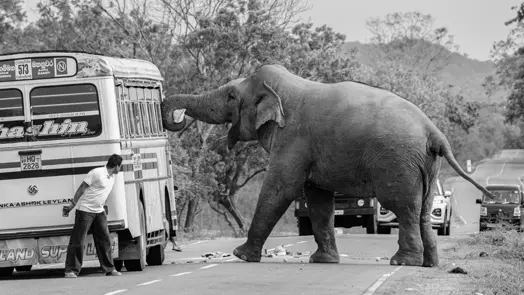

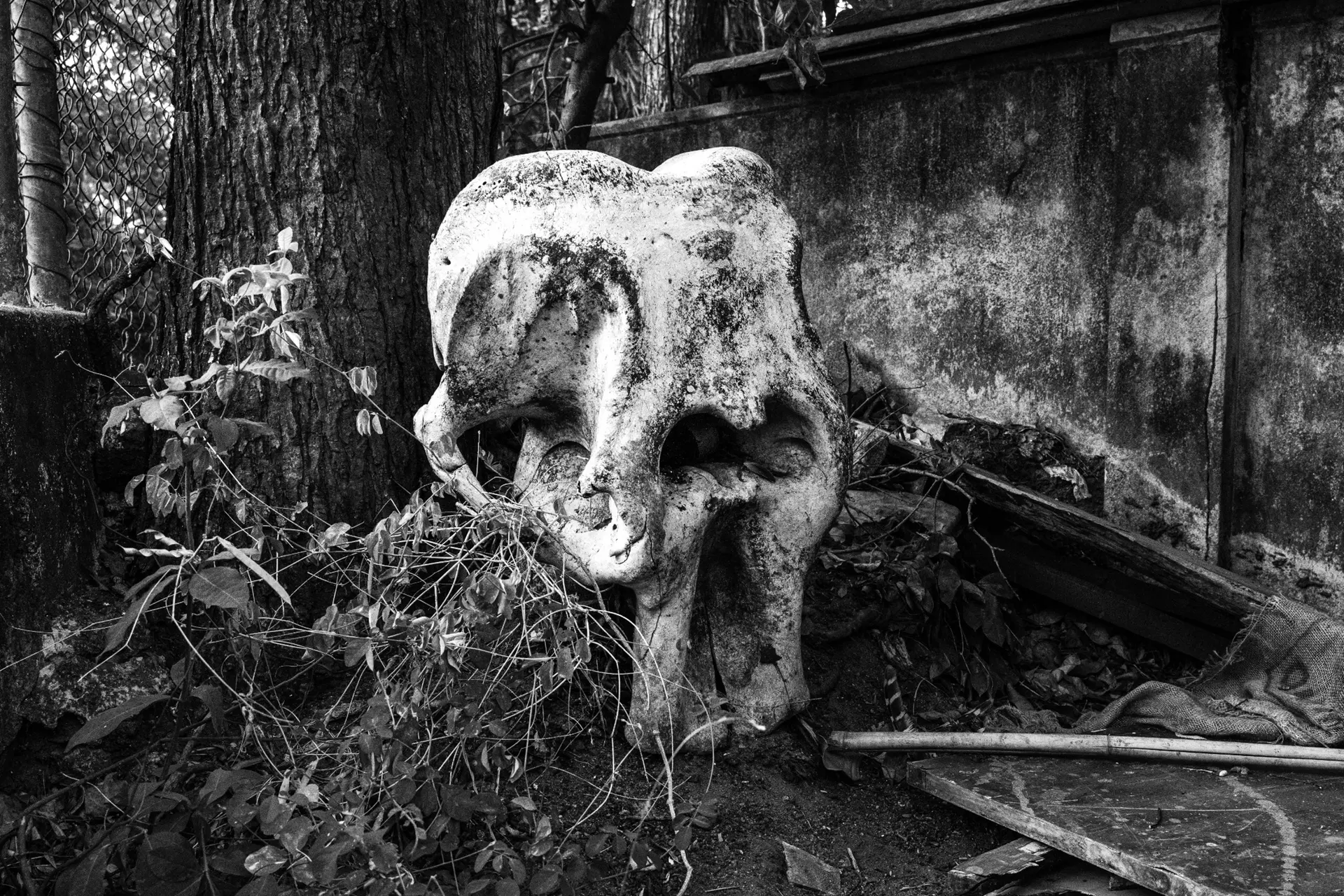
My interest in the conflict between humans and elephants began four years ago when I encountered a ten-month-old elephant. The calf had been injured by an explosive device designed specifically to kill it. I still remember that moment very clearly. Seeing the consequences of the conflict embodied in a single animal made me realise that this would be a central theme of my future career. I realised then that I would continue to document this subject through photography in the years to come, in order to better understand its complex dynamics.
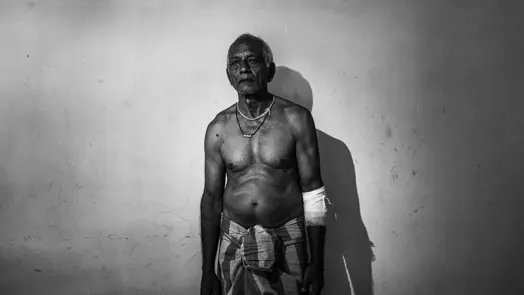
Since then, the project has taken me all over Sri Lanka. I have witnessed situations that have revealed the many different forms this conflict can take. I have spent time with rural communities, farmers and families, and observed elephants migrating through corridors increasingly affected by human activity. Initially, my interest in this story was primarily driven by a desire to understand what actually brings humans and elephants into conflict with one another. However, the more I worked on it, the more the project evolved into a comprehensive investigation of the relationship between the two species.
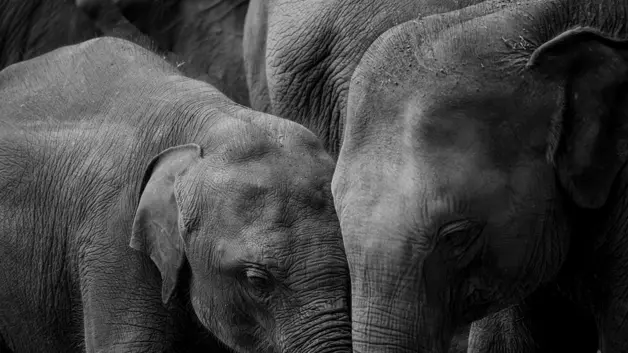
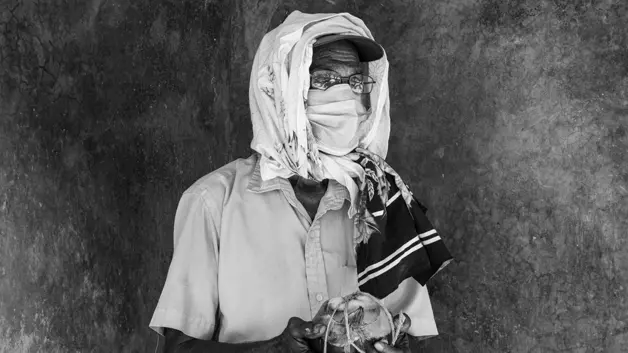
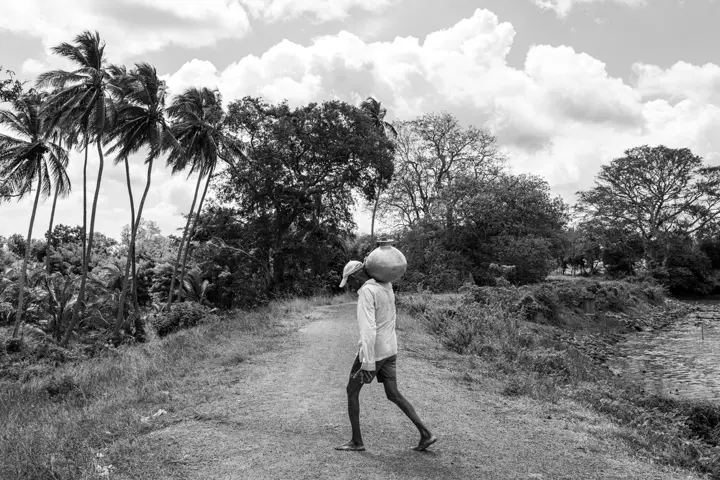
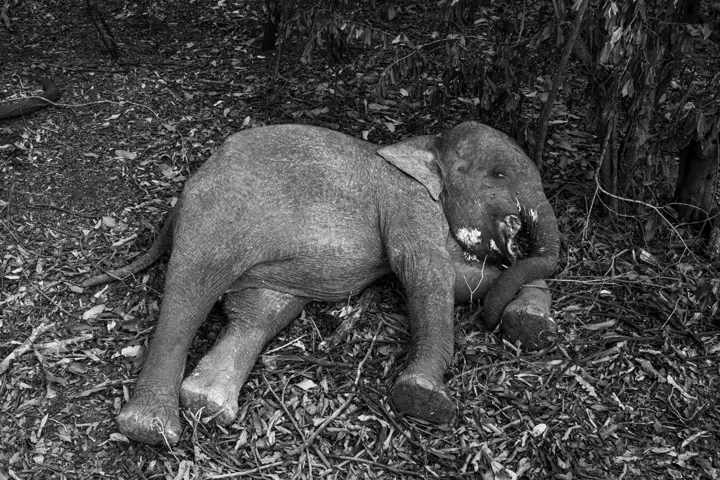
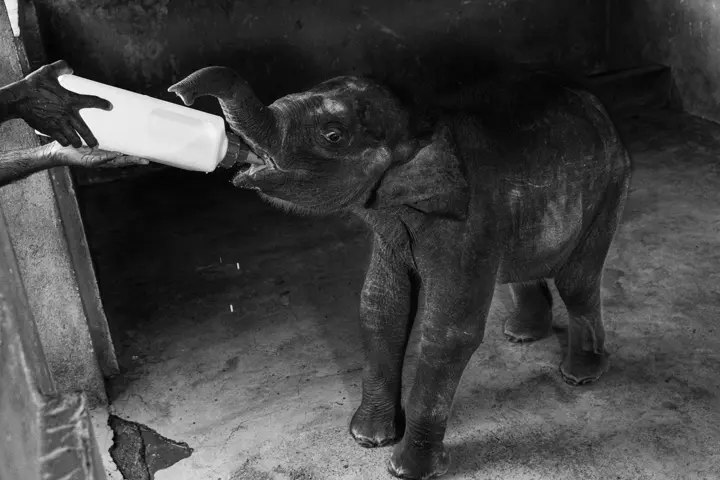
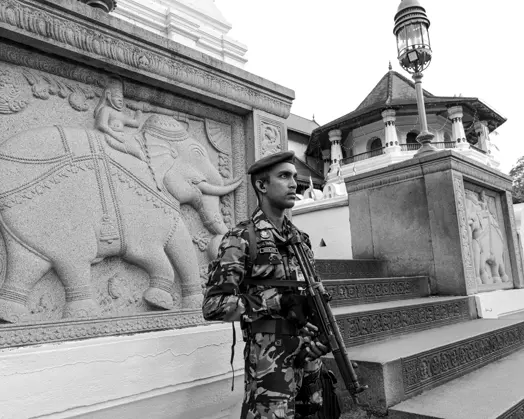
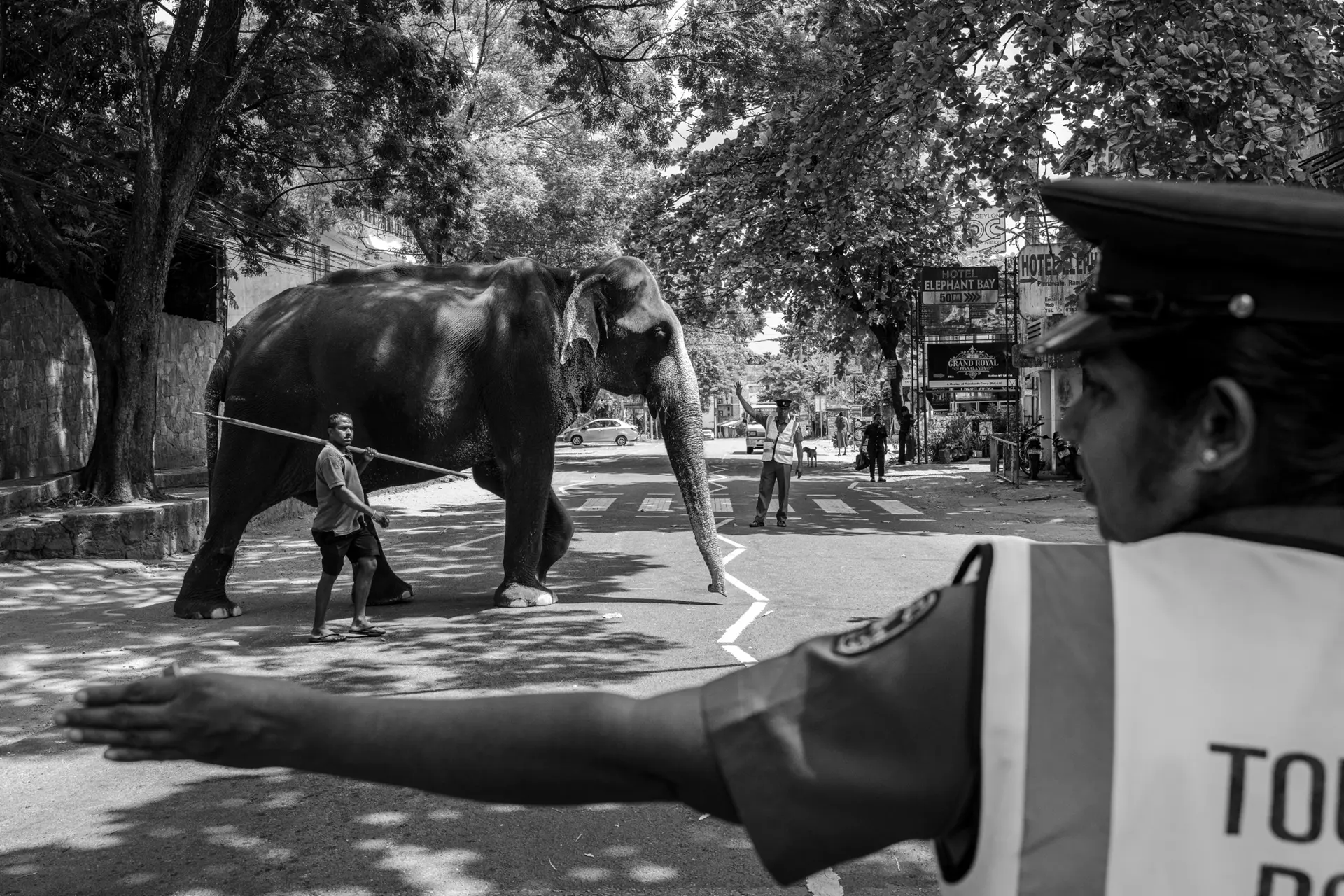
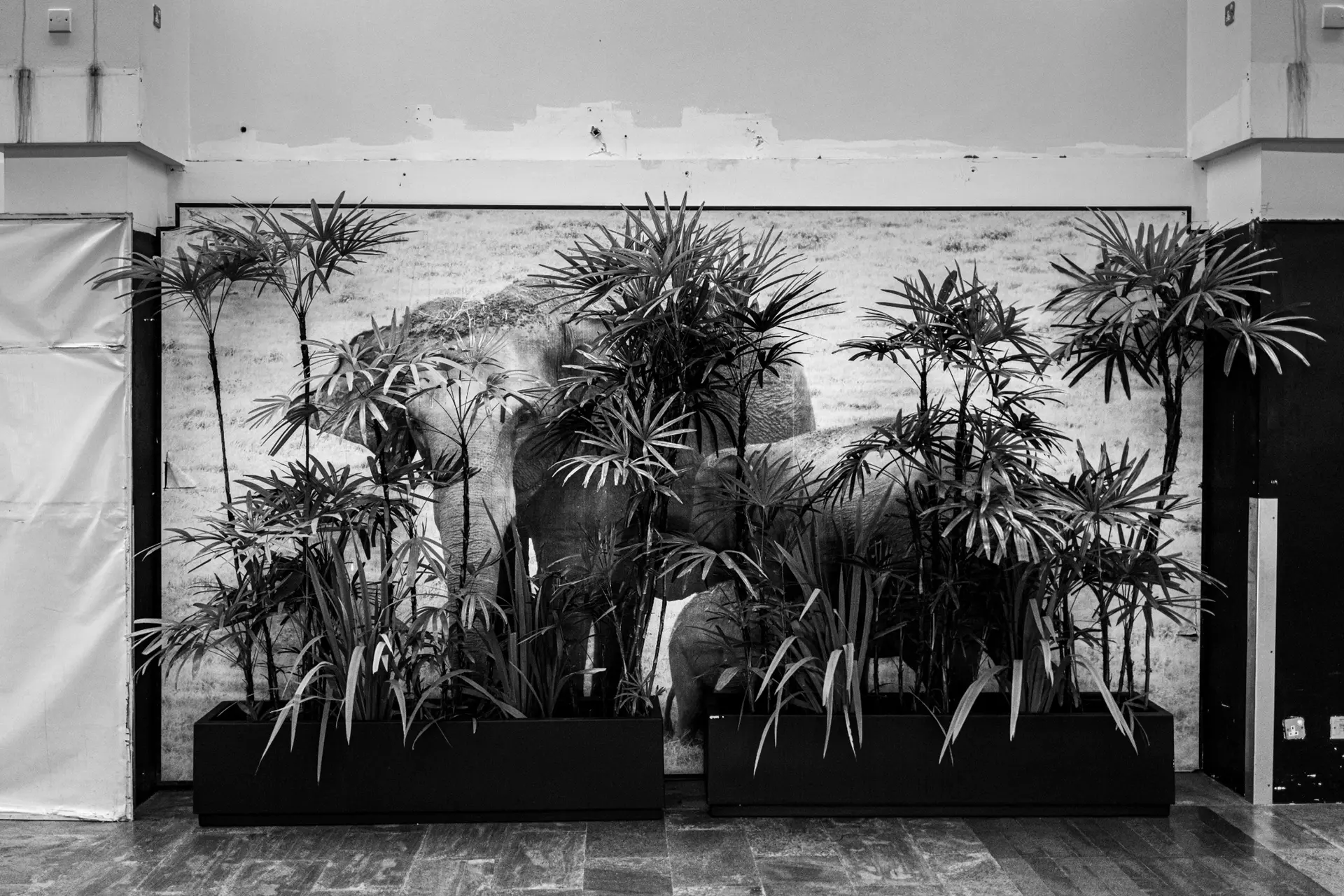
What particularly impressed me was the extraordinary bond between the people of Sri Lanka and elephants. This animal has been revered for centuries and features in religious and cultural traditions, being deeply rooted in everyday life. Depictions of elephants can be found everywhere, particularly in people’s homes. However, over the past two decades, as human settlements have spread, this relationship has turned into an open conflict, albeit not without contradictions.
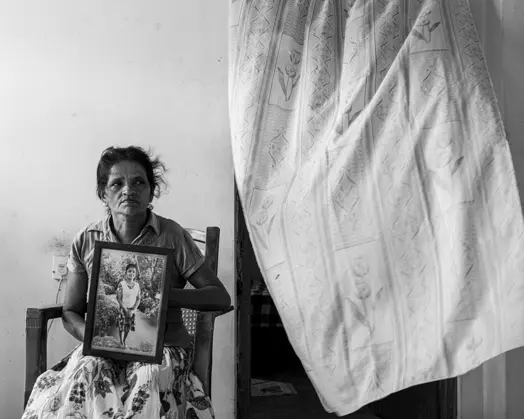
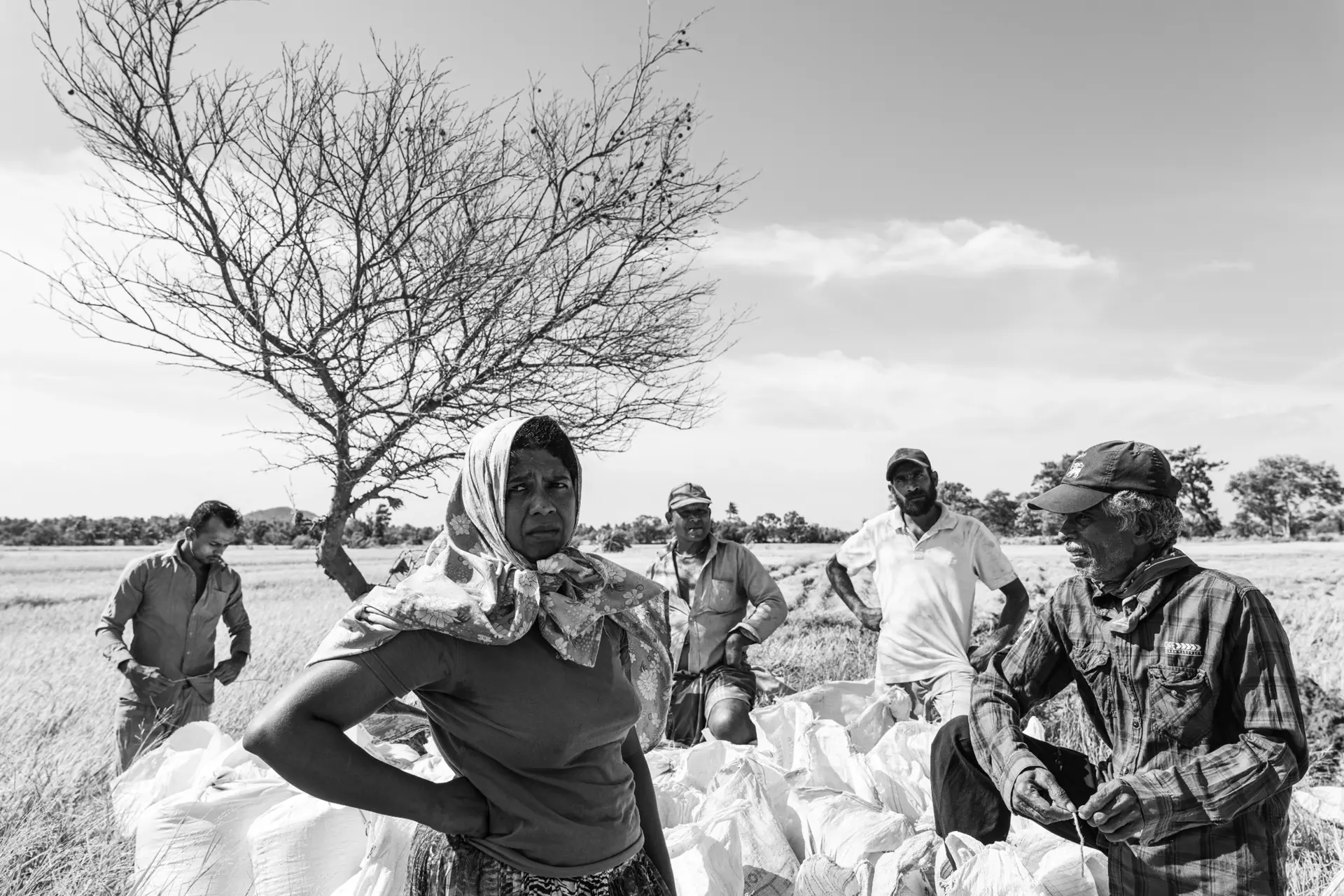
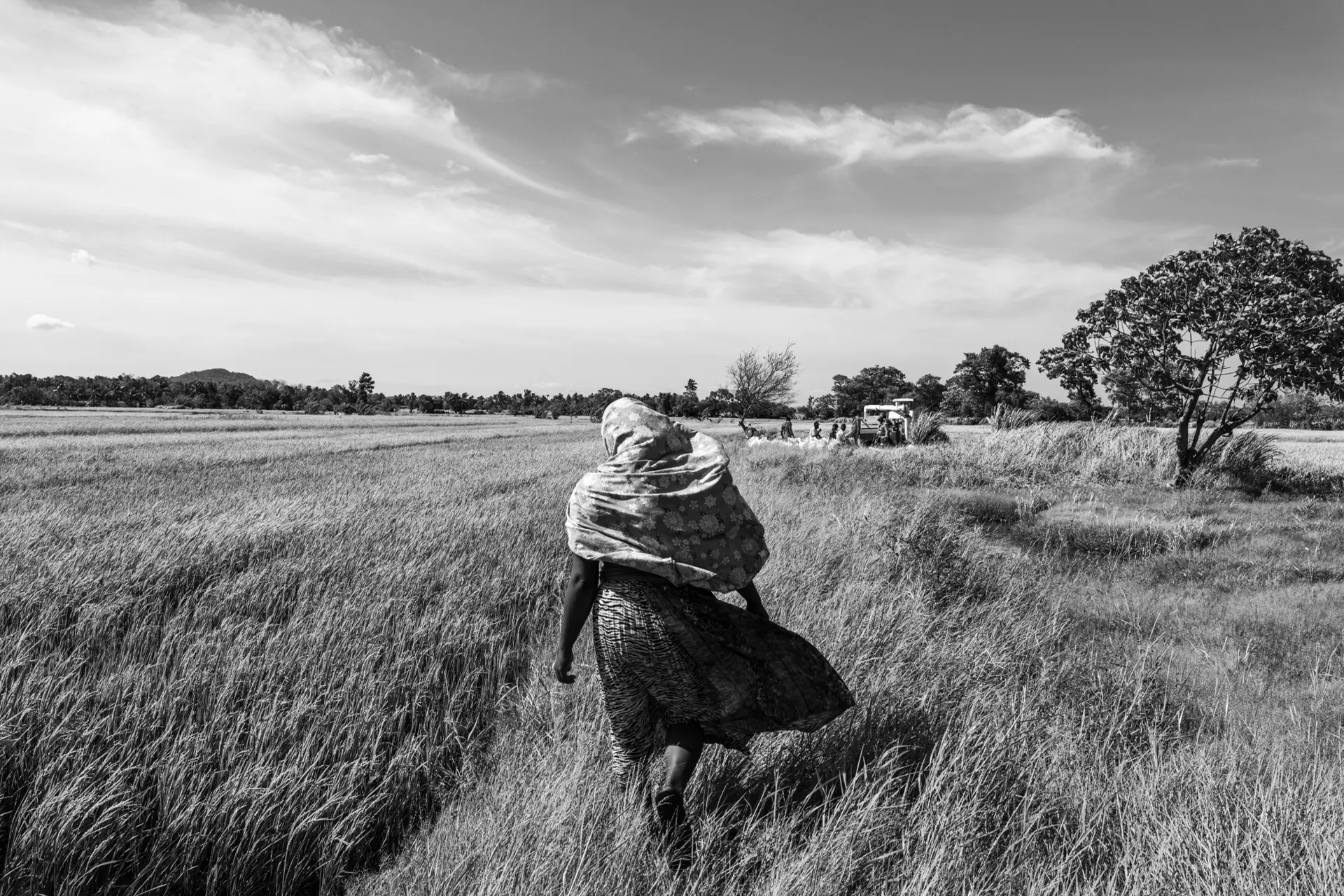
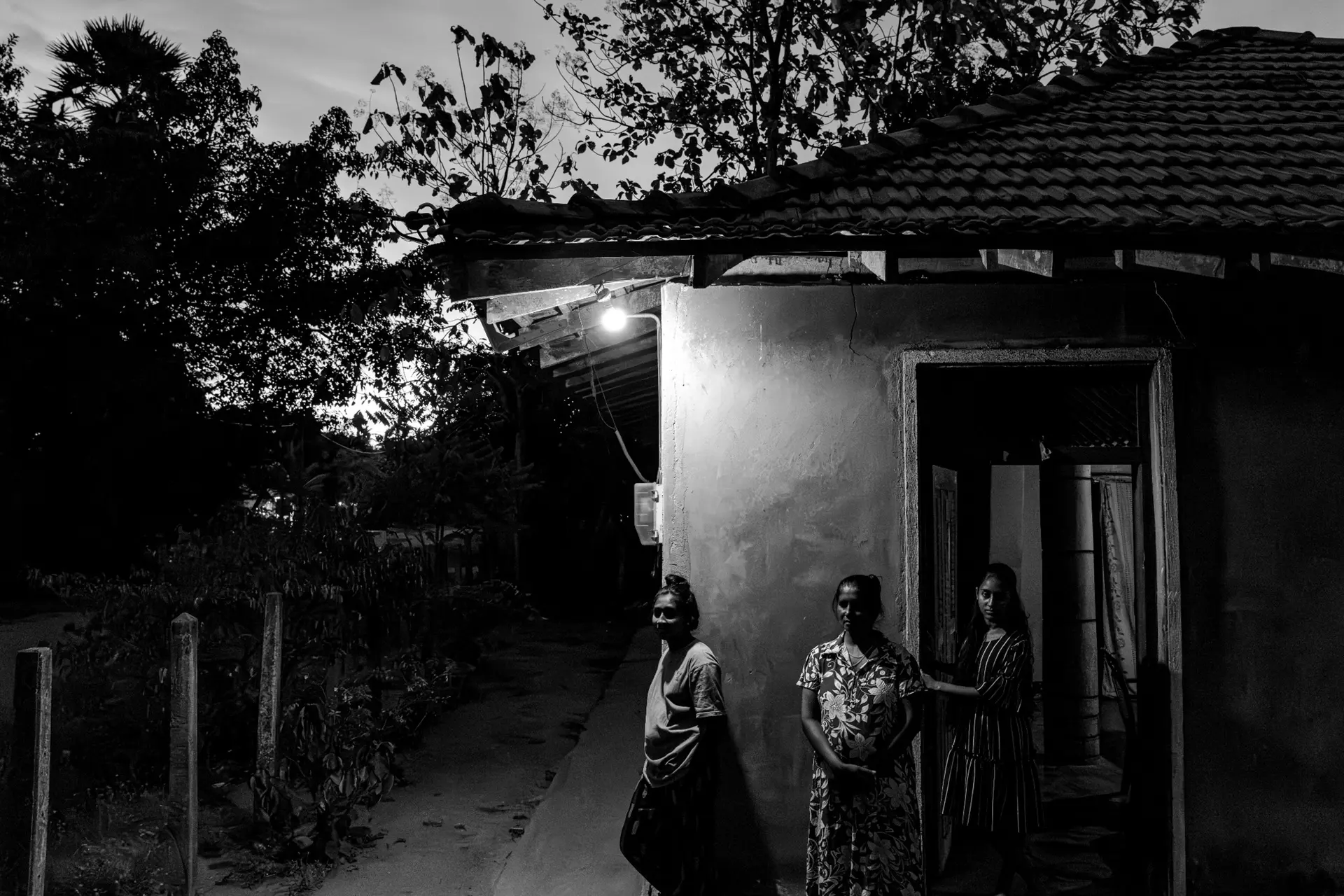
I met farmers who had lost a whole year’s harvest to night-time raids by elephants yet still refused to blame the animals. I met families who had lost loved ones in this conflict, yet they still revere these animals with respect and affection. To be honest, I am still trying to understand how these two realities can coexist. One thing, however, is very clear to me: in Sri Lanka, the lives of humans and elephants are inextricably linked.
As I continued working on the project, I also began noticing reports in the international media about similar conflicts in other parts of the world with increasing frequency. Although the species, countries and circumstances are all different, the underlying dynamics are the same.
Human societies are claiming more and more land, which leads to the land being altered and parcelled in the process. Meanwhile, wild animals depend on these very habitats to find food, water and space to live. Sri Lanka is one of the places where this pressure has become particularly acute. The issue of food illustrates the clash between the needs of humans and elephants particularly clearly.
Federico Borrella
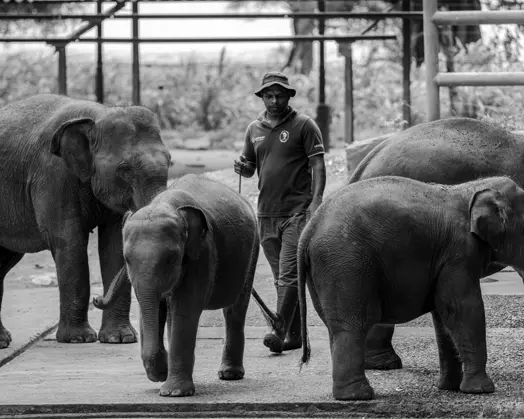
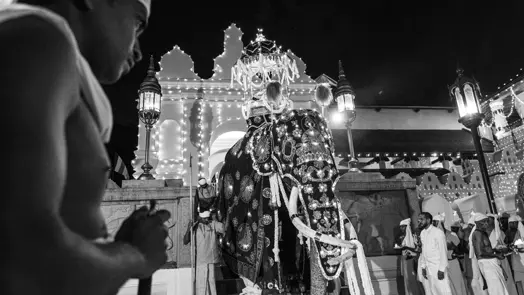
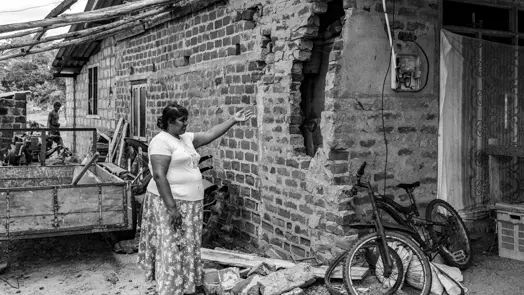
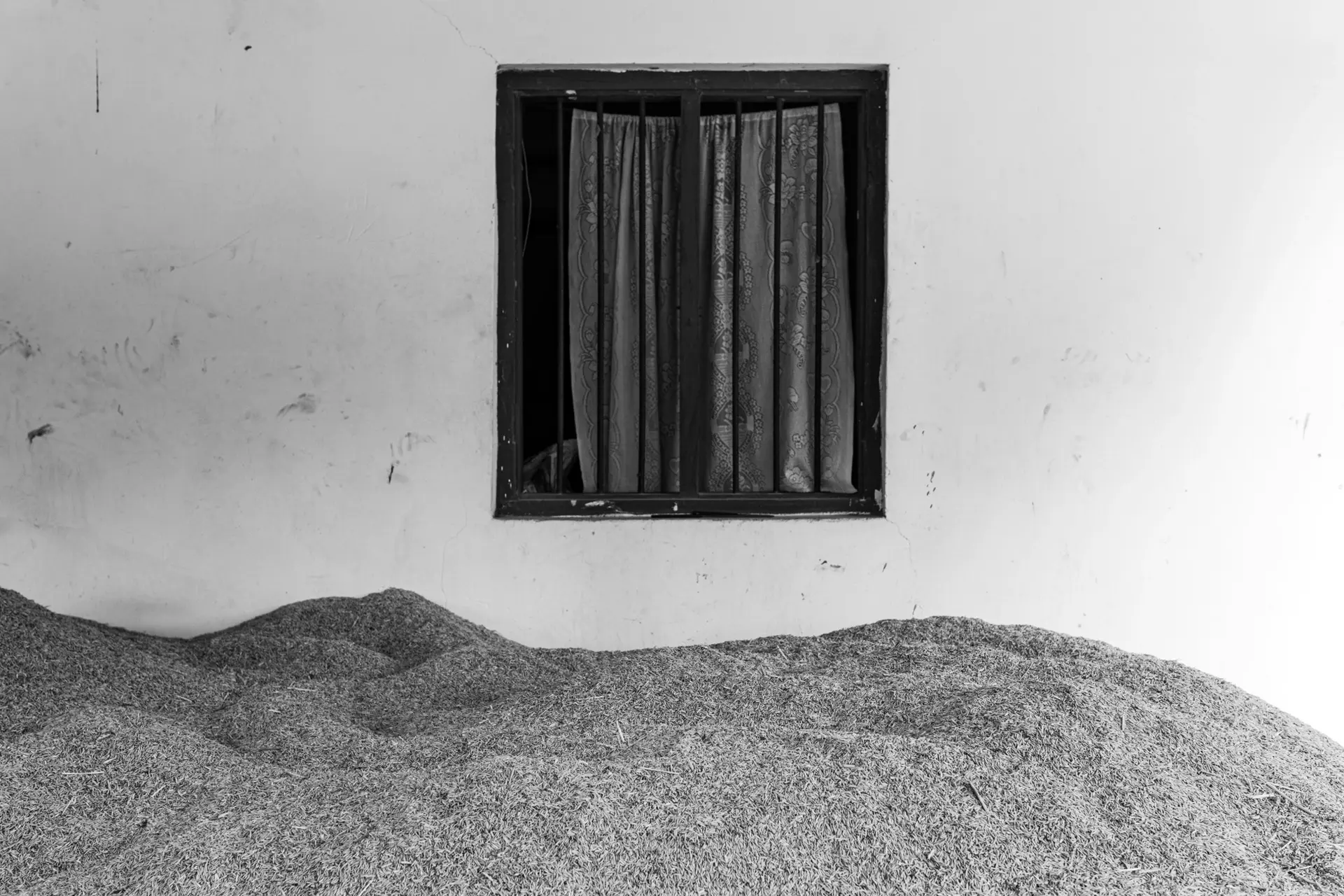
People alter landscapes in order to farm them and produce food for their families and communities. In turn, elephants roam these same landscapes in search of the food they need to survive. Therefore, a cultivated field can represent months of work, income and security for a family, while also being a rich, easily accessible source of food for an elephant.
Federico Borrella
Federico Borella’s Experiences with the Leica SL3-P
For this project, I used the Leica SL3-P with three lenses.
The Summicron-SL 35 f/2 ASPH. proved to be particularly useful thanks to its exceptional image quality. It enabled me to get close to people and be right in the thick of the action. With a fixed focal length, I can make deliberate decisions about distance and composition. When it comes to documentary reportage photography, I prefer this approach.
The Vario-Elmarit-SL 24–70 f/2.8 ASPH. was the most versatile lens in my kit. Its focal length range enabled me to swiftly switch between taking portraits, capturing action scenes and snapping wider shots of the surroundings, eliminating the need for constant lens changes. The f/2.8 lens speed was especially helpful when working in low light or under rapidly changing lighting conditions.
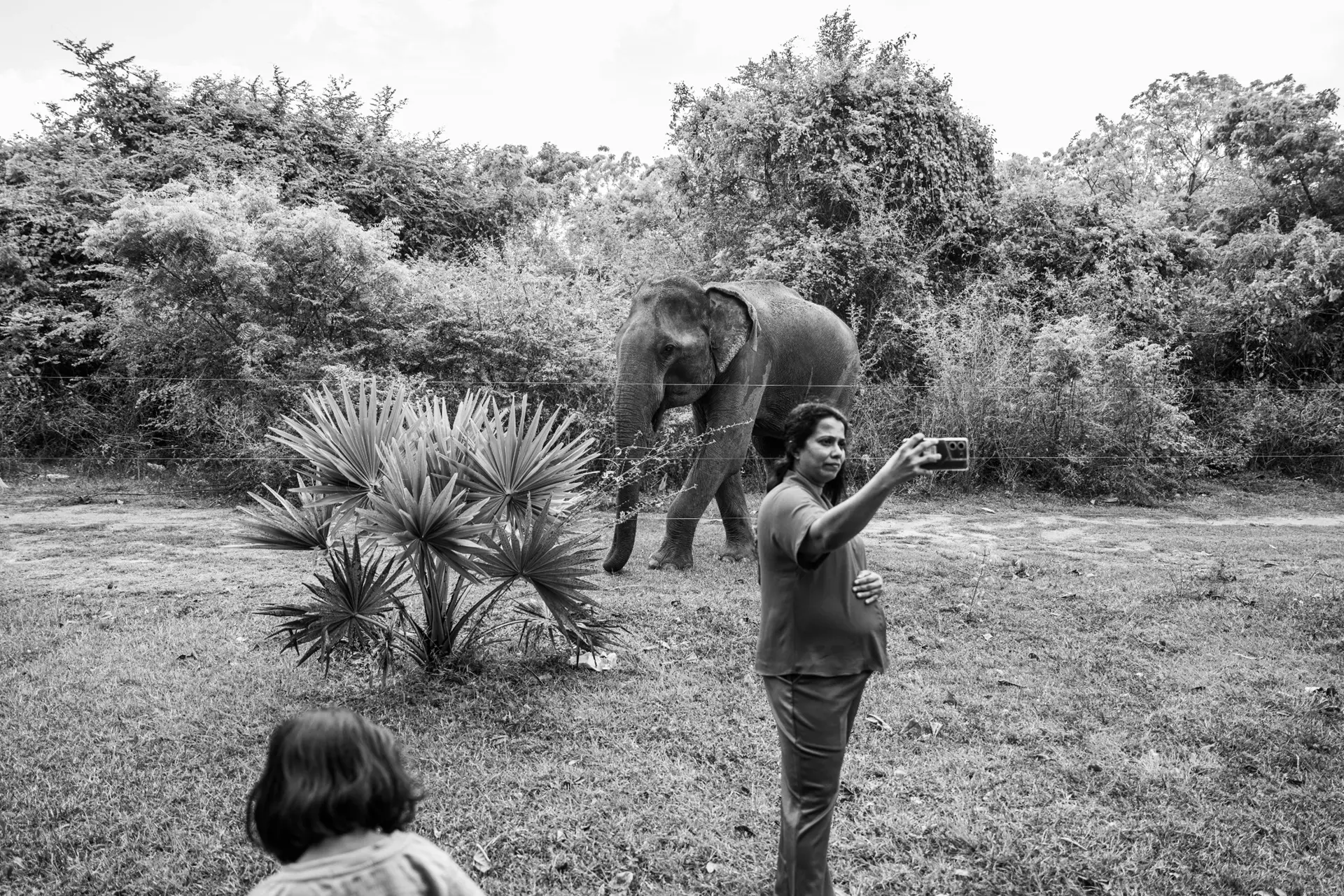
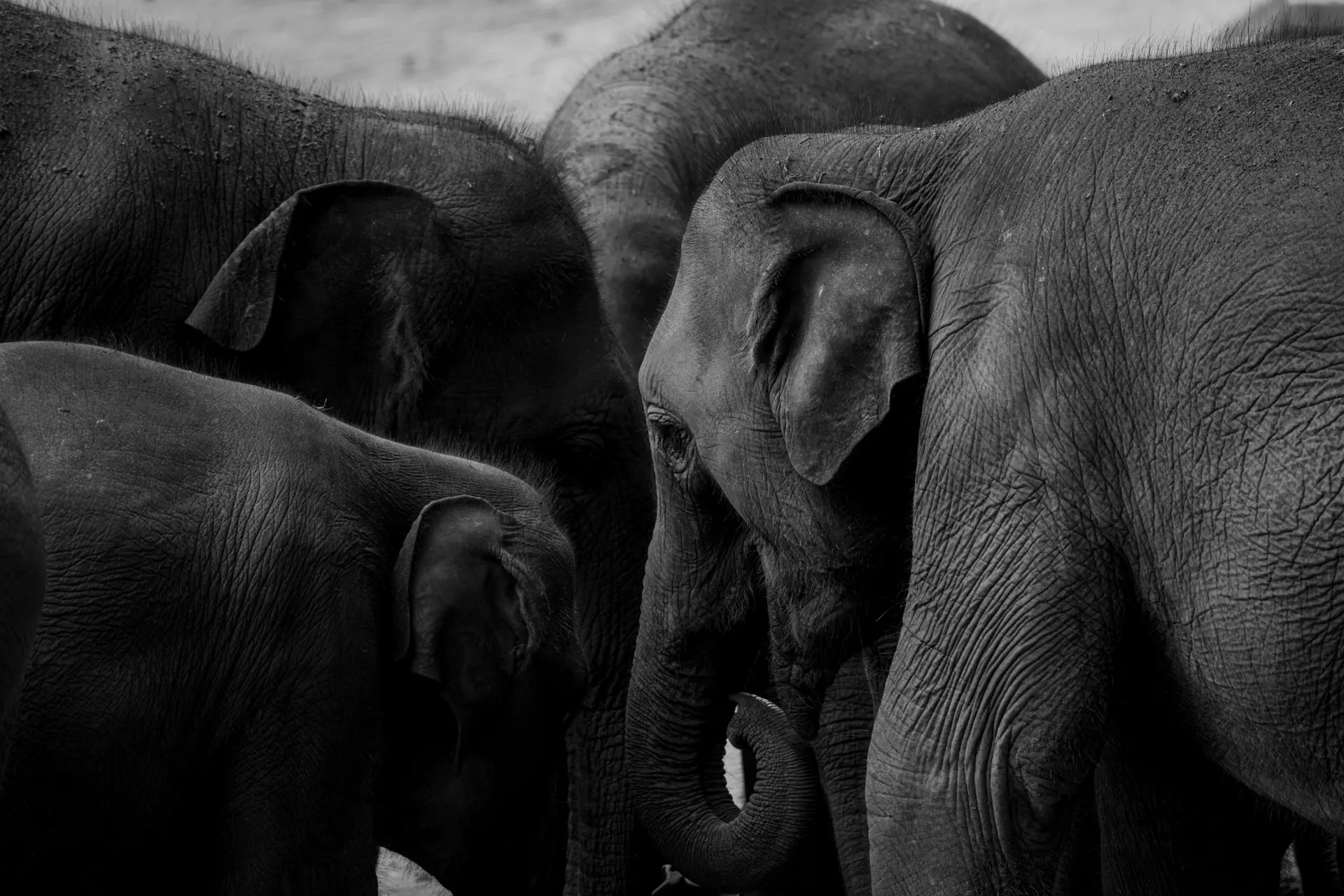
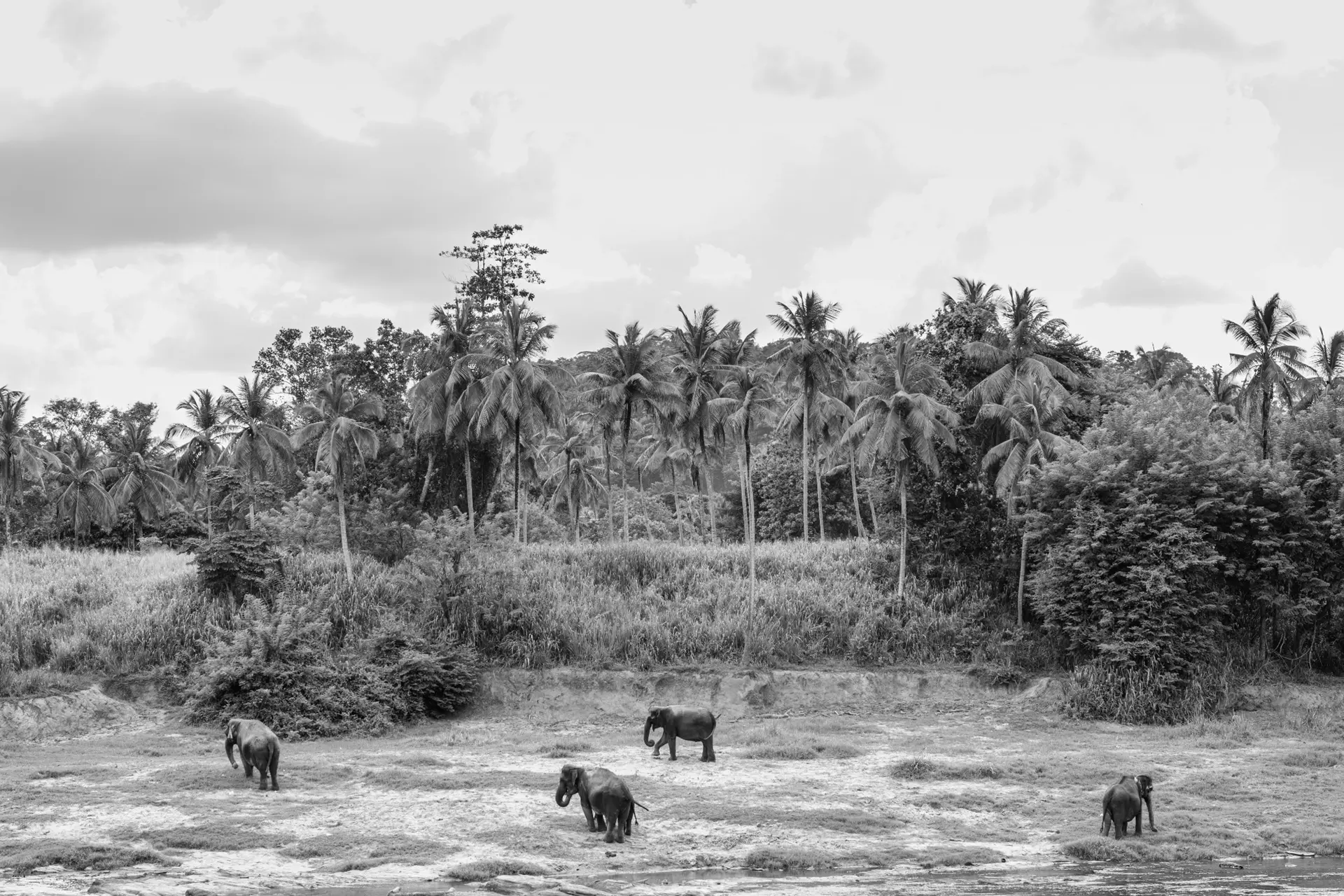
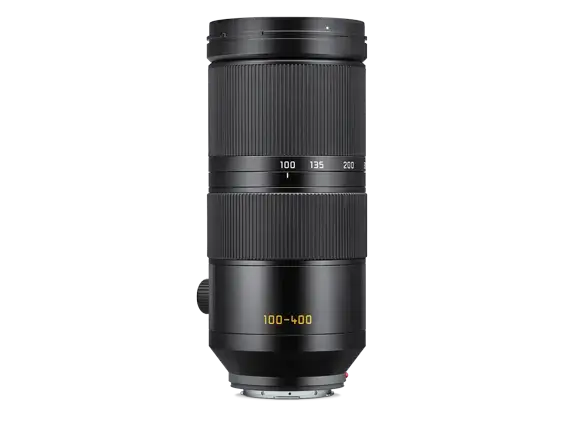
The Vario-Elmar-SL 100–400 f/5–6.3 lens was invaluable in certain situations, especially when photographing wild elephants. It is crucial to keep a distance, both for safety reasons and to prevent the animals’ behaviour from being influenced. On several occasions, this allowed me to take photographs that would otherwise have been impossible. I could also switch within seconds from wide landscape shots to precise shots of individual details and gestures.



About Federico
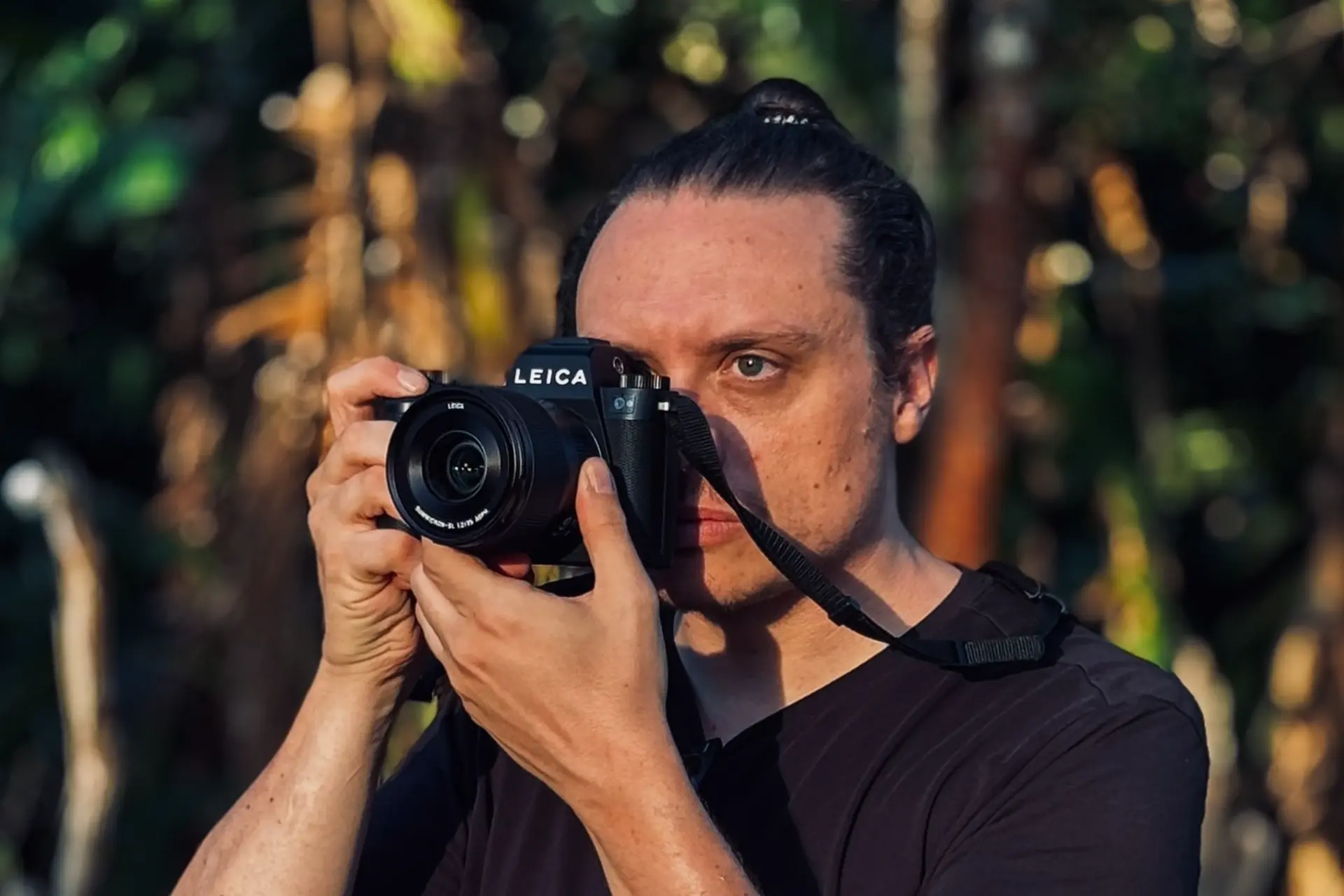
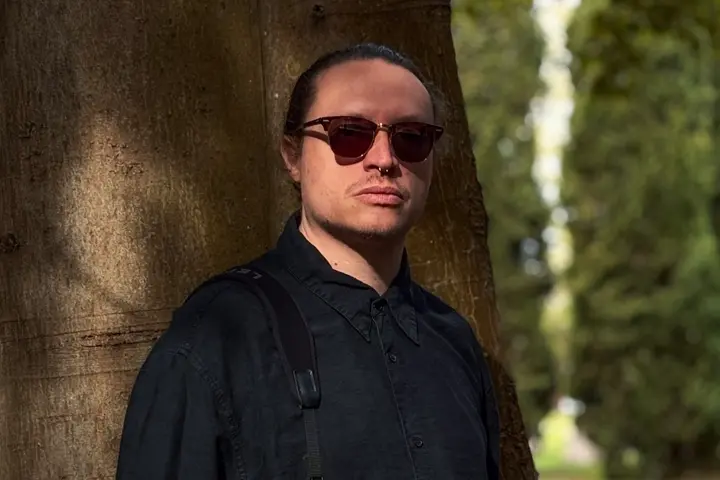
Federico Borella is an Italian freelance photojournalist and documentary photographer who is based in Bologna. He specialises in social and environmental issues, particularly the relationship between people and nature. His photographs have been published internationally by media outlets like The New York Times, National Geographic, Newsweek, Time, Stern and CNN.
In 2019, he was named Photographer of the Year at the Sony World Photography Awards. His project Human Elephant Conflict won the Environment Prize at Pictures of the Year International in 2024.