Imagining the future or reminiscing, ultimately, it all boils down to the present moment, to who we are now.
The present is the starting point of everything. Japanese photographer Daisuke Abe, in collaboration with Leica, curated the photography exhibition "The Present Shapes the Past", guiding viewers through two major series, "Shape" and "Vague", which explore the subtle relationships between light, form, time, and existence, bridging the gap between reality and abstraction.
"The past and the future do not exist; only this moment is real." This simple yet profound statement encapsulates the core concept of photographer Daisuke Abe's work.
He believes that the past is gone, the future has not arrived, and only the "now" is truly present. The past becomes the past because we give it meaning in the "present moment,” and this instant is the most important theme in his work.
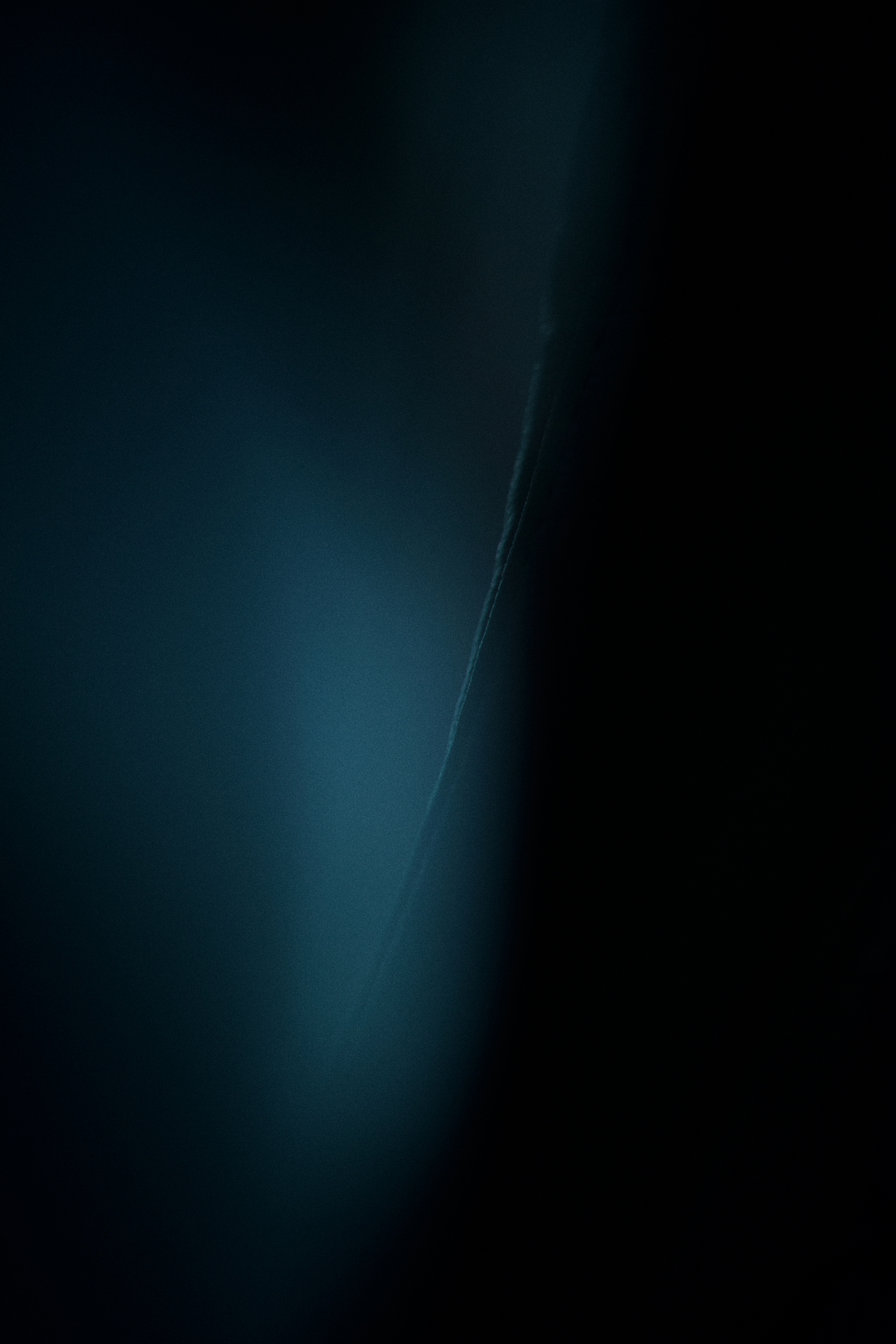
The "Vague" Series – Beauty Exists in Everything
No matter what it is, beauty must exist within it. This is an attempt to discover perspectives invisible to the naked eye.
No two ways of seeing are the same. Everything has equal value and its own unique beauty.
— Daisuke Abe's core concept for the "Vague" series.
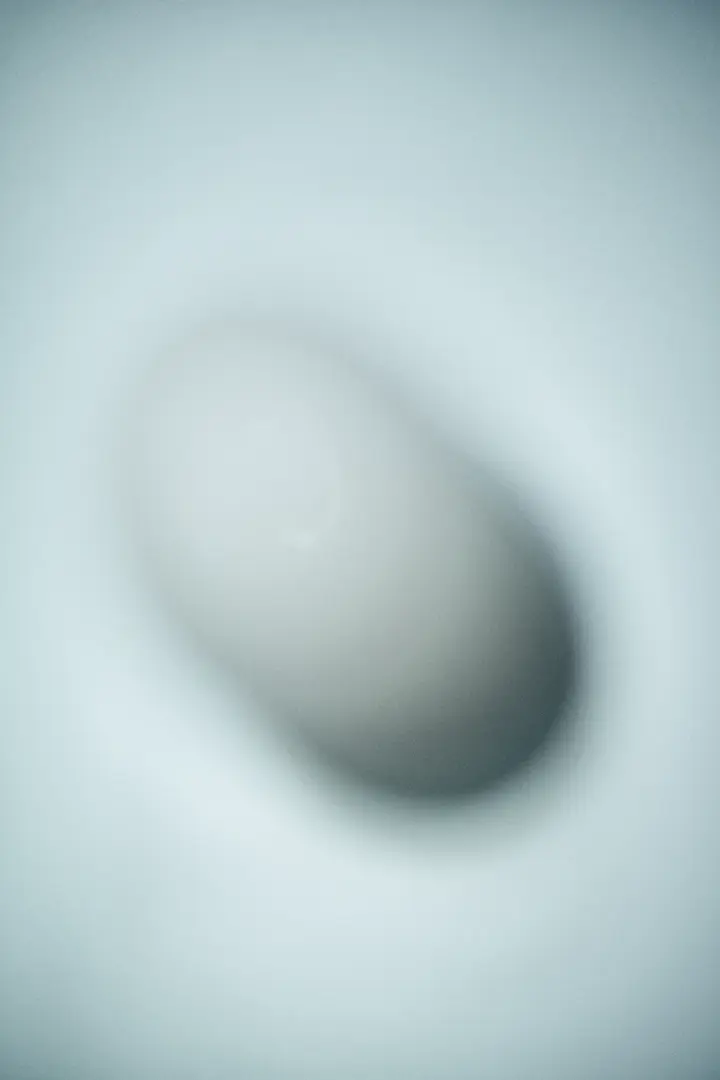
"Before shooting, I couldn't predict what the image would look like. It's only when the shutter is pressed that the image is truly born." In this series, the images are blurry yet full of energy, lacking a clear subject, yet evoking the viewer's imagination of the "unknown."
Daisuke Abe
Compared to the representational composition of "Shape", the "Vague" series goes further into abstraction. While the"Shape" series aimed to translate the shapes seen by the eye into images, the "Vague" series seeks shapes invisible to the naked eye within images. From the perspective of "shape," the two may have similarities, but the goal of the "Vague" series is to generate blurred images where the subject is difficult to discern. If Shape is about cutting out shapes from reality, then "Vague" might be an attempt to reconstruct and distort reality.
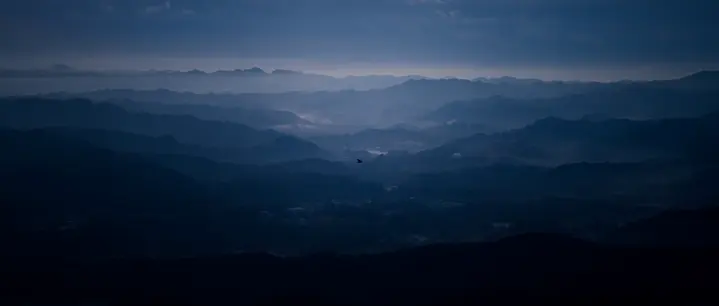
The "Shape" Series—Pure "Form."
What it is, where it is, is not important. Beautiful forms are what I want to see.
Without context or story, without trying to resonate with anyone's feelings, it simply exists as an image display of shapes.
— Daisuke Abe's core concept for the "Shape" series.
Daisuke Abe attempts to capture tangible forms with an abstract quality that defies easy labeling. His work deliberately blurs the recognizability of objects, using photography to present visual forms that are difficult to define precisely. Abe doesn't view photography as a tool for recording concrete things, but rather as a means to pursue never-before-seen images—viewing them from his own perspective. Therefore, the selection of works is based more on "visual appeal" than on documentary judgments like "this is a photograph of so-and-so."
This concept aligns with the approach of his "Vague" series: Both are fundamentally similar, seeking new visual value and expressions beyond existing knowledge and object classification.
Pure Observation, Emotionless Photography
Whether in "Shape" or "Vague", Daisuke Abe chooses to exclude the intervention of emotion.
"Images can indeed convey joy or sorrow, but my work is devoid of emotion. I hope that viewers, when appreciating it, can detach themselves from perception, unaffected by emotion, and purely observe the beauty of the visual."
He believes that human perception of things mostly comes from past experiences and memories, but true creation should transcend existing understanding to "see the unseen." This is also the core concept of the "Vague" series.
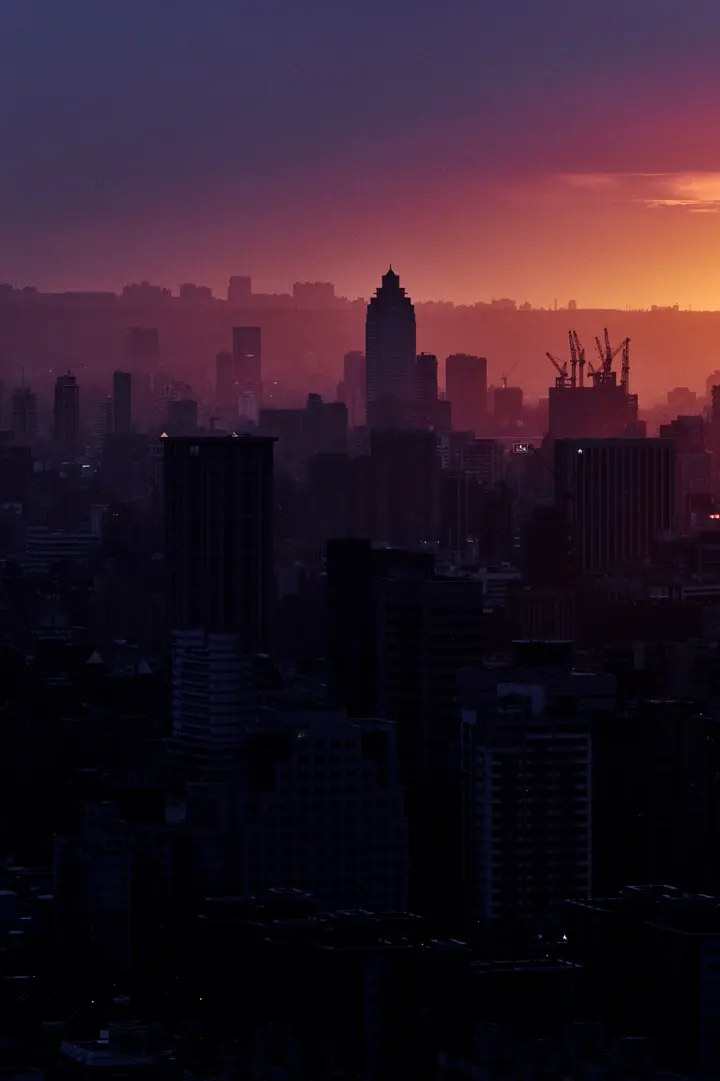
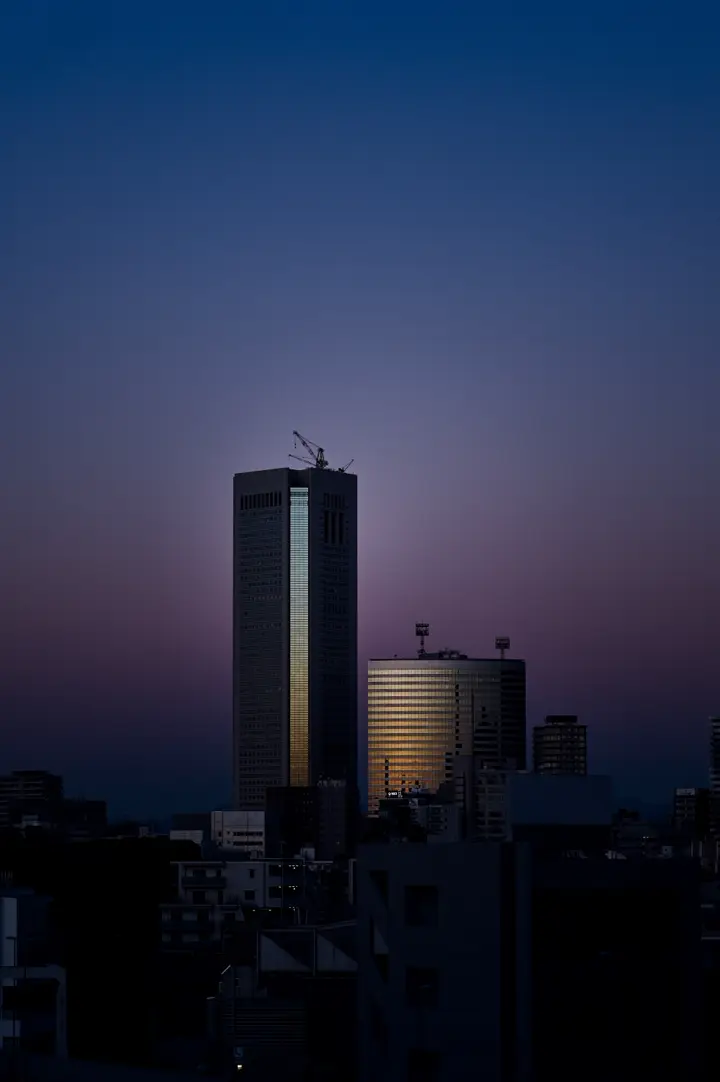
Inspiration from the Taiwan shoot for the 《shape》series: Light and the Breath of the City
In the "Shape" series, light is a crucial element. Light creates shadows, enhances colors, and strengthens the presentation of the subject.
He shared, “Taiwan and Japan are not far apart, but the way cities are built, and the climates make ‘light’ and ‘color’ completely different. Taiwan’s high temperature and humidity create a unique, soft, layered effect as light diffuses in the atmosphere.”
“Shooting the new "Shape" series in Taiwan made me think more deeply about the meaning of ‘form,’ and the "Vague" series is the opposite of this thinking. This collaboration with Leica Taiwan was the opportunity and experience that led to the shooting in Taiwan, and it also inspired my new series.”
SL3 and M10: One Strong, One Soft
For Daisuke Abe, Leica is more than just a camera; it's a way of seeing the world.
He stated, "In creating the "Shape" series, I particularly relied on the Leica SL3's high resolution and color reproduction capabilities. The SL3 accurately expresses the lines of architecture and the layers of light and shadow, giving the images more power and tension." He also mentioned that the SL series' advantage lies in its compatibility with lenses ranging from 100–400mm, something not easily achieved with the M series. "Many of the "Shape"works were shot using this lens. That perspective of gazing from a distance allowed me to capture details that the human eye cannot focus on."
For the "Vague" series, he chose the Leica M10 camera.
"The M series retains the soft texture of film, while the SL series delivers exceptional image quality and rich detail. The images from the Leica M10 camera possess an imperfect warmth, allowing me to explore the boundaries of blur and abstraction more freely."
Different Leica camera series reflect two distinctly different facets of his thinking in his work — Daisuke Abe stated.
Leica Gallery Taipei
No. 3, Ln. 6, Qingtian Street
Taipei
Taiwan