Time is an Invisible Sculptor
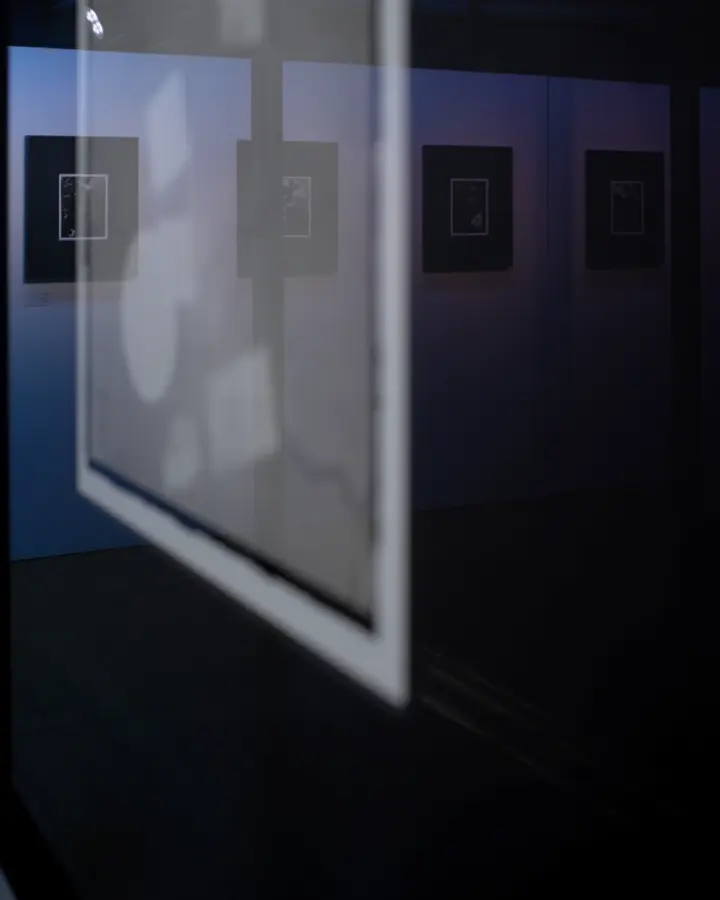
"Childhood, Sculpted" is inspired by photographer Chen Yonghua's profound reflections on time and memory.
"Sculpting" represents removal and retention, while "shaping" represents creation and shaping. Time is like an invisible sculptor, constantly changing people's appearances, personalities, and emotions, as well as spaces, architecture, and the objects we cherish," she explains the origin of the exhibition title.
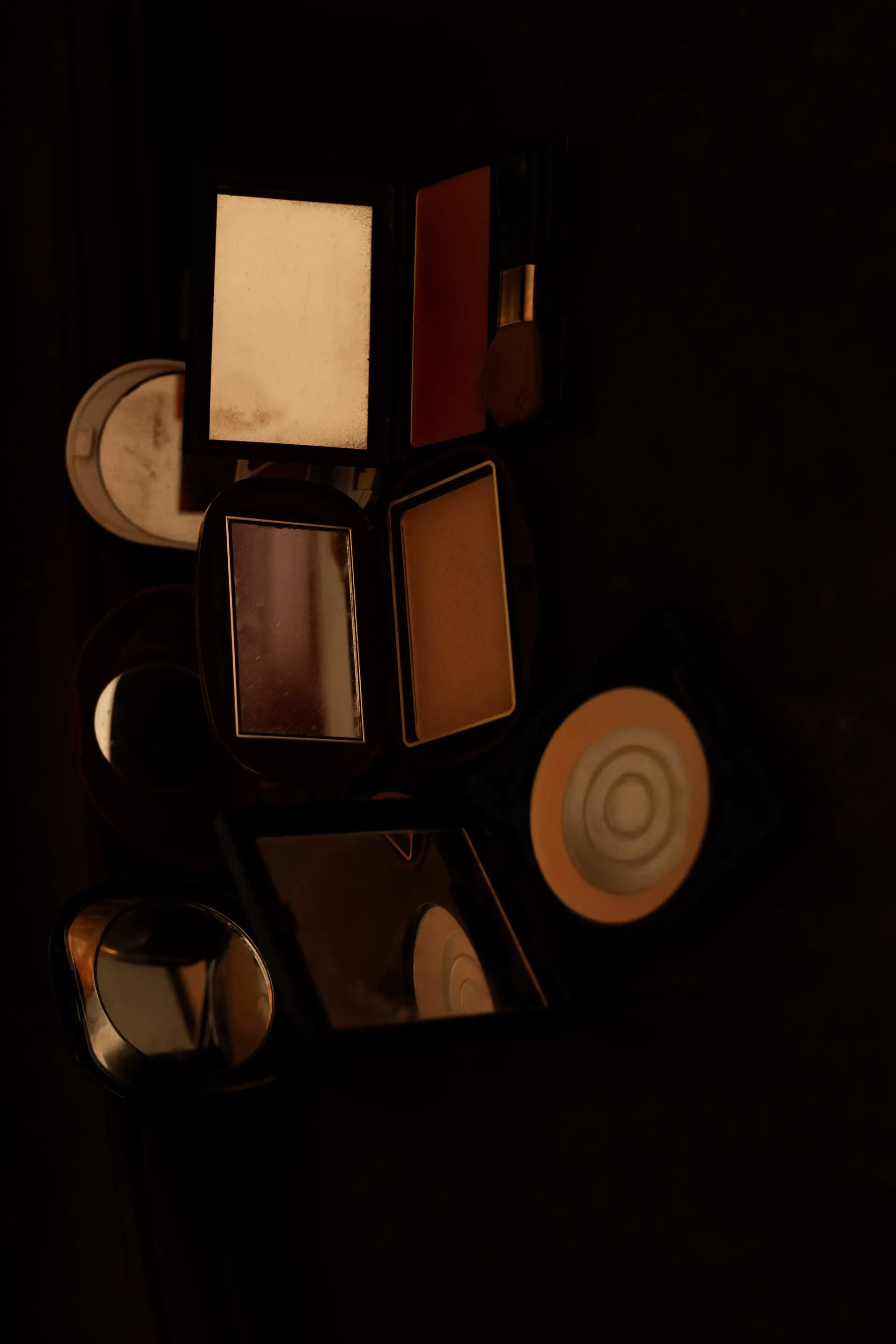
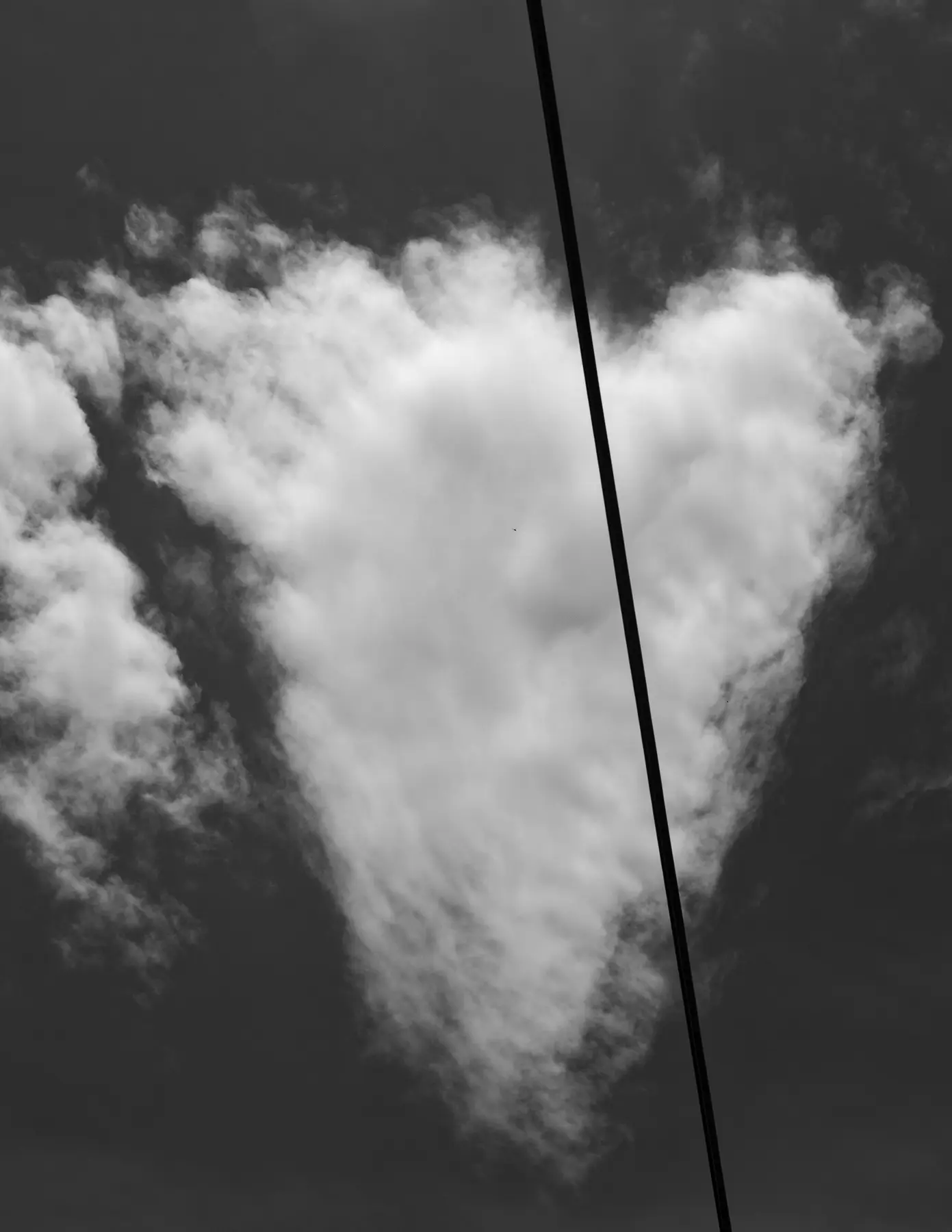
The exhibition primarily focuses on her childhood moment spent at her grandparents' house in Yilan: searching for insects with her old sister near the grain pile, secretly opening her grandmother's makeup box, and lying in the yard counting clouds at the boundless sky. Those seemingly ordinary daily routines profoundly shaped her way of seeing the world.
Years after her grandparents passed away, Chen Yonghua returned to that uninhabited old house.
"The cracks in the walls, the broken furniture, and the cobwebs covering the corners—many once-familiar corners bear the marks of time. Yet, it is precisely these changes that make me deeply feel the presence of time."
Photographic Language: The Warmth of Color, the Weight of Black and White
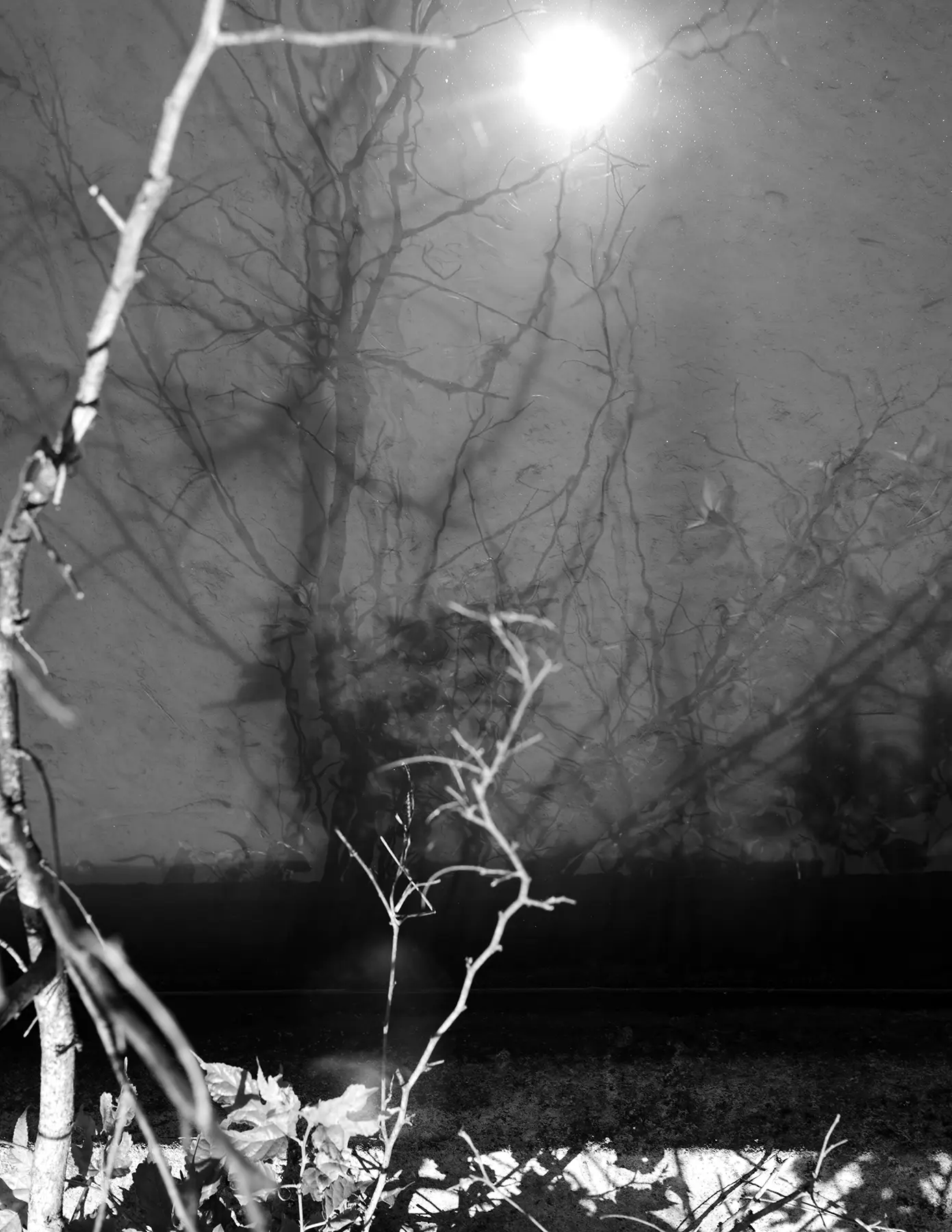
This exhibition presents both color and black-and-white series, each carrying different emotional layers. The color works convey her warm gaze upon childhood memories; the vibrant yet faded hues, the light cast on the walls, and the everyday details of objects exude a vibrant warmth. The black-and-white works, on the other hand, focus on the emotional contours and traces left by time sculpting the everyday, filled with the weight of longing, absence, and sedimentation.
Chen Yonghua has long been passionate about film photography and has used Leica M-system film cameras for many years. She stated that she had been searching for a digital camera that could closely approximate the texture and tone of film. It wasn't until she used the Leica SL that she discovered its color reproduction and image texture were very close to her preferred film feel, making it an important partner in her daily work and the primary shooting partner for this color series.
What deeply impressed her was the Leica M11 Monochrom, which focuses on black-and-white imaging. This camera allows her to focus more directly on contours, light and shadow, and emotions themselves. Its portability perfectly complements her habit of capturing images and inspiration in everyday life. What she cherishes even more is that the M11 Monochrom can be paired with her old Leica lenses used on her film cameras. She says, "This combination of old and new feels like continuation and complementarity."
Still Life as the Protagonist: Letting Objects Speak
Chen Yonghua's previous works, which primarily focused on figures and portraits, *Childhood, Sculpted* chooses still life as the core form of expression for the exhibition. This shift is not accidental but rather stems from her profound reflection on the theme of this exhibition.
"The core of this exhibition explores the relationship between memory, emotion, space, environment, and objects. Therefore, I chose still life as the primary form of expression, allowing these objects, bearing the marks of time, to become the protagonists of the narrative."
In her creative perspective, photographing still life and photographing people are two completely different creative states. People are fluid and full of life; photographing them requires establishing communication and trust with the subject, reacting quickly in unpredictable moments. Still life and space, on the other hand, are more like a quiet and lengthy dialogue. They don't move, nor do they suddenly leave, allowing her to gaze repeatedly as the light changes, slowly discovering easily overlooked details from different angles, and finding her own way of seeing and projecting her emotions within them.
It is this composed and focused creative rhythm that allows those seemingly silent objects and spaces to speak through her lens, telling tales of time, memory, and those who once existed.
Leica Gallery Taipei
No. 3, Ln. 6, Qingtian Street
Taipei
Taiwan