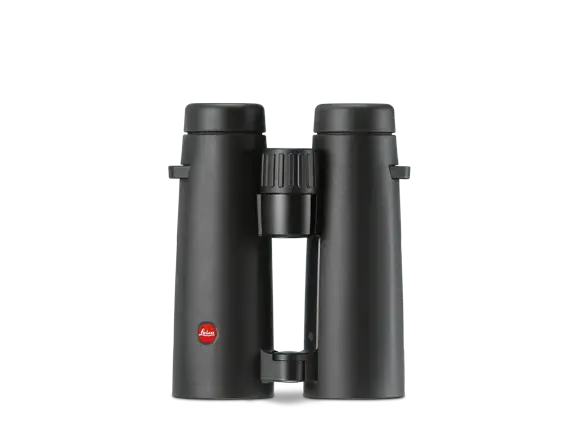
Field-Tested: A Year with the Leica Noctivid 10x42
As a wildlife photographer having equipment that can keep up with me and most importantly aid me in my work is very important. I have used Leica’s Noctivid 10x42 binoculars for over a year now and they are exceptional for many reasons and I will try and outline these reasons below as best as I can.
Low Light Capabilities
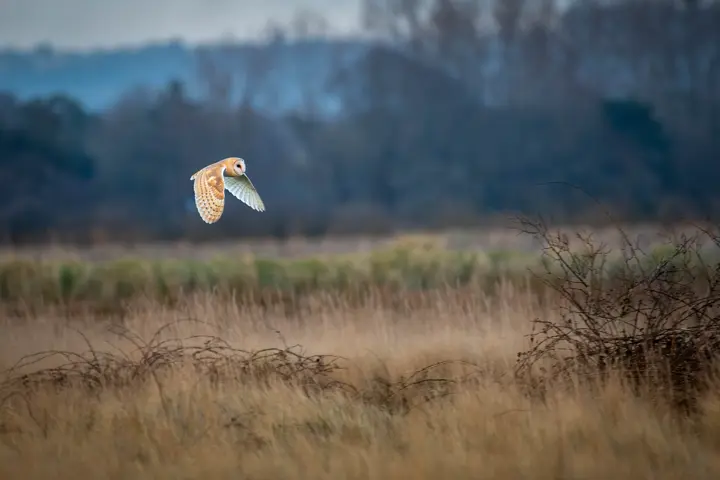
Wildlife viewing and especially wildlife photography is best done right at the start and end of the day, in the twilight hours. These timeframes are better known as dawn and dusk or the golden hour in the photography world. Although the wildlife maybe more active during these times we often need a helping hand to get closer to our subjects and identify them in some cases. That’s where these handy optics come in. The Noctivid binoculars are in a class of their own when it comes to low light performance. Recently I have enjoyed spending some time between trips watching a local barn owl quarter fields close to where I live in the south of England and it’s like looking through a time warp where the binoculars show you what the light levels were like 30 minutes ago but you’re viewing in real time. It is exceptional and for this reason alone these binoculars are never out of my bag.
In my opinion, having a pair of binoculars with me is far more important than having my camera, as it strengthens that feeling of childhood excitement when you see a new species or simply your favourite raptor soaring overhead without the distraction of camera settings pulling you out of the moment of observing nature at its best.
Ben Sutcliffe

Sharpness
Low light performance as I mentioned is incredible with the Noctivids, but that performance wouldn’t be much help if you weren’t able to identify the subjects you are viewing. With these optics you can not only identify subjects in low light but you can see each strand of fur standing up on a roe deer as it poses, alert, in the middle of an arable field. You can see each feather layer on the throat of a hummingbird whilst it feeds mid-air under a flower. This sharpness is a game changer for ensuring I know exactly what I am looking at before I even lift a camera.