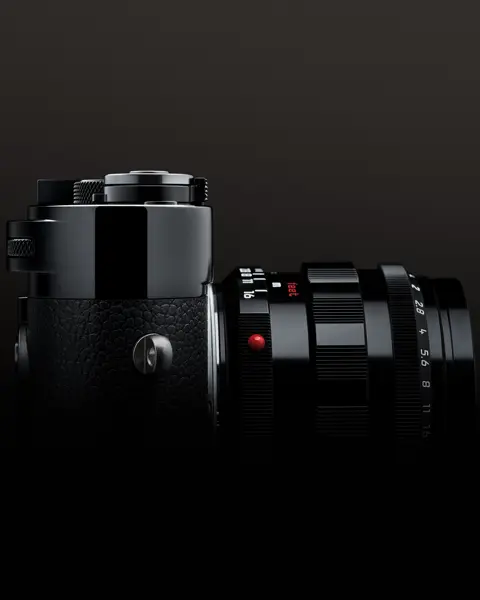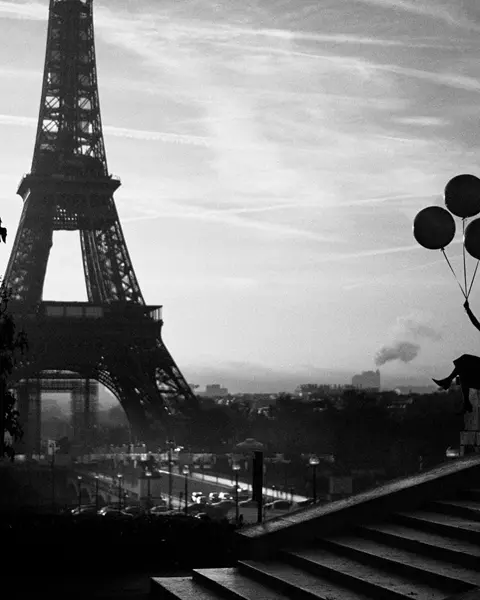
Street photography relies on a quick eye to capture fleeting moments amidst the hustle and bustle of everyday life. Over 100 years ago, the Leica I laid the foundation for just that. It was the first camera to be both compact and discreet enough to capture action as it happened and without distortion. Since then, the Leica brand has been synonymous with the art of street photography, capturing the spirit of the times.
An Art Form in Its Own Right
The most memorable street shots imbue everyday moments with a special, and sometimes unique, significance. They create a sense of immediacy, appear lively and often seem as though they were taken completely by chance. Yet these images are the result of deliberate observation. Sometimes patiently anticipated. Sometimes noticed and captured spontaneously. Both require the same skill: being truly attentive to what is happening around you. An art form in its own right. One that keeps no discovery to itself.
The Art of Leica in the Newsletter
Subscribe to receive inspiring stories, practical insights and news about Leica cameras that best suit your way of seeing the world.
As Varied as the Streets Themselves
Although it may seem paradoxical, walking the anonymous streets of a big city with a camera and photographing strangers is a deeply personal experience. Hardly any other genre reveals your view of the world quite so clearly as street photography. Every photographer and every series brings new perspectives.
Always Three Moves Ahead – Billy Dinh and His Q3
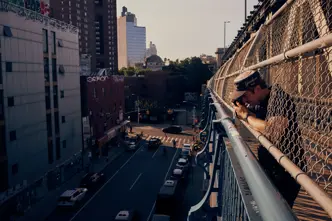
A great deal in street photography revolves around anticipation – as is the case with chess. You have to anticipate the next moves of your subject – or your opponent – while also being open to alternative scenarios. You must be able to react while taking action yourself. This is precisely what fascinates street photographer Billy Dinh about New York’s chess culture: the way people reveal themselves as a community beyond the board, through gestures and glances. Always thinking about the next move. Just like him.
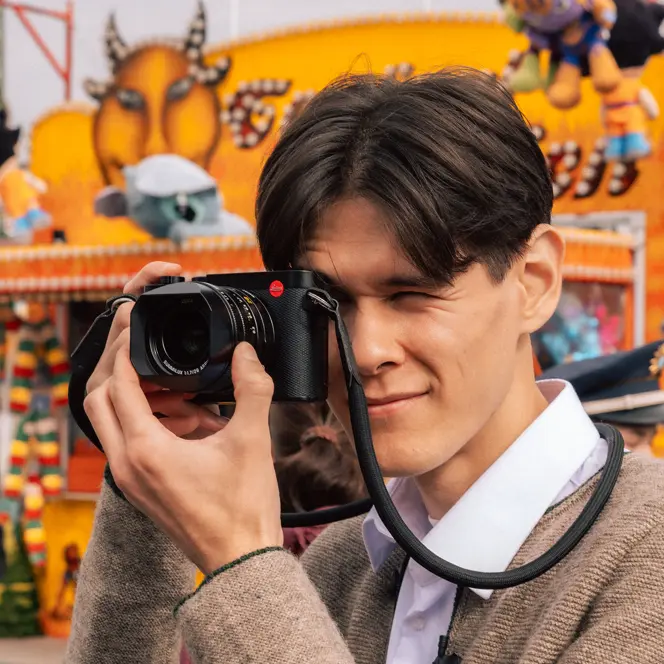
With the Leica Q3, he is able to get particularly close for his series without disrupting the scene. This allows the viewer themselves to become part of New York’s vibrant chess culture. At least for a few moments.
On the street, you always have to think three moves ahead. Whether you’re at the chessboard or behind the camera, it all starts with observation.”
Billy Dinh
Life in Black and White: Alan Schaller with His M11 Monochrom
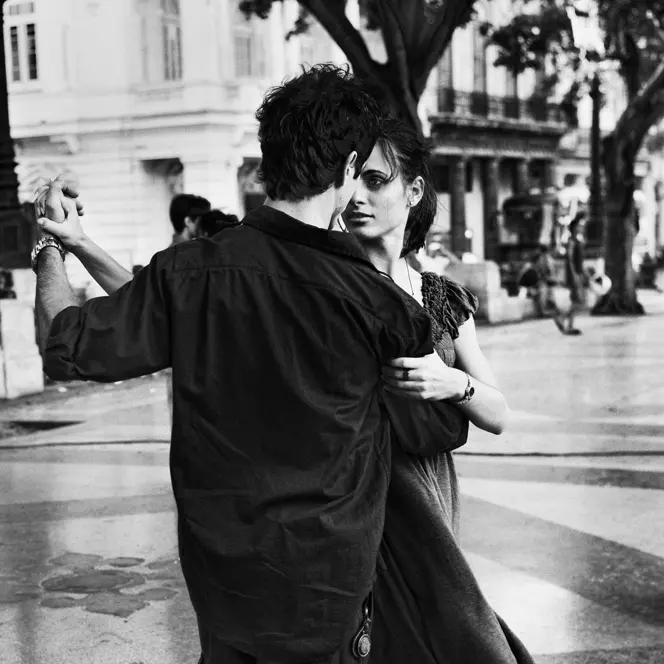
London-based street photographer Alan Schaller has created a world of his own in black and white. In the underground tunnels and at the crossings of Tokyo, he discovers contrasts, geometry and a subtle touch of surrealism – always with people at the centre, even when they are just small figures in the frame. Some scenes demand speed, while others require patience. Alan always follows the rhythm of the street.
Using the Leica M11 Monochrom, he keeps things radically minimalist: one camera body and a few lenses with manual focus. The result is a strikingly clear and serene yet powerful visual language, even amidst Tokyo’s colourful hustle and bustle.
Black and white, abstract, surrealist, humanist. That’s how I’d describe my photography.”
Alan Schaller
Among People – Jason Roman and His M EV1
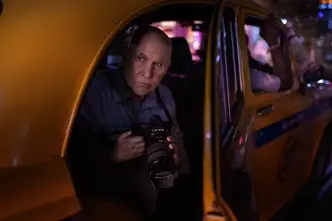
Jason Roman is a skilled street and portrait photographer who navigates both genres with ease. Sometimes he observes from a distance, while at other times he approaches people directly. In Tokyo, this becomes a kind of silent casting: he looks for faces, expressions and gestures that stand out amongst the millions in this metropolis. However, sometimes it is the moment he is noticed that transforms a detached observation into a genuine encounter.
For this work, he reaches for the Leica M EV1 – compact enough to remain inconspicuous, yet responsive enough to capture the decisive moment. It is in this way that small, very personal portraits emerge amidst the hustle and bustle of a foreign megacity.
If I had to describe my style, I’d say it’s a style of many styles. When it comes to photography, I like to be a bit like a chameleon.”
Jason Roman
Leica Cameras for Street Photography
They are compact, intuitive and designed for photographers who want to observe their subjects discreetly and react instinctively. These Leica cameras are particularly well suited to The Art of Street Photography:
Leica Q
This is perfect for photographers looking for a compact full-frame camera with a fixed lens and fast, intuitive operation.
This compact full-frame camera is ideal for capturing spontaneous moments in high quality.
It delivers superb image quality for photos and videos, even in a wide range of lighting conditions.
It combines simple operation and seamless connectivity.
Leica M
For photographers who appreciate a discreet, intuitive and highly precise rangefinder experience.
Manual operation encourages a more mindful and focused approach to work.
It features an iconic design with a distinct Leica aesthetic.
Enjoy a pure photography experience, stripped back to the essentials and free from unnecessary technical complexity.