
Everyday Life in Havana
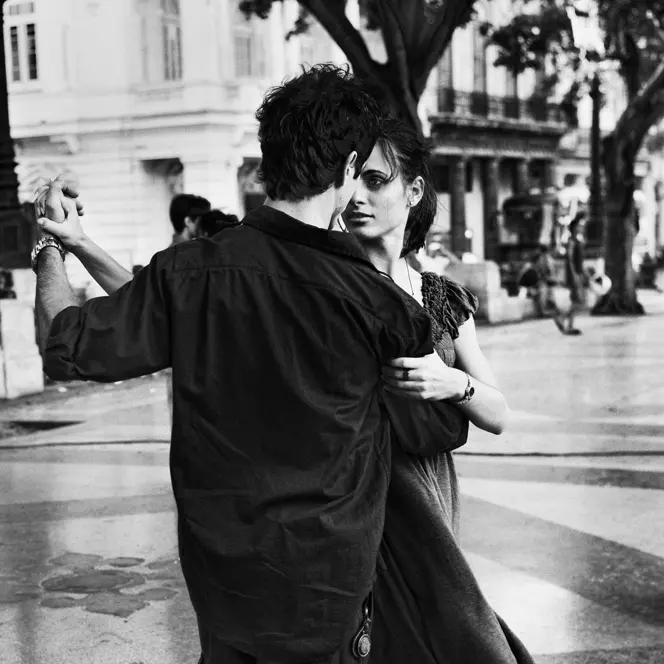
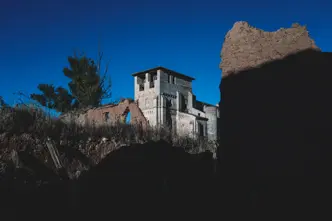
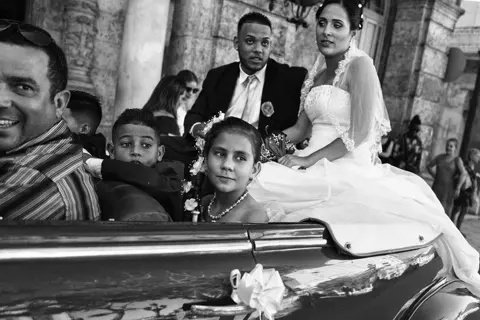
He was there when Fidel Castro passed away and also when the Rolling Stones performed. In the mid 2000s, the musician and photographer Johannes Barthelmes began working in Cuba, capturing significant events, everyday life and, above all, the warm-hearted locals. Today, his photographs also serve as a poetic tribute to a country whose situation has deteriorated catastrophically since the start of the Covid pandemic.
The musician and photographer wanted to gain a deeper understanding into the myth of Cuba, by adopting a poetic, documentary-style approach. Driven by curiosity, he set off for the Caribbean and captured pictures of a daily life full of hardship, yet brimming with joie de vivre.
The Interview with Johannes Barthelmes
What is it about Cuba that fascinates you in particular?
The fantastic artists – in dance, in the visual arts, in theatre, in literature and, of course, in music – are an enormous enrichment for daily life on the Caribbean island. Sport is written with a capital S, and I haven’t seen better or more aesthetic boxing anywhere – a real pleasure. The hospitality is amazing despite the limited possibilities. Cubans have learnt how to get by on very little, and are usually quick to find an improvised solution for any problem that appears. I encountered such a special love of life – alegria – like nowhere else in the world. This stunning love of life that the people of Cuba celebrate day in and day out, is something special.
What did you want to capture with your pictures?
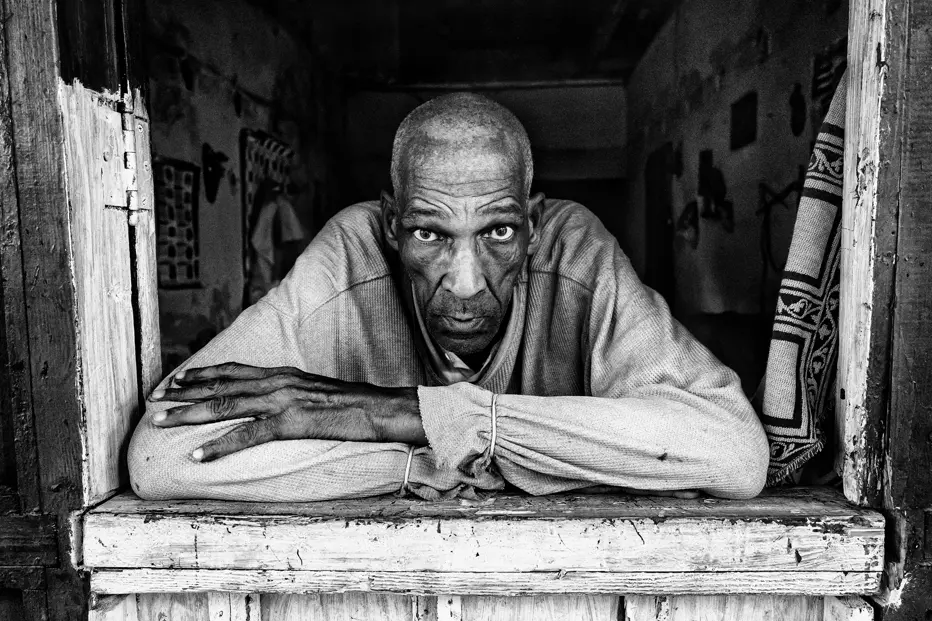
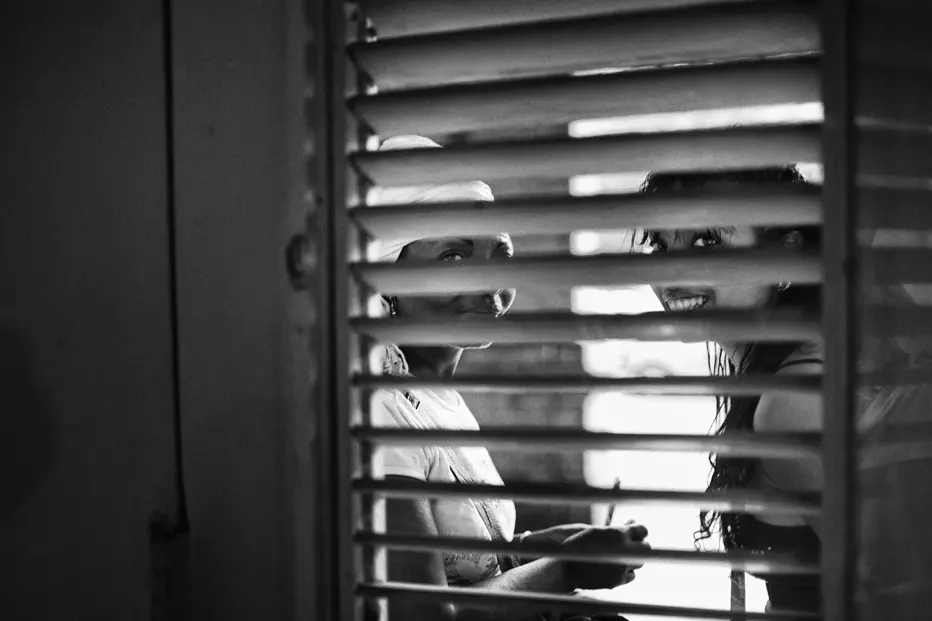
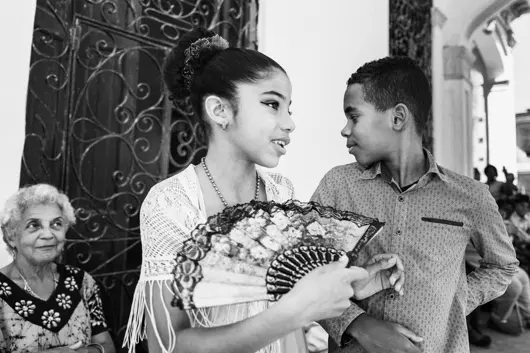
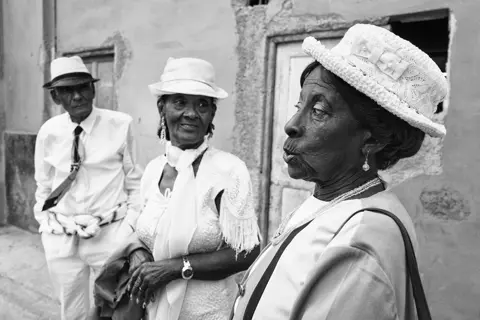
I want to document and convey the unvarnished reality of everyday life – everyday people. But I’m determined to imbue my photographs with as much poetry as possible. One of my most important aims is to capture the dignity and the great resilience of people who overcome all manner of adverse circumstances without, as is so often the case in pampered societies, constantly complaining and doing nothing about it.
The crisis in the country is growing. What do your photos say about that?
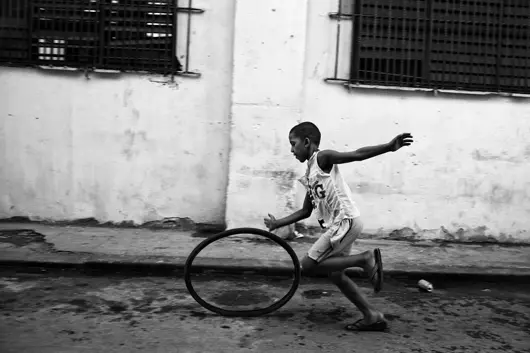
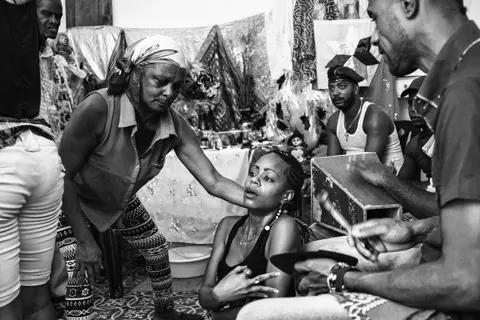
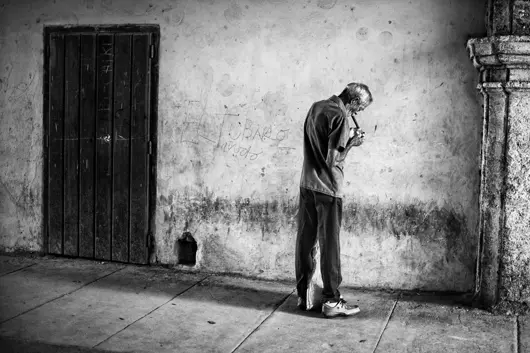
Even though I’ve absolutely no desire to photograph poverty, many of my pictures do reveal living conditions that are, in some cases, extremely modest. Before the pandemic, the vast majority of Cubans had come to terms with their very spartan reality, thanks to their patience, ability to improvise, zest for life and incredible resilience. The pandemic then dealt the final blow to an already severely battered economy, due to dwindling tourism and the baffling policies in place. As I haven’t been back to Cuba since the Covid pandemic, I only know from numerous calls with my Cuban friends, just how catastrophic the situation there has become, from numerous phone calls with my Cuban friend. They strongly advise me against travelling to Havana at the moment.
What was your photographic approach?
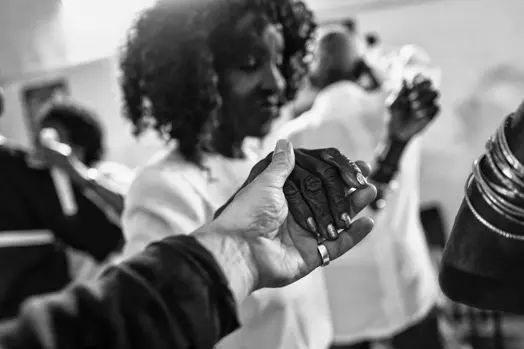
The aspect of my photographic work that’s most important to me, is the closeness to my protagonists. When local people feel that you respect them, and even like them, then they allow you into their lives without constraints. The first thing that was important to me was to learn the language, so that I could make myself understood. The other important thing was not to stay in anonymous hotels, but to live among the local is so-called casas particulares – private homes. On the whole, I spend a while in a situation that promises photographic opportunities. I let people know that I intend to take some pictures. Then I wait until they’ve ‘forgotten’ about me again, and that’s when I can capture them in an authentic, unposed way.
The Cubans are a very musical folk, and they love to dance and party. How can this dynamism be captured?
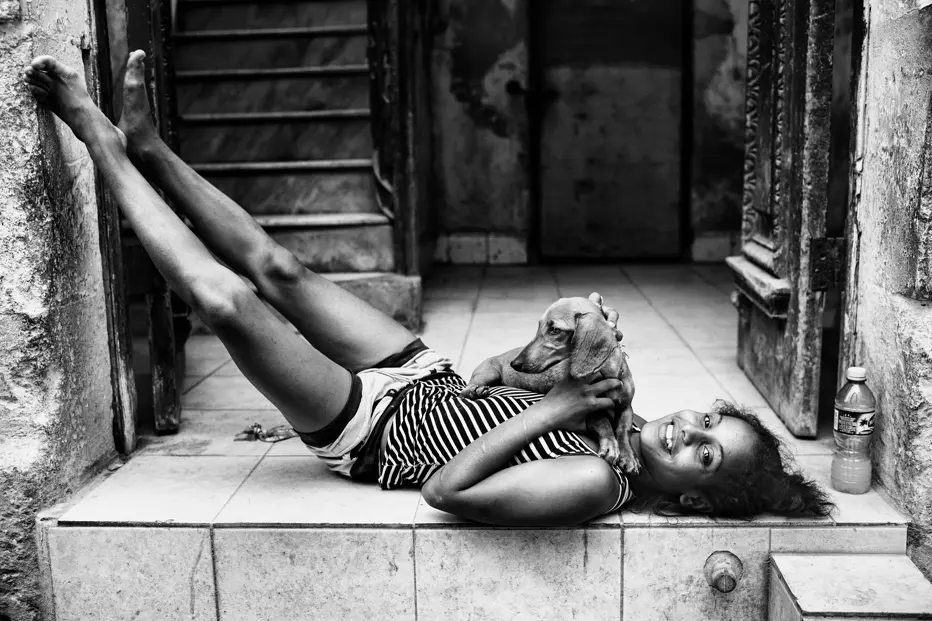
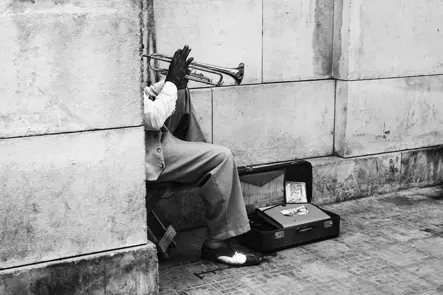
Cuban music is great rhythmically and melodically, and you can hear it on the streets day and night. All Cubans love their music and, as soon as it begins, their faces shines and they begin to dance – whether on the street, in a bar, at a concert or at home. The children dance along and you can only be amazed by the widespread, remarkable talent when it comes to rhythm and body awareness. It’s no secret that closeness is hugely important – indeed, almost indispensable – for capturing these emotions.
You yourself are a musician. To what degree do you find photography “musical”?
There’s good reason why I’ve titled some of my exhibitions Music in my Eyes. There are so many parallels between my approach to the two genres: intuition, quick perception, anticipation, improvisation, composition, colour, rhythm… In ‘my’ music – jazz – improvisation is essential, and street photography is very much akin to this – the ability to compose quickly and in the moment. A critic once wrote about my photography that I ‘paint jazz with light’.
How was your experience with the Leica cameras?
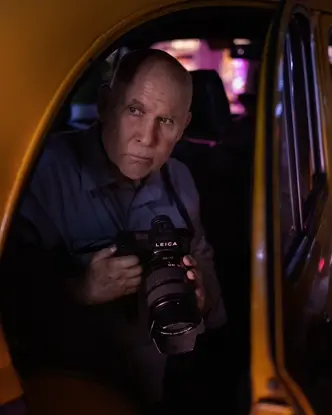
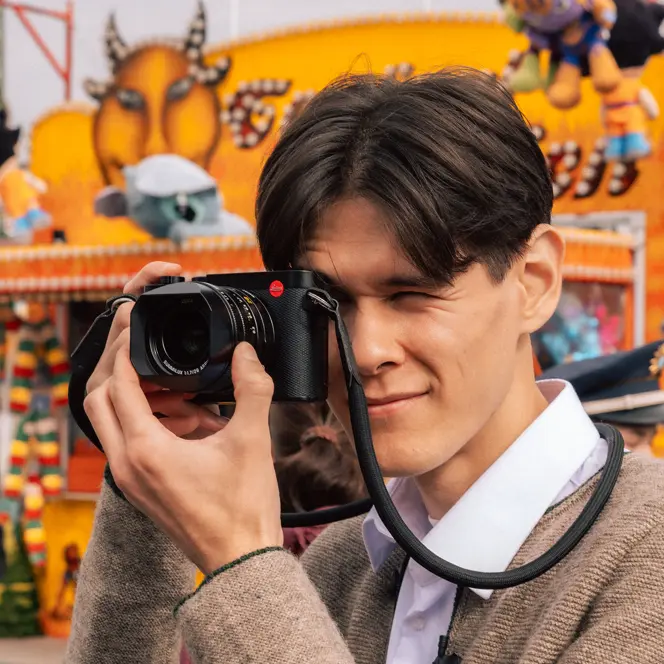
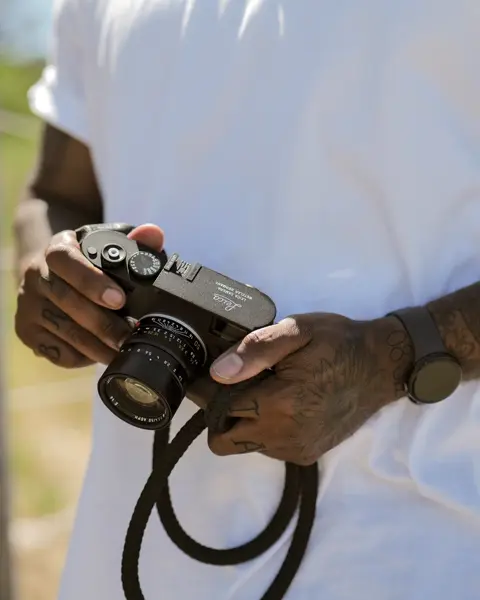
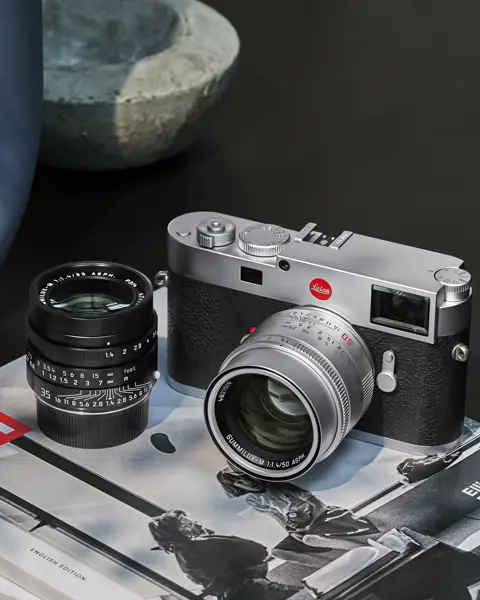
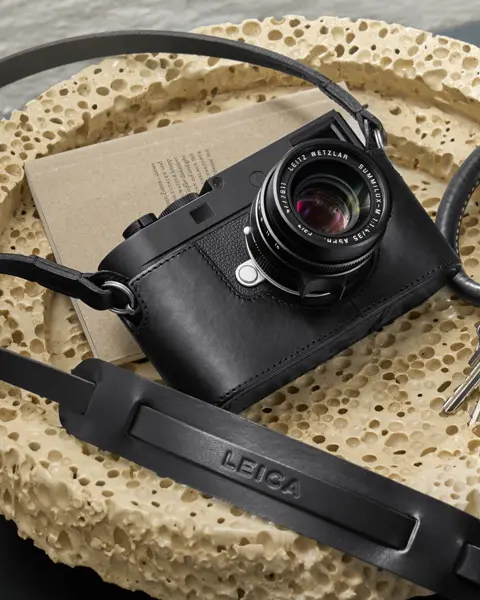
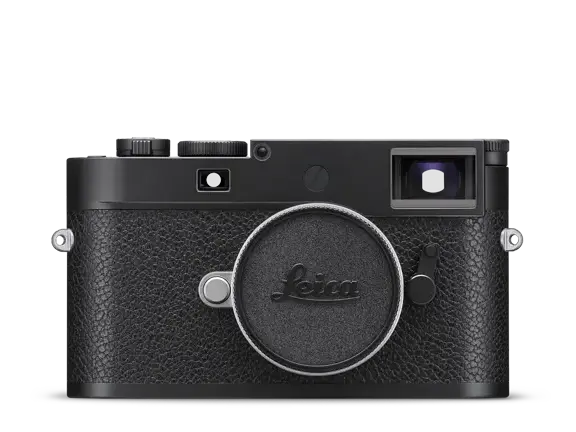
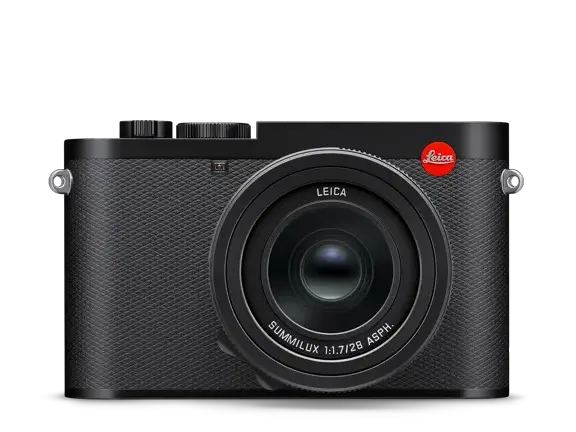
There are almost no lenses that compare to Leica’s; what’s so compelling is the absence of thousands of adjustment options – in other words, the focus on the essentials of photography, which also requires a high level of craftsmanship. I like the robustness of the cameras and how easy they are to handle – I usually wear the camera round my neck, but tucked away at my side under my jacket, out of sight. What’s more, Leica’s DNG files look very similar to analogue negatives; they appear natural, and not as though they’ve already been pre-processed or have been smoothed out in terms of colour.
Equipment:
M9, Typ 240, M10, Leica Q, Leica Summarit-M 35 f/2.5, Leica Summilux-M 35 1.4 ASPH, Leica Summilux-M 50 f/1.4 ASPH.
Johannes` Gear
You also took a lot of pictures in colour in Cuba; we’re showing the black and white ones. What is the difference from your point of view?
In my opinion, colour in photography should be used very cautiously. They should complement each other. Many colour photographs strike me as kitsch and meaningless. You mustn’t be fooled by the visual impact of colour alone. Black and white, on the other hand, is a step towards abstraction; it has a timeless quality and embodies the ‘art of reduction’, which I consider important. It’s a fascinating artistic element that is also important in music and painting. Of course, light plays a significant role in black and white photography. Taking pictures in monochrome is a demanding challenge that is a joy for the serious photographer, who doesn’t want to take uninspired pictures, but rather create something special by seemingly effortlessly overcoming technical difficulties.
How will you proceed with your series about Cuba?
I’m waiting for the right time when I’m ready to go on. It’s also a financial issue because I work without a commission. After having had the chance to paint an intimate picture of this charming country in the 2010s, the idea of visiting Cuba again following all the events and changes that have taken place is constantly on my mind. So a project with the provisional working title Cuba before and after Covid really appeals to me.
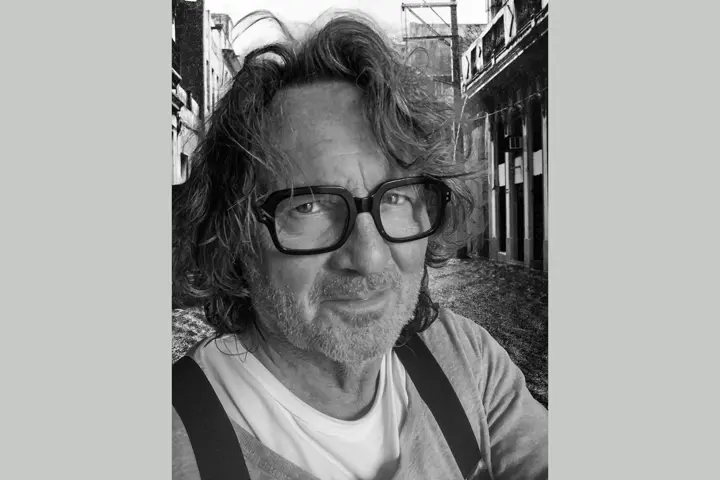
About Johannes Barthelmes
Internationally-renowned jazz musician Johannes Barthelmes purchased his first camera in 2000, and began to focus intensively on photography. His passion lies in street, travel, portrait and nude photography – always with people as a central feature. He does not look for spectacular images full of effects that immediately catch the eye, but rather for those with a gentle touch that reveals what defines people all over the world.
https://www.youtube.com/watch?v=G4jsXMXNi_4 (Sax at the Malecon)
https://www.youtube.com/watch?v=4_5aZgZw5pg (Mente Desnuda exhibition)
https://www.youtube.com/watch?v=TwkzhN9ElcM (I. Dickinson - Concha Buika)
https://www.youtube.com/watch?v=LiX169ZuErA (con mis señoras elegantes – with my elegant ladies)
© Johannes Barthelmes. All rights reserved.