Leica - A Century of Vision

One Hundred Years of Seeing
For 100 years, Leica has accompanied photographers as they documented the defining moments of their time. Through their unique perspectives, generations of images have shaped the way we understand history, culture and the world around us.
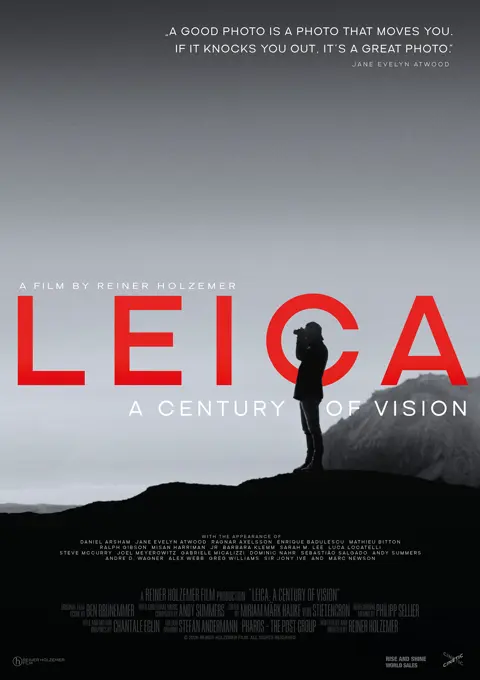
Directed by acclaimed filmmaker Reiner Holzemer, Leica – A Century of Vision celebrates this remarkable legacy through the voices of photographers whose work continues to inspire generations. Bringing together renowned contemporary photographers, legendary pioneers and rare archival material, the documentary offers a cinematic journey through one hundred years of photography.
More than a film about cameras, it is a film about seeing. About curiosity, observation and the enduring power of photography to connect us across time and place.
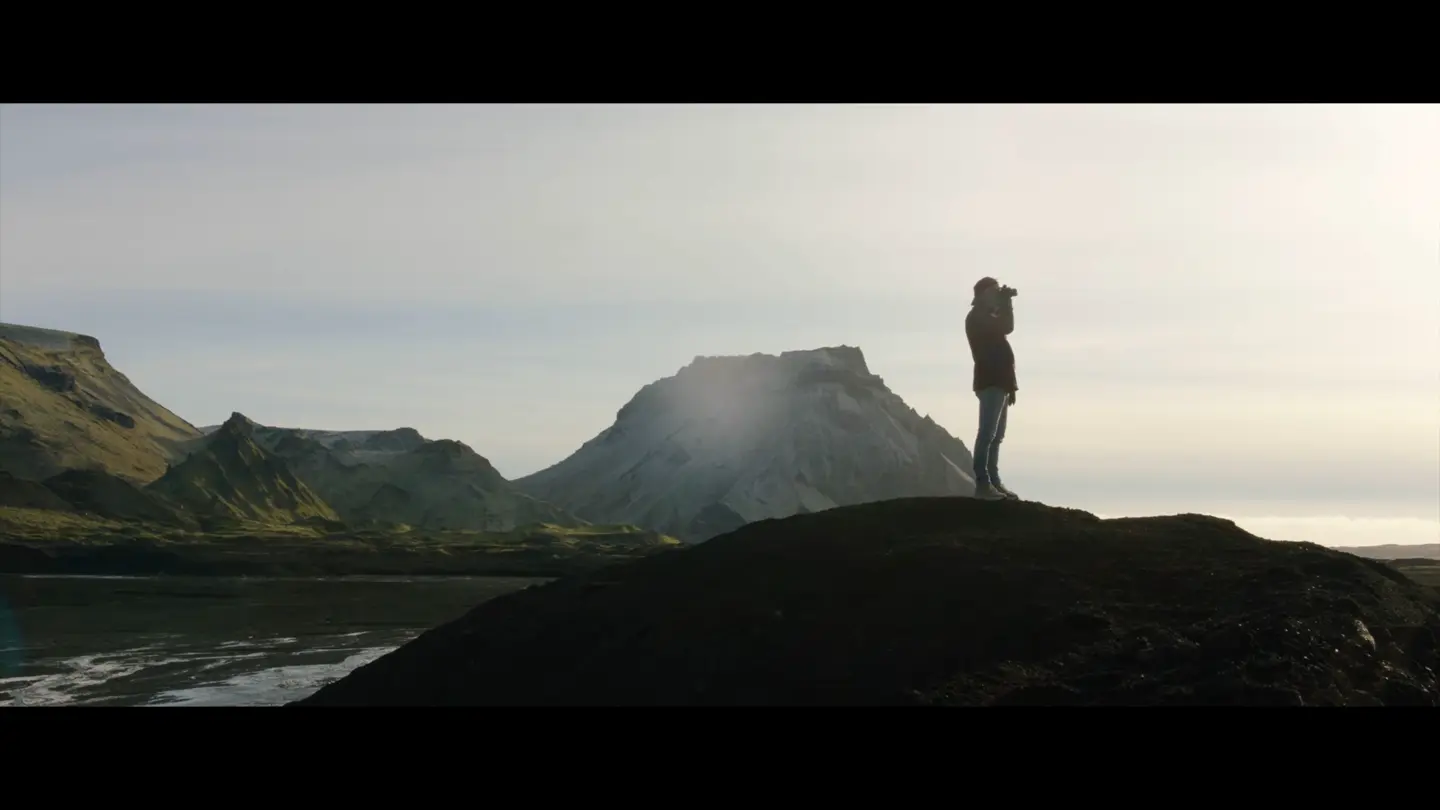
Watch the Official Trailer
Get a first glimpse of Leica – A Century of Vision and discover the stories, perspectives and images behind a documentary celebrating one hundred years of photography.
Visit the official Leica – A Century of Vision website to discover more about the documentary and follow its journey
beyond the cinema.

About Reiner Holzemer
The director and documentary film maker has been working with renowned artists – particularly from the fields of photography and fashion – since 1983. His films, Dries, about fashion designer Dries Van Noten, as well as Martin Margiela: In His Own Words, were shown at numerous international festivals, and sold to over 64 countries. In 2020, The Hollywood Reporter named Holzemer's film about Martin Margiela the Best Fashion Documentary Film of the Decade. In 2023, his biopic, Lars Eidinger – To Be or Not to Be, received the Gilde Film Award for Best Documentary Film. A year later, Thom Browne – The Man Who Tailors Dreams, about American fashion designer Thom Browne, premiered at the Doc NYC Festival.
In June 2025, Holzemer presented his latest documentary, Akris – Fashion with a Heritage, about Swiss fashion house Akris, at the Tribeca X Festival. In November of the same year, the film was honoured as Outstanding Fashion Documentary at the Newport Beach Film Festival. Also in 2025, the Frankfurter Allgemeine Zeitung (FAZ newspaper) named Holzemer one of the 50 most influential Germans in the fashion world, placing him 15th in its ranking.
In Cinemas Across Germany from 12 November 2026
Leica – A Century of Vision will be released in selected cinemas across Germany from 12 November 2026.
Further information on participating cinemas and ticket availability will be announced soon.
The Film’s Photographers
Daniel Arsham, Jane Evelyn Atwood, Ragnar Axelsson, Enrique Badulescu, Mathieu Bitton, Ralph Gibson, Misan Harriman, Jony Ive, JR, Barbara Klemm, Sarah M Lee, Luca Locatelli, Steve McCurry, Joel Meyerowitz, Gabriele Micalizzi, Dominic Nahr, Marc Newson, Sebastião Salgado, Andy Summers, Alex Webb, Greg Williams
JR – Photography and Conceptual Art
Born in Paris in 1983, the photographer and conceptual artist creates monumental, public art projects, that question habitual perceptions. His first major undertaking, Portrait of a Generation (2004–2006), drew attention to the media’s stereotypical portrayals of young people from the Parisian suburbs. In the film, we showcase photographic projects from his career and follow him as he works on a so-called “Chronicle” in Naples. This gigantic mural, which adorned the facade of Naples Cathedral, consists of several hundred portraits of Neapolitan citizens from all walks of life and professions.

Director’s note: What I love about JR is his incredible energy and his belief that art can change the world. Through his projects, he aims to bring people who see each other as adversaries into dialogue. I’ll never forget how we raced together on motorcycles through the narrowest alleys of Naples in search of photo opportunities.
Greg Williams – Celebrity Portraits
Born in 1972, the British photographer is known for his celebrity portraits. Williams began his career as a conflict photographer before turning to film and editorial. He has photographed poster campaigns for and on the sets of major film productions such as Casino Royale, Robin Hood and King Kong. He is the editor of the photography magazine Hollywood Authentic.

Director’s note: The stars love Greg because he takes great portraits of them. With his empathetic manner and quick work style, he captivates them. He knows that show business is hard work. I accompanied him to the Venice Film Festival and observed his working style. The reunion with George and Amal Clooney and Jude Law was unforgettable.
Jane Evelyn Atwood – The Female Perspective
Born in New York in 1947, Atwood has been living in France since 1971. Her work reflects a deep attachment to her subjects over long periods of time. She has published numerous books and is the recipient of many awards for her work, including the W. Eugene Smith Award (1980), the Grand Prix Paris Match (1990), the Leica Oskar Barnack Award (1997) and Le Grand Prix Photo Albert Kahn (2018). In the film, she recounts the creation of her masterpiece Rue des Lombards, in which she photographed sex workers in Paris.

Director’s note: Jane never had any formal training as a photographer. She picked up the camera because it allowed her to enter a world she didn’t know and wanted to understand better. She shared this quote with me: “A good photo is a photo that moves you. If it knocks you out, it’s a great photo.”
Dominic Nahr – War and Crisis Photography
Born in Appenzell, Switzerland, in 1983, Nahr grew up in Hong Kong. Since the start of his career, he has dedicated himself to documenting conflicts, humanitarian crises and socio-critical issues. In 2009, he was the first winner of the Newcomer category at the Leica Oskar Barnack Award. After living in Kenya for several years, he moved back to Switzerland in 2017. There, in addition to his freelance work, he works as a picture editor and photographer for the Neue Zürcher Zeitung newspaper. Most recently, Nahr travelled to Syria and Ukraine, where he was working on the front lines.

Director’s note: Dominic has shown us how to behave cautiously in war zones in order to minimize the danger to one’s own life. I am impressed by his courage and, at the same time, his vulnerability.
Gabriele Micalizzi – War Photography Up Close
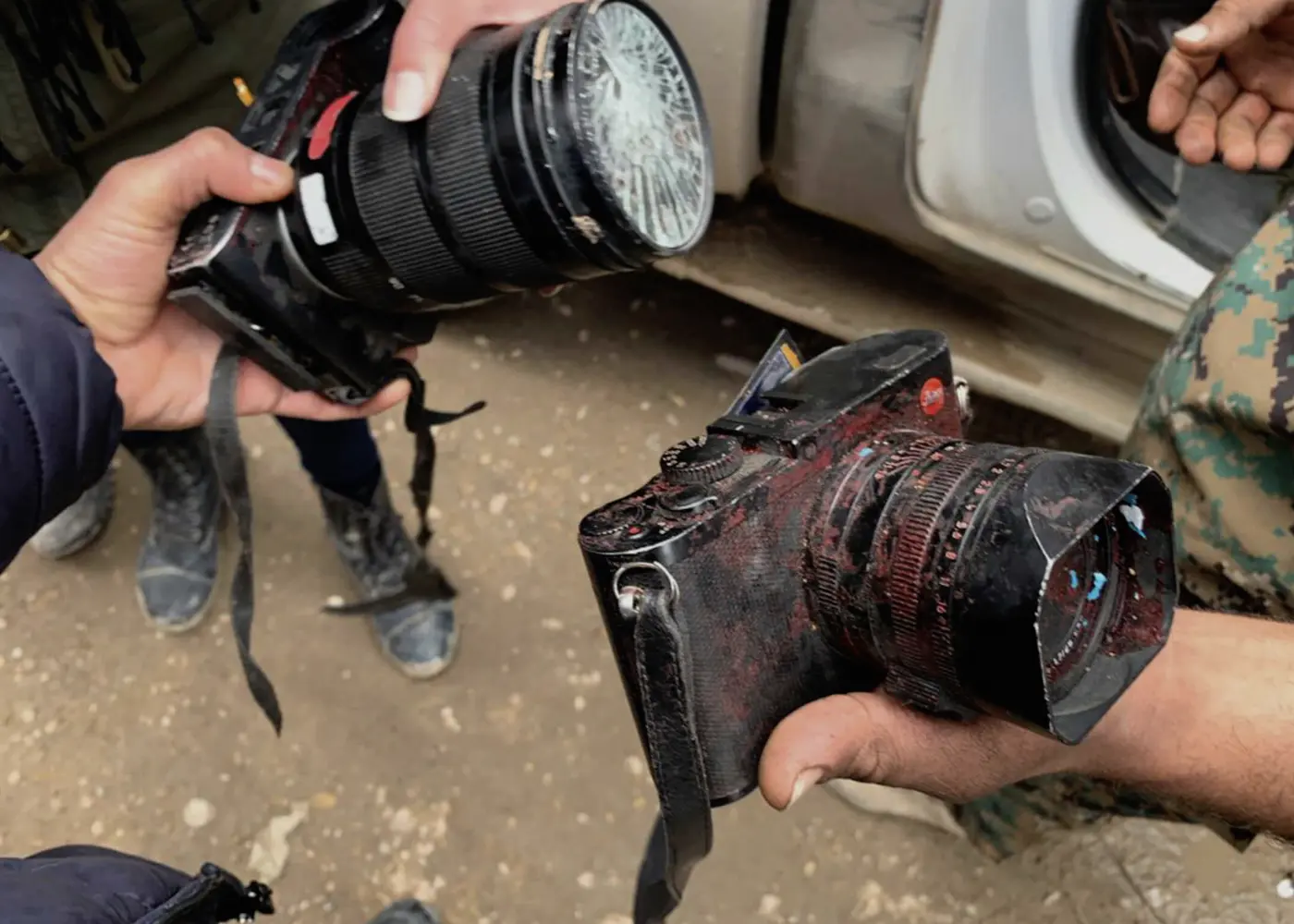
Born in Milan, Italy, in 1984, Micalizzi first studied visual arts, before beginning his photographic career as part of the NewPress Agency in Milan. In 2011 he began working on documentary coverage of the Middle East. During the Covid 19 pandemic, he documented the scale of the outbreak in Bergamo and Lombardy. He later took photographs in Afghanistan, Iraq and Ukraine. His work has appeared in numerous international publications such as The New York Times Magazine, The Guardian, and Stern. In the film, he recounts how he covered the Kurdish offensive against the last ISIS stronghold in Baghuz in 2019, where he was seriously wounded by an RPG rocket during the operation, and how his Leica camera saved his life.

Director’s note: During my conversations with Gabriele and while looking at his photos, I kept thinking of the famous quote by war photographer Robert Capa: “If your photos aren’t good enough, you aren’t close enough.” Gabriele is always right in the thick of the action.
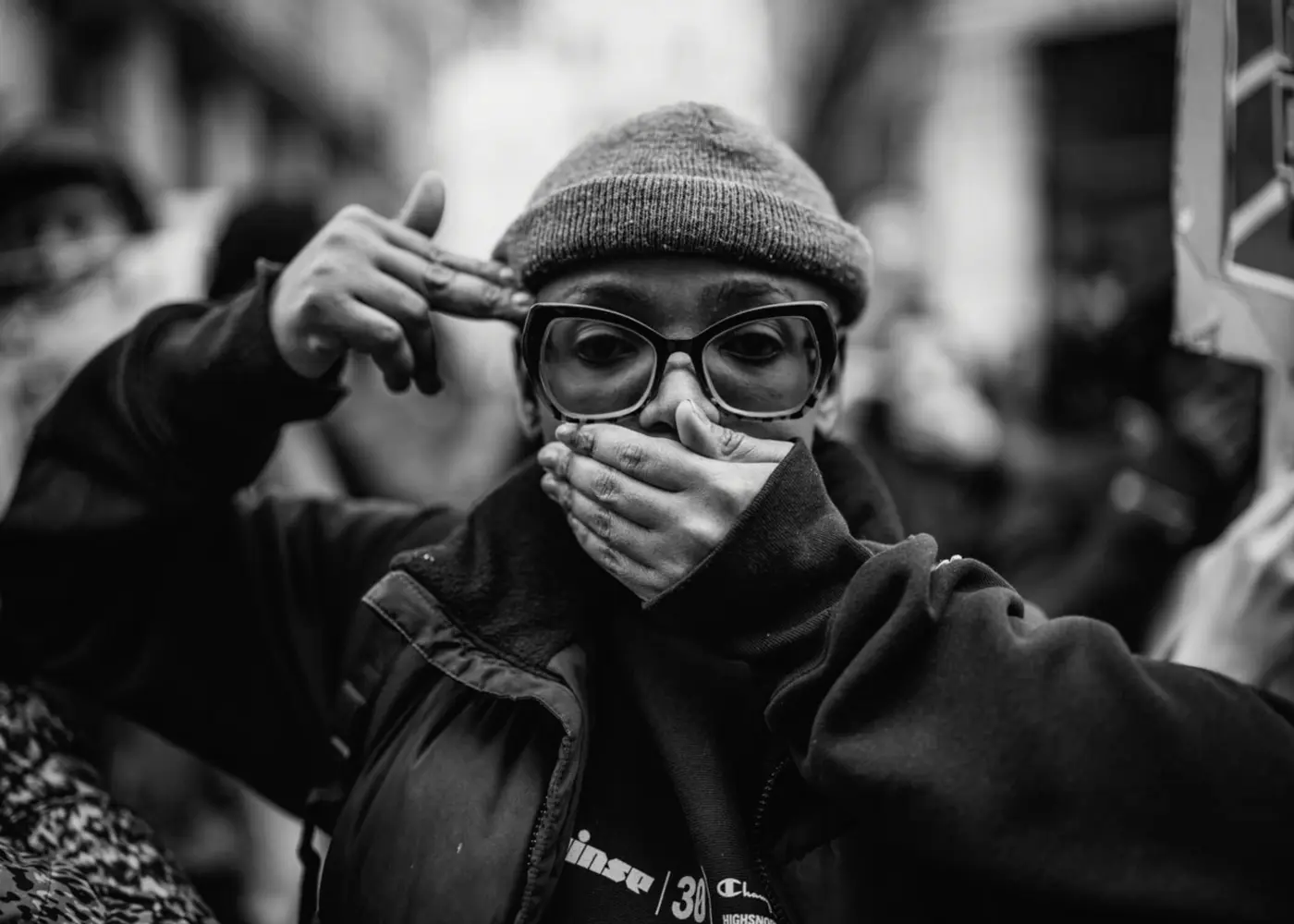
Misan Harriman – Photography of Social Movements
Born in Nigeria in 1977 and based in London, photographer Misan Harriman has gained international recognition for his celebrity portraits of Meghan Markle, among other works. Harriman is also active as a filmmaker and activist in the Black Lives Matter movement. He photographed the protests in London in June 2020 with his Leica. He was the first person of colour in the then 104-year history of British Vogue to shoot a cover image. In 2024, his film The After was nominated for an Oscar for Best Short Film.

Director’s note: Misan picked up a camera for the first time when he was 40 years old, to express his grief over the death of George Floyd: his work landed him on the cover of British Vogue. His career serves as an inspiration to many photographers who use their cameras to express their feelings about society.
Joel Meyerowitz – American Street Photography
Born in New York in 1938, Meyerowitz first studied painting and then worked as an art director in the advertising industry. Self-taught, he dedicated himself to photography after having worked on an advertising project with Robert Frank. In 1976, he turned to colour photography and has since been considered one of America’s greatest representatives of street and colour photography. New York is the main theme in his oeuvre. In 2016, Meyerowitz was inducted into the Leica Hall of Fame. His work has been displayed in over 350 exhibitions. To date, he has produced 53 books.

Director’s note: On a typical weekday, I would drive with Joel to Oxford Circus in London to watch him take photos. To my surprise, there were three other photographers there with Leica cameras. I was impressed by Joel’s fitness and alertness at the age of 86.
Sebastião Salgado – Human Dignity
Born in Aimorés, Brazil, in 1944, Salgado studied economics. While later working as an economist in London, he travelled to Africa and began taking pictures. Over the course of his forty-year career, he has returned to Africa for many projects. From 1969 on, he lived and worked with his wife in Paris. The couple were dedicated to restoring a piece of rainforest in Minas Gerais and founded the Instituto Terra, which focusses on restoration, the protection of nature and environmental education. Salgado is the only photographer to date to have been awarded the Leica Oskar Barnack Award twice: for his Ethiopian Hunger series in 1985, and for his Inferno in Kuwait series in 1992.

Director’s note: Sebastião is a legend. Everyone has seen a picture of him at some point. I was fascinated by his childhood memories in Brazil and how his heritage shaped his photographic vision. What really convinced me was what he said about human dignity in his photographs. On the day our film was finished, I received the sad news of his sudden death. To me, this final interview feels like his legacy.
Ragnar Axelsson – Photography in the Face of Climate Change
Born in 1958, the Icelandic photographer has been documenting the far northern reaches for over 40 years. He was given his first Leica camera by his father, who also explained the basics of the medium to him. He has since photographed people, animals and landscapes in the most remote regions of Greenland, Iceland and Siberia. After completing his training as a photographer, he worked as a photojournalist for the Icelandic daily newspaper, Morgunblaðið. His work has appeared in Life, Stern, and Geo, as well as numerous other publications and exhibitions.

Director’s note: Ragnar drove us to Iceland’s famous glaciers, where you can literally watch them melt. He showed us pictures of what they used to look like, and we could hardly believe the rapid change in the landscape. Ragnar documents without passing judgment; but with his Leica, he gives a voice to those who suffer the most from these changes.
Sir Jony Ive and Marc Newson – Design and Photography
In 2013, Jony Ive, Head of Design at Apple, joined industrial designer Marc Newson to create a one-off interpretation of the Leica M. In 2013, the camera sold for 1,805,000 US dollars during the Jony & Marc & Bono (RED) Auction at Sotheby’s in New York. Ive and Newson created the Leica M Red specifically for this auction. It is the only model in existence. All proceeds were donated to the Global Fund to fight AIDS, tuberculosis and malaria.

Andy Summers – Musician, Photographer and Film Composer
Born in Blackpool in 1942, Summers grew up in Bournemouth. He began playing guitar when he was eleven years old, which led to an eventful career and world fame as part of the band, The Police. He has been working as a solo artist and photographer – he considers both arts belong together – since 1979. He always carries a Leica camera with him on his many travels. His pictures have been widely exhibited and published.

Director’s note: After I filmed Andy taking photos in downtown Los Angeles, I asked him if he would compose the music for my film and he said yes, it would be an honour for him. Together with Ben Brunnemer, he wrote a unique film score – one of the best in any of my films.
Ralph Gibson - Surreal Black-and-White Photography
Born in Hollywood, Los Angeles, in 1939, Gibson was the son of an assistant director to Alfred Hitchcock. While carrying out his studies, he worked as an assistant to great American photographers Dorothea Lange and later Robert Frank. In 1969 Gibson founded his own publishing house, Lustrum Press and has published over 40 monographs to date. Known for his surreal black and white work, his photography is represented among the most important collections and museum acquisitions in the world, and has been celebrated in over 250 solo exhibitions. Gibson has received numerous awards and honours for his work, including the Leica Hall of Fame Award in 2021.

Steve McCurry - Icons of Photojournalism
Born in 1950 in Philadelphia, Pennsylvania, McCurry first studied film and theatre art. He developed an interest in photography while working with a local newspaper. At the end of the 1970s he was one of the first people to document the daily life of the Afghan people following the invasion by the Soviet Union. His photograph Afghan Girl (1984) made him world famous and has earned him numerous awards throughout the years. In 2011, he received the Leica Hall of Fame Award. He has been a member of the renowned Magnum Photos agency since 1986.

Alex Webb - Colourful Street Photography
Born in 1952, Webb began his career as a photojournalist in 1974. By 1976 he was a Magnum Photos nominee, becoming a full member three years later. In the seventies, Webb documented life in the small towns of the southern US, working at the time in black and white. However, he was so impressed by the colours produced by Kodachrome film, that he changed to colour in 1978 and since then has virtually only photographed in colour.

More Personalities Behind the Camera
Get to Know the Photographers Featured in the Film.
Oskar Barnack, Enrique Badulescu, Mathieu Bitton, Sarah M. Lee, Luca Locatelli, Andre D. Wagner, Robert Capa, Henri Cartier-Bresson, Robert Frank, Leonard Freed, Philip Jones Griffiths, Thomas Hoepker, Robert Lebeck, Ernst Leitz I, Mary Ellen Mark, Inge Morath, Tim Page, Kyōichi Sawada, Sam Shere, Dennis Stock, Nick Út
Through the Lens of the Film
-
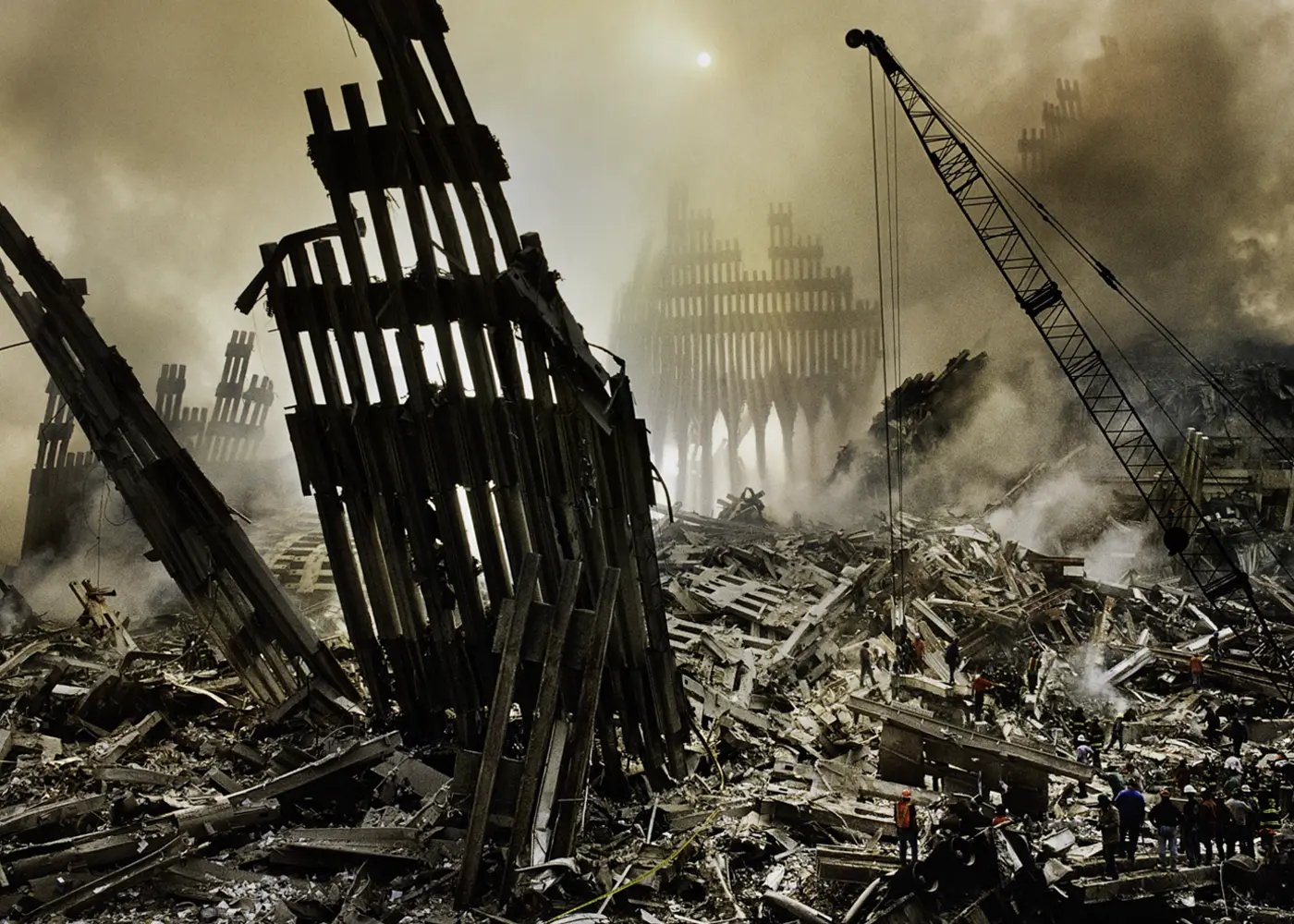
© Steve McCurry
Wreckage on September 11. New York, USA, 2001
-
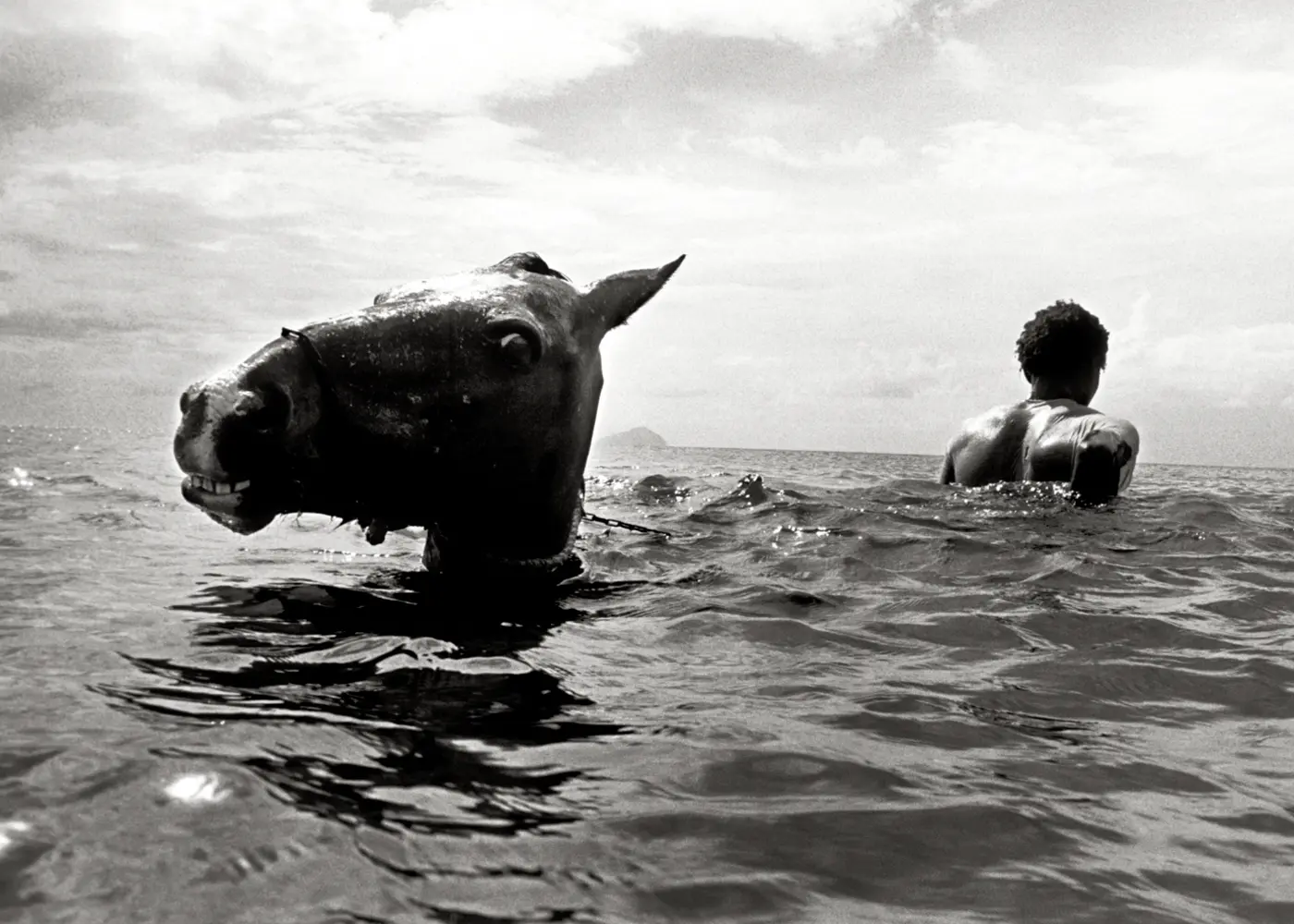
© Andy Summers
-
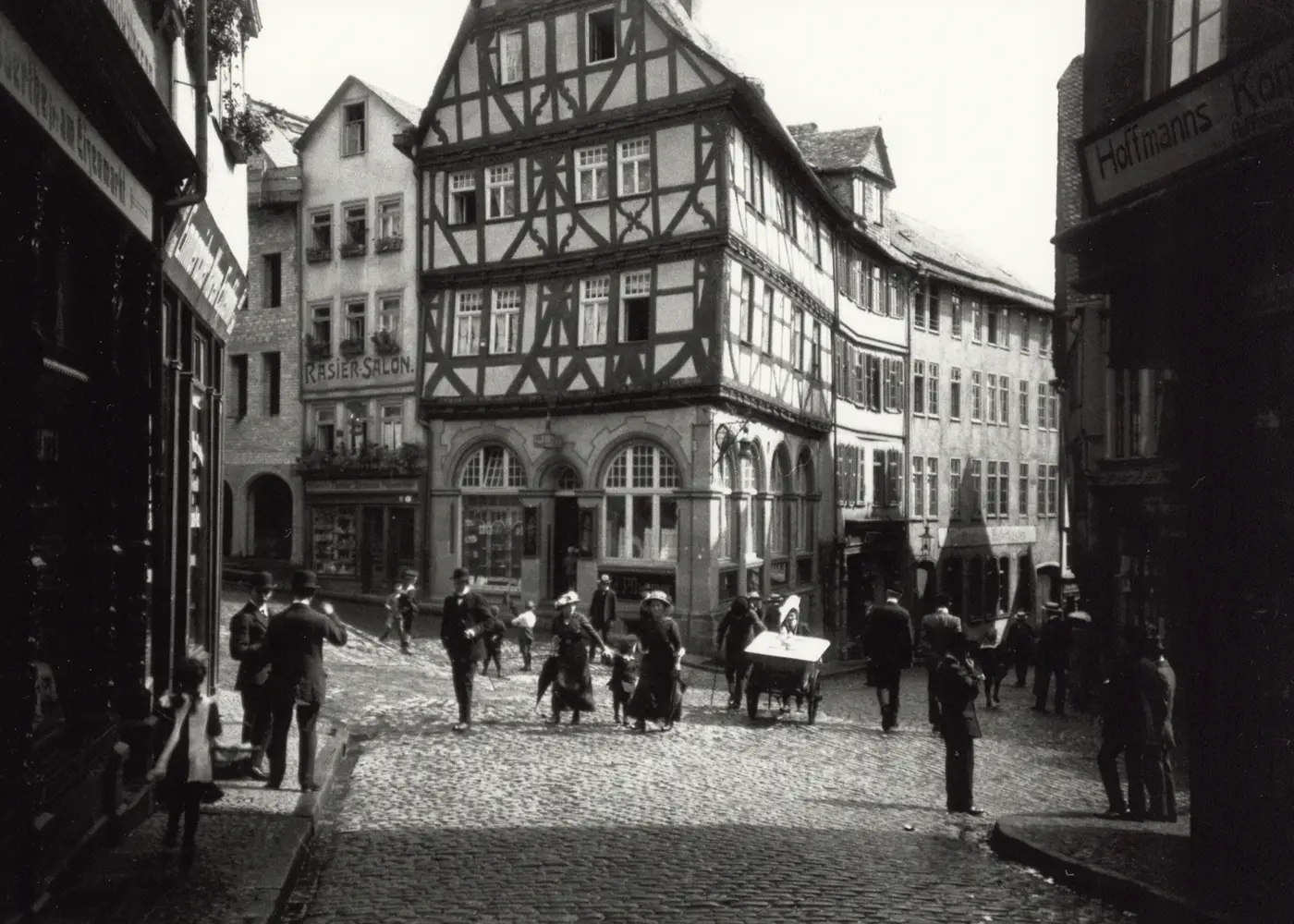
@ Oskar Barnack / courtesy of the Archive of the Leica Camera AG
Wetzlar 1914
-
© Misan Harriman
-
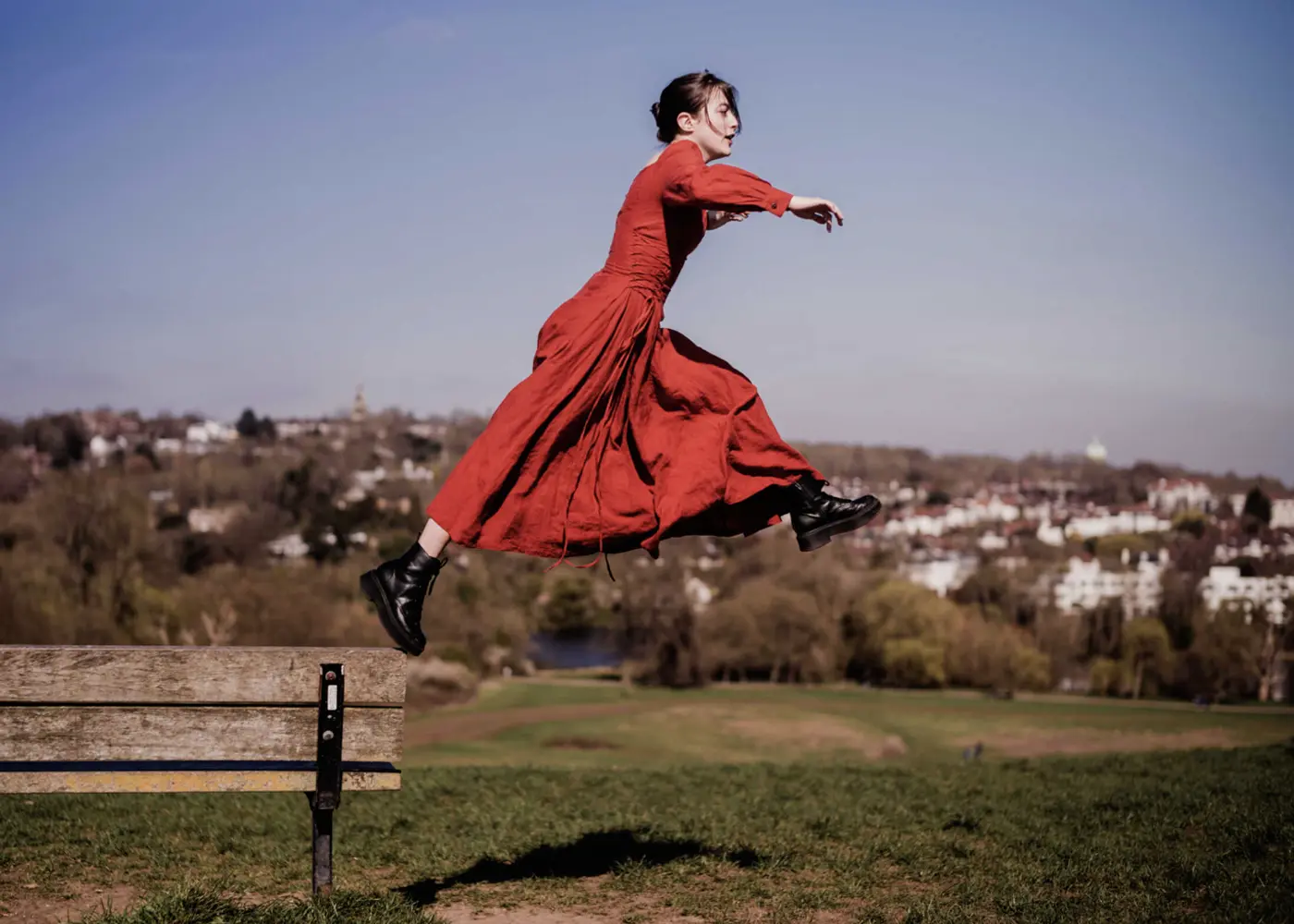
© Sarah M Lee
Romany Gilmour
-
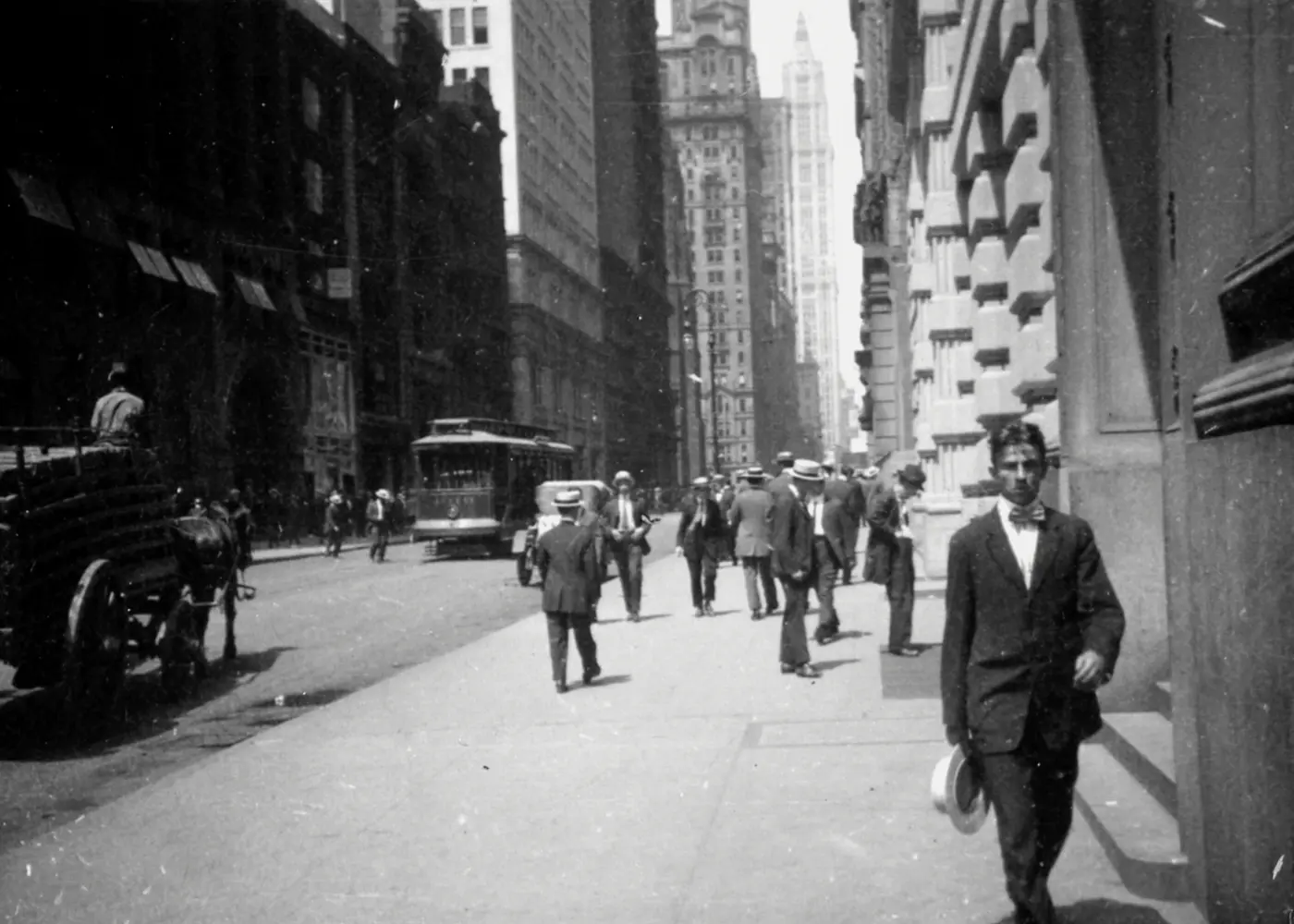
© Ernst Leitz II / courtesy of the Archive of Leica Camera AG
Business trip to the US before World War I, 1914
-
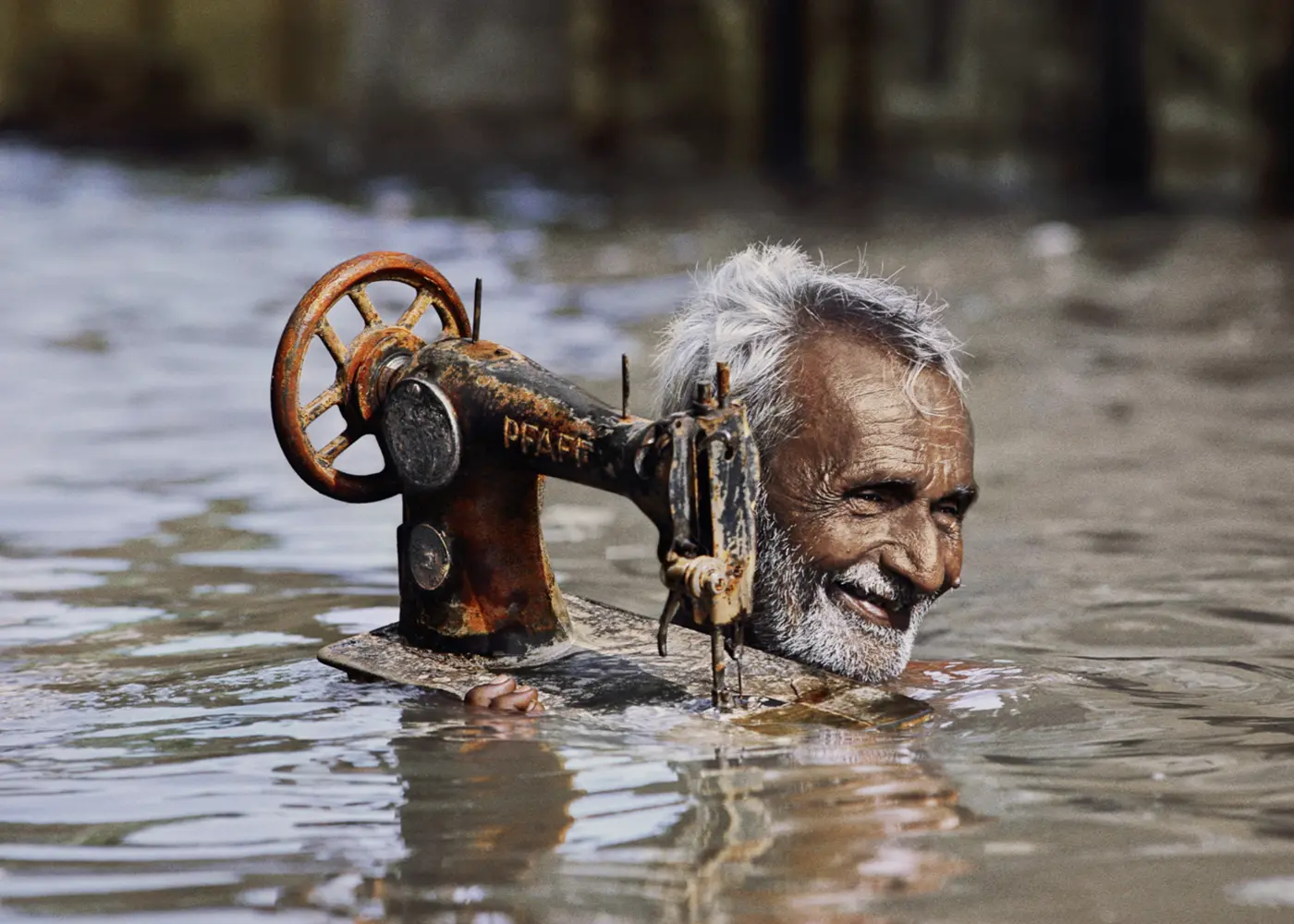
© Steve McCurry
Tailor in Monsoon Floods. Porbandar, India 1983
-
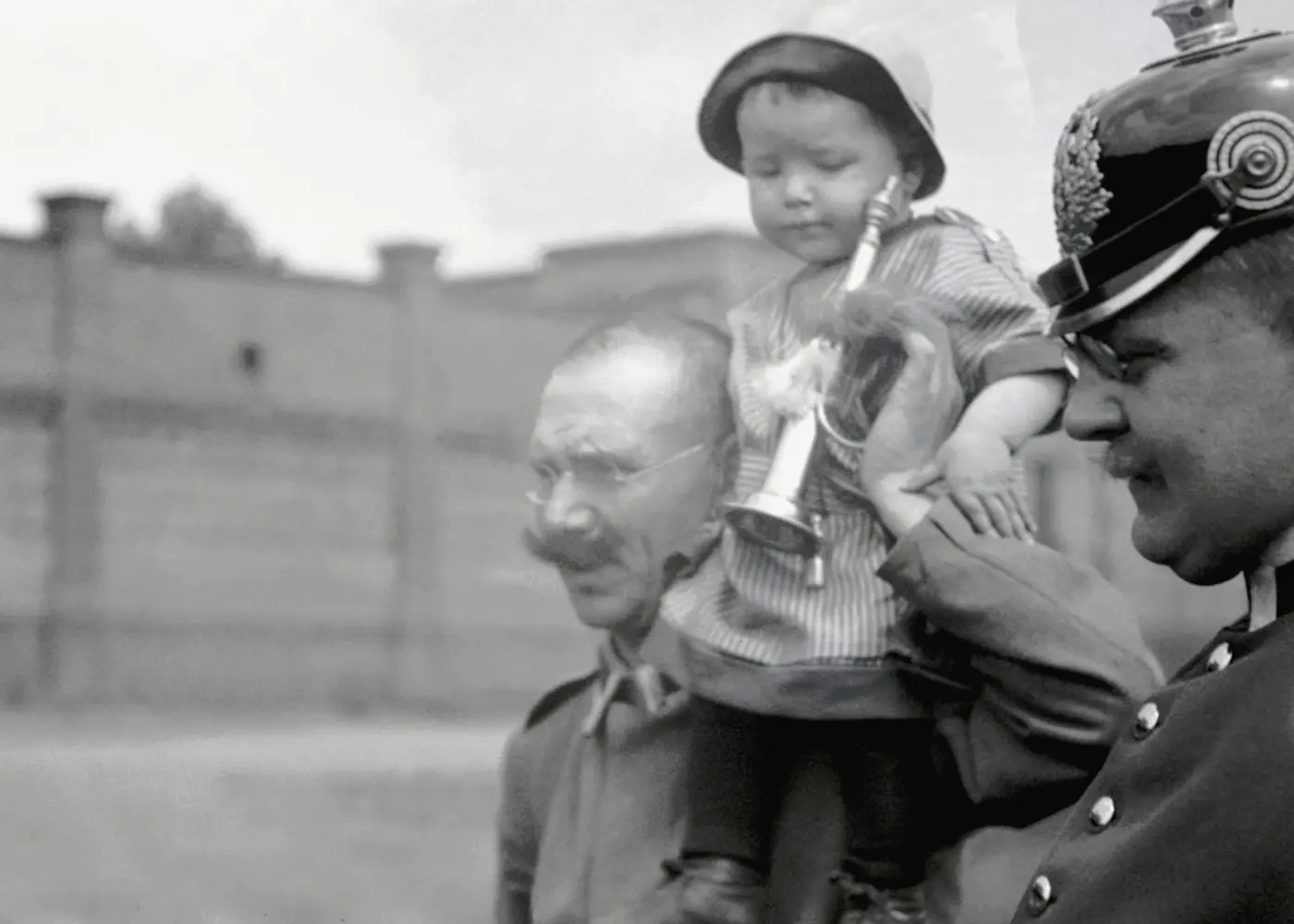
© Oskar Barnack / courtesy of the Archive of the Leica Camera AG
Wetzlar 1914
-
© Gabriele Micalizzi