
Life in Movement
Timing is Everything
Only a fine line separates observing a moment from being part of it. His work moves within exactly this fleeting
space. "Whether in dance, fashion, or lifestyle photography: I don't wait for something to happen – I move with what's happening and capture rhythm, emotion, and energy in real time."
"The most powerful images often emerge in the in-between spaces: in transitions, in the seconds just before or after the actual event.
Movement, in the end, can also be described as the distance between two points."
The essence lies not in capturing what is already visible.
It's about recognizing what will become visible in the next instant.
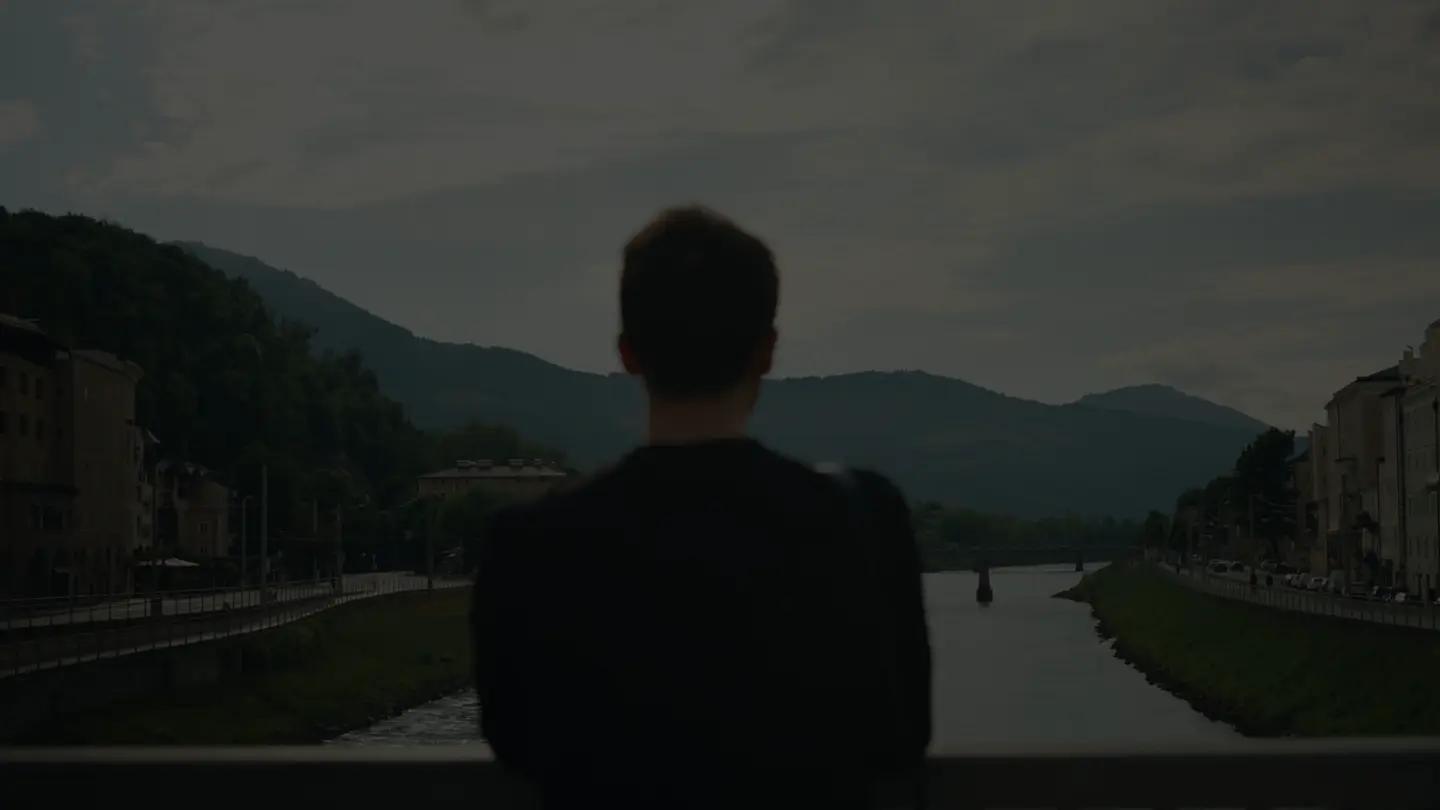
For Raphael, photography is not just about capturing a subject, but about recognizing the moment when tension and emotion reach their peak. He finds creativity in anticipating movement rather than reacting to it, and values the entire process from initial idea to finished image. In his view, the key to any good photograph lies in an understanding of timing – something he learned not from theory, but physically, through dance.
''There is a fine line between observing a moment and being part of it. My work exists in that space.
Whether I’m shooting dance, fashion, or lifestyle, I’m not waiting for something to happen - I’m moving with it.''
Reading rhythm, emotion, and energy as they unfold in real time. Moments that are not staged, but recognized.
I was never satisfied with the last picture. It's exactly that restlessness that drives me – always onward, to the next story, to the next moment worth telling.
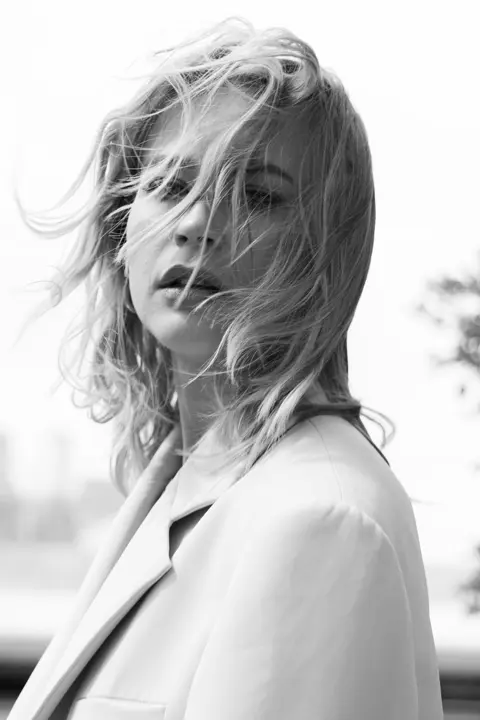
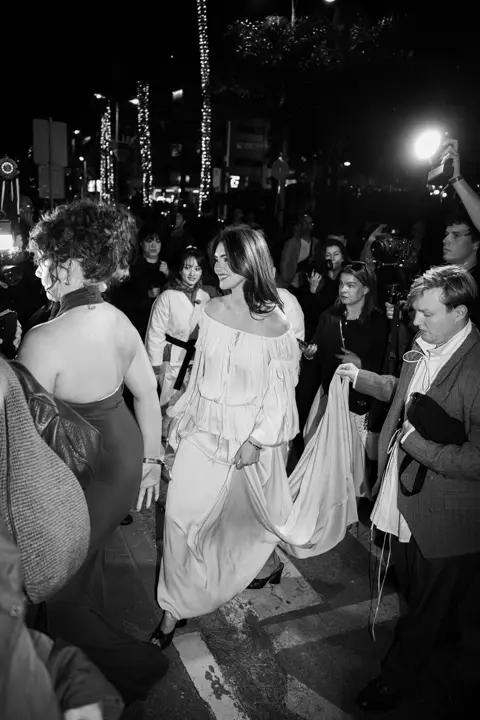
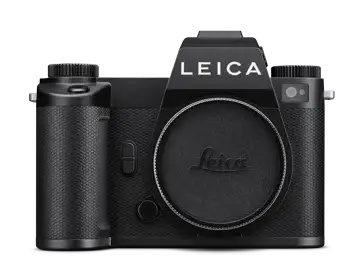
A camera should never interrupt the moment. Over time, tools become more than tools. They become extensions of how you see. In dance, you often have only a single image to tell the whole story – and that's exactly what the SL3-P is built for. Its new hybrid autofocus system stays stable even in dynamic scenes. At up to 40 frames per second with full autofocus support and 819 phase detection autofocus fields, nothing escapes me, even in the fastest moment.
The SL3-P's new 44-megapixel BSI sensor delivers up to 14 stops of dynamic range across an ISO range of 50 to 200,000, staying composed even in difficult light.
This is where Leica aligns with the way I work.
The clarity of design, the precision, the reduction to what is essential -
it allows me to stay fully present. To trust the moment and to respond without thinking.
Every frame is a step forward - toward a story worth telling, and a way of seeing I haven't reached yet.
The camera doesn't ultimately create the image itself – it makes it possible to be prepared for the decisive moment - Raphael Mittendorfer.


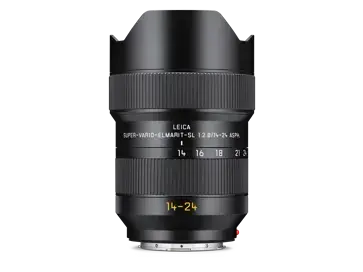
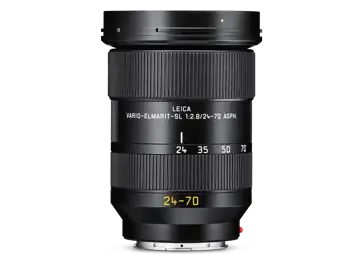
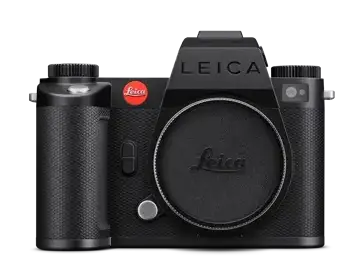
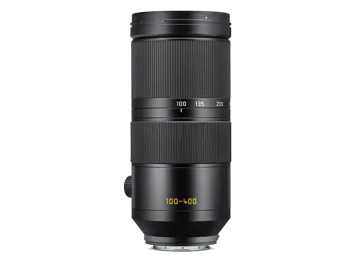
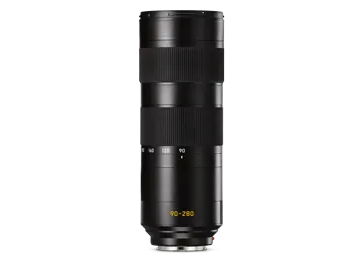


Every set, every stage, every new face in front of my camera teaches me something I didn't know before. That's the real reward of this work. - Raphael Mittendorfer
From its robust metal build and beautiful image quality to the selection of modern SL lenses and legendary M glass. I can choose the best tools to tell the stories I want to create. Because in the end, the camera doesn’t create the image. It simply allows you to be ready for it.
There is a certain honesty in fleeting moments. They don’t wait. They don’t repeat. They ask you to be present - fully. And if you are, even for a fraction of a second, they reveal something real. That’s what I’m looking for. Every time I pick up a camera.


About Raphael Mittendorfer
Raphael Mittendorfer is a Vienna-based Austrian photographer whose work spans dance, portrait, fashion, and lifestyle photography, shaped by more than two decades of experience as a dancer.
His visual language is built on anticipation: he captures moments at the point where
tension and emotion reach their peak. His background in breakdancing gives him a
sense of rhythm that translates fleeting movement into images that feel immediate yet
deliberately composed. Whether on stage, in editorial production, or in a real-world setting,
his work is always centered on making visible what lies beneath the surface.