
The Dutch Grand Prix
From Hearing It to Being There
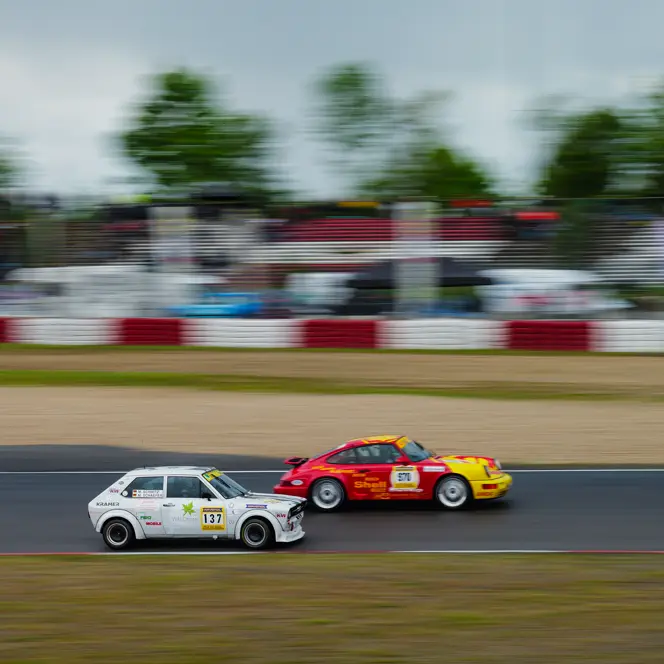
I moved to Haarlem in 2020, and since then the sound of racing has become an occasional soundtrack to my life. From my home, just 8km from the circuit, I can regularly hear the unmistakable howl of high-performance cars as they accelerate around Zandvoort. The sound carries across the town, sometimes faint and distant, sometimes surprisingly clear, depending on the wind. It has always been a reminder that one of the world’s great racing circuits is sitting almost on my doorstep.
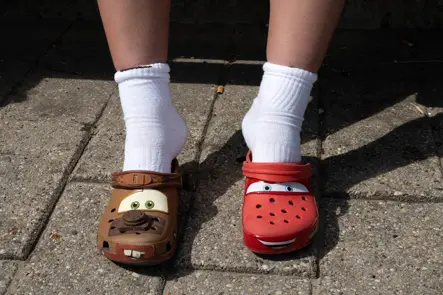
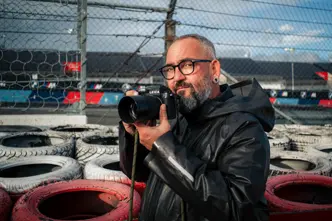
Yet, despite living so close, I had never actually experienced an F1 weekend at Zandvoort. I had heard the cars, watched the races and seen the enormous crowds descend on the town, but had never been part of it myself. So when Leica asked me to photograph the crowds and fans at the 2026 Dutch Grand Prix the final F1 race to be held at the circuit, I felt like I would witness part of Motor Racing history, I was genuinely excited. It felt like an opportunity to finally experience something I had been hearing from a distance for years.
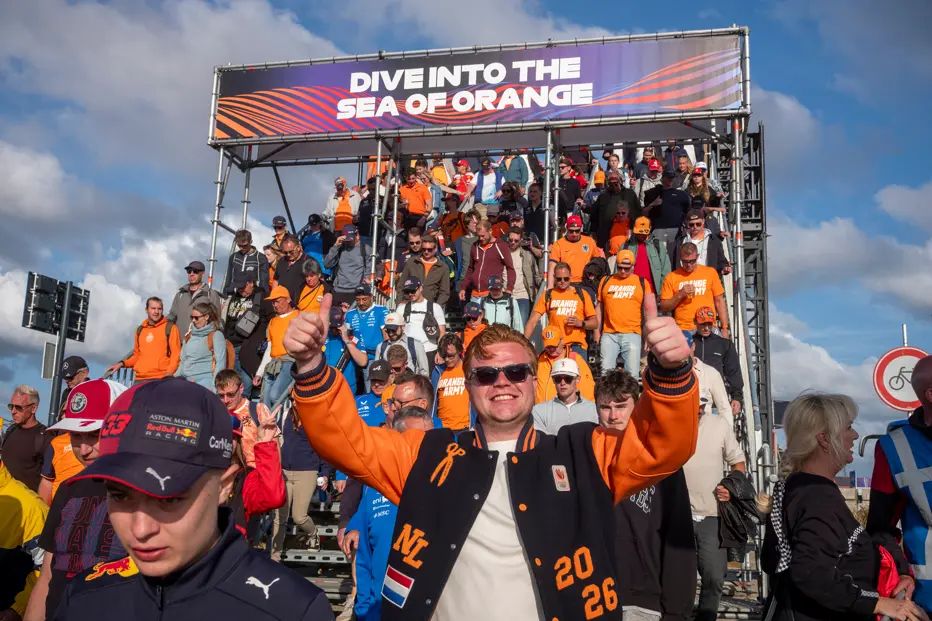
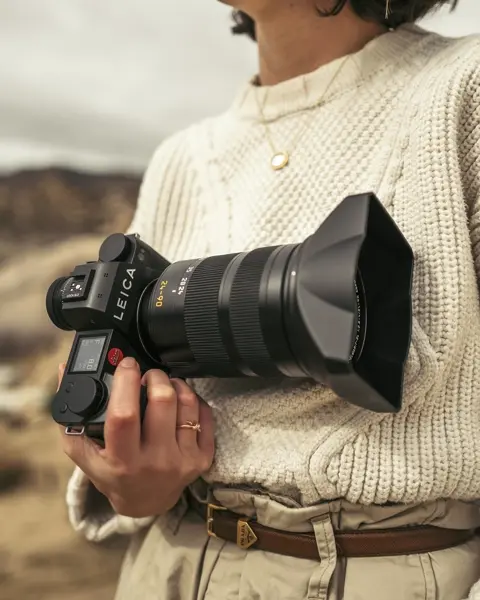
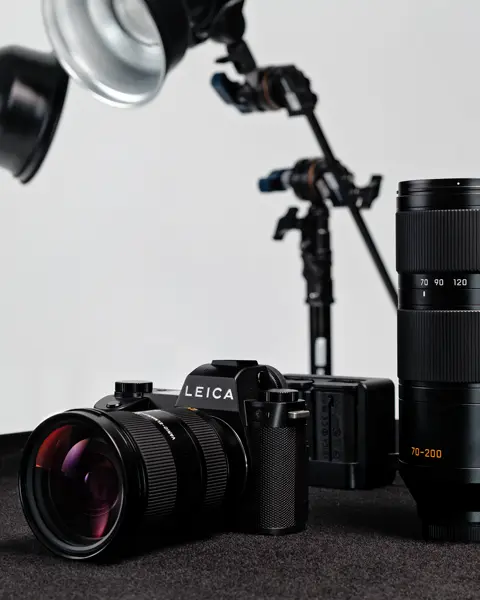
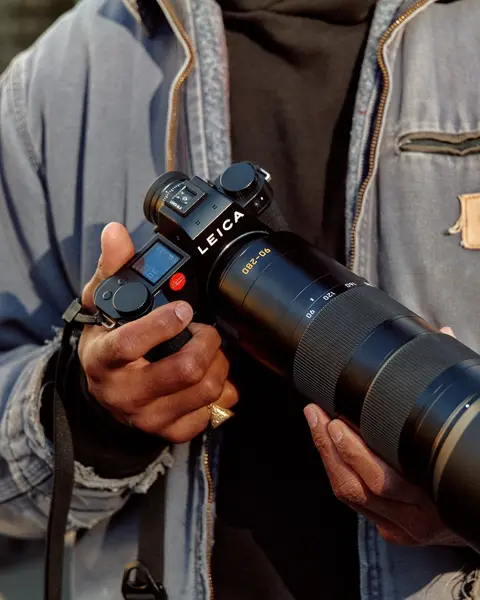
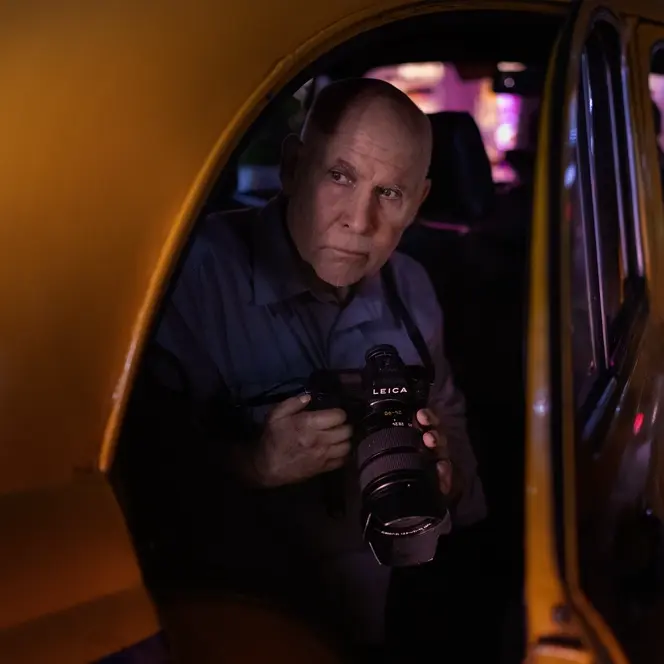
There was another element to the assignment that made it particularly interesting. Leica asked me to use their latest SL3-P camera, straight from the drawing board in Wetzlar. For me, this represented a significant change. I had been a lifelong Leica M rangefinder user, and the M-System had shaped the way I approached photography. I was used to manual focus, a compact body and the deliberate process of anticipating a moment rather than relying on technology to find it for me.
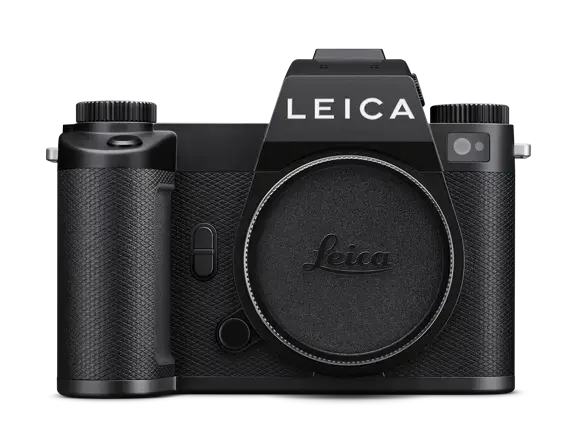
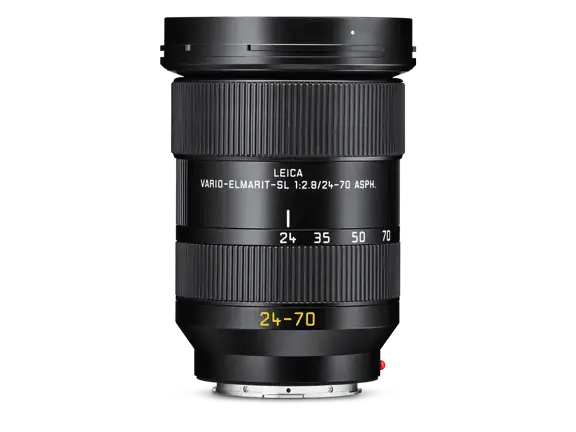
Now I was being handed something totally different: a high-performance, full-frame mirrorless camera, the Leica SL3-P, built around a 44MP CMOS sensor and an L-mount system. It promised speed, resolution and a level of autofocus performance that was completely unfamiliar to me.
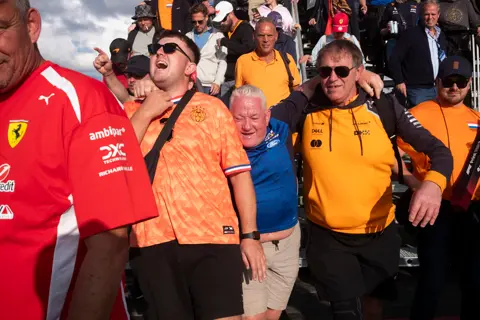
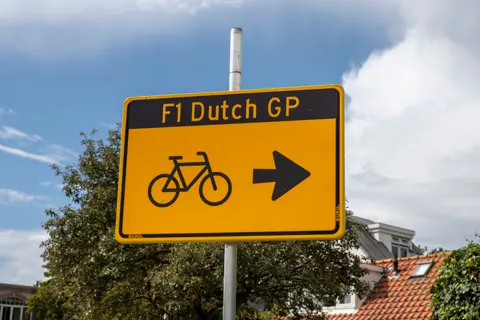
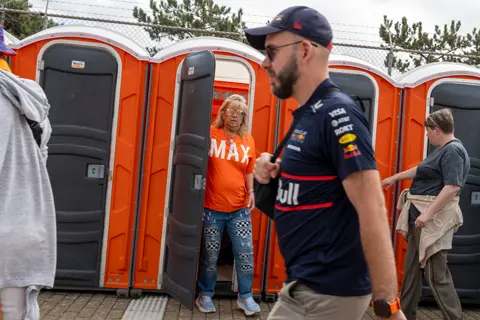
I wondered how it would feel in the real world. Would I find it heavy or cumbersome after years of working with an M? Would its more substantial appearance make me conspicuous among thousands of fans? More importantly, would I actually enjoy using it? There is always a slight anxiety when changing equipment, particularly when the camera you are accustomed to has become almost an extension of the way you see.
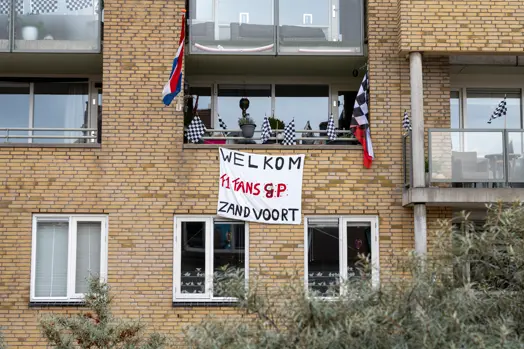
On Super Friday morning, I jumped on my bike and headed down the cycle path towards Zandvoort. The route was familiar, but the atmosphere was anything but. The normally quiet journey had been transformed by the arrival of thousands of Formula 1 fans. Orange shirts, flags and banners filled the roads, and groups of supporters were making their way towards the circuit, already caught up in the excitement of the weekend.
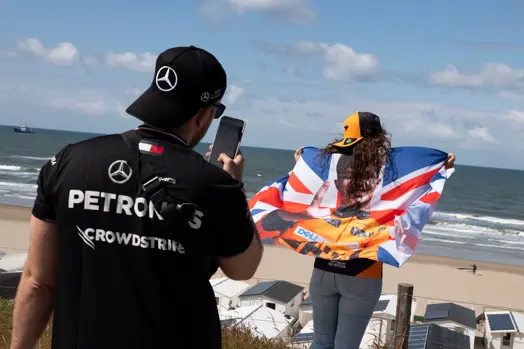
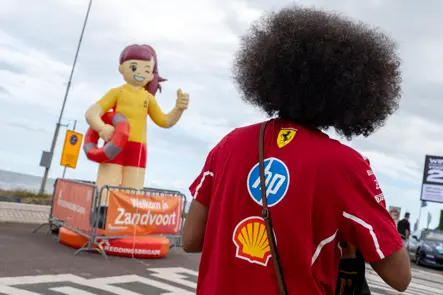
I weaved my way through the exuberant crowds, occasionally having to dodge cyclists, pedestrians and, somewhat incongruously, the occasional Ferrari. The closer I got to the circuit, the more intense the atmosphere became. The sound of the cars, which I had become accustomed to hearing from home, was now getting louder and more immediate.


Arriving outside the circuit, I found myself surrounded by a sea of orange enthusiasm. Fans were everywhere laughing, shouting, waving flags and photographing one another. Almost immediately, the SL3-P began to change the way I worked. Its ability to acquire focus quickly and lock onto people’s faces was something my manually focused rangefinder simply couldn’t replicate. Instead of having to anticipate every movement and carefully adjust focus, I could concentrate more completely on what was happening in front of me.
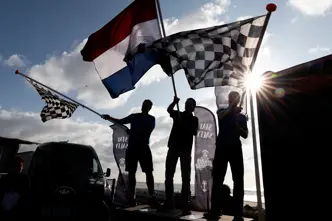
That freedom was particularly valuable in the crowds. Moments appeared and disappeared almost instantly: a fan turning towards a friend, a child reacting to the cars, a burst of laughter, a flag suddenly catching the wind. The camera allowed me to react to those moments rather than constantly preparing for them.
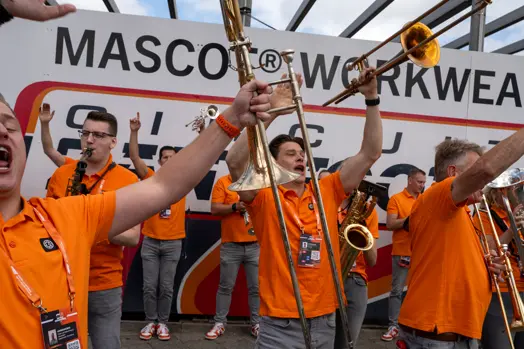
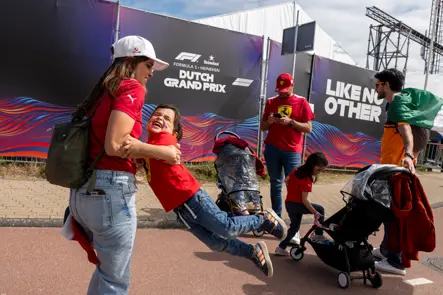
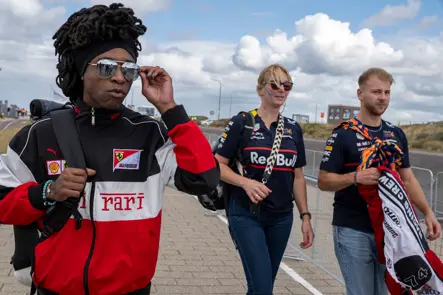
And surprisingly, my initial concerns about the camera’s size quickly disappeared. I wasn’t as conspicuous as I had feared, nor did the SL3-P feel as bulky as I had imagined. In fact, as the weekend progressed, I began to appreciate how its speed and responsiveness complemented my own way of photographing.
For the first time, I wasn’t simply listening to the Grand Prix from my home in Haarlem. I was there amongst it moving through the crowds, experiencing the noise and energy, and photographing the people who had come to celebrate the final chapter of Formula 1 at Zandvoort.
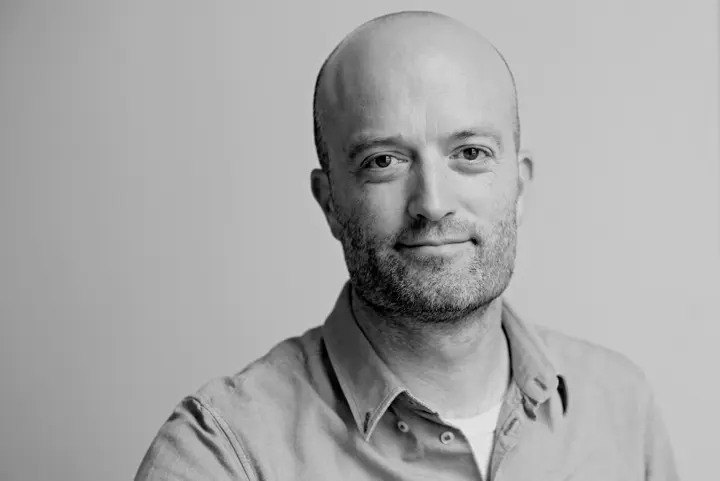
About Matt Stuart
Matt Stuart is a British street photographer whose attentive, often humorous images reveal the unexpected theatre of everyday urban life. For more than 25 years, he has photographed on the street with both film and digital Leica cameras. His published works include All That Life Can Afford and Into the Fire. His latest book, Reclaim the Street: Street Photography’s Moment, was co-authored with Stephen McLaren and published in 2023.
Discover more at mattstuart.com.
© Matt Stuart. All rights reserved.
.