
Lost on Route 93
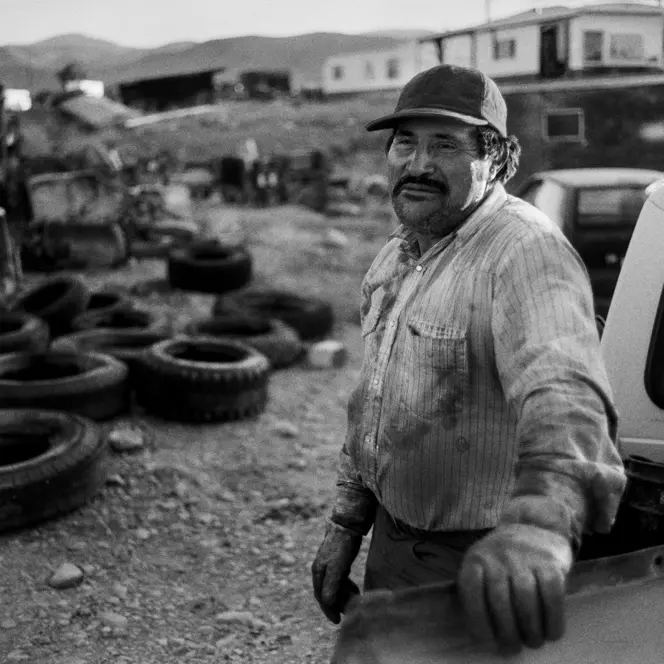
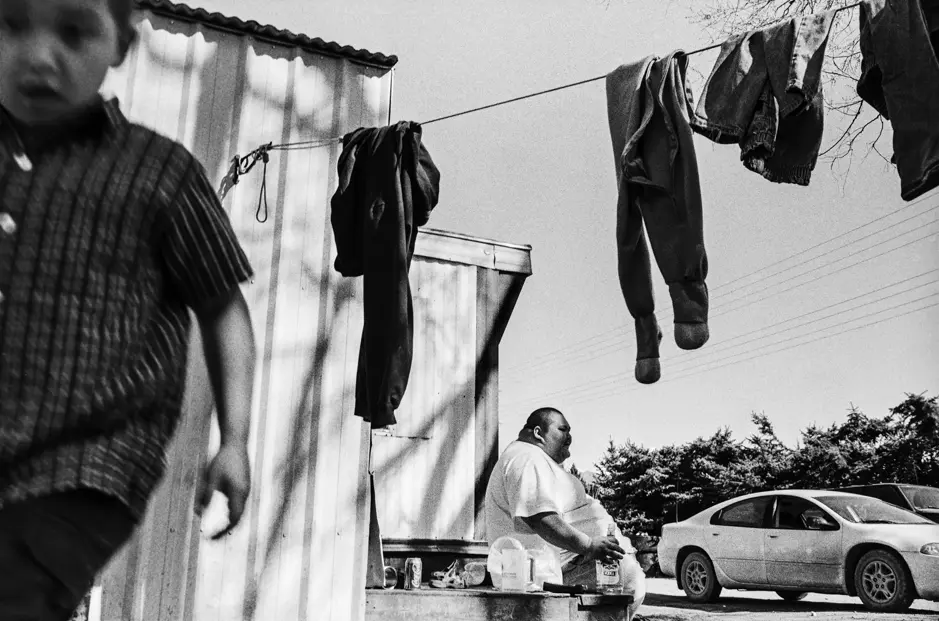
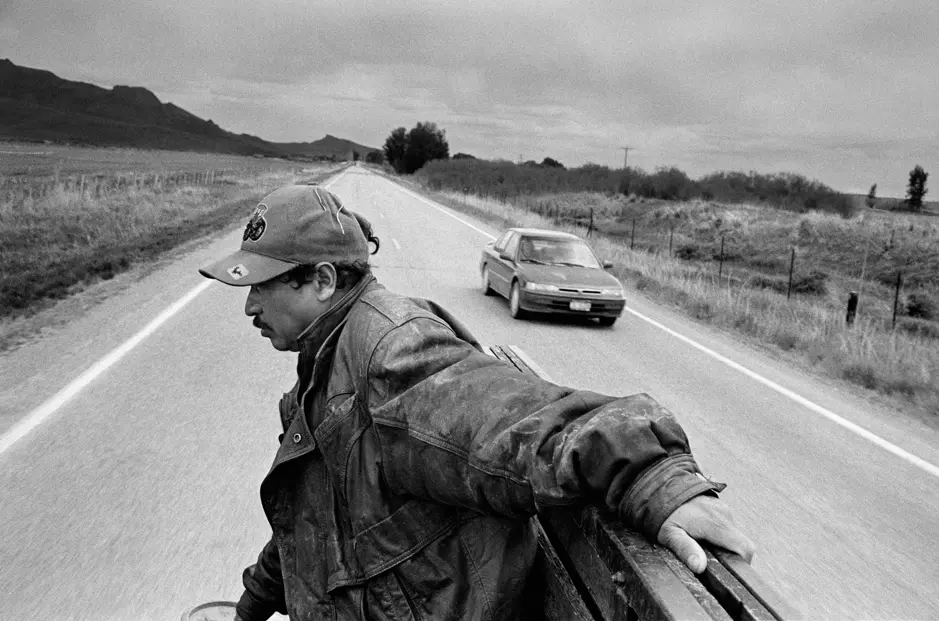
Endless expanses, scattered settlements and the Rocky Mountain range, define the landscape along Highway 93 in the north-western USA. Many outsiders find much that is strange in these rural areas in the states of Montana and Idaho: the romanticised ideas of the Wild West and the hard realities of people’s everyday lives are often worlds apart. With rich contrasts and stunning imagery, Matthew Hayes offers a glimpse into a region full of contradictions.
The Interview with Matthew Hayes
What is the series Lost on Route 93 about?
Matthew Hayes: It’s about the mood, moments and characters defining the lifestyle along a rural stretch of highway through Montana and Idaho.
What is it that fascinates you about this region?
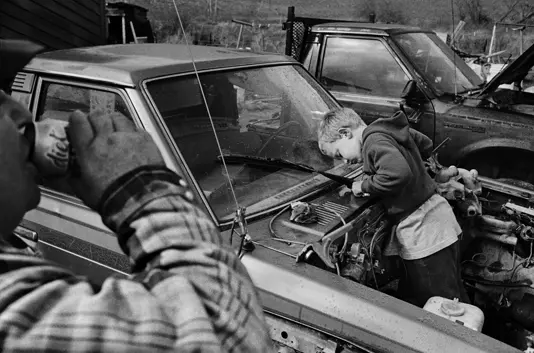
This region is a place rich with contradictions, and I find that so incredibly compelling. Many here live through hardship yet they are surrounded by a most spectacular landscape. There is a sense of freedom in its open spaces and remoteness, yet opportunities and resources can be so incredibly limiting. Strong values rooted in family, work ethic, religion and community run in parallel with the darker themes of unemployment, low-income and substance abuse. Exploring the lines that define these contradictions is what has always been so intriguing from a storytelling perspective.
The highway is 2,345 km long and crosses four states. How did you plan your route, and over what period were you travelling?
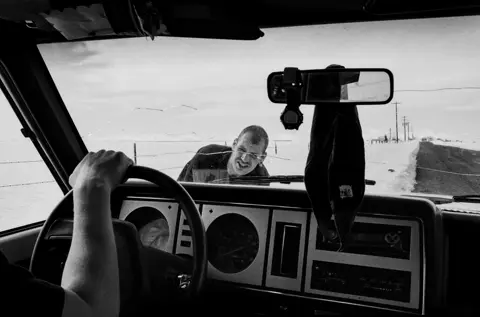
The project focuses on a specific 480-mile (772 km) stretch throughout Western Montana and Eastern Idaho documented over a seven-year period from 2004-2011. This section essentially marks an extended periphery of all the places I lived and worked along various parts of the highway during that time. Naturally, this specific area became a place I was emotionally connected with on a deep level and felt compelled to document. I considered it my home. Mostly on my own time, I would drive the highway with a serendipitous agenda that was advantageous for embedding myself as intimately as possible within its various communities.
How did you get into conversation with people? How did they respond to you as a photographer?
I felt it crucial to establish a rapport and trust with most subjects prior to photographing them. Therefore, I heavily invested in meeting people at local events and starting conversations with the various characters I encountered. I was open about the project and why I was doing it. The vast majority were accepting and willing to engage. The process of building intimacy often required patience, and I would usually spend a day or two with subjects before any serious photography commenced. Living in the area made it easier to visit locations and people multiple times, and I usually found that only after a second encounter with someone would the opportunities truly develop.
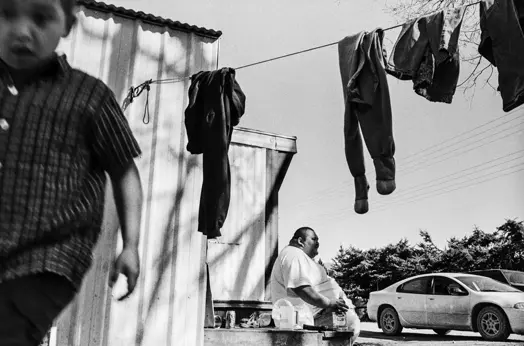

What are the hopes and dreams of the people there?
Many here are rooted in strong traditional values and come from proud families that have lived here for generations. Carrying those traditions forward is a sense of pride and purpose many here live with. On the other hand, many are lost or looking to escape to an isolated place and are limited by opportunity; so it’s a combination of new starts and dead-ends alike.
What role do composition and image structure play in your work?
The project focuses on the lifestyle of the highway rather than its physical exploration, resulting mostly in images of people. With that said, there was an emphasis to add the occasional environmental picture to ensure the work include a strong sense of place. Regardless of the subject matter, composition is paramount in my work and is typically the dominant element behind my vision. I strongly believe a layered composition showcasing multiple elements and negative space are effective components when trying to create storytelling and intimate moments.
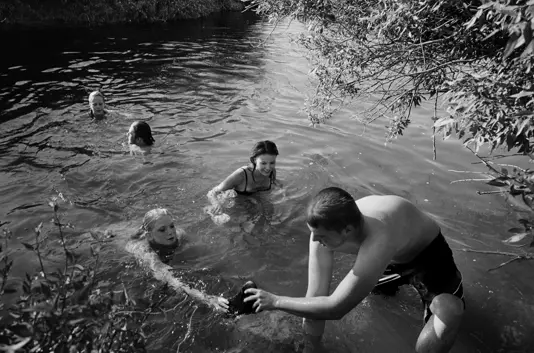
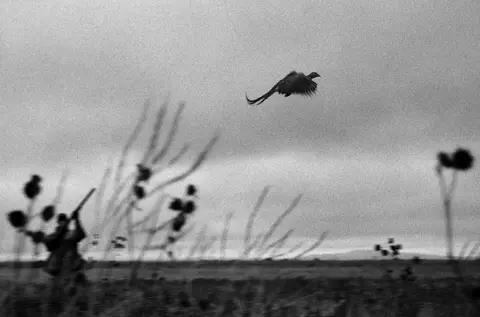
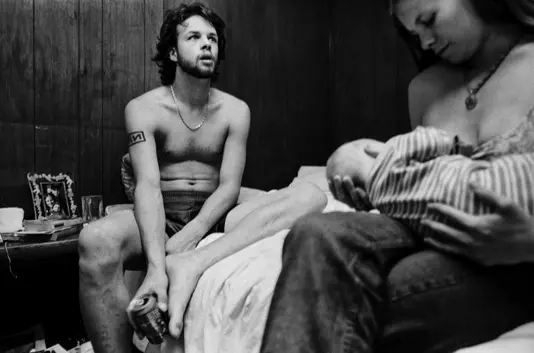
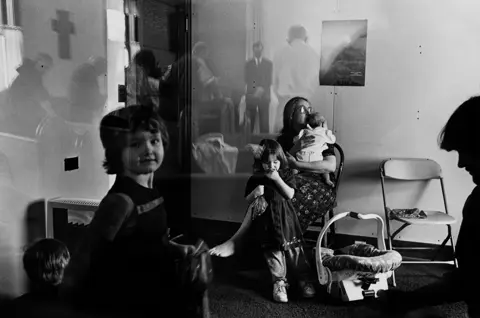
What made you choose to shoot in black and white and on film?
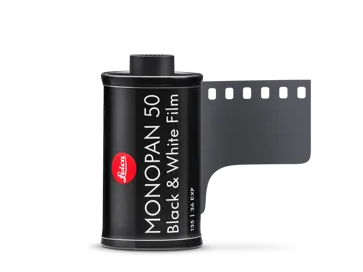
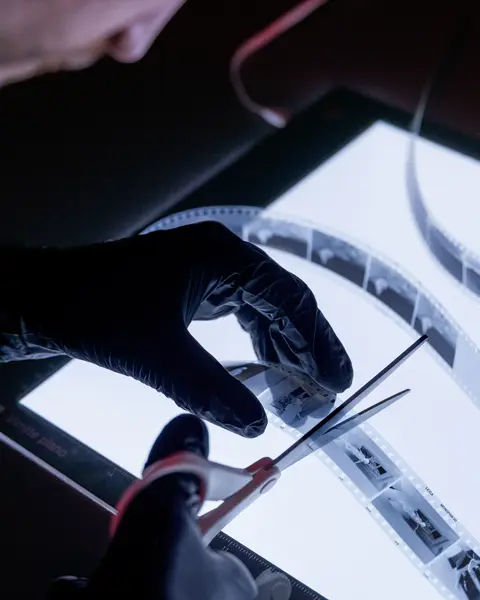
What I love most about black and white film photography is that it offers a slight tweak to our everyday reality, that it is so conducive to creating an alternative world ripe with mood, enigma and energy. This project was also during a period when I was in love with the darkroom. Having complete ownership of the developing and printing offers such a tactile experience that is so rewarding and meditative.


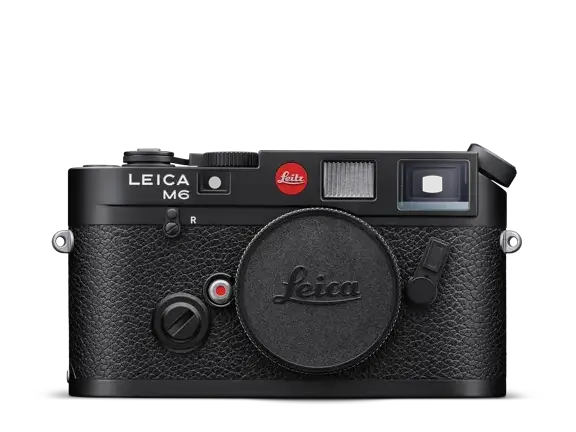
Matthew's Gear
About Matthew Hayes
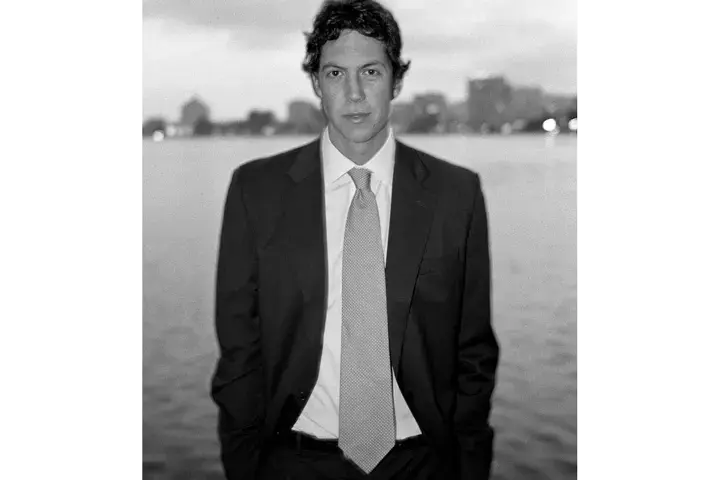
Born in 1980, Hayes graduated in Photojournalism from the University of Montana in 2004. A central element of his work is the documentation of rural life and culture in the Rocky Mountains region of the north-western United States. His pictures have been exhibited in and received awards from various national and international institutions. Most recently, he won the Eyeshot Open Call 2024.
© Matthew Hayes. All rights reserved.