
The Value of Looking Slowly
The Importance of What Endures
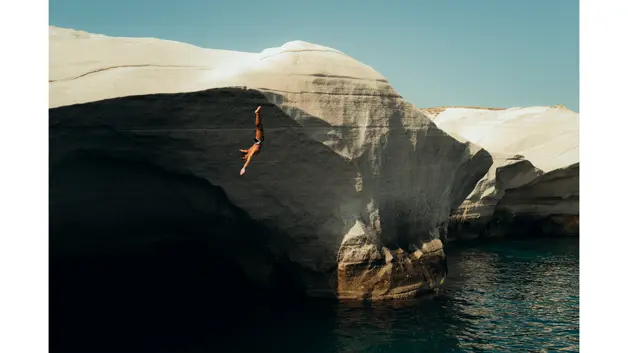
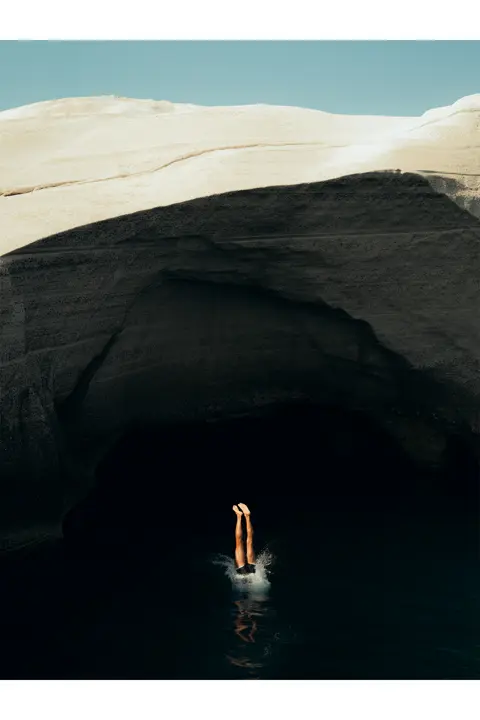
There are photographers whose work does not seek to stand out, but to linger. María Remiro’s belongs to that subtle territory where images do not demand immediate attention, yet stay with you. Her work invites the viewer to slow down, to observe with care, and to accept that many visual stories are built through silence and restraint.
The Interview
Where do you usually find inspiration to photograph? Does it come more from what you see or from what you feel?
My inspiration is born from the fear of forgetting, from the need to freeze moments so I can relive them clearly every time I return to an image. That’s why I’d say it comes a little more from what I feel than from what I see. What is visible is there for everyone, but what drives me to take the photo is a sensation, something hard to explain, as if that moment had something I don’t want to lose.
Do you feel you’ve developed your own way of looking at the world through the camera over time? How would you define it?
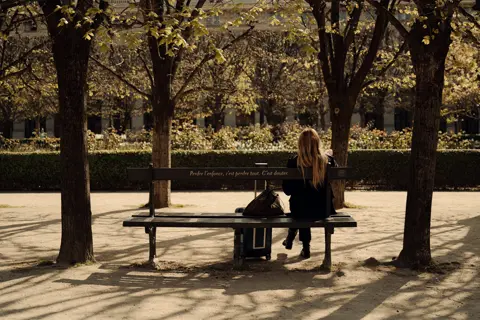
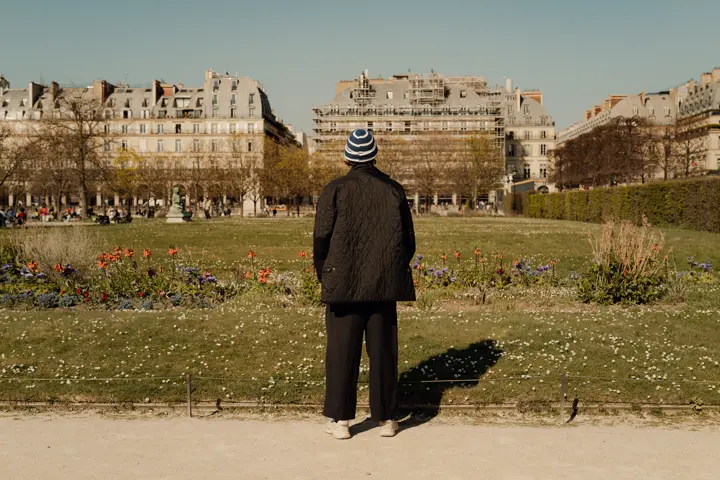
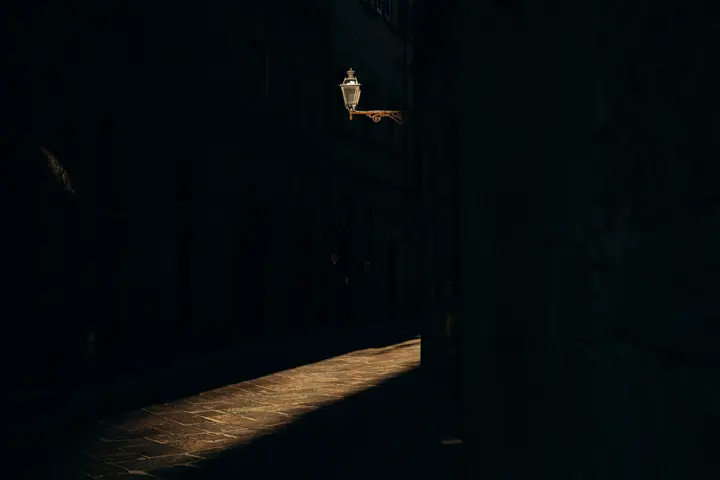
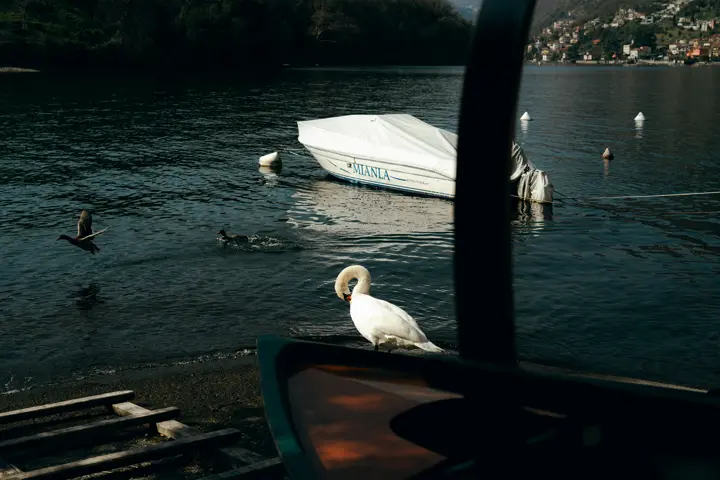
Yes, over time I feel I’ve developed a fairly defined gaze. My process has been more about refining than adding: removing what’s unnecessary to stay with what’s essential. I’m drawn to calm spaces, clean compositions and details that often go unnoticed. There is a constant intention to simplify, to reduce the image to what is necessary.
My gaze tends to be somewhat minimalist, but it’s very much guided by emotion. Even when it changes, that search for the essential is always present.
-
María Remiro
-
-
-
-
-
-
-
-
-
Travel is often a great creative source. How does it influence your photography and your way of telling visual stories?
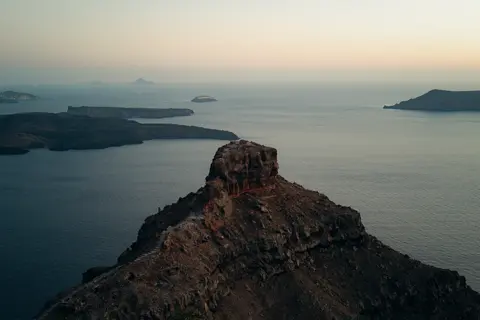
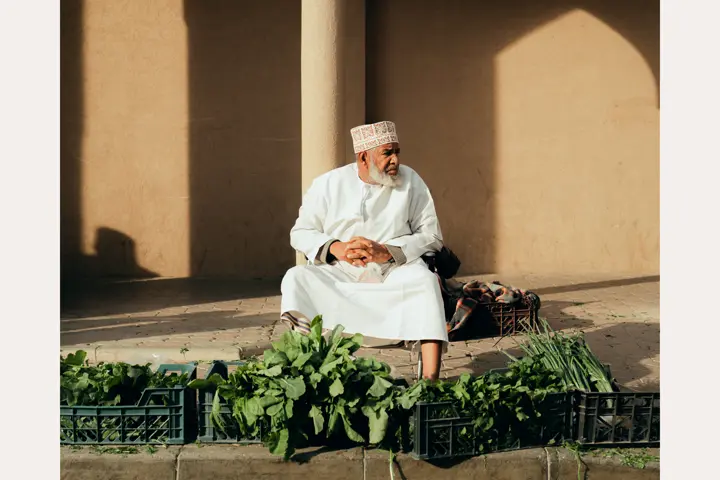
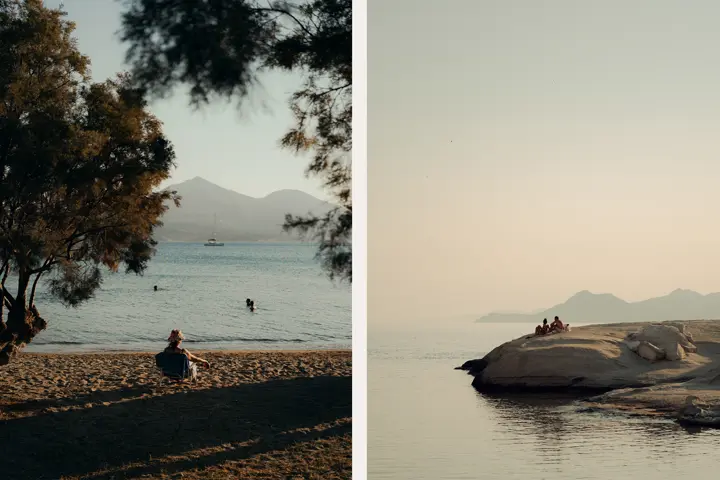
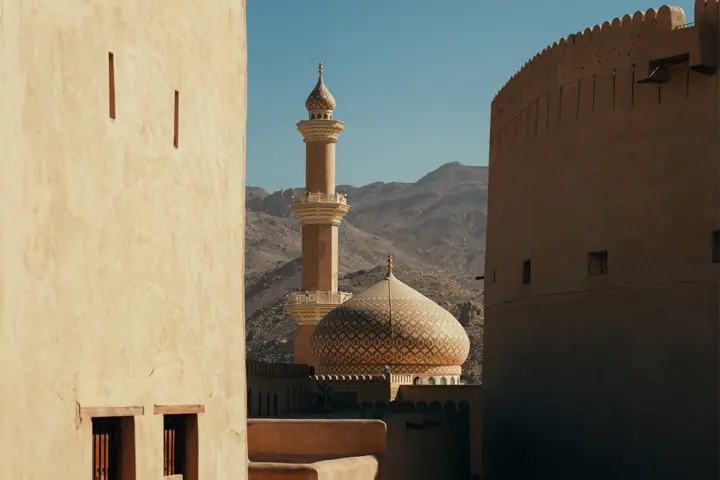
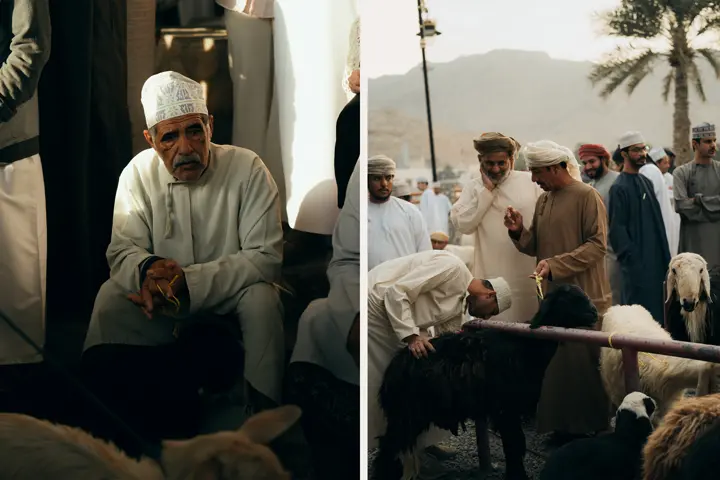
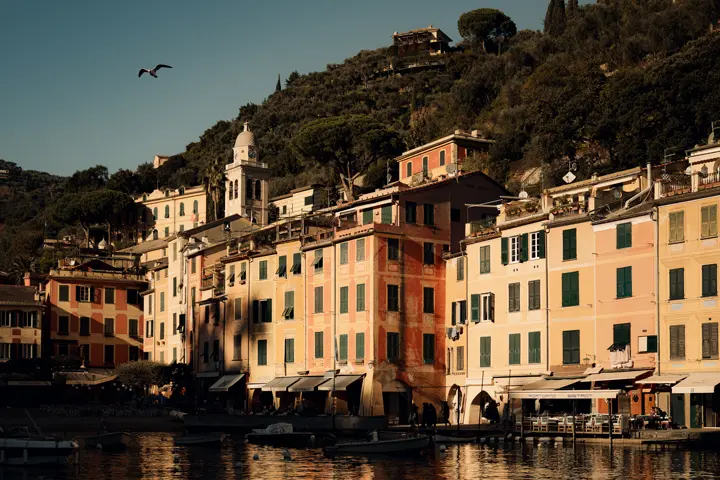
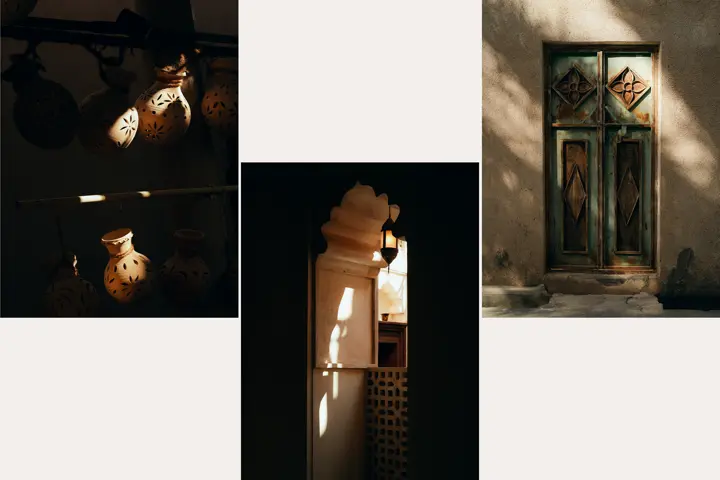
Travel completely changes the way I observe. In a new place, everything becomes more intense: the light, the colors, the textures, the people. The gaze becomes more conscious and every detail requires more attention.
I think travel doesn’t just influence what I photograph, but how I tell it. I’m not interested in simply capturing places, but in the atmosphere that surrounds them—what it feels like to be there.
Spain appears strongly in many photographic works. What does this country have that makes it especially photogenic or inspiring?
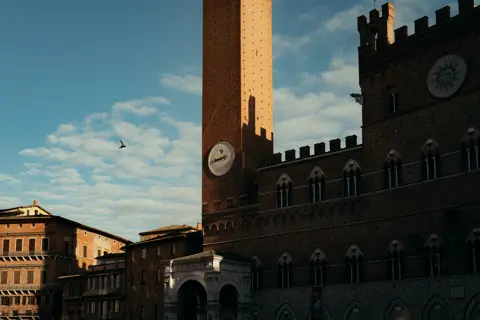
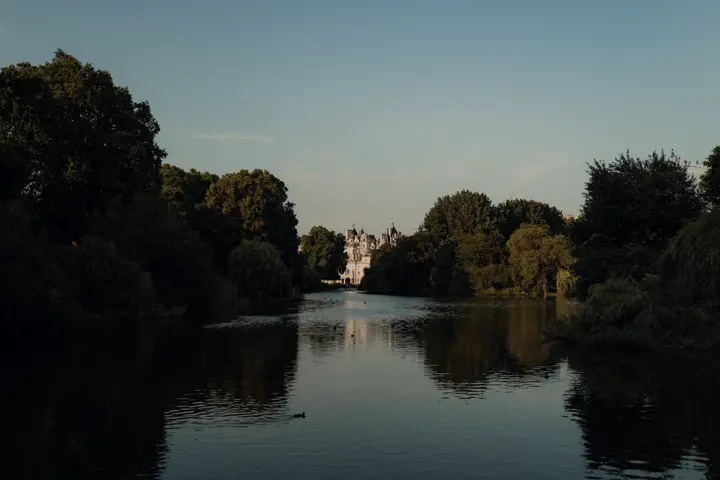
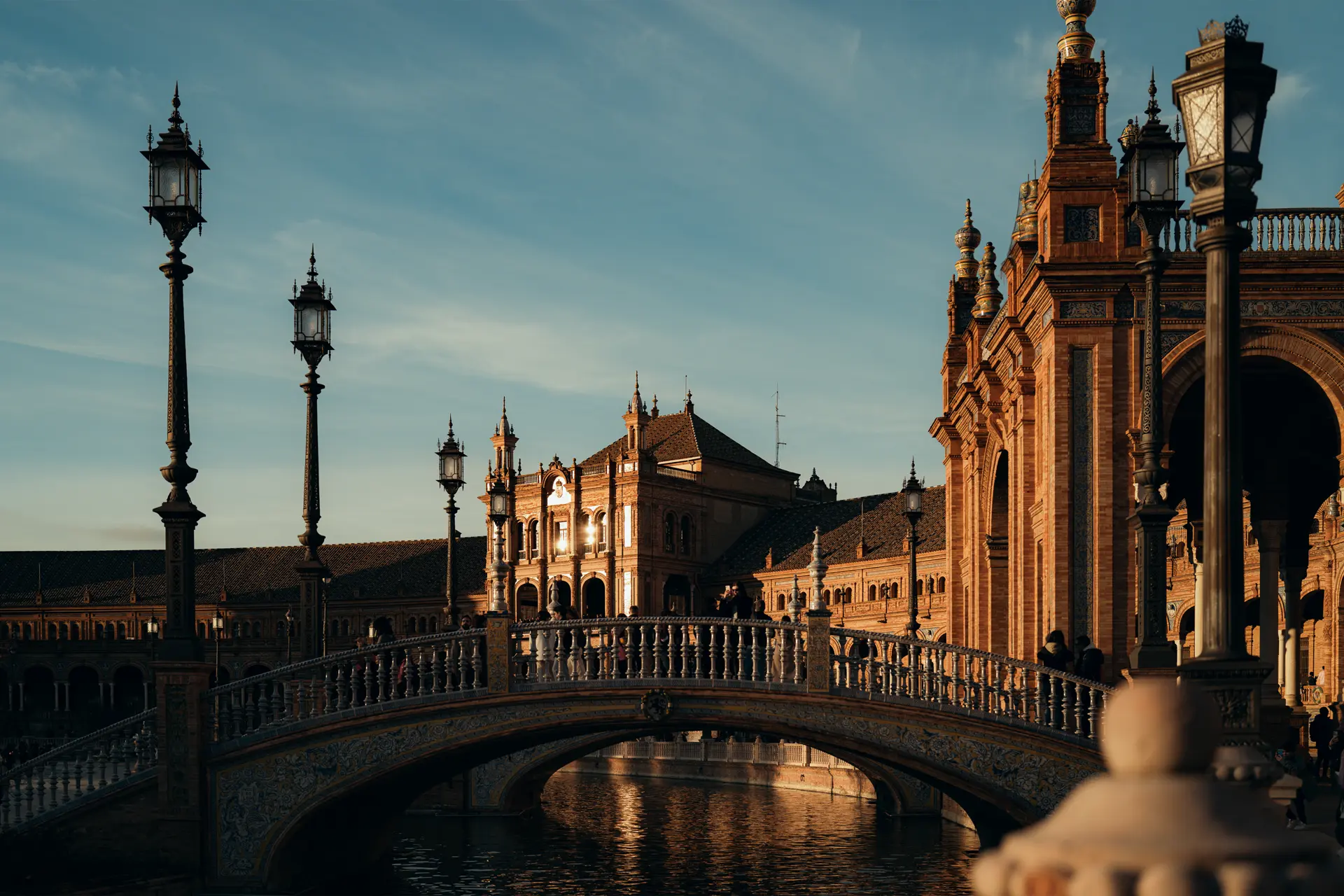
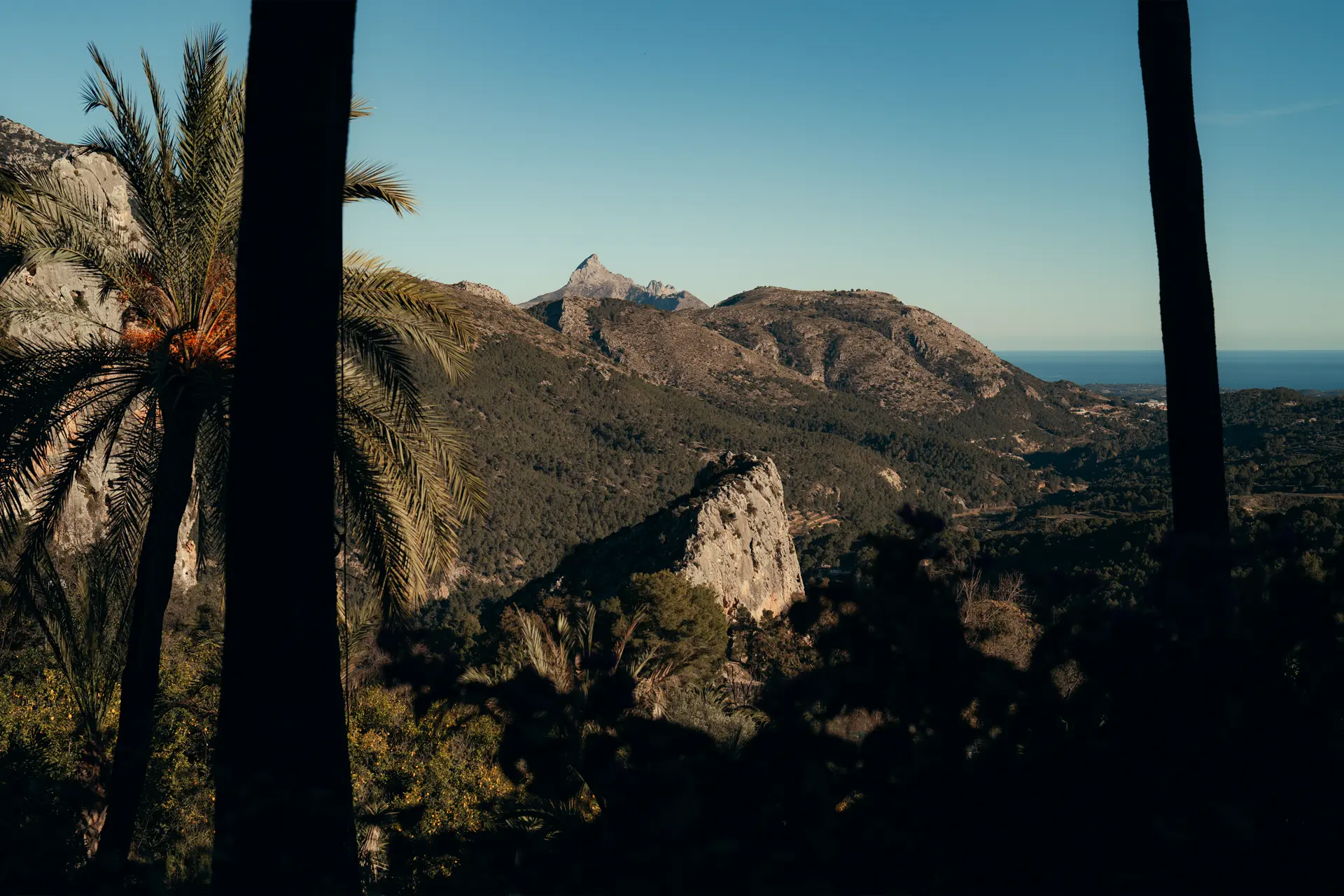
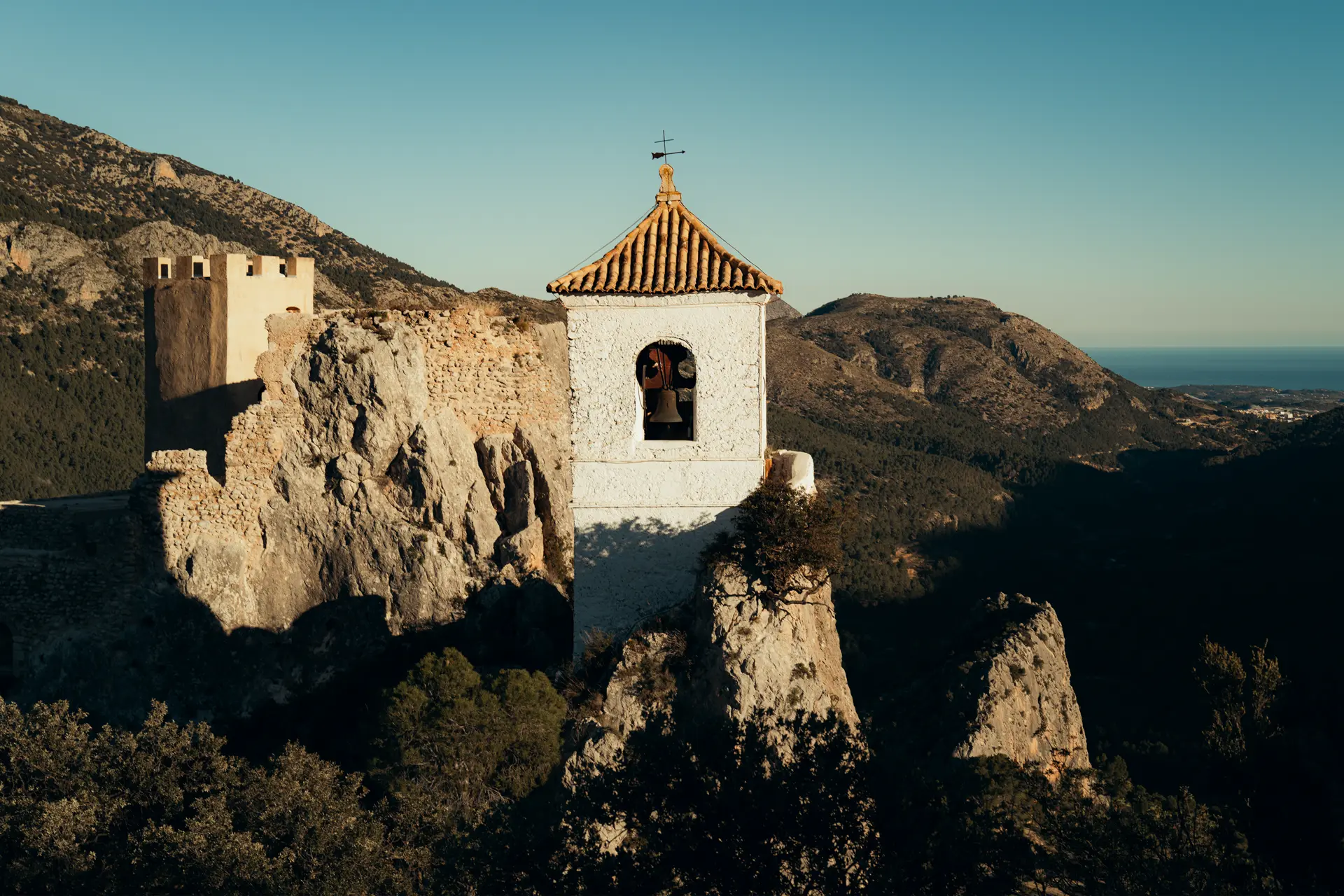
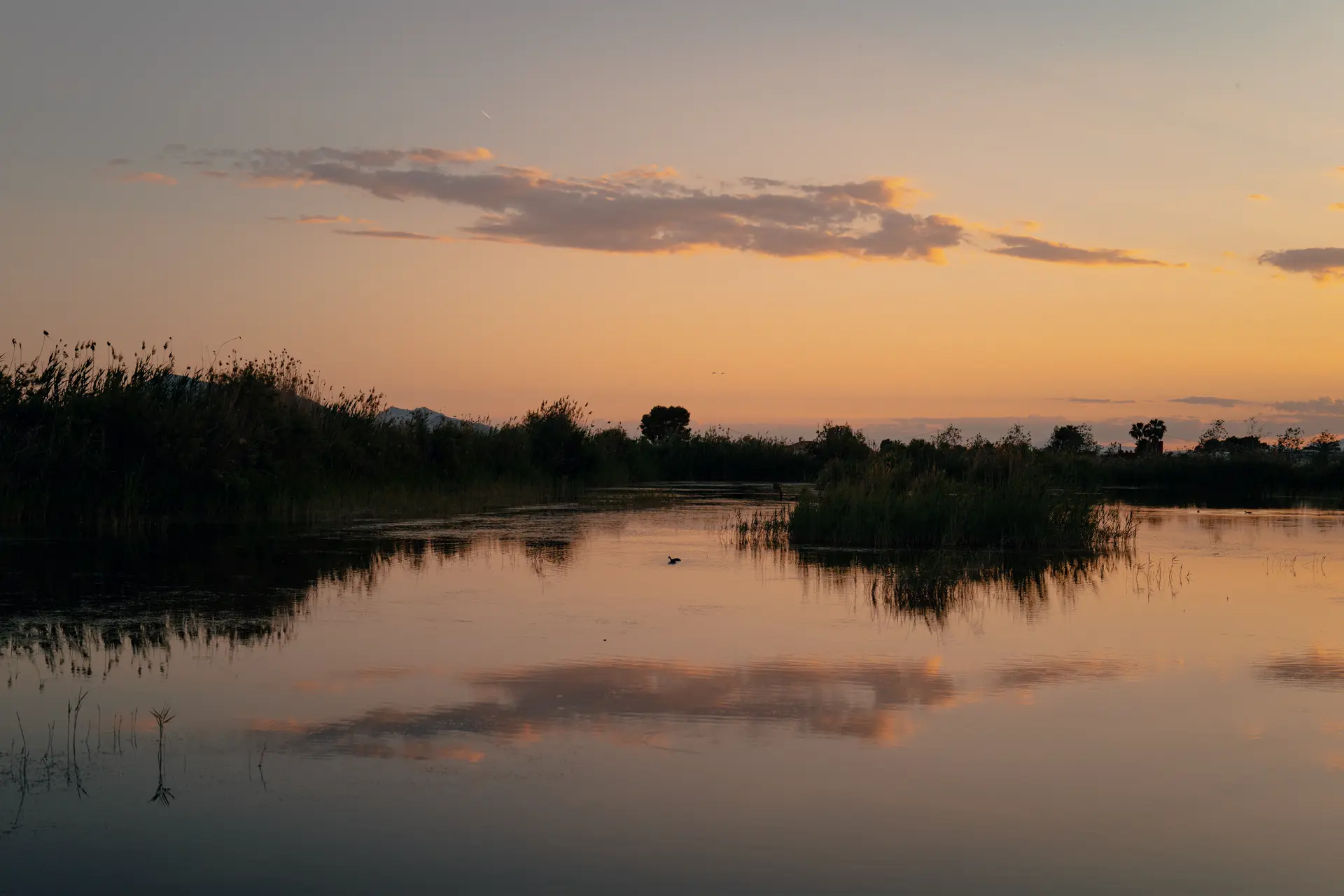
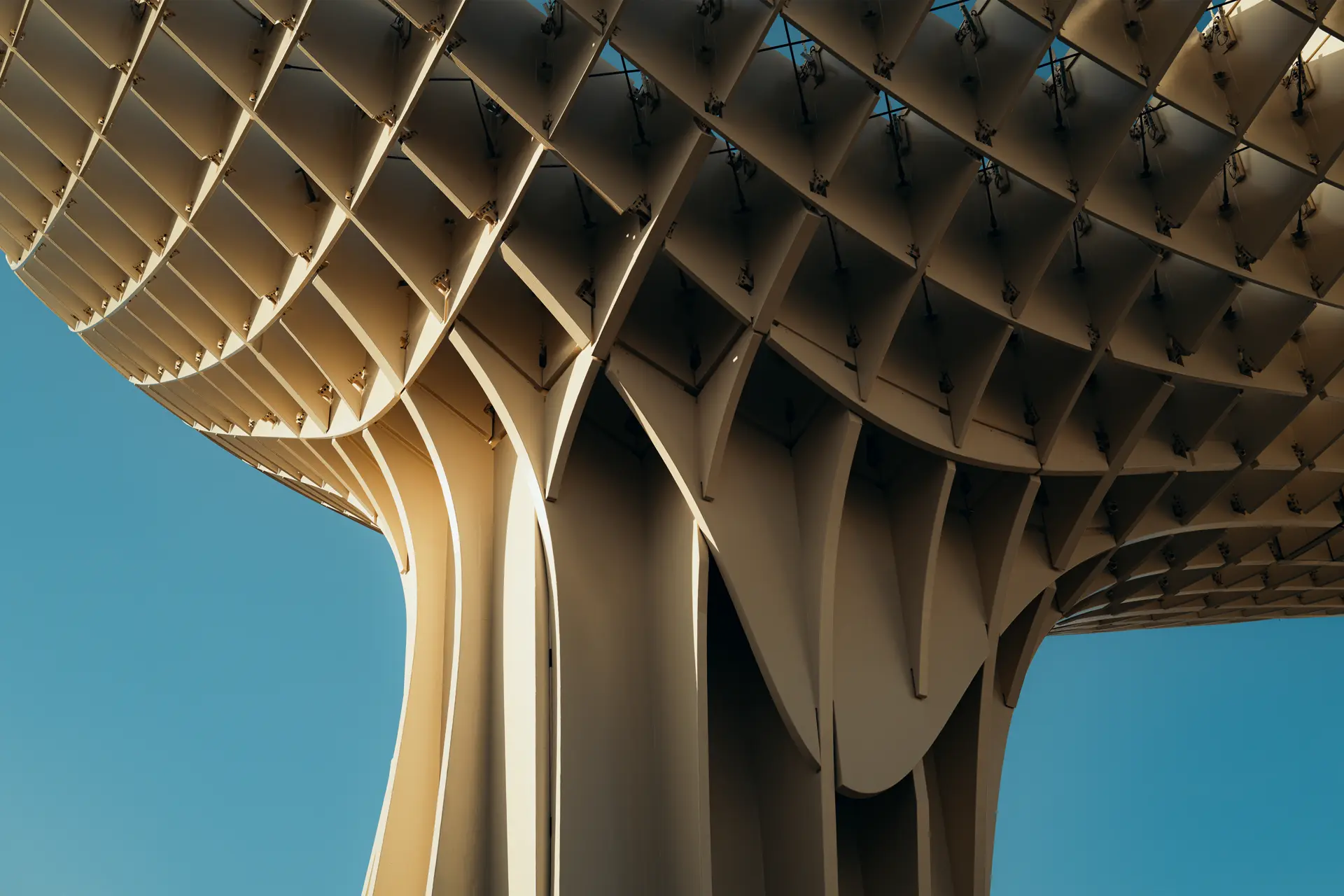
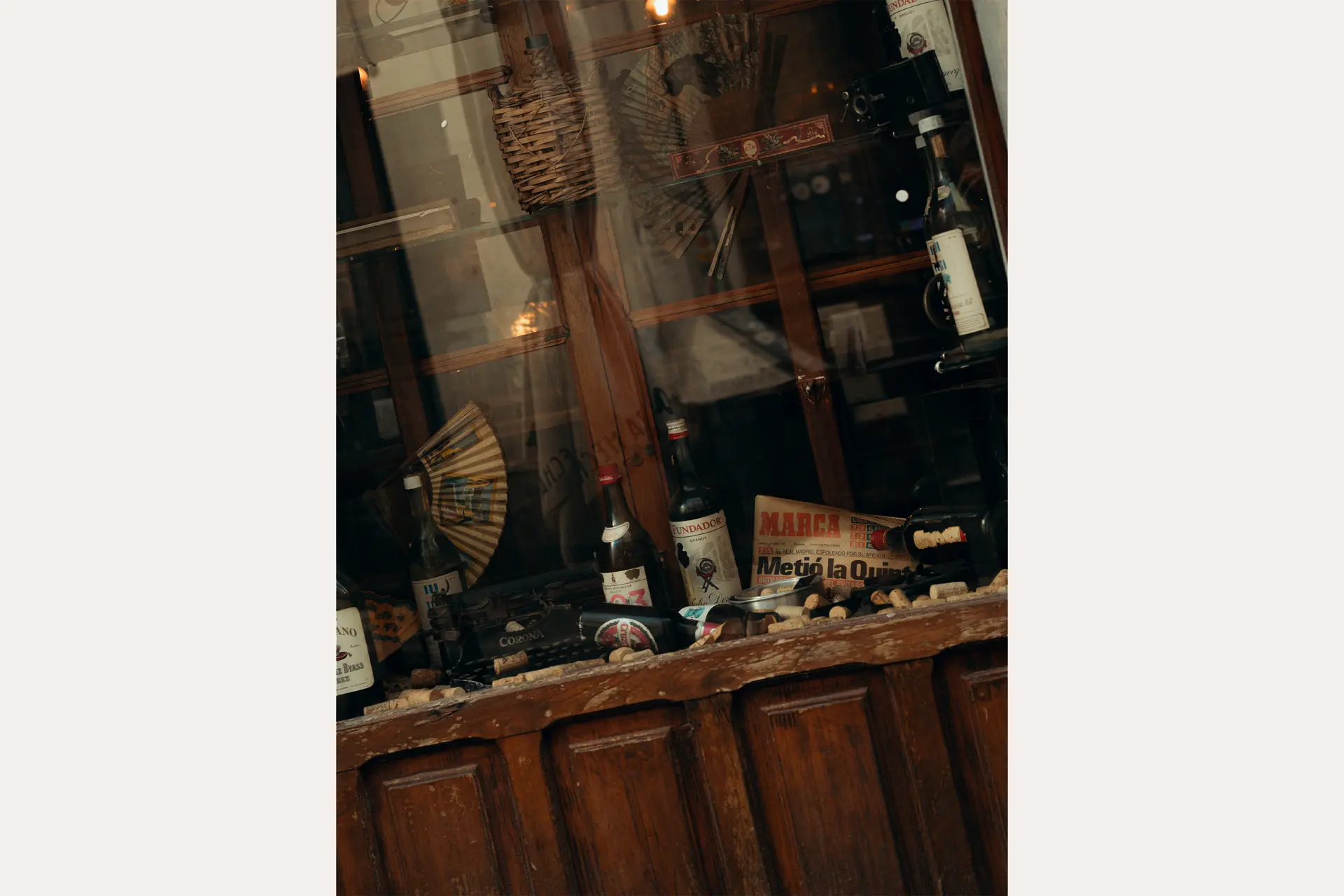
Spain has a special light. There is a strong visual richness in the everyday: in textures, contrasts, in how tradition and daily life coexist. Everything has identity, even the simplest things. I think it’s a country with the ability to surprise you, revealing itself little by little when you truly learn how to look.
For a long time, perhaps out of habit, I didn’t pay the same attention to it. When you grow up surrounded by something so familiar, it’s easy to stop looking at it with curiosity. Traveling has changed that for me. Being exposed to other places, other lights and other ways of living always makes me return to Spain with a different, more attentive gaze.
-
María Remiro
-
-
-
-
-
-
Framing is key in photography. What is the first thing you pay attention to when deciding how to frame a scene?
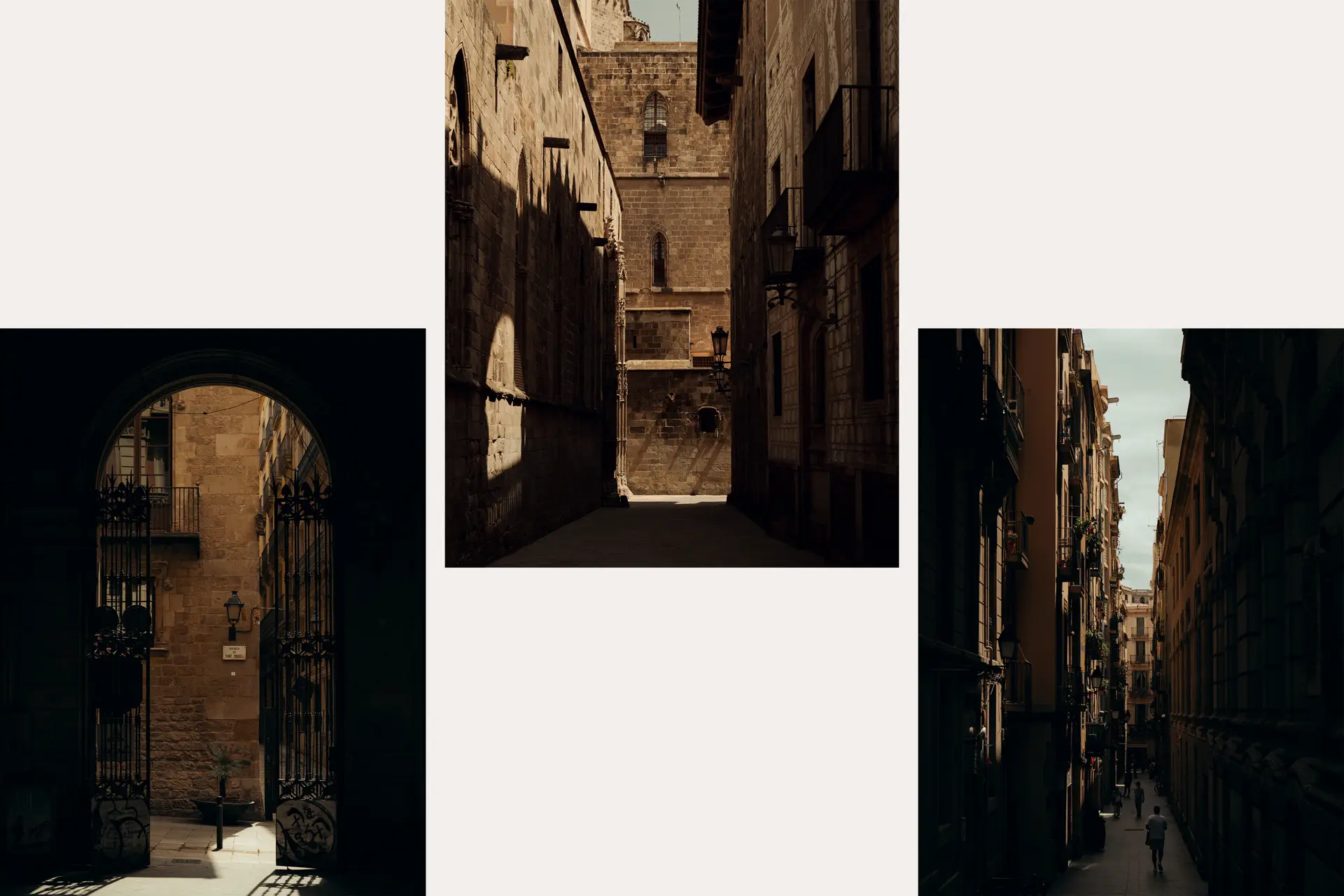
The first thing I look at is the light. For me, it defines the scene in most cases. And then, what doesn’t belong. Before thinking about what to include, I try to understand what is getting in the way within the frame. When I remove what I don’t need, the image starts to make more sense. From there, I focus on what’s essential, finding balance and giving space to the composition. I like images to breathe and for every element to have a reason to be there.
Do you usually plan the frame, or do you prefer to be guided by intuition and the moment?
I try to plan enough to be in the right place at the right moment, because light doesn’t wait. But within that framework, I let myself be guided completely. I don’t like arriving with a fixed frame in mind because I feel it limits me and can make me miss everything else—which is often even more interesting. Sometimes I start with an idea or intention, but the most interesting things usually appear when I leave room for the moment to surprise me.
Although I’m quite a perfectionist, in this case I try not to control things too much and allow the place to guide me.
The Camera as a Companion
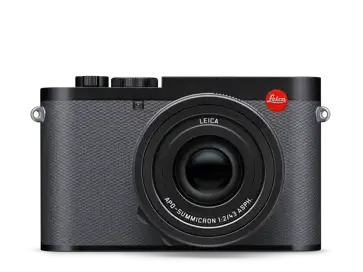
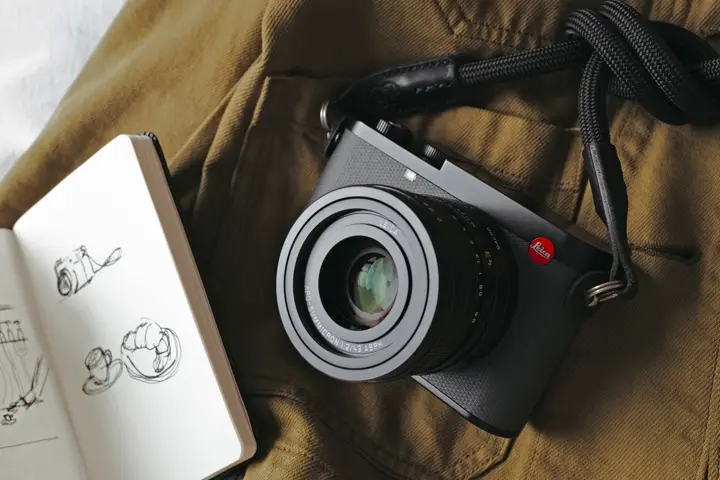
You work with the Leica Q3 43. What does this camera give you creatively that you do not find in other models?
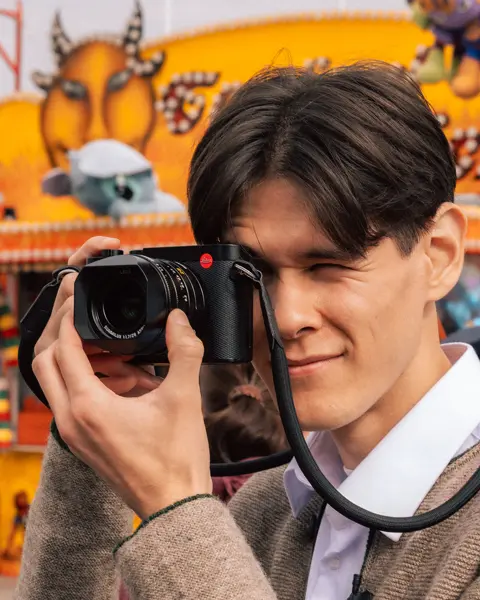
It gives me a much more intuitive and lighter way of working. The 43mm feels ideal to me. It’s a focal length very close to how I see: close enough for elements to have weight, and open enough for the scene to breathe.
It’s a camera that doesn’t interfere, but accompanies. I particularly like how it interprets light and color in a very natural yet distinctive way, allowing me to focus more on what I want to tell rather than on the technical side. Its fast response also helps me in spontaneous moments when there’s no time to think too much.
The camera does influence me—I’d be lying if I said otherwise. A smaller, more discreet camera changes the way you move and how you relate to people and spaces. In that sense, the Q3 43 allows me to approach differently. But in the end, the gaze comes before any camera. A camera can accompany, but it doesn’t create the vision. For me, it remains an extension of the gaze, something that facilitates the process without conditioning or defining it.
Advice to the Community
For those who dream of photographing travel and places with a personal approach, what advice would you give them?
The most interesting travel photography isn’t about just showing places, but about the specific experience of being in that place at that moment—something no one else can repeat. I think the most important thing is learning to identify what draws your attention, even if it’s small or seemingly simple, and give it value. And then, to be consistent. A personal gaze doesn’t appear overnight; it’s built over time.
I’d also say it’s important to learn to observe without rushing. Sometimes the most interesting things aren’t in the obvious, but in what only appears when you stop and look.
About María Remiro
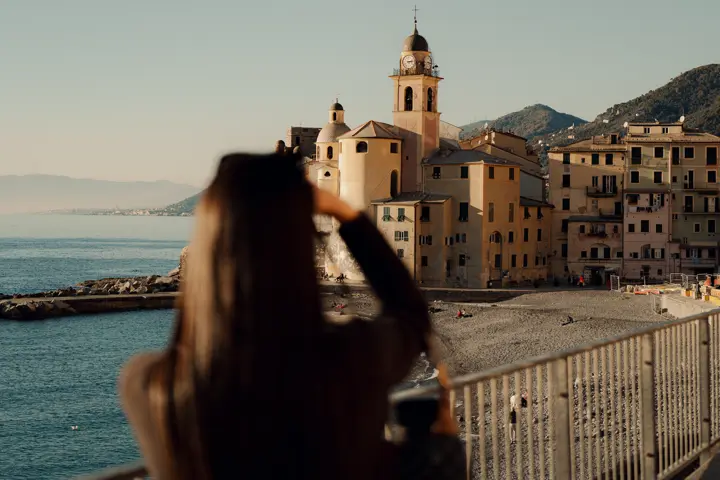
She grew up in a small town in the province of Alicante, with the Mediterranean always as a backdrop. For as long as she can remember, she has held some kind of camera in her hands, preserving memories and holding on to moments she did not want to forget.
Her passion for languages and her curiosity to understand and connect with the world around her led her to earn a degree in Translation and Interpreting. She has always been fascinated by how each language carries its own way of seeing the world, with nuances that exist nowhere else. In many ways, that same curiosity has shaped her entire journey: a need to stay in contact with the world and to act as a channel of transmission, whether through words or images.
Over the years, photography has become her most natural language—a universal and direct form of expression, different from the verbal one, yet born from the same desire to understand and communicate.