
Fragments of the USA
The Pulitzer Prize and Emmy Award-winning photojournalist often moves from one assignment to the next. More recently, however, she has discovered the joys of wandering around, trusting her instincts. It allows her to explore the Zeitgeist with a great deal of freedom and openness. Since the last U.S. Presidential election in 2024, she has noticed a greater sense of tension in the country. Davidson spoke with us about her approach and her photographic goals, as well as her observations while out and about in recent years.
The Interview with Barbara Davidson
What was the main theme of the images we’re presenting here?
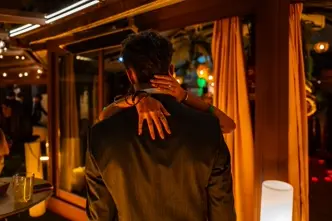
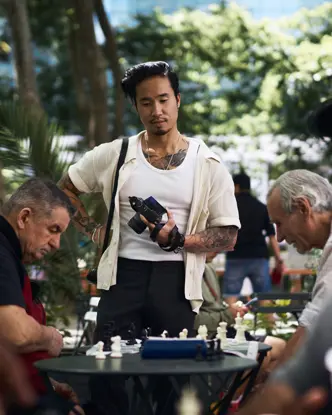
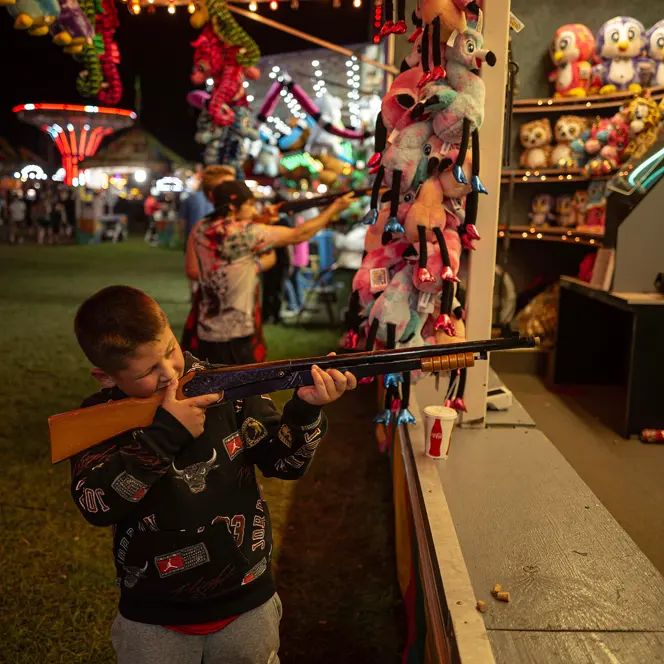
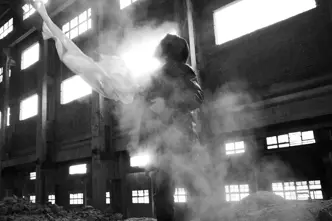
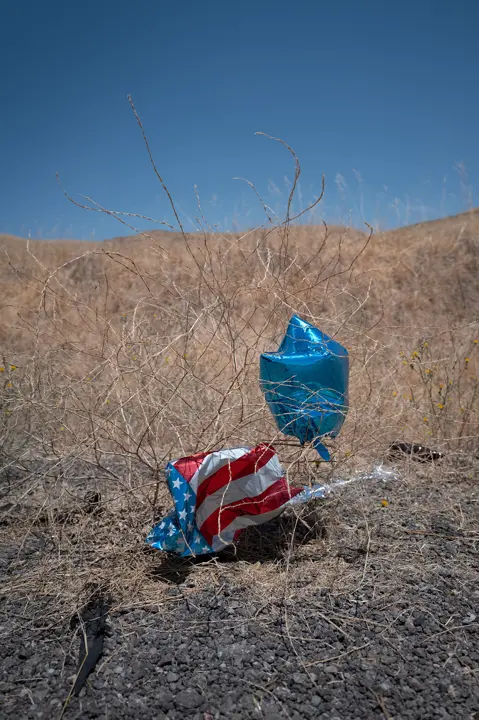
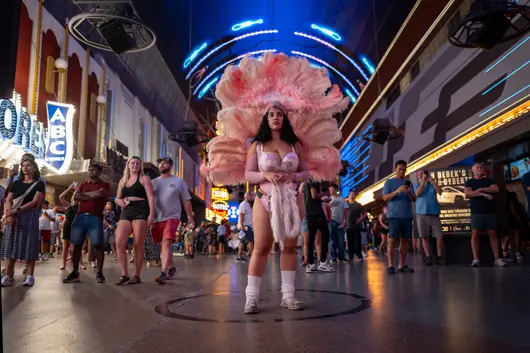
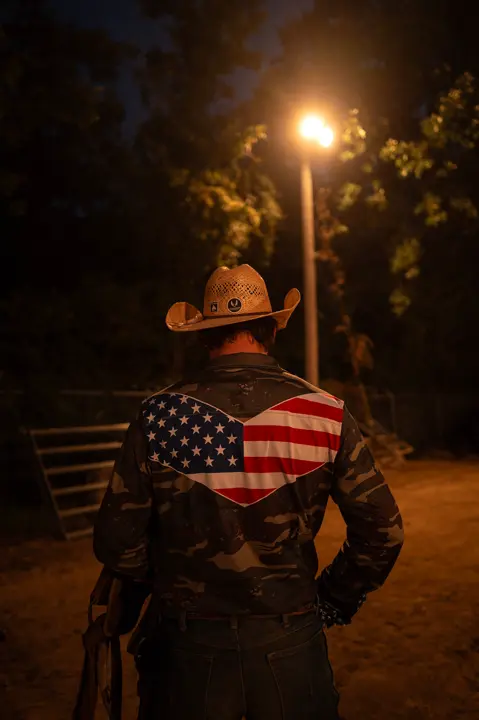
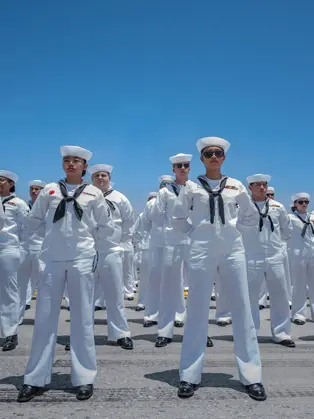
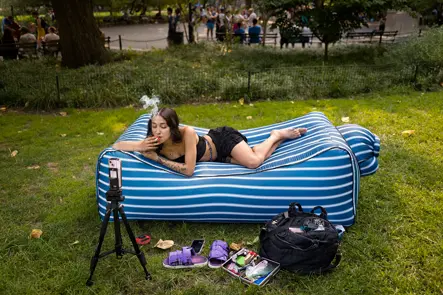
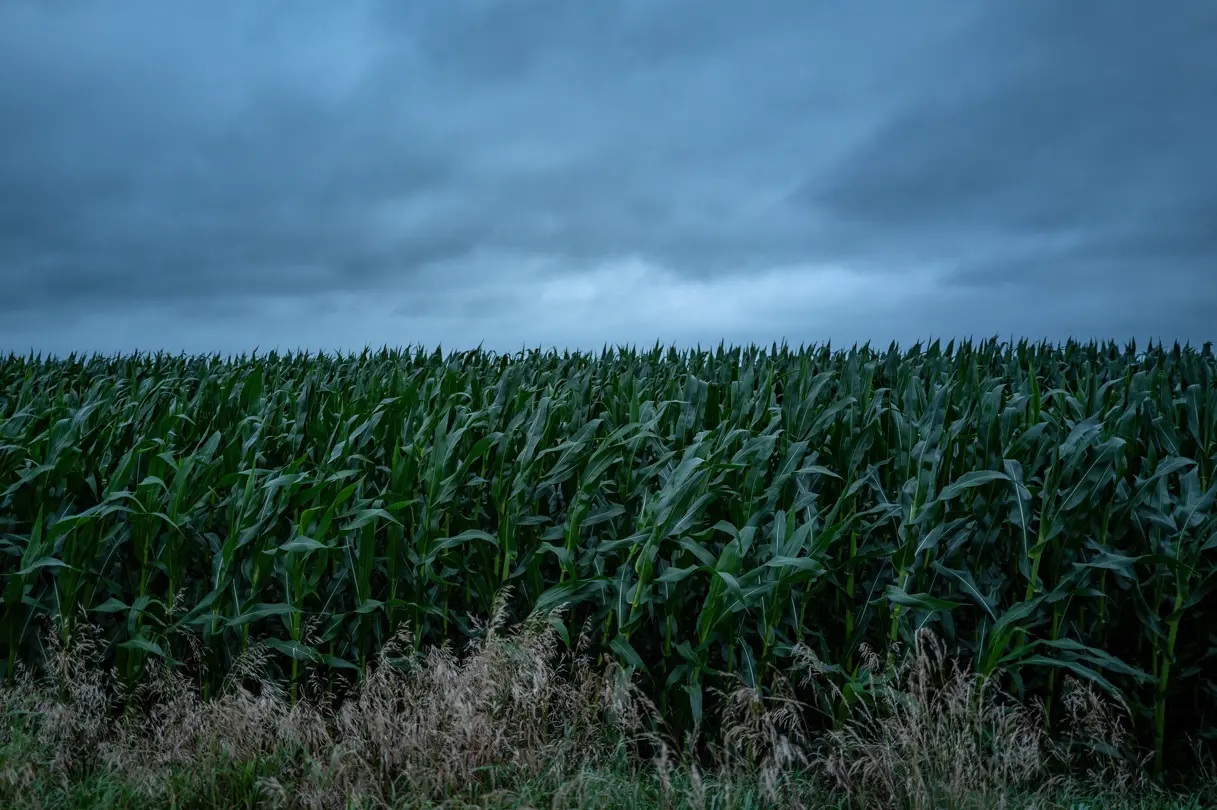
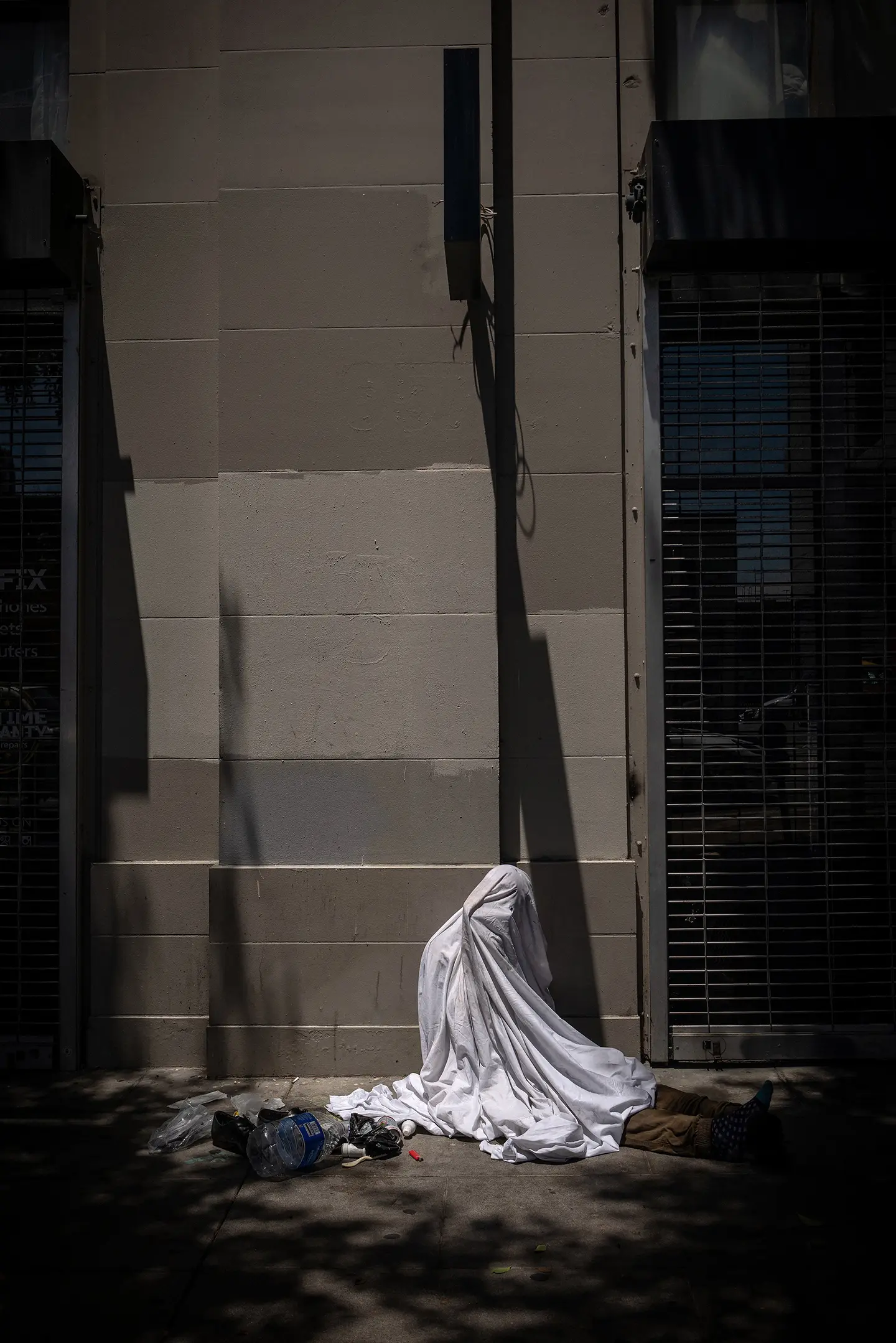
Fragments of the USA. In this collection, the work is less thematic and more about instinctual responses to small moments I encounter in my daily life as a photographer. Some of the images were made on assignment, while others come from moving through my day and reacting in the moment when something inspires me to stop. I trust that instinct – I don’t walk away thinking it would have made a good picture; I stop and try to make one. Because of that, this work is rooted less in a single theme and more in immediate, lived moments in time – small fragments that capture a specific instant and feeling. In that sense, the theme of the work is less about subject matter and more about how I respond to moments as they happen.
What is the biggest challenge for you when taking photos?
The biggest challenge when taking photos is slowing down enough to really see what’s in front of me. As a photojournalist, there’s a constant balance between reacting quickly to what’s happening and being intentional about what I choose to frame. Over time, I’ve realized the hardest part isn’t technical – it’s knowing what matters in a given moment and trusting my instincts. There are times when I miss a shot because I choose to step back and understand what’s happening first, but those moments usually lead to stronger, more meaningful images in the end.
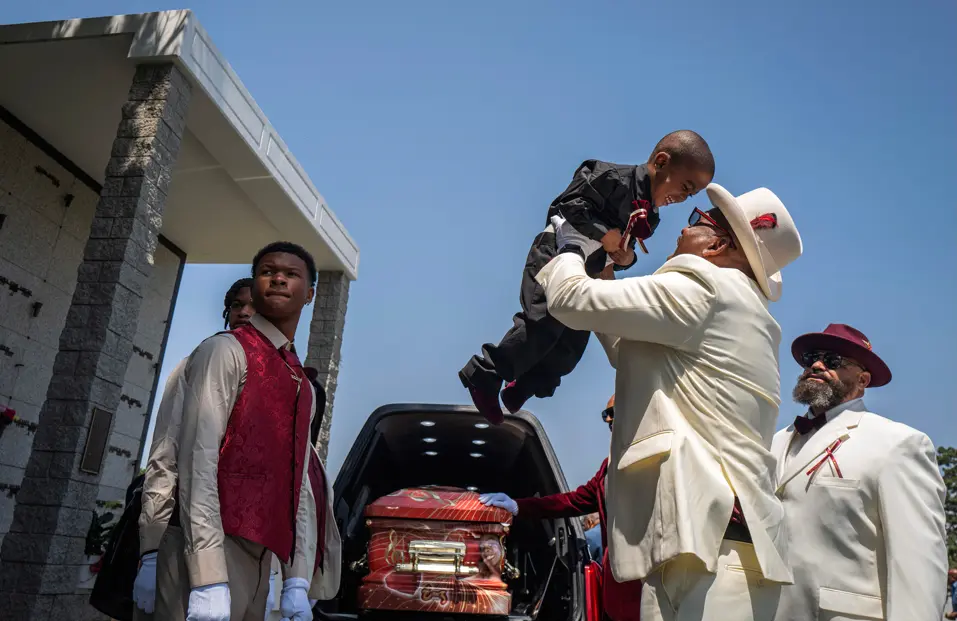
Being born in Montreal, Canada, to Irish immigrants, would you say this gives you an outsider’s perspective and allows you to better recognize American culture or even quirks?
Growing up in an immigrant family, I often felt like an outsider. We only visited Ireland once as children, so I didn’t form a strong connection to it, and in Canada, it felt like we were building our own sense of place from scratch. The cultural gap between Canada and the U.S. is easy to overlook. On the surface, they seem similar, but the lived experience can differ in subtle yet meaningful ways. That distance makes me more attuned to the details of everyday American life – I notice things that might feel ordinary to others. The U.S. has always felt familiar, but I experience it more as an observer than as someone fully shaped by it, and that perspective influences how I see the country. It also informs my work documenting gun violence: having grown up in Canada, where it is far less present in daily life, I’m constantly aware of the contrast.
From your observations, how has the general mood in Los Angeles or the USA changed over the years?
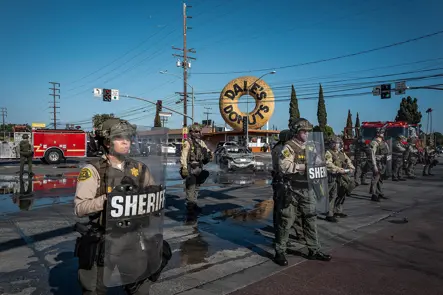
The general mood in the United States has felt noticeably different in recent years, particularly since the 2024 election. There is a sense of tension and intensity that feels more present in everyday life. As a photojournalist, I think it is important to be present during these moments and to document what is happening as it unfolds, because it becomes part of the historical record. When I am practicing street photography, I still like to capture moments that lean more toward a sense of artfulness rather than history.
What are you focusing on in particular when photographing?
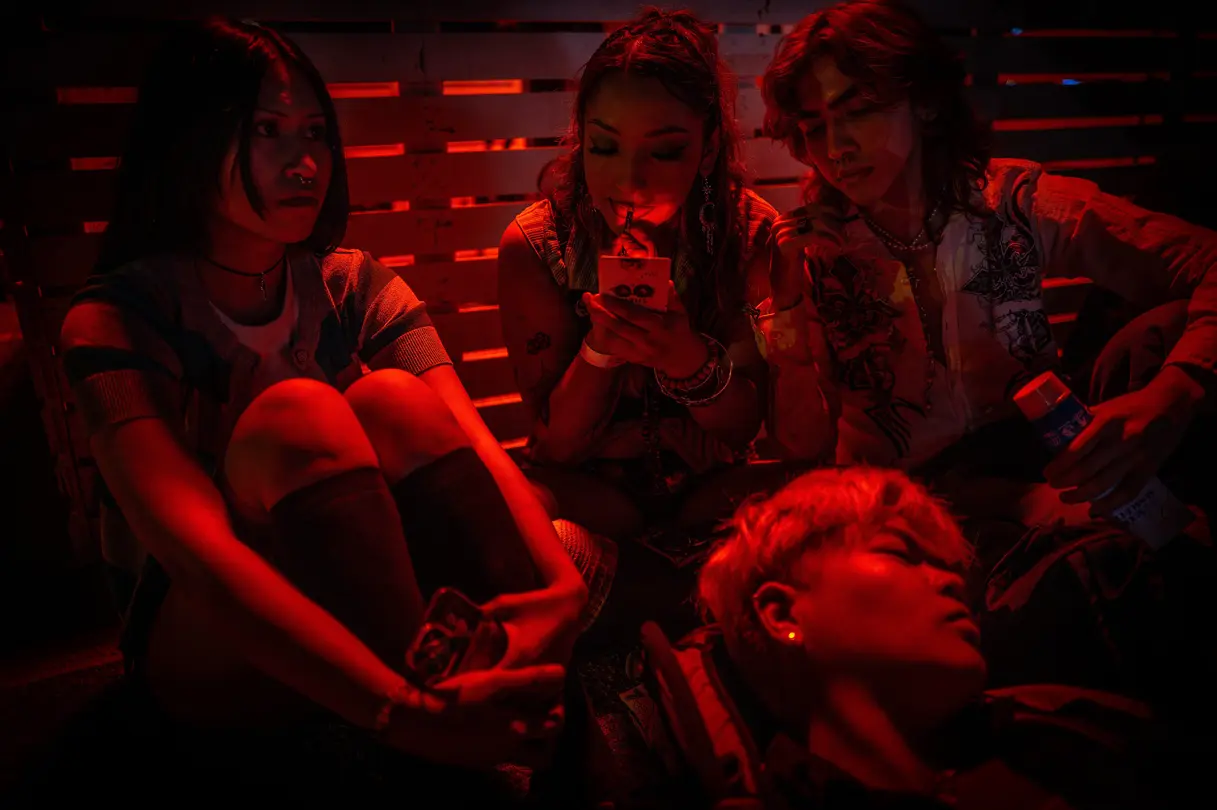
I focus on responding directly to what’s in front of me and finding moments with visual density and layering. I look for gestures, relationships, and situations where light, timing and movement come together, and I trust my instinct to make the image when it feels right. I’m drawn to images that feel complex and active, where multiple elements are happening at once and the viewer can continue discovering details over time. For me, it’s less about applying a fixed style in advance and more about recognizing when a situation naturally has that quality and working with it in the moment.
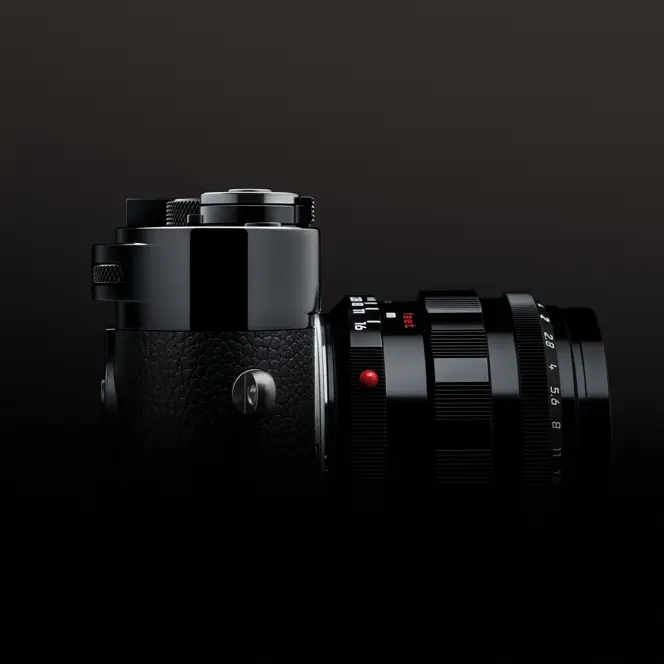
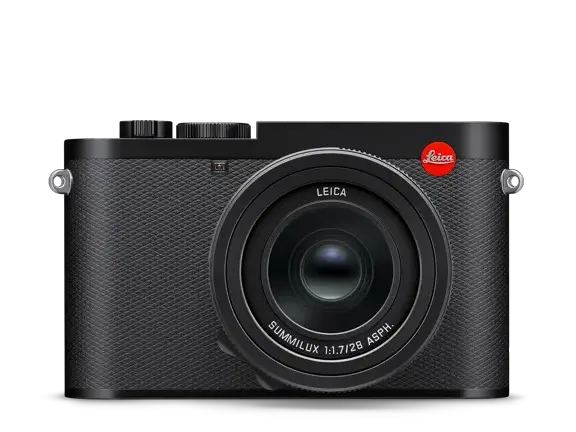
You used the Leica Q2 and the Leica Q3; what did you like about the system? In what way did it help enhance your visual language?
The Leica Q3 is a brilliant camera for the kind of intimate photography I do. It’s compact yet powerful, which allows me to move in and out of situations with very little noticeability. That discretion is important in my work, as it helps me stay present and responsive without disrupting what is unfolding in front of me. The lens quality is also unmatched, giving the images a clarity and depth that support the way I see and work. In that sense, it supports my visual language by keeping me close to the moment and allowing me to work instinctively, without overcomplicating the process.
Barbara´s Gear
-
-
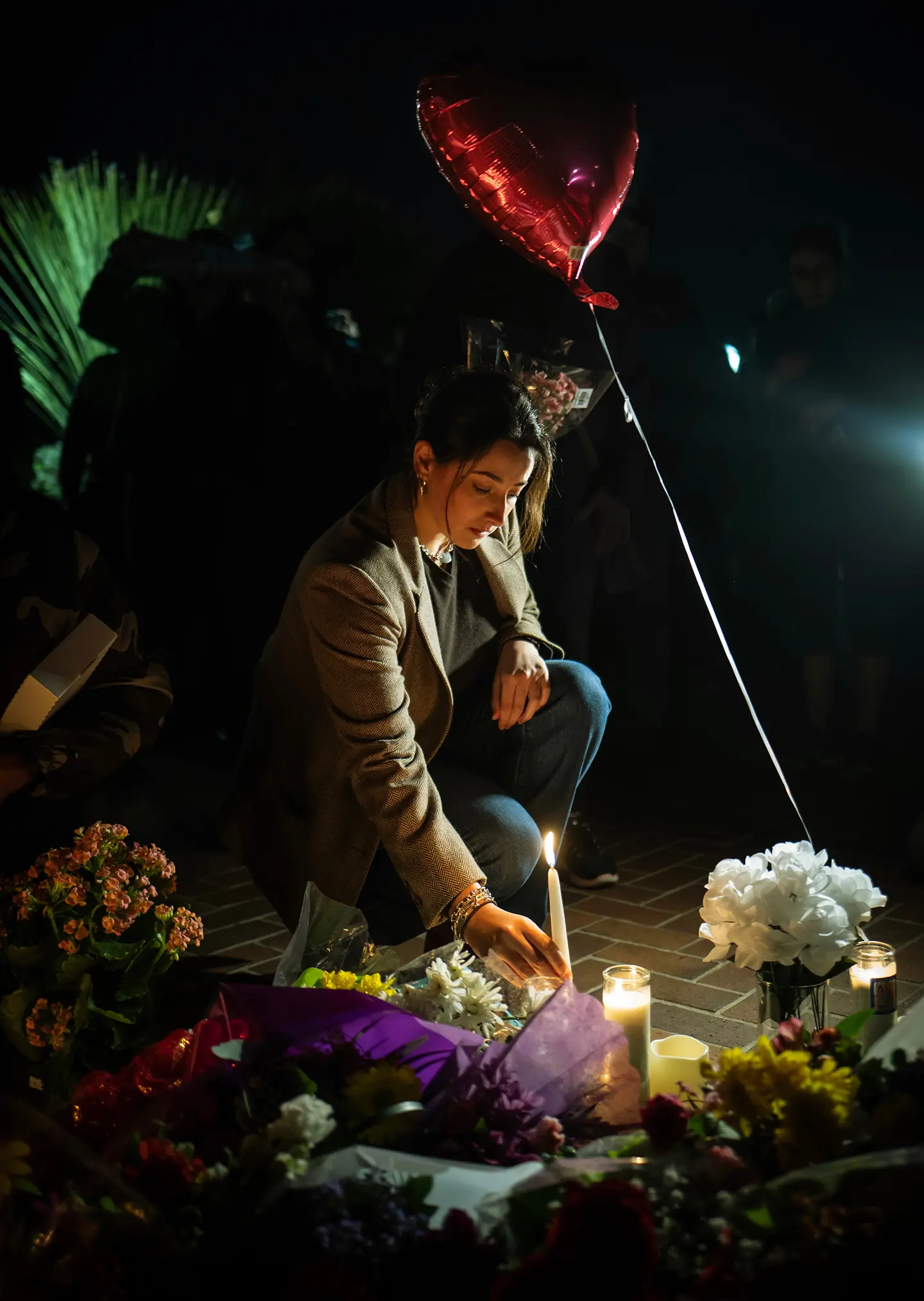
© Barbara Davidson I Public vigil in memory of the 11 people killed and nine injured in a mass shooting in Monterey Park, California. January 2023
-
-


About Barbara Davidson
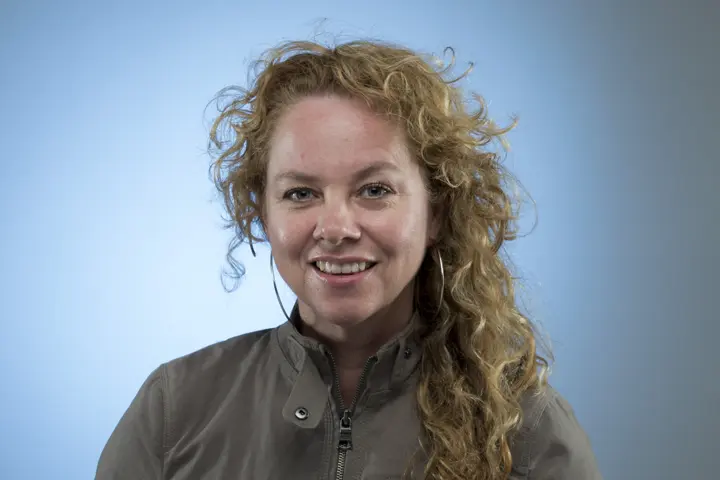
Born in Montreal to Irish immigrant parents, Davidson is a Pulitzer Prize and Emmy Award–winning photojournalist based in Los Angeles. Her work focuses on long-form documentary projects exploring social, cultural and political transformation in the United States, with particular attention to the human impact of gun violence, especially on women and children. She has been awarded a Guggenheim Fellowship (2020) and has twice been named International Photographer of the Year by POYi. Her work has been published in major outlets, including The New York Times, Los Angeles Times, The Washington Post, and National Geographic, among others.
© Barbara Davidson. All rights reserved.