Tango
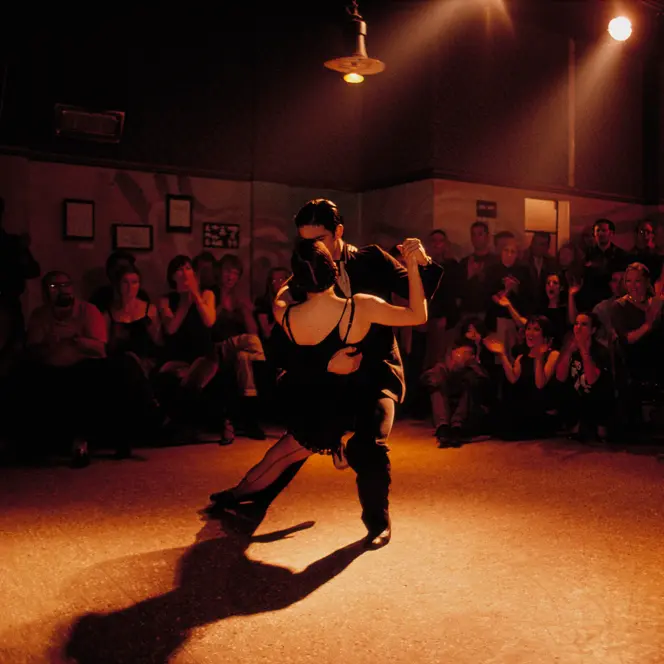
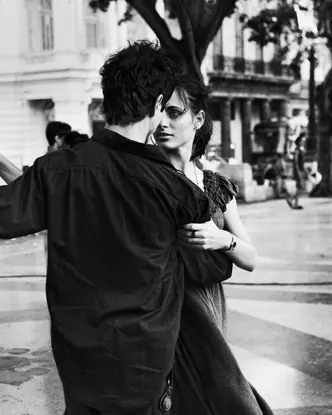
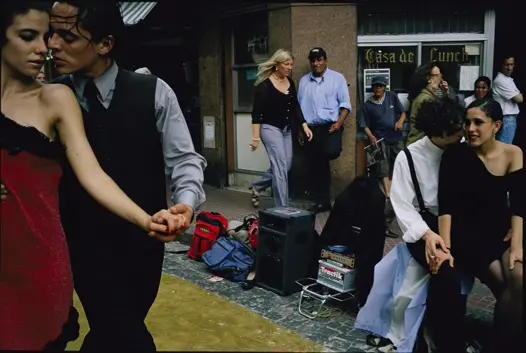
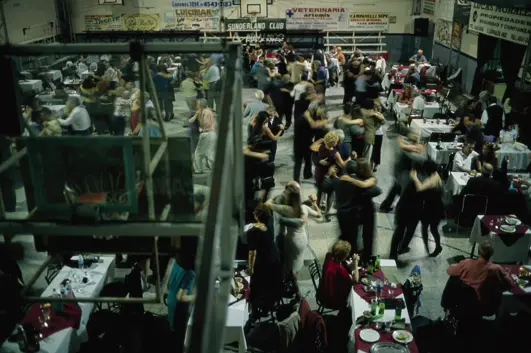
The tango is Argentina’s national dance, developed in the capital city of Buenos Aires under international influences. Photographer Pablo Corral Vega documented this particularly physical dance – focusing on elements such as nostalgia, the sound of the music and the encounter between individuals. According to him, the tango is like an embrace.
The Interview with Pablo Corral Vega
What led you initially to the world of tango?
The tango was always part of my life. Eulalia, my mother, was a passionate piano player, and my uncle used to sing tangos by Gardel during family gatherings.
What was your photographic approach to such an intimate subject?
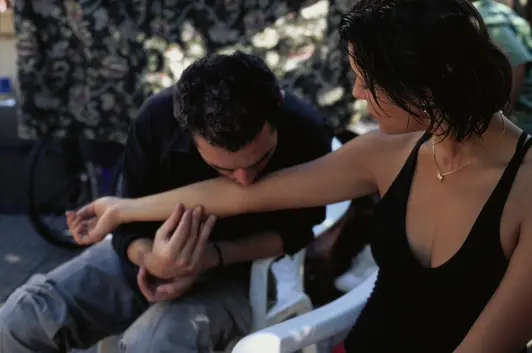
The idea that the tango is an embrace is something I learnt during tango nights in Buenos Aires. It’s not about the speed of the footwork or the perfection of the movements. The thing that counts in tango is the interaction: the way in which two people, at times complete strangers, surrender to an embrace.
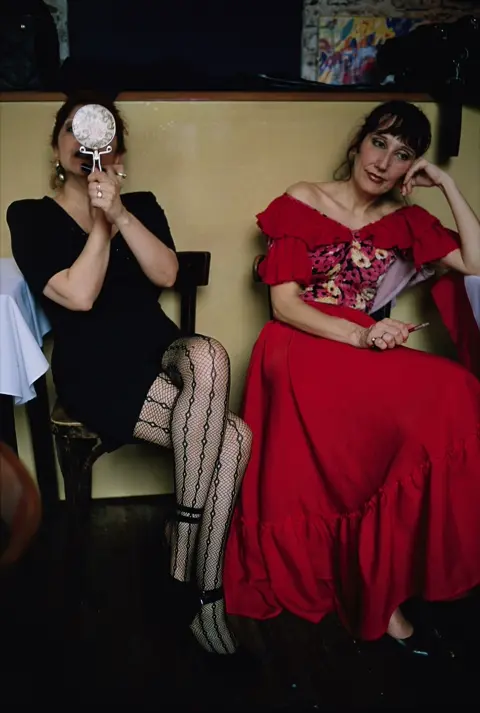
It took a long time for me to find my way in the world of tango. It needed months of patience to get to know the Buenos Aires nightlife, and to meet these solitary figures, some of whom were deeply passionate and devoted to the ritual of the tango, night after night.
Your work focuses on the quieter, more human side of the dance. Was that a conscious choice right from the beginning?
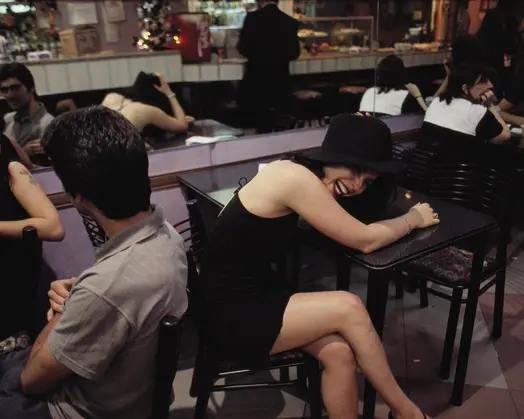
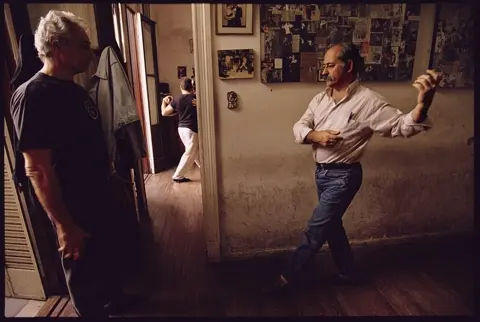
In fact there are two very different types of tango. There’s the performance tango that tourists get to see, and then there’s the tango that people – a great diversity of people – dance for themselves and not for the public.
This is known as tango al piso, because the feet never leave the floor, but rather stroke the wooden floorboards. The other tango is performative: legs fly through the air and the dancers adopt extreme poses. In comparison, the tango al piso is all about the experience between two people, not about the show. It’s a very old form of tango, which has been danced like this since its beginnings in the Milongas – the worker neighbourhoods in Buenos Aires –, and emerged from the encounter between music and dance brought by immigrants from Río de la Plata.
What role does nostalgia play in this series?
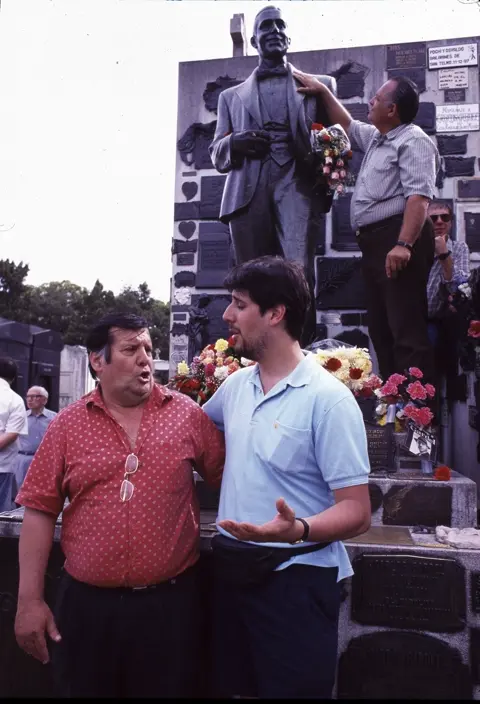
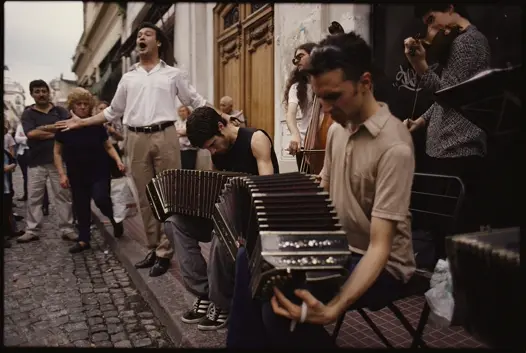
Nostalgia is the heartbeat of tango. People today dance to music that was played and recorded by large orchestras seventy or eighty years ago. The music itself already belongs to the past, and the steps as well.
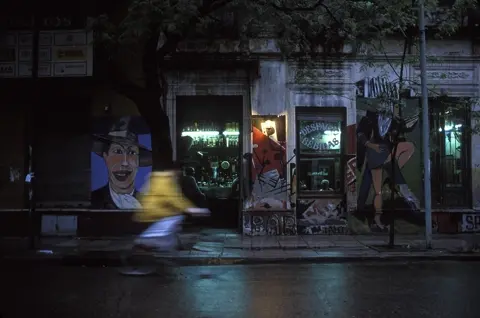
My work also deals with nostalgia in fact. It’s the fundamental theme: the transience of time, which slips away and carries us off with it – and the memories that remain, painful or bright, in our hearts.
What did Buenos Aires give to this work that you wouldn’t have found anywhere else?
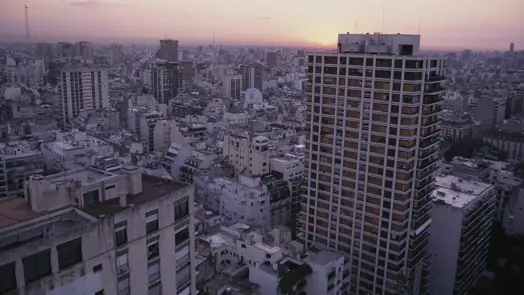
Buenos Aires is indivisibly bound to the tango. Without Buenos Aires – and to a small degree Montevideo – it’s impossible to understand the tango, because it was here that Italian, German, Spanish and other immigrants came together and, slowly and almost deliberately, created this music.


Can you tells us a bit more about how you combine documentation and poetry?
My work is documentary. I don’t construct any situations, but simply work with whatever is in front of me. However, the impulse behind this documentary work is unmistakably poetic. I want to photograph precisely that which can’t be photographed: nostalgia, music, the encounter between people, the transience of time.
What equipment did you use for this project and how did it support you?
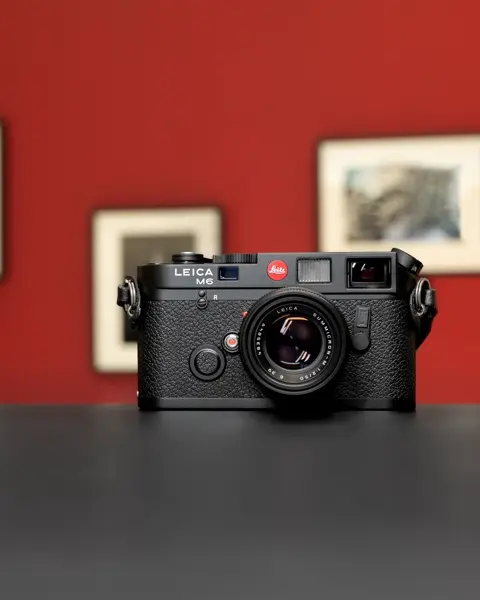
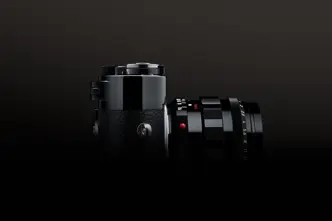
I worked on this project pretty much exclusively with a Leica M6 – a truly precious camera which is also notably quiet. My favourite lens during the whole project was the Summilux-M 35 f/1.4 ASPH, which must be one of the most precise and beautiful lenses ever built. I photographed with my beloved Kodachrome 200, a wonderful film with subdued colours and wonderfully earthy tones. It would have been very difficult to do this project with larger or noisier equipment. I worked in places that were filled with music at times, yet were exceptionally intimate and quiet at others.


About Pablo Corral Vega
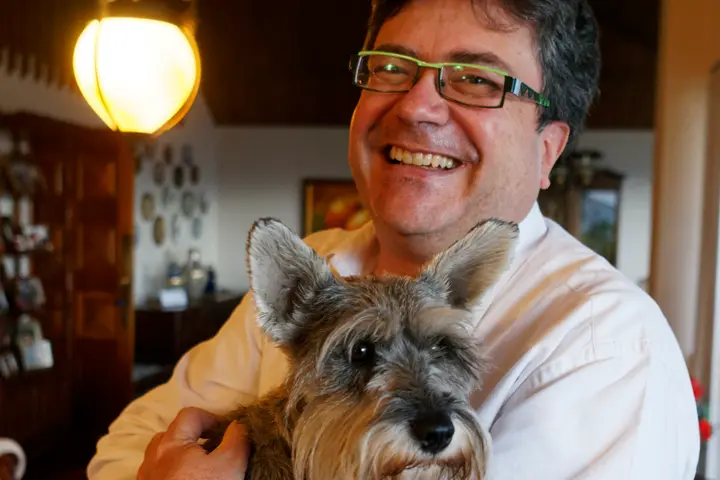
Pablo Corral Vega is an Ecuadorian photographer, author and thinker, whose work explores memory, identity and the relationships of people to landscapes and to each other. He worked with National Geographic for over two decades, photographing extensively in Latin America and in other parts of the world. His work has appeared in numerous publications and has been exhibited internationally. He is the author of eight books, including Andes, which was created in collaboration with Peruvian author Mario Vargas Llosa. Corral Vega is the Founder and Director of POY Latam, one of the leading platforms for documentary photography and photojournalism in Ibero-America.
© Pablo Corral Vega. All rights reserved.