The M-System

Master The Essential
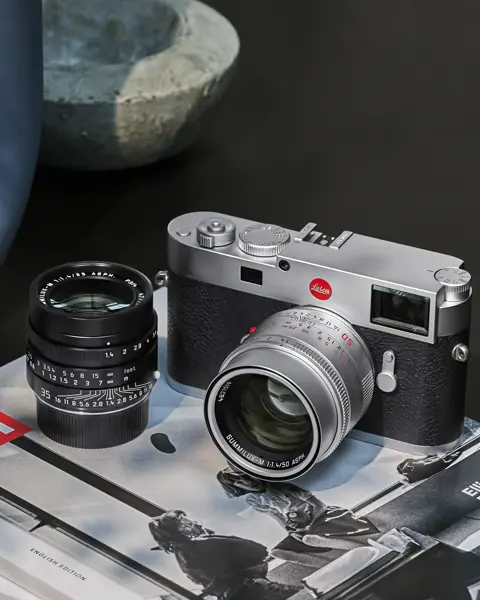
With an M-Camera, you can capture the magic of the moment, free from technical distractions. A Leica M-Camera provides the exact functions that are essential for photography. All of this is delivered through state-of-the-art technology and reliable mechanics. The Leica M’s rangefinder enables you to develop an intense, deliberate creative process, while the M-EV1’s electronic viewfinder offers a technically assisted approach to M photography. This results in images that go far beyond the visible and authentically express your personal view of the world.
Digital M-Cameras with a Rangefinder
At a Glance
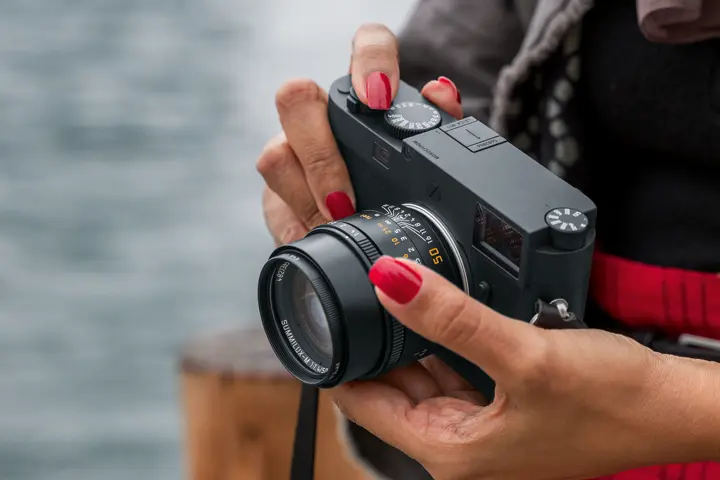
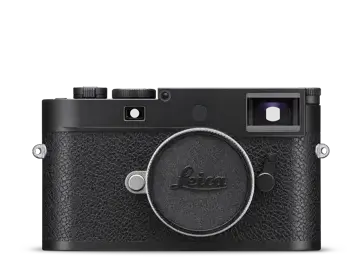
Our digital M-Cameras combine powerful technology with a traditional, highly intuitive photographic process. At the heart of it all is the rangefinder – a masterpiece of German craftsmanship. It shows your entire surroundings just as you perceive them, and allows you to see beyond the viewfinder framing. This window to the world lends your compositions a sense of immediacy, which is also reflected in the results. The central rangefinder field in the viewfinder allows you to focus manually with great precision in all lighting conditions, while giving you maximum creative freedom when composing your images.
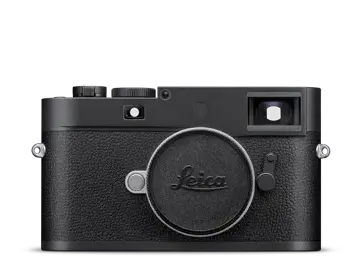

Digital M-Camera with an Electronic Viewfinder
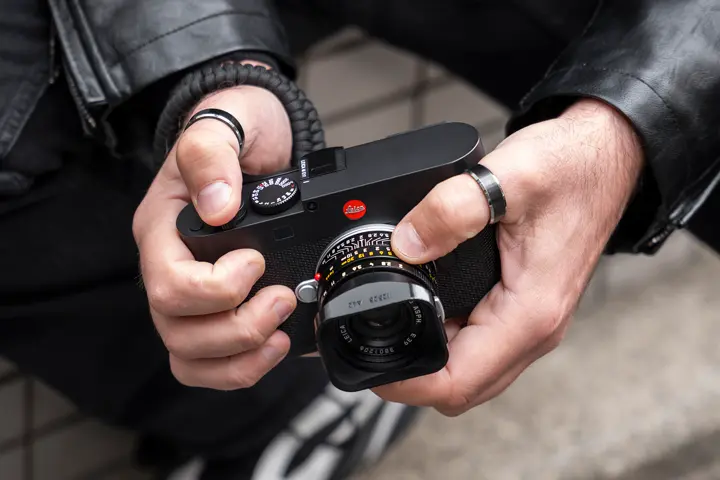
At a Glance
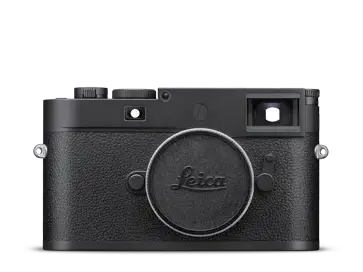
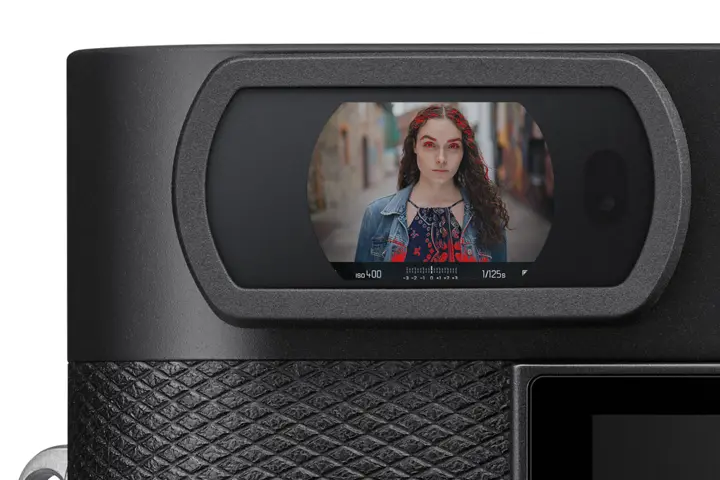
The Leica M EV1 combines the features of the M-System with the functionality of a high-resolution electronic viewfinder. It displays your subject as a live image with an exposure preview, helping you to bring your visual concept to life even before you take the shot. The M EV1 assists with manual focusing at wide apertures and shallow depths of field, as well as when shooting with extreme wide-angle and telephoto focal lengths. This enables you to focus M-Lenses reliably regardless of focal length or lens speed and compose macro shots intuitively. You can also adjust the viewfinder to your eyesight using the built-in dioptre adjustment.
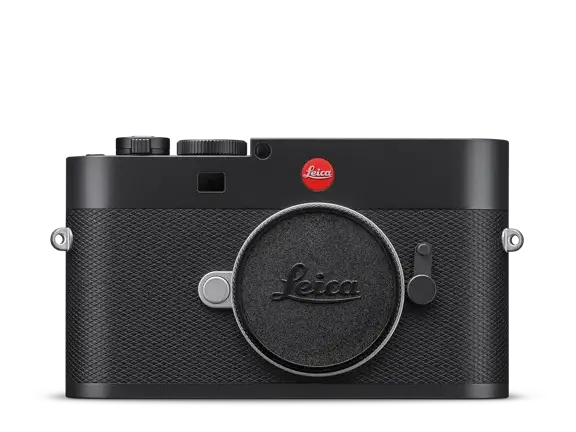
Analogue M-Cameras with a Rangefinder
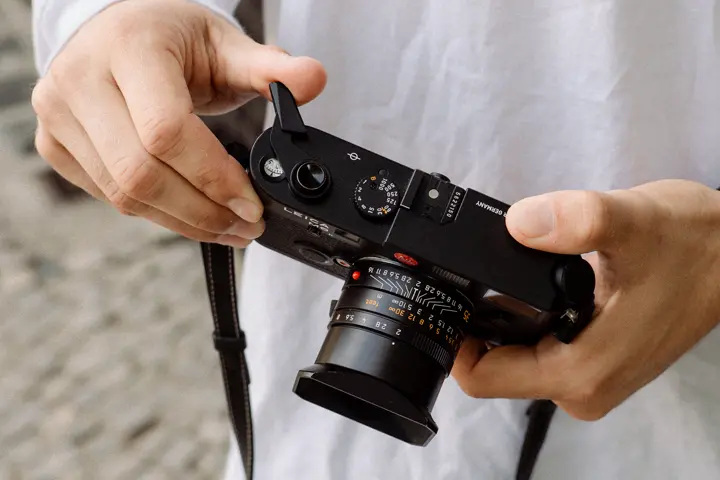
At a Glance
By choosing an analogue Leica M-Camera, you are embracing the art of conscious 35 mm photography with a precision instrument that is both elegant and compact. Its reliable mechanics and timeless design language focus on what defines an image: shutter speed, aperture, focus and framing. Using a 36-exposure film roll makes every moment count. Without the ability to check images immediately, there is room for observation and reflection, and for enjoying the manual photography process. This means that every shot becomes a conscious decision, and every developed photograph is unique.
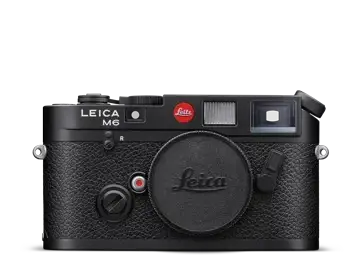

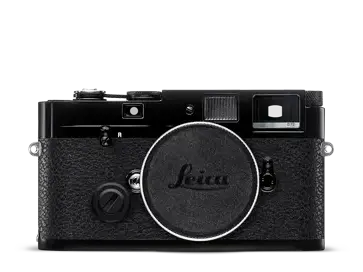
M-Cameras Compared
| Digital M with an optical rangefinder | Digital M with an electronic viewfinder | Analogue M with an optical rangefinder | |
| Viewfinder principle | Optical rangefinder with a direct view of the subject | Electronic viewfinder (EVF) with digital live view and exposure preview | Optical rangefinder with a direct view of the subject |
| Focusing | Manual via the classic rangefinder view and, optionally, via the display or the Visoflex clip-on viewfinder | Manual in the EVF with focus peaking and focus magnification, or via the display | Manual via the classic rangefinder view |
| Recording medium | Digital full-frame sensor (up to 60 megapixels) | Digital full-frame sensor (up to 60 megapixels) | 35 mm film |
| Image review after shooting | Images are available immediately. Depending on the model, they can be viewed directly on the display or in the Leica FOTOS App. | Images are available immediately and can be viewed in the electronic viewfinder, on the display or in the Leica FOTOS App. | Image review is only possible once the film has been developed. |
| Workflow | Direct transferring and editing of images, depending on the model, via Leica FOTOS, USB-C or memory card | Direct transferring and editing of images via Leica FOTOS, USB-C or memory card | Have the film developed, scanned or printed |
| Ideal for: | Classic M photography: Street, reportage and documentary photography |
Precise manual focusing whilst travelling, in street and portrait photography. Unusual focal lengths, fast lenses and macro lenses
|
Analogue M photography: A deliberate slowdown and a particularly authentic shooting experience |
| Particular strength | The unique optical rangefinder experience with a digital camera | Maximum control via the electronic viewfinder | The direct connection between the photographer, the rangefinder camera and the film |
Test Drive
Test out your product of choice first-hand at our store and gain an immediate sense of its design, tactile quality, functionality and handling.
Trade-In
Trade in old for new: exchange your current Leica product in-store and receive a generous credit note towards your next purchase.
Financing
Make your dreams come true with our flexible financing options available in-store. Personal advice included. Together we will find the right solution for you.
Composition with a Leica M
Dalmierz: scena w zasięgu wzroku
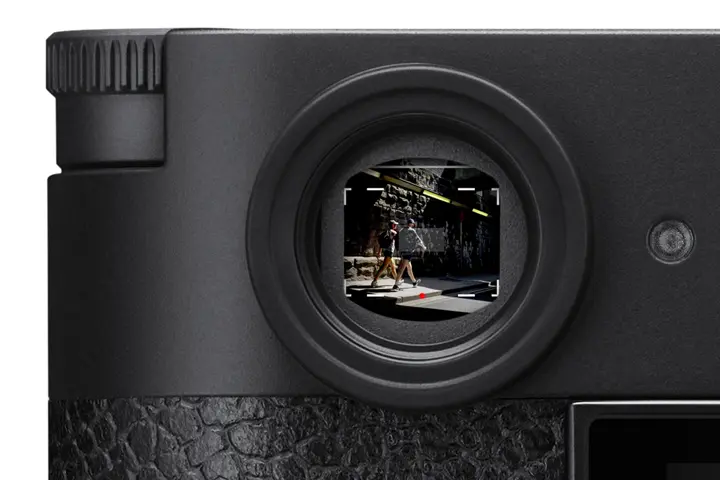
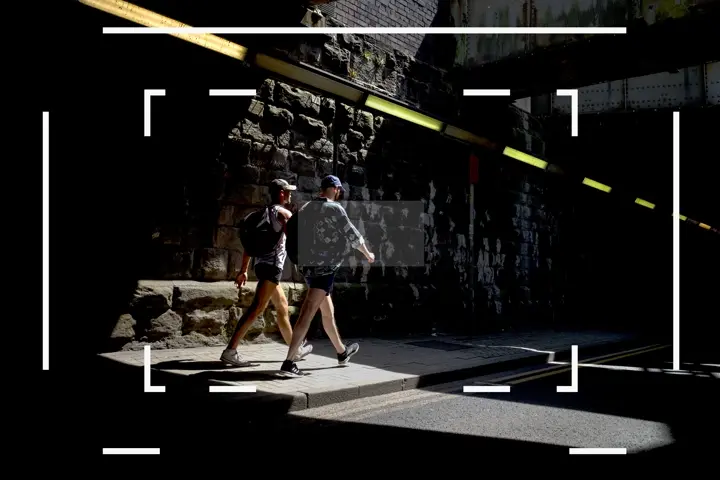
Sercem każdego klasycznego aparatu M Leica jest jego optyczny dalmierz. Pokazuje on wyraźny, niezafałszowany obraz, który wykracza poza rzeczywisty kadr. Dzięki temu można wcześnie uchwycić sceny poza motywem i świadomie komponować zdjęcia. Do każdego, zamontowanego obiektywu automatycznie pojawia się odpowiednia ramka świetlna dla jednej z sześciu ogniskowych: 28/90 mm, 35/135 mm lub 50/75 mm. Ostrość ustawia się ręcznie za pomocą precyzyjnego obrazu mieszanego w wizjerze. Za pomocą selektora pola obrazu można również wyświetlić podgląd innych ogniskowych bez konieczności zmiany obiektywu. Każdy, mechaniczny dalmierz jest ręcznie produkowany w fabryce Leica w Niemczech z ponad 100 pojedynczych części – z minimalnymi tolerancjami i idealnie dopasowany do każdego aparatu M.
Wizjer elektroniczny (EVF): Maksymalne bezpieczeństwo.
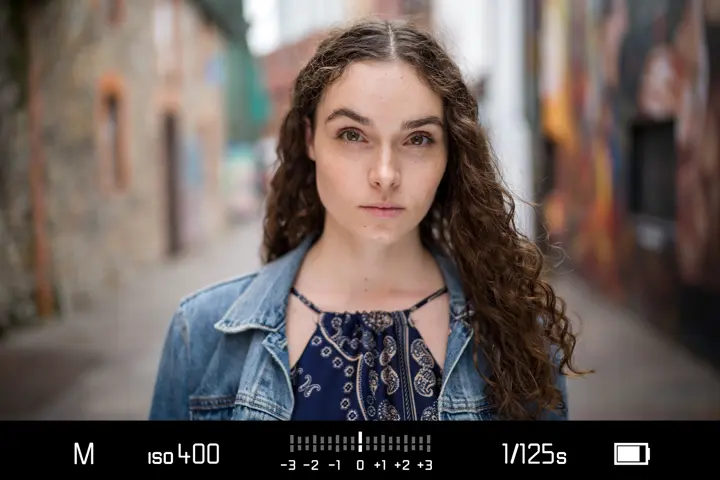
Wysokiej rozdzielczości wizjer elektroniczny Leica M EV1 otwiera nowe możliwości w fotografii M i zapewnia wszystkim, niezależnie od ostrości wzroku, pełną kontrolę nad kompozycją obrazu. Bez zniekształceń spowodowanych obiektywem, ogniskową lub odległością ogniskowania, pokazuje motyw dokładnie tak, jak zostanie uchwycony – co stanowi decydującą zaletę w przypadku ekstremalnych obiektywów szerokokątnych lub teleobiektywów. Wszystkie wybrane ustawienia są natychmiast widoczne w podglądzie. Ponadto pomoc wizualna, taka jak fokus peaking i fokus zoom, niezawodnie wspomaga precyzyjne ustawianie ostrości – zwłaszcza w przypadku stosowania obiektywów o dużej światłosile i bardzo małej głębi ostrości. Dla maksymalnego bezpieczeństwa i kontroli przy każdym zdjęciu.
Legendarna jakość. Legendarna trwałość.
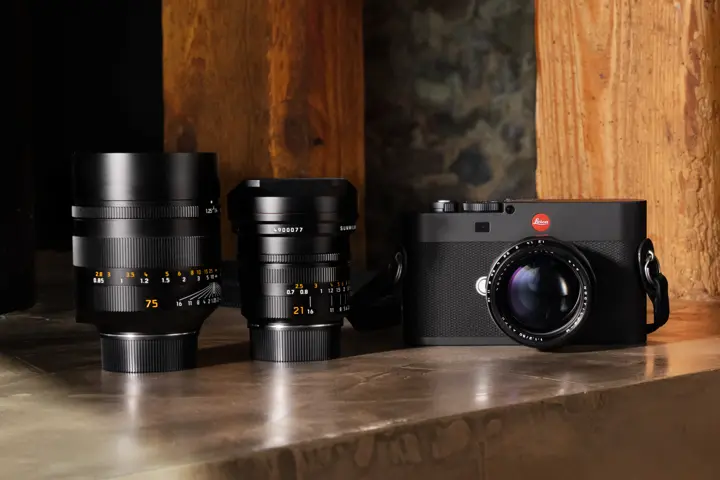
Od dziesięcioleci kształtujemy fotografię dzięki aparatom, które zawsze wyprzedzały swoje czasy. Wprowadzając w latach 50. XX wieku bagnet M, stworzyliśmy ponadczasowy standard, który obowiązuje do dziś. Prawie wszystkie obiektywy M wyprodukowane od tego czasu mogą być używane również w naszych aktualnych aparatach M. W ten sposób tworzymy systemy optyczne, które są synonimem niezawodności, wyjątkowej jakości obrazu i trwałości na pokolenia.
Made in Germany
Leica M-Cameras are timeless icons. No other camera is designed quite so consistently around the essential functions required to take a photograph, or combines versatility and compactness in quite the same way. The harmonious whole that defines the experience of photography using the German-made Leica M has been created by precision engineering and optical sophistication, perfected over decades, combined with an intuitive interface.
First-Class Leica Service
With us, your Leica M will be in the best hands. Our team of experts knows every detail, every function and every nuance inside out. Simply get in touch with us via the link below.

Śladami legendarnych fotografów
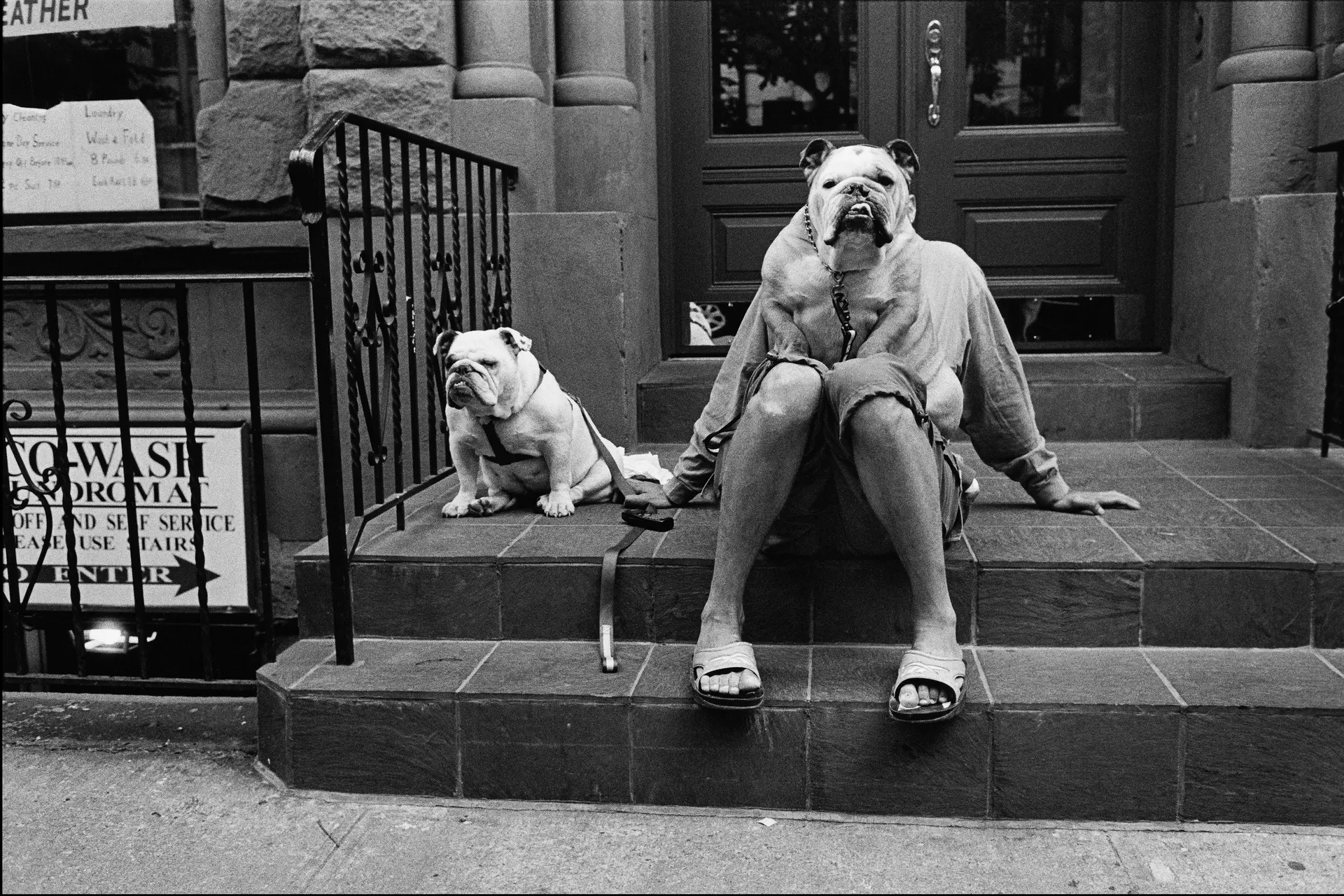
Leica M dosłownie zapisała się w historii: była ulubionym aparatem legendarnych fotografów i fotografek i była używana do utrwalania kluczowych momentów tamtych czasów. Dzięki solidnej konstrukcji i wyjątkowej jakości obrazu stała się niezawodnym narzędziem w fotografii reportażowej. Dziedzictwo aparatu Leica M charakteryzuje się dokumentowaniem ważnych wydarzeń i decydującym wkładem w sztukę opowiadania historii za pomocą obrazów.
-
Elliott Erwitt
-
Anne Francoise Pelissier
-
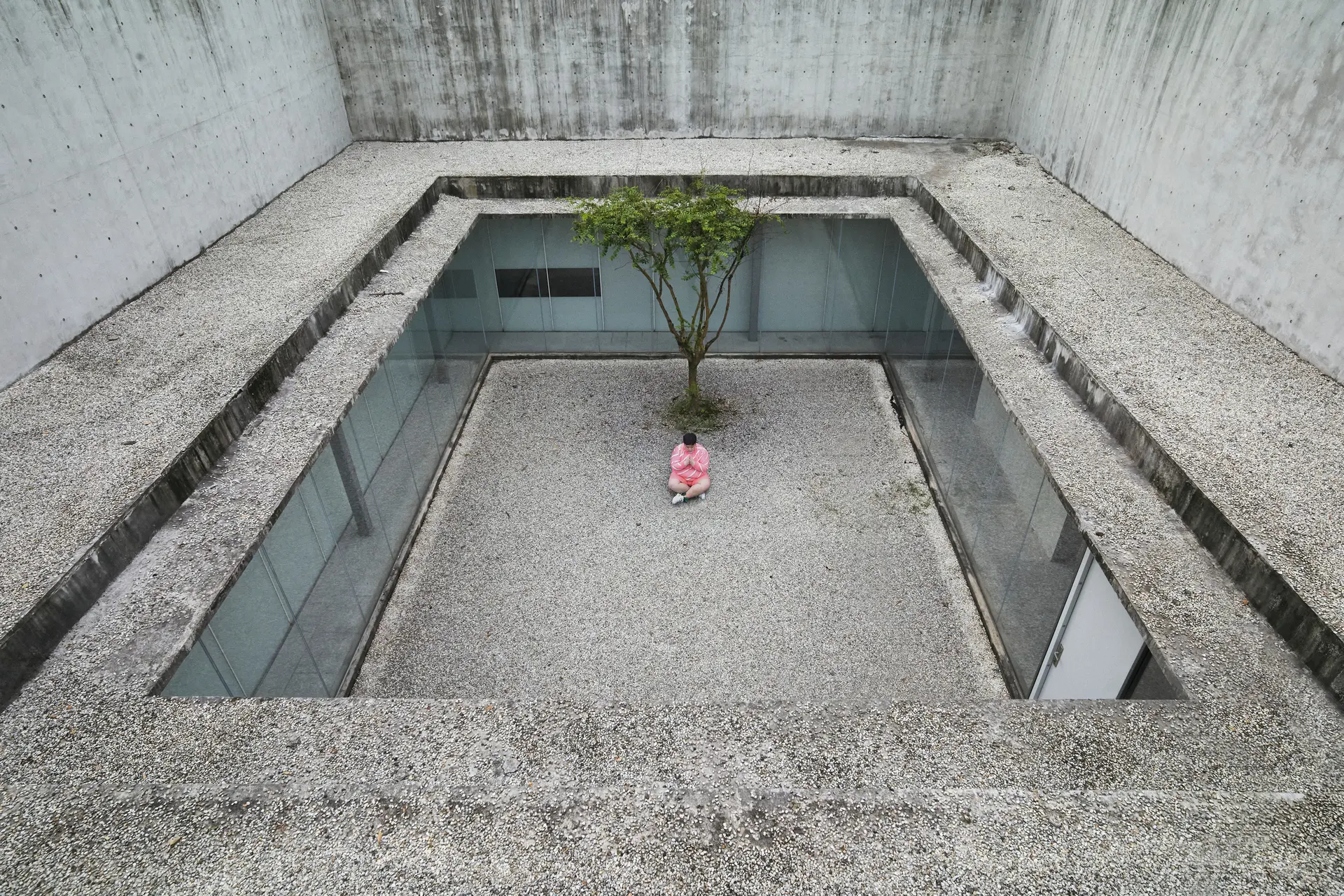
Trunk Xu
-

Kathryn Brolin
-

Sarah M Lee
-

John Sypal
-

Joshua K. Jackson
-
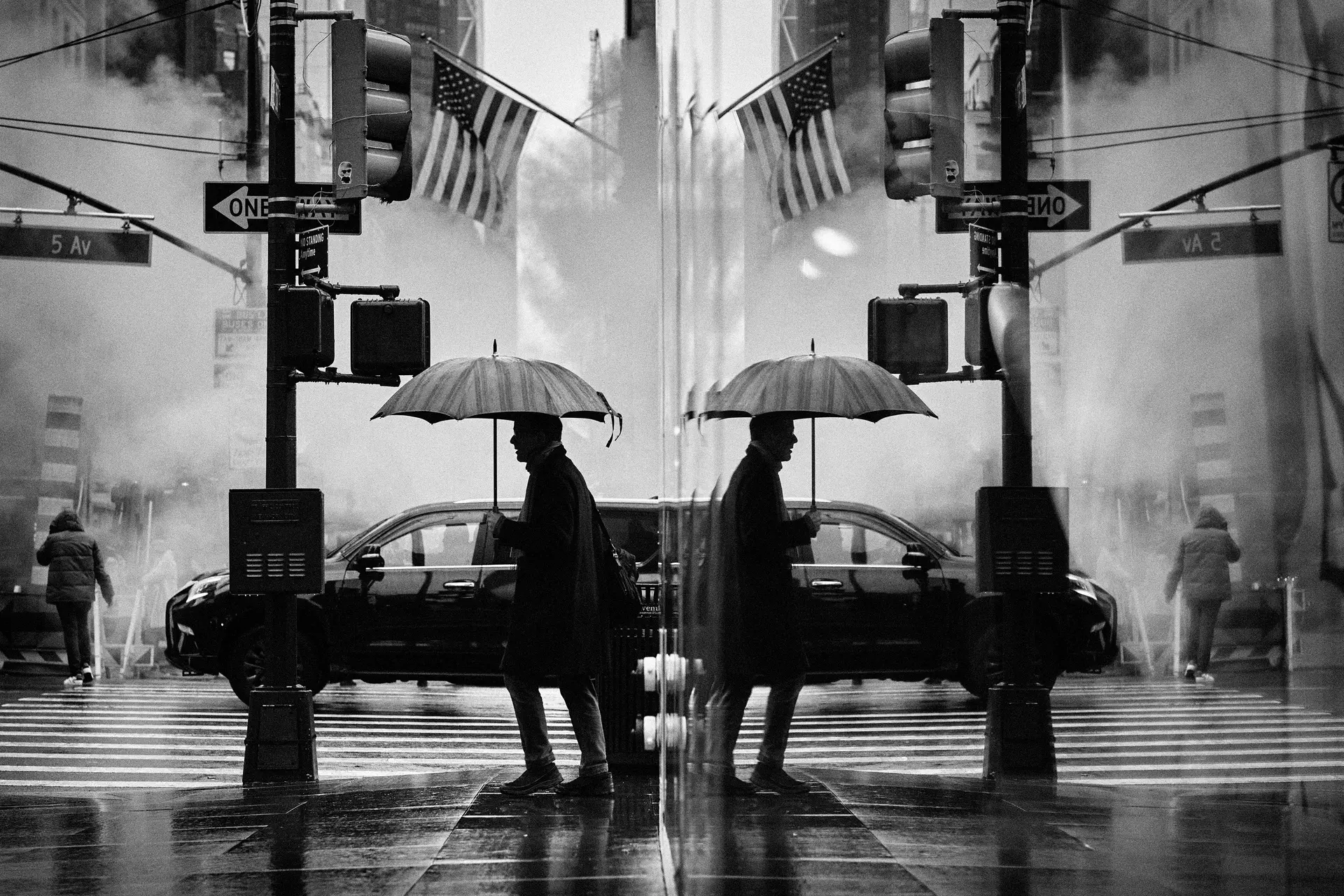
Phil Penman
-

Shin Noguchi
What is the Leica M-System?

What is a Leica M?
The Leica M is Leica’s iconic rangefinder camera, which has been in production since 1954. Classic M-Cameras are special because they use a rangefinder rather than an electronic or mirror viewfinder. Another notable feature is the M-Bayonet, which allows you to use decades-old M-Lenses even today. The character of an M-Camera is completed by a very compact body designed using basic geometric shapes as well as the deliberate absence of autofocus. It is a precision photographic instrument focused on the essentials.
How does the Leica rangefinder work?
The Leica rangefinder operates using two superimposed images in the viewfinder window. A semi-transparent mirror projects a slightly offset partial image into the centre of the main viewfinder image. Turning the focus ring on the mounted lens causes this partial image to move horizontally. The subject is in focus on the focal plane only when the two halves of the image align exactly. The advantage of the rangefinder is that you can see beyond the viewfinder framing and, with a little practice, anticipate decisive moments to determine the exact timing of a shot in advance. This principle is particularly valued by photographers around the world for quick, unobtrusive manual focus photography.
What is the difference between the Leica M and the Leica Q?
The Leica M-System comprises various Leica M models and M-Lenses. With an M, you benefit from a full-frame camera featuring manual focus and a wide selection of interchangeable lenses. It is ideal for photographers who appreciate a discreet, highly precise rangefinder experience. Manual operation encourages you to consciously discover subjects and compose each shot yourself. The iconic design and manual operation strip photography down to its purest form, free from unnecessary technical complexity. This classic approach to photography, combined with the wide range of compatible lenses, offers vast scope for your personal creative development.
The Leica Q is a compact, full-frame camera with a fixed 28 mm or 43 mm lens and autofocus. It is designed for particularly intuitive operation, and you can choose to shoot either manually or using automatic settings. The Leica Q delivers outstanding image quality for both stills and video, even in challenging lighting conditions. It combines ease of use, high performance and seamless connectivity in an elegant design.
Which Leica M-Lens should I buy first?
A 35 mm or 50 mm lens is often recommended as an introductory lens for a Leica M. Examples include the Summicron-M and second-hand M-Lenses in this focal length range. Focal lengths of 35 mm or 50 mm are versatile for everyday photography, particularly street and travel photography. Using them with the rangefinder is easier than using very wide-angle or very long focal lengths. Rangefinding via the viewfinder is particularly enjoyable with the 35 mm and 50 mm focal lengths.
Can I use old Leica M-Lenses on current M-Cameras?
Since the Leica M-Bayonet has remained virtually unchanged mechanically since 1954, old M-Lenses are compatible with newer M-Cameras and are recognised by current models. Most very old lenses from the analogue era also fit current digital M camera bodies. Similarly, new M-Lenses can be used on M-Cameras dating back to the M3 from 1954.