Leica M Special Editions

Every Edition Has Its Own Story
Since 1954, the rangefinder principle, with its uncompromising focus on the essentials, has been at the heart of every M. This is precisely where its strength lies. It is also the reason why a special edition Leica M follows its own principles. When nothing can be added, an edition cannot change the camera’s essence, only what it represents.

An M Is Still an M – The Occasion Makes It a Special Edition
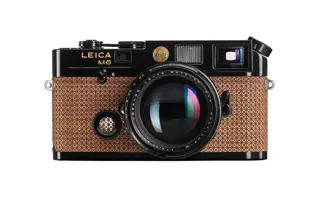
The occasion may be an anniversary, a partnership, a tribute to an artist or simply a celebration of our tradition. Such occasions justify the effort that mass production cannot match, as reflected in the choice of materials and craftsmanship, for example. Some strictly limited-edition cameras bear their special serial number visibly on the body, while others are only available for a limited time. The same applies in both cases: once the series has sold out, it will not be reissued. Therefore, much of what is presented here is a unique chapter in the history of photography.
Two Types of Leica M Editions
Special Edition
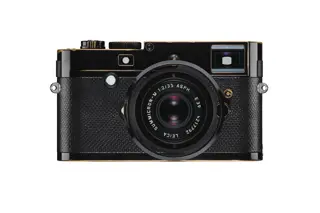
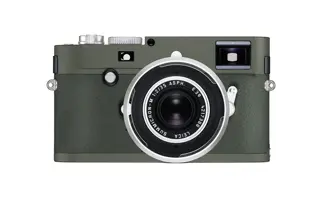
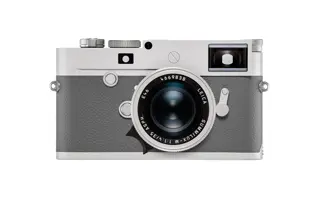
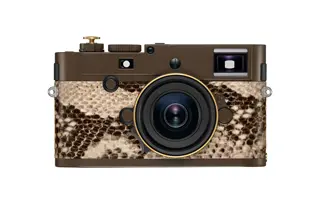
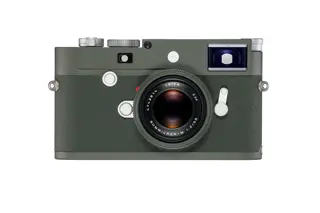
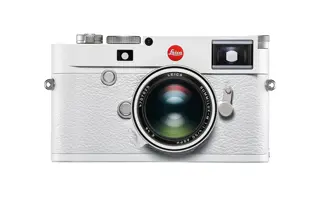
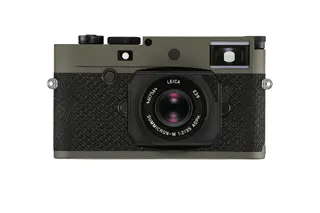
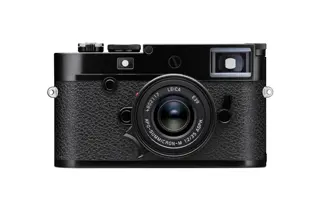
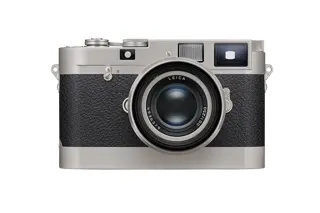
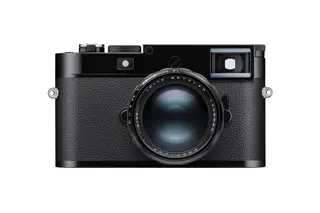
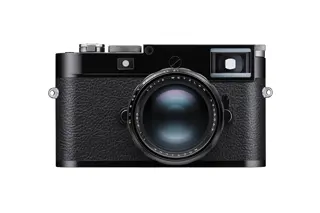
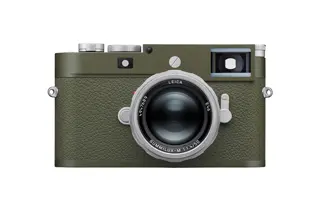
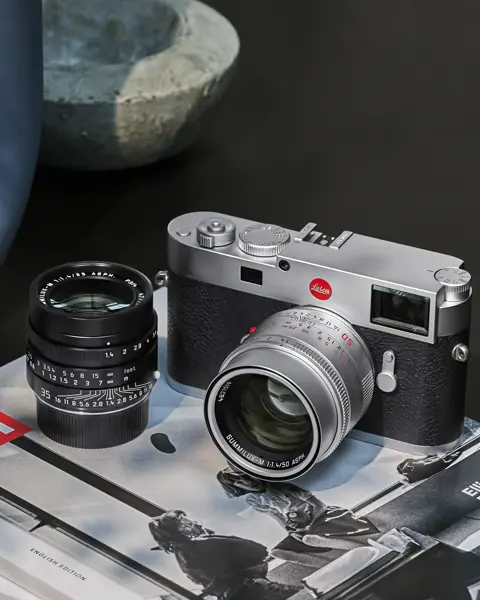
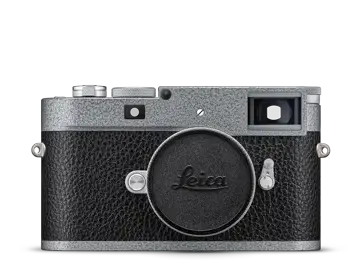
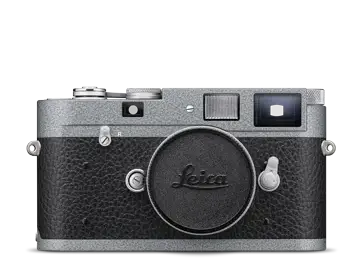
A special edition is based on a production camera and stands out from the standard model through features such as its paintwork, leatherette covering or special finish. It does not have a unique serial number and is available through regular retail channels. Once discontinued, the edition is not reissued.
Limited Special Edition
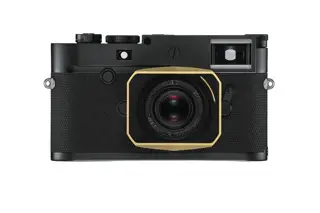
The number of units in a limited special edition is decided before production begins and cannot be increased afterwards. Each unit bears an engraved serial number and comes with a certificate showing that particular number. These limited special editions are only available until the entire run has been sold.
Currently Available
These editions are currently available from the Leica Online Store, Leica Stores or authorised dealers.

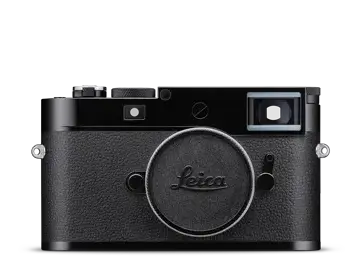
A Chronicle of Selected M Special Editions
A One-of-a-Kind Piece with a Purpose
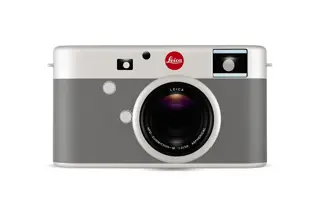
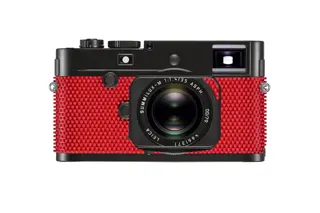
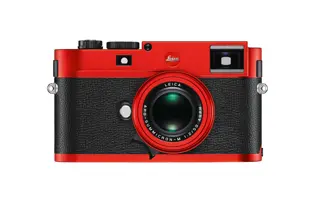
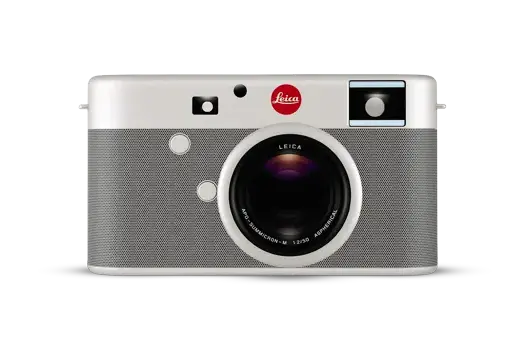
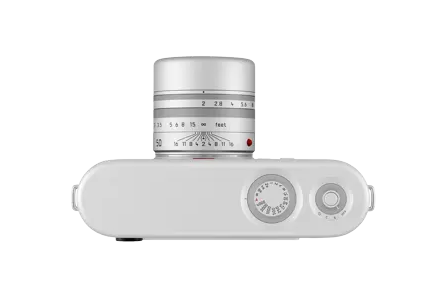
Bono, the lead singer of U2, introduced Jonathan Ive and Marc Newson to Leica. The two designers then created the Leica M for (RED), a unique camera intended to be auctioned off to raise money for the (RED) campaign to fight AIDS. The centre section is made up of a single component, and over 70 parts had to be redesigned for this purpose. The camera does away with the leatherette covering entirely, replacing it with around 21,000 precisely laser-machined hemispheres.

The Camera That Did Away with the Illumination Window
Walter de Silva was head of design at Audi and later at the Volkswagen Group. Not taking photographs in his personal life meant that he approached the M with an open mind, free from the expectations of a photographer. What bothered him was that the Leica logo did not line up with the lens, as the illumination window for the viewfinder frames was positioned alongside it. He first asked himself, and then the developers, whether this could be resolved. This led to an innovation that extended far beyond this particular edition: the window was replaced with LEDs, which were later used in all digital M models. Thus, what started out as a special edition became one of the most significant design changes in the history of the M series.
60 Years of the Leica M
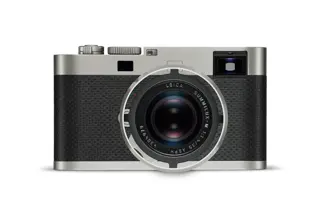
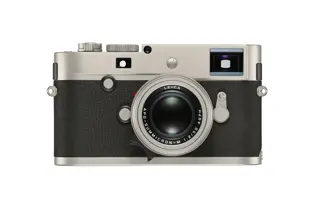
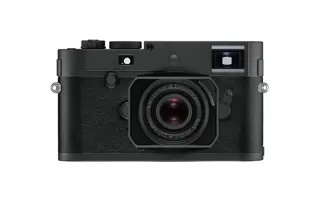
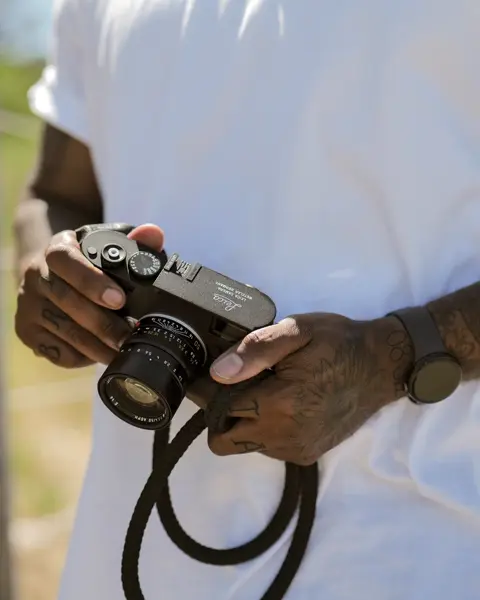
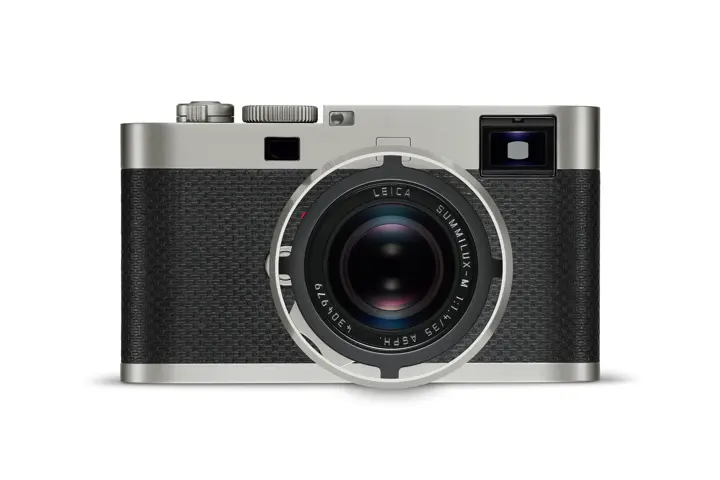
To celebrate the 60th anniversary of the M-System, Leica collaborated with Audi Design to create the first digital Leica M without an LCD panel. Instead of a display, there is a large dial on the back for adjusting sensitivity. As there is no menu, there is no format to select; all images are simply saved as DNG files. Both the camera and the Summilux-M 35 f/1.4 ASPH. lens are made of stainless steel. The special edition sold out quickly, prompting Leica to make the display-free design a standard feature, first with the M-D and then with the M10-D and M11-D.
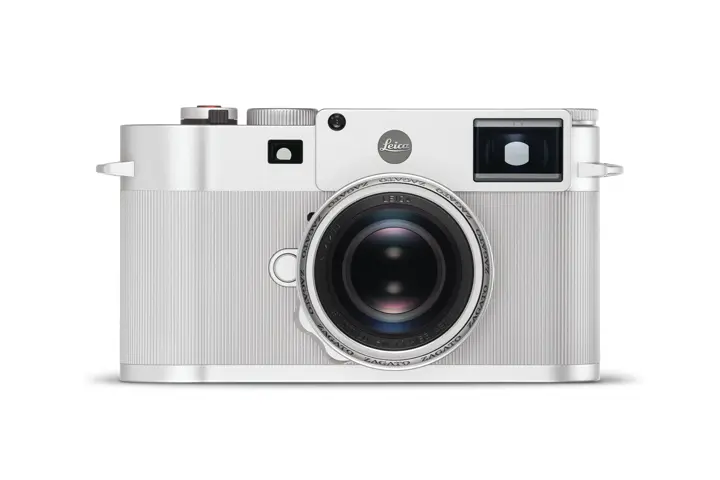
Italian Coachbuilding Meets German Craftsmanship
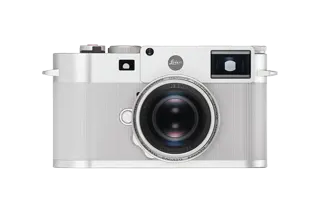
Andrea Zagato is the third generation to lead a company that has been manufacturing car bodies for over 100 years. The camera body of the M10 is made of aluminium, saving around 70 grams in weight. Rather than a leatherette covering, it features fine milled grooves and an integrated hand grip on the right-hand side. It also comes with the Summilux-M 35 f/1.4 ASPH., which is the first 35 mm lens to feature an integrated, extendable lens hood. Later, the black M11 also returned to featuring an aluminium top plate.

Klasyki i unikaty
Leica Stores na całym świecie i giełda internetowa Leica Classic oferują szeroki wybór pożądanych przedmiotów kolekcjonerskich i unikatowych historycznych aparatów, obiektywów i akcesoriów Leica.