Arrivals and Departures
An Introduction
Huge distances in a slow pace
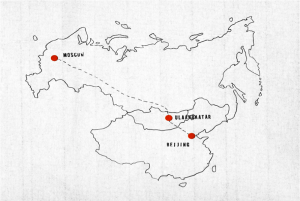
On this journey I will visit three cities, where I have never been before: Moscow, Ulan Batar, and Beijing. The train will bring me from the Russian forests to the Mongolian desert and finally through the mountains to Beijing. The train will be the red thread connecting these capitals. From the window I will follow the change of landscape and the change of mood.
It’s a trip I have always wanted to take; The legendary journey along the Trans Siberian Railway. So much history has taken place along these tracks, so many eyes have seen what I am about to see. I want to find out if traveling with the train will give me another perspective. In Denmark you can cross the country in five hours by train, but in Russia the distances are huge. I wonder if the connection between people and places will feel different considering the fact that I will pass every tree, every house and every village on my way to Beijing?
Everything is new
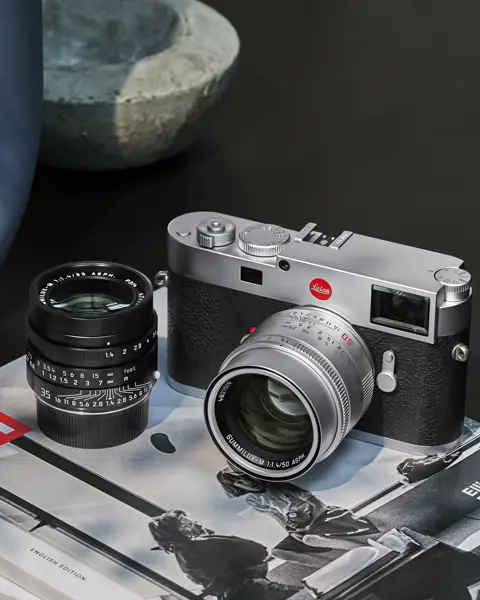
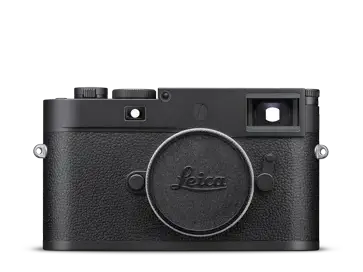
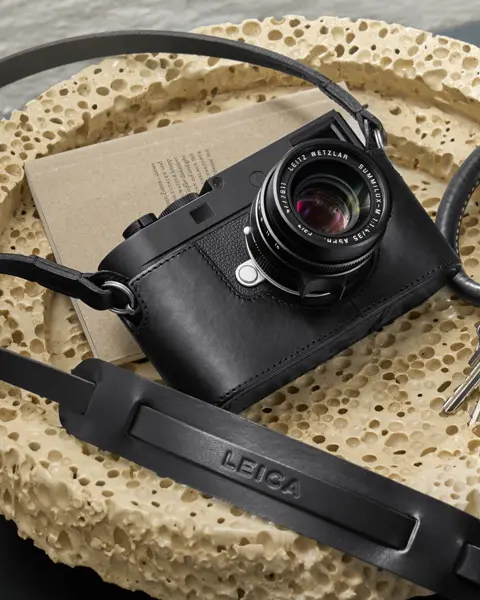
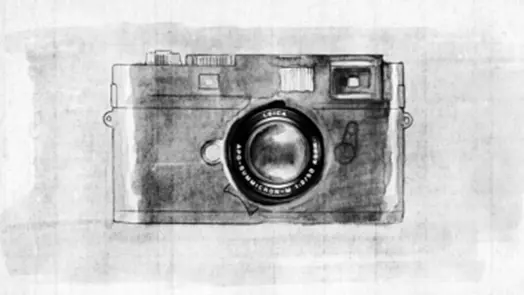
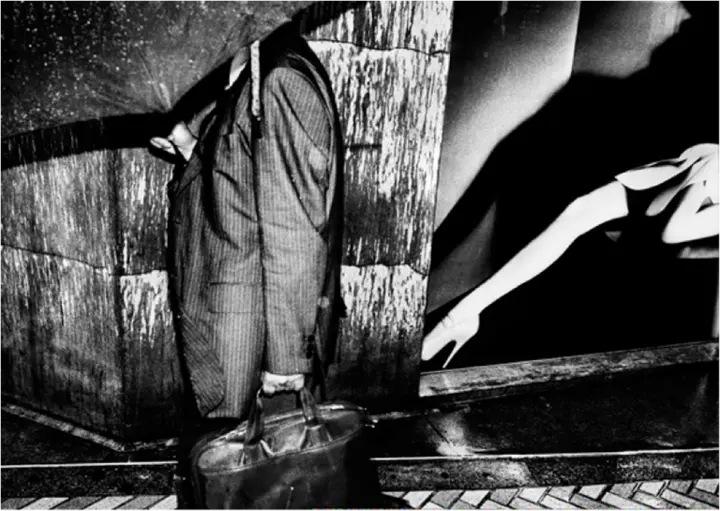
To me Russia, Mongolia and China are all unknown lands, and so is my equipment on this journey: The brand new Leica M Monochrome and a 50 mm apo-summicron-lens. On top of this, it is also my first time using a digital camera, and my first time using a Leica-camera at all. Everything is new, but then again, my ambition is always the same. I will use the camera as a tool to create contact, closeness and intimacy. I want to meet people, to connect with the cities, to make the places mine, even if it’s just for a short while.
Black and White
Working with black and white photography has always been the most direct way for me to reach more existential questions. In black and white I feel my images are not bound to a specific location or time, but they create their own universe. I like to think they are about something else and more than just what they show. At least that is my ambition; to focus on our emotions and a state of mind that is not defined by how we look or where we come from, but on the things that connect us and make us dependent on each other.
Episode 2 | Moscow
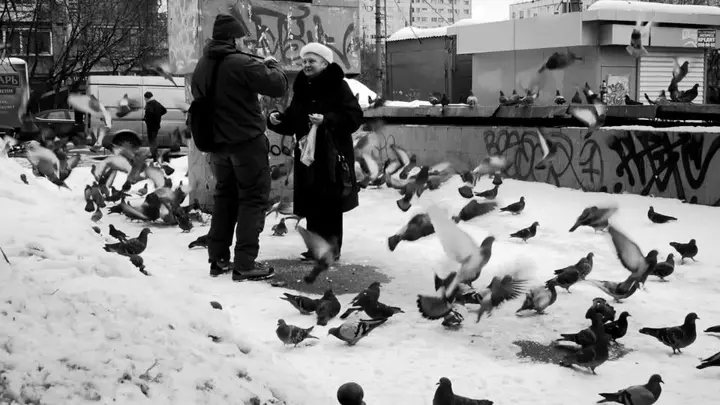
In part two of our “Arrivals and Departures” series with Magnum Photographer Jacob Aue Sobol, the Trans Siberian Railway has stopped in Moscow. Jacob brings us along his journey as he shoots the streets of Russia’s capital not sure of what will happen but equipped with a Leica M Monochrom.
Episode 3 | The Train
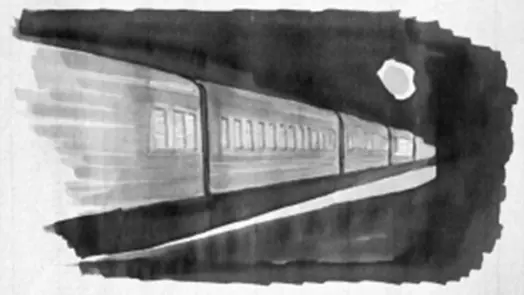
The first shock comes as I enter the train. It’s completely empty. The whole idea of the project is to meet people on the train and make intimate stories from their compartments. But riding this ghost-train, I have to change the concept: The intimate work has to come from my encounters with people in the cities I pass and the train will be the red thread connecting Moscow, Ulaanbaartar and Beijing.
Once the journey begins this “ghost train” atmosphere becomes very interesting and I begin focusing on the landscapes. I wake up around 6 am the first morning and I don’t remember where I am. I look out the window and see the most amazing twilight as the train takes us through a Russian forest. The rhythm of the train and the smell of coal completes this moment.

Even though I am a photographer, I try to avoid being a voyeur. It has always been my ambition not only to look, but also take part in life, which can be quite frustrating, especially if you have a tight deadline. If I meet someone playing soccer in the street, I immediately feel like playing with them instead of just watching. I never found it interesting to look at someone from the other side of the street, or to be “invisible” as a photographer. I hope this is the reason why people never feel like a voyeur looking at my images– because you feel that you are taking part.
But on this train my face is glued to the window and there’s nothing I can do about it. For every house I pass, for every person I spot, I wonder who they are and what their lives are like. And since I can’t ask them, I start making up stories. The train attendants all seem grumpy and homesick– and besides a lonely mother traveling with her child, there’s no one to meet.
After four days of traveling through Russia, the train compartment reminds me more and more of a prison cell. A place from where I can only watch and not take part. It is with a certain relief that I wake up on the fourth day to the sight of the frozen Lake-Baikal. I wish I had time to jump off and go ice-fishing with the locals, but soon we will reach Ulan-Ude and I will change from the Trans Siberian to the Trans Mongolian Railway. I can’t wait to reach Ulaanbaatar. I can’t wait to be among people again. The Mongolians.


Episode 4 | The Mongolians
I arrive in Ulaanbaatar after four days on the train. It’s a relief to get off and be amongst people again. The Mongolians. I feel it right away. These people are proud and strong, but they’re also caught in a strange connection between the present and the past.
During my six-day stay in Ulaanbaatar, I’m invited to go on a hunting trip in the surrounding mountains.
It reminds me of my life in Greenland. When I was 23-25 I lived in a small settlement on the East Coast of Greenland where I was trained as a hunter. The relationship you build with nature as a hunter has had a big influence on my life and work. Meeting the Mongolian hunter, I immediately felt like putting the camera on a shelf and picking up a rifle.
One of the hunters shoots a deer. He slaughters it, and we eat the warm raw liver and drink the fresh blood together. The same rituals. The same respect for nature as in Greenland.
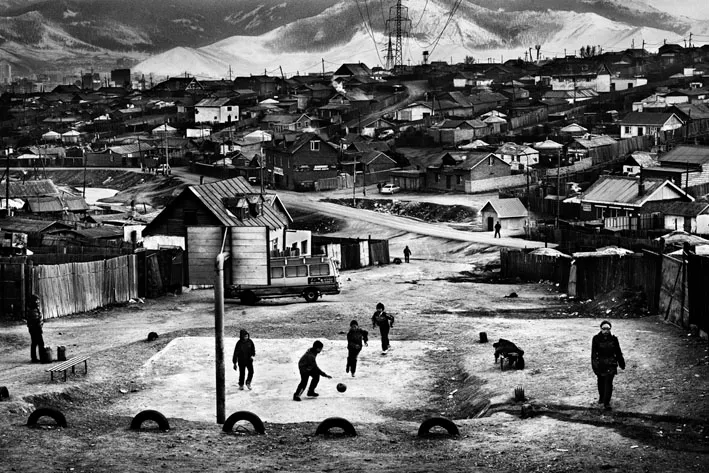
My days in Ulaanbaatar are passing fast. I walk the streets, and when I get lonely, I ask if I can come inside people’s homes. I visit a family of eight living in a traditional Mongolian tent – the Ger. I photograph a young couple in love, an artist, a grandchild caressing her grandmother’s cheek.
The last day I’m at a meat market and the police stop me. They take my camera and tell me I will only get it back if I erase every single image on the SD-Card. It’s completely full – 432 images.
And so I watch them disappear one by one.
When I leave the market I feel awful. The sun’s setting and I lost every single image from my last day in Ulaanbaatar. I sit down on a bench and close my eyes as a group of boys pass me with a basketball. I decide to follow. They run through the narrow alleys and into an open space on top of a hill. This is the basketball court. I play with the boys. I take their portraits. Then I walk back to the hilltop and get a complete view, the boys, their homes and the mountains. Ulaanbaatar.
Tomorrow the train leaves for Beijing.
Episode 5 | Beijing
-
Image
-
Image
-
Image
-
Image
-
Image
-
Image
-
Image
-
Image
-
Image
-
Image
-
Image
-
Image
-
Image


“I can’t live without you.”
The train takes me through the Gobi-desert, Inner Mongolia and the mountains before reaching Beijing. The landscape changes and so does the weather. From Winter to Spring. From -20 in Siberia to +20 in Beijing.
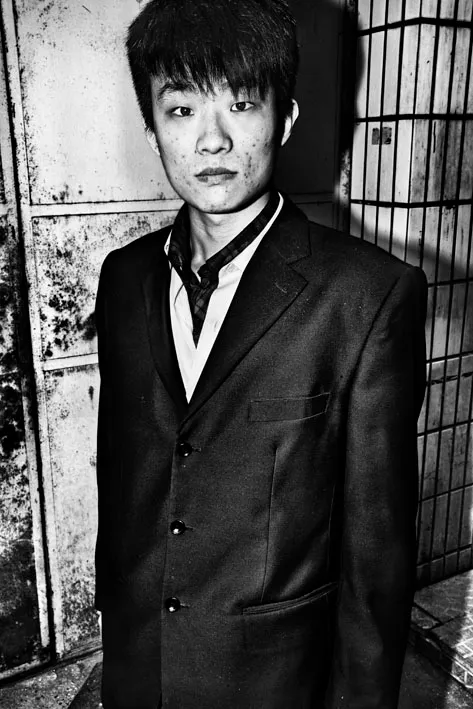
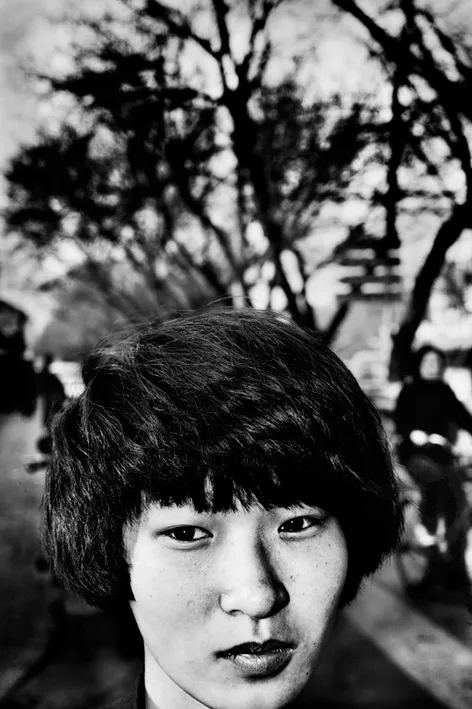
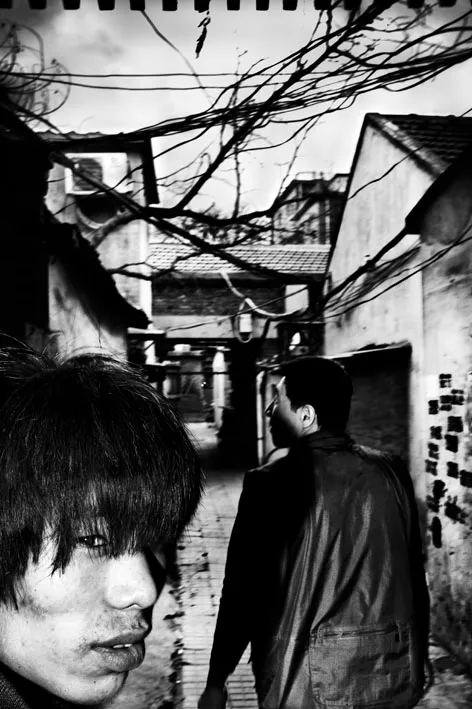
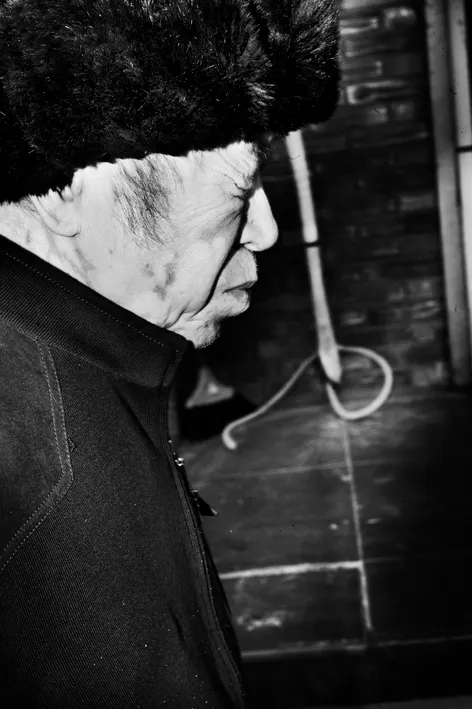
I’ve heard they are difficult to get close to – the Chinese. I find it hard to believe. Is it not always the same? The way you connect with people? To me it seems more difficult not to be close. I feel safe when I’m near other people. When I’m far away, I get lost and can’t feel anything, so therefore it’s natural for me to take one step closer. And so I do in Beijing.
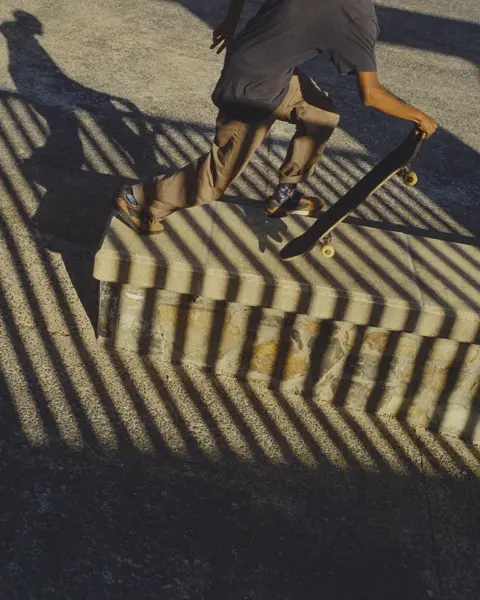
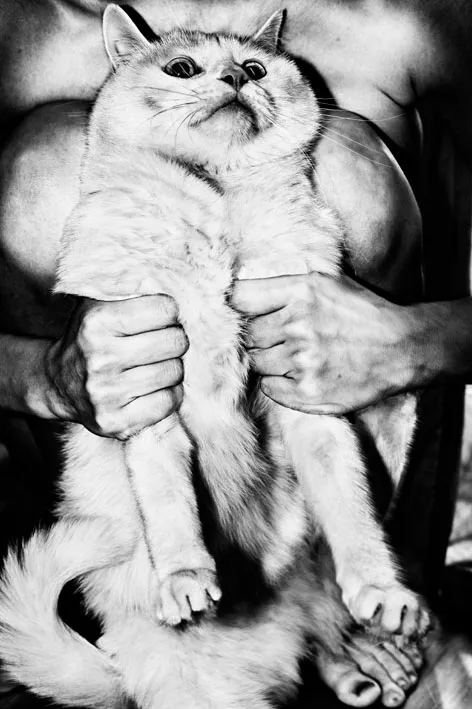
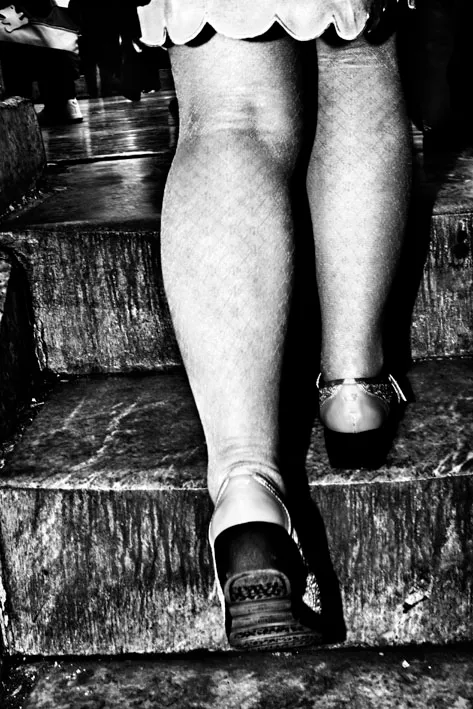
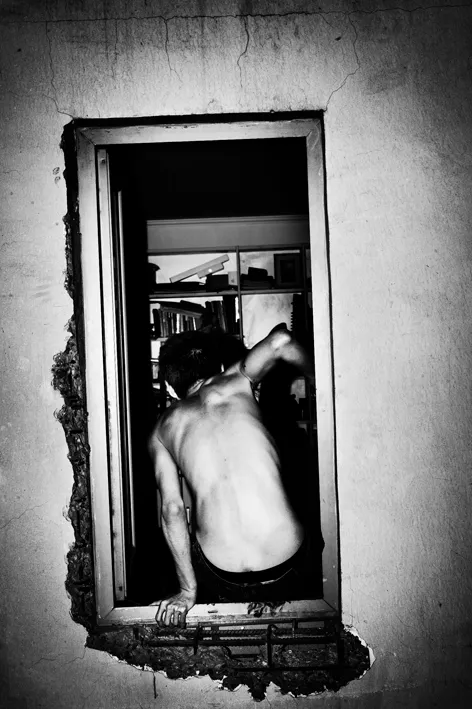
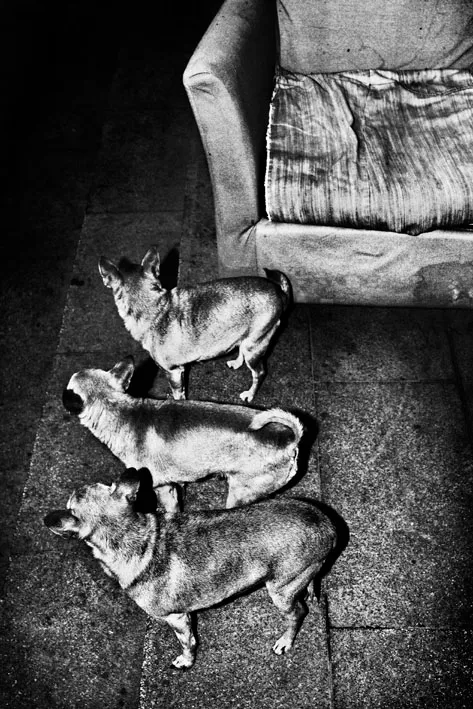
In the streets I try not to make any rational decisions about what to photograph and what not. I do not have any rules. I take pictures of everything on my way: a tree, a building, a shadow, a person. Sometimes it takes me two hours to get down a street, because there are so many things to photograph and people to meet.
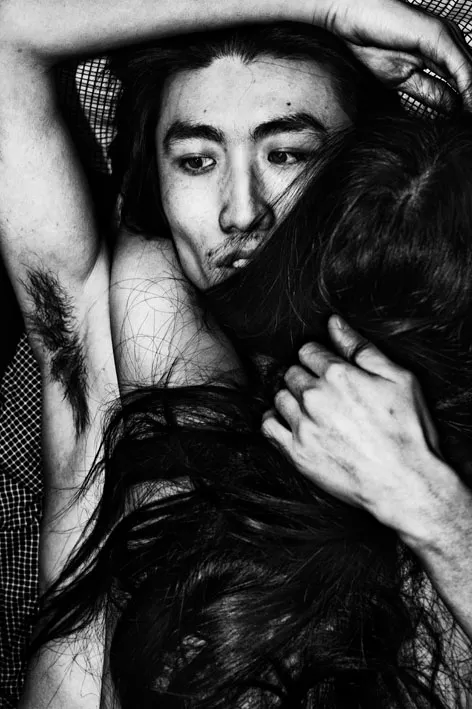
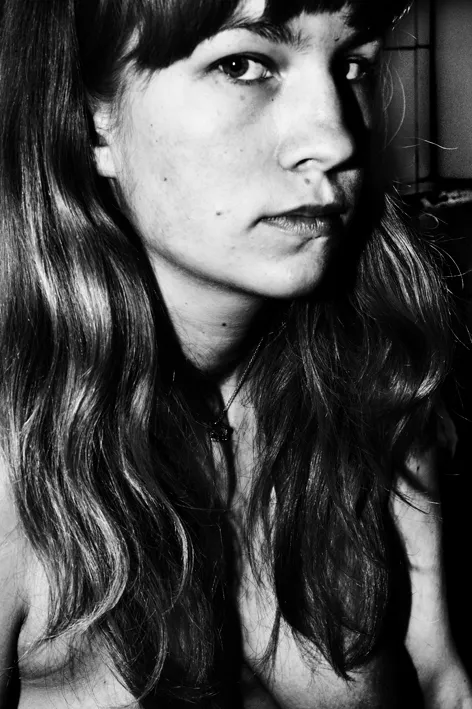
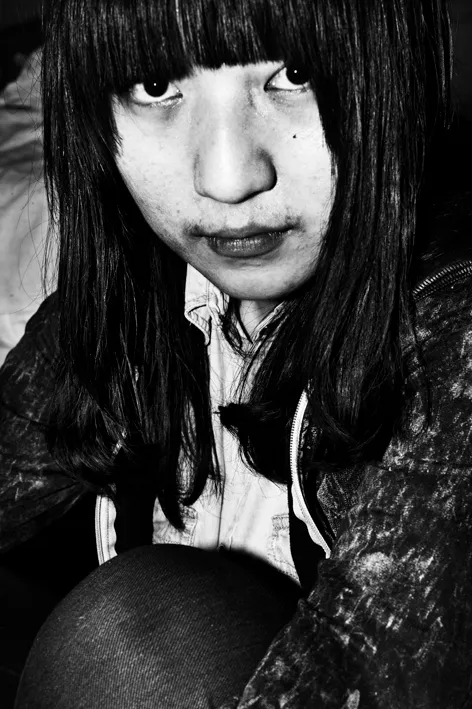
When I have photographed in the street for a few days, I begin to feel sad. Even though my images from the streets can be close, photographing people in their own home, surrounded by the things that belong to them and make them feel safe is a total different experience. When I have photographed someone like this, I feel I have an experience to share with that person for the rest of my life.
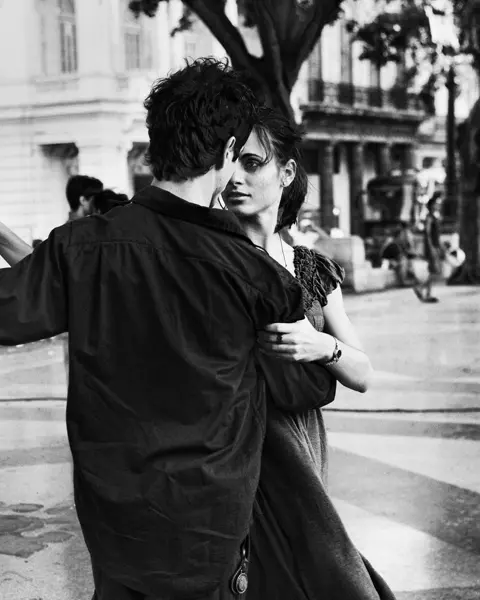
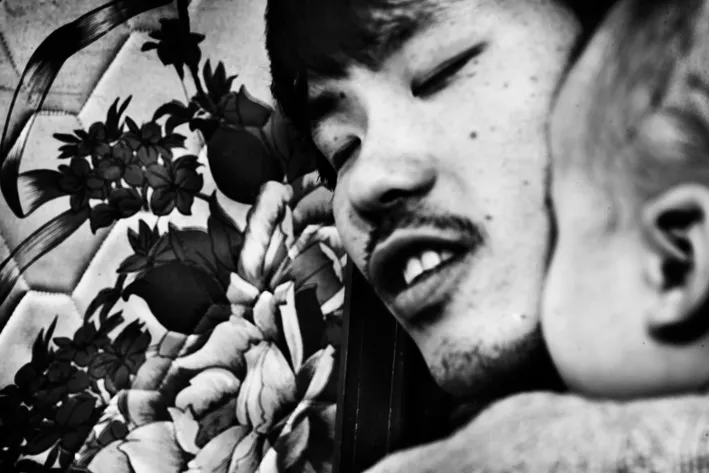
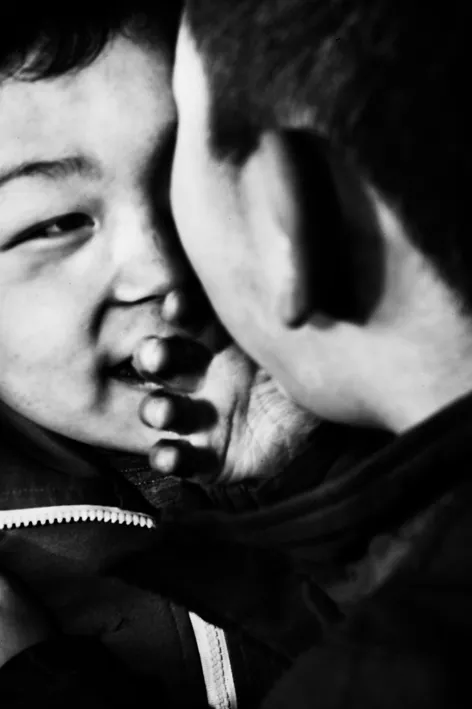
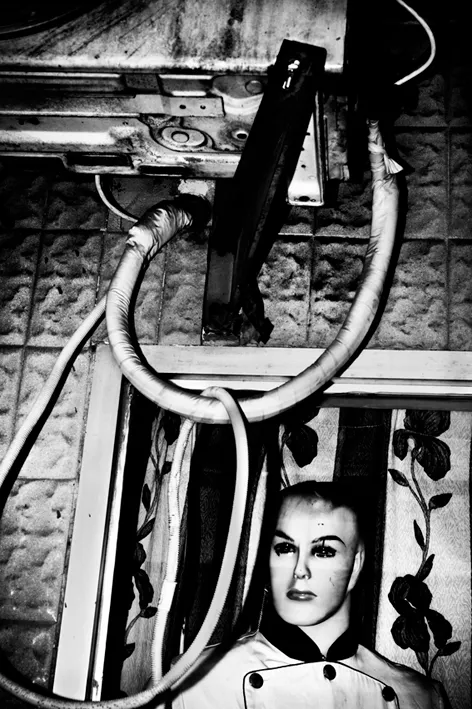
The most bizarre question I ever got from a journalist was from a photo- Magazine asking me if the figures in my images were mannequins. The mannequin-series, he called it. He simply did not believe that it was possible to photograph humans like this. But the people I photograph are real, and I look at them, and I try to find something that connects us. I try to find a piece of myself in them. I feel warm when I look at two people desperately holding on to each other, saying: “I can’t live without you.”
I admire all the people I take pictures of because they put themselves in a very vulnerable position. They trust me and I trust them, and it is important for me that there’s a mutual understanding of this. That we’re communicating in a way where it’s not just ‘me looking at them’, but there’s an exchange of emotions and life.
-Jacob Aue Sobol


Episode 6 | The Final Episode
This is the sixth and final episode of our “Arrivals and Departures” series with Magnum Photographer Jacob Aue Sobol after his journey photographing what he saw with his Leica M Monochrom through Moscow, Ulaanbaatar and Beijing.
-Leica Internet Team
To learn more about Jacob Aue Sobol and view his work, visit his website at www.auesobol.dk.