
In the Name of Colour and Light
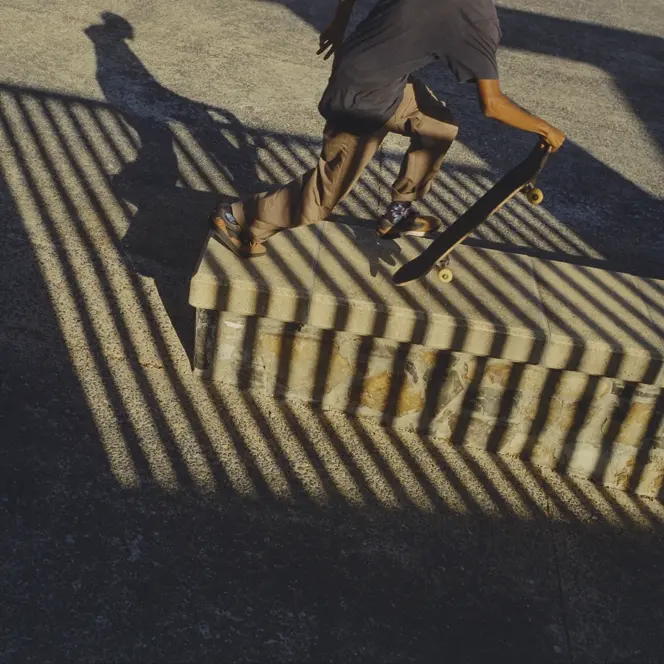
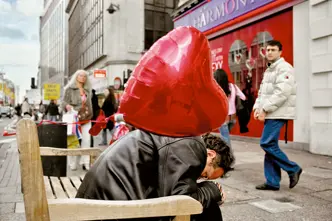
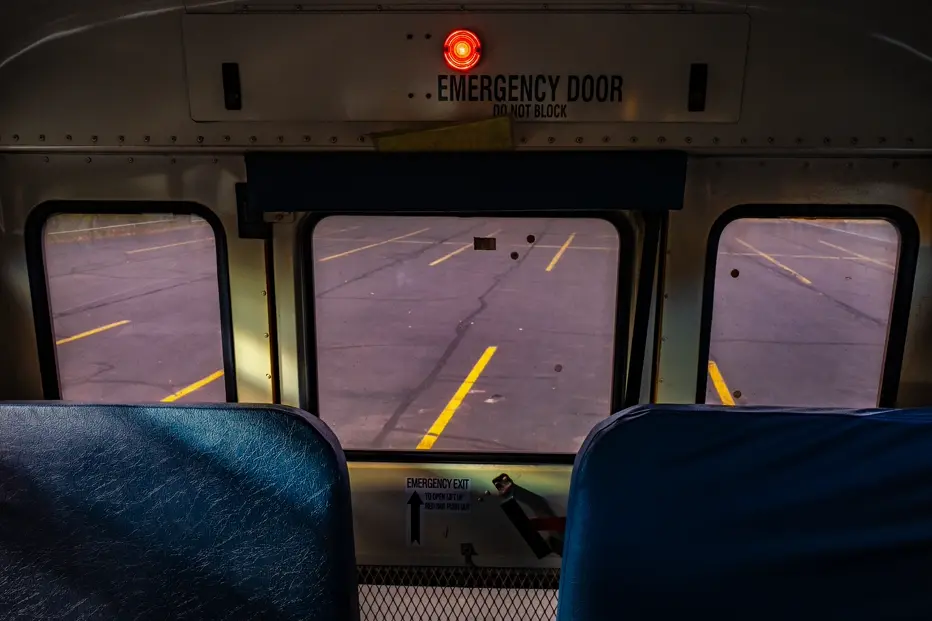
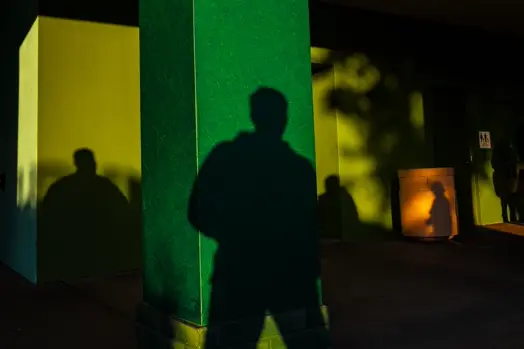
The Spanish photographer’s pictures are usually captured spontaneously in public places and on streets around the whole world. They speak of surreal and exciting moments, enveloped in geometry and intense light.
Victor M. Perez has been travelling the world for the past ten years, searching on the streets for high-contrast, enigmatic scenarios full of mystery. From 1000 pictures he selected just 55 for a book. They confirm that when you head out onto the street with a camera, you can find unique stories to share.
The Interview with Victor M. Perez
What do you experience on the street?
Victor M. Perez: When I step out with my camera, I experience the street as an intense, live space of attentive observation and connection. I don’t go out with a rigid mandate; instead, I let myself be guided by a purely subjective inner drive. It’s a search for that subtle, ordinary heartbeat pulsing just beneath the surface of everyday reality, always framed by the ordinary yet made extraordinary thanks to light and colour.
What fascinates you about street photography?
The pure, unadulterated pleasure of capturing a candid, meaningful moment out of the blue, creating something unique that didn’t exist a moment before and will never exist again. I’m drawn to the tension between the window and the mirror approach to photography – how a photographer can look through a window at the objective world, yet ultimately look at themselves in the mirror to interpret reality and create a deeply subjective, personal narrative. It’s the ability to transform a fleeting public scene into something ethereal, mysterious, deep and universally relevant.
Your book is called In the Name of Color and Light – what do these mean to you in photography?
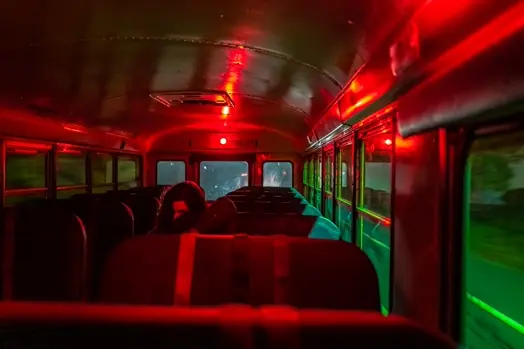
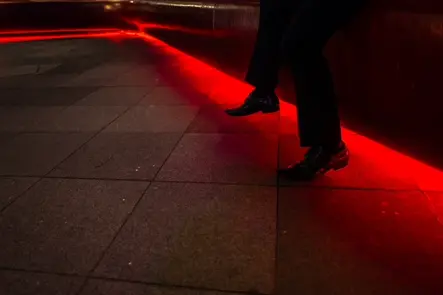
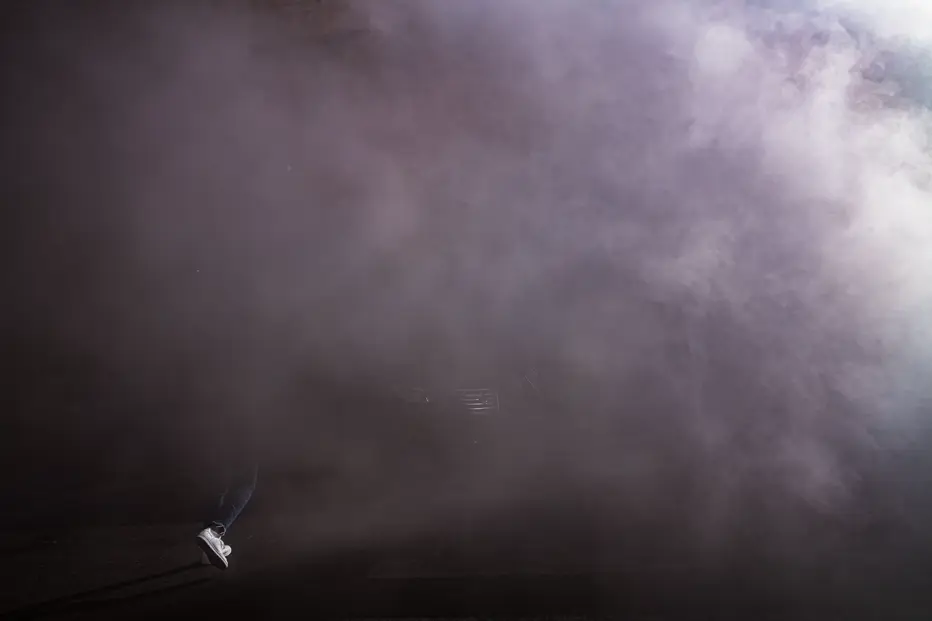
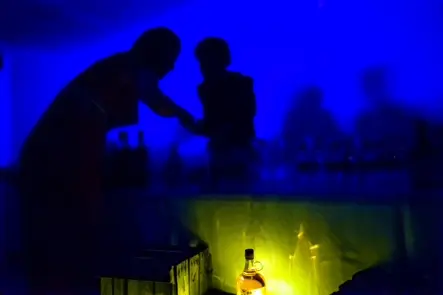
Color is not a decorative afterthought; it’s a conscious personal language, the very grammar of how I interpret reality. It serves as a visual glossary to evoke emotional arcs – moving from the introspection of purples and grays to the maturity of yellows, or the intensity of reds. Along with light, for me color acts as the atmospheric force that allows a story to be intuited even when the subjects themselves remain hidden or anonymous.
“In the Name of Color and Light”
ISBN: 9788410024618
Publisher: La Fábrica
Publication Date: 2025
Geometry and shapes are also an important aspect of your work.
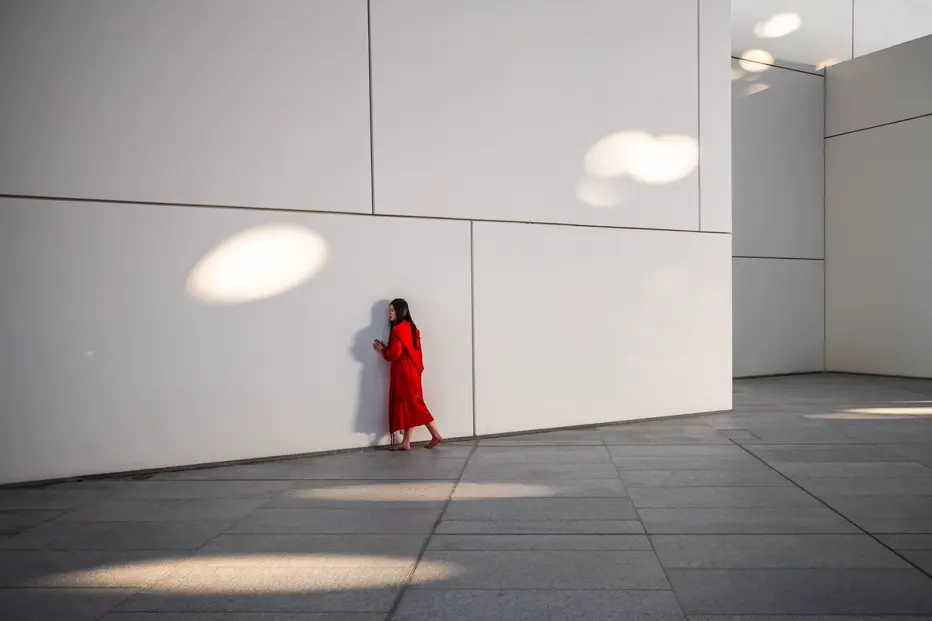
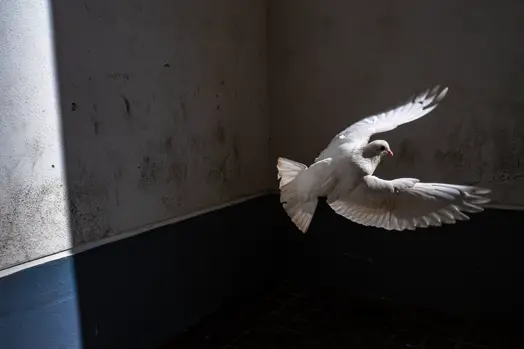
For me, content needs the right form to reflect what and how I see. In the pictures I really like, one doesn’t exist without the other. Along light and color, strong geometry, prevalent diagonals, and arrangement of objects in space –heavily influenced by my love for architecture –, are what create the atmospheric mystery. The artistic abstraction of an anonymous, blurred figure wrapped in subjective and intense light is the vehicle for the narrative. I use these geometric structures to evoke a feeling of absence or disquiet, something that’s there and affecting the scene, hoping that a purely subjective composition can tell a deeply compelling story.
How do you find your subjects, and when do you consider a photo perfect?
I find my subjects by looking for geometric tension, sharp framing, and the dramatic interplay of light and shadow. My subjects in the book are fully anonymous, single figures – and sometimes two –, often fragmented or cloaked in darkness. As for a “perfect” photo, I’m really not sure it exists, as that’s very subjective and strongly depends on the individual, on the photographer and the viewer. The photos I really like are extremely rare to come by. I often make good photos every day I go out shooting, but for me to consider one as truly mine and special, it needs to meet a very strict criteria; my book encompasses more than 10 years and has only 55 images. I look for an image that successfully holds an aura of intrigue and raises questions rather than offering neat answers.
What role does the camera play for you?
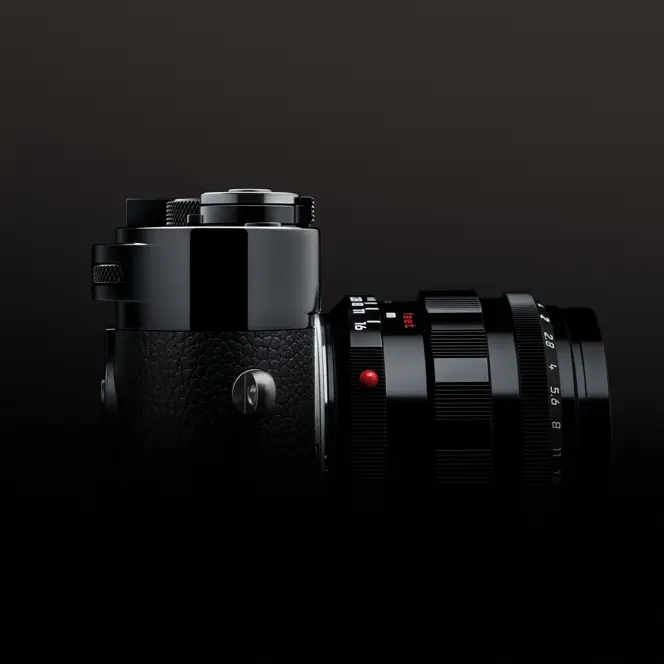
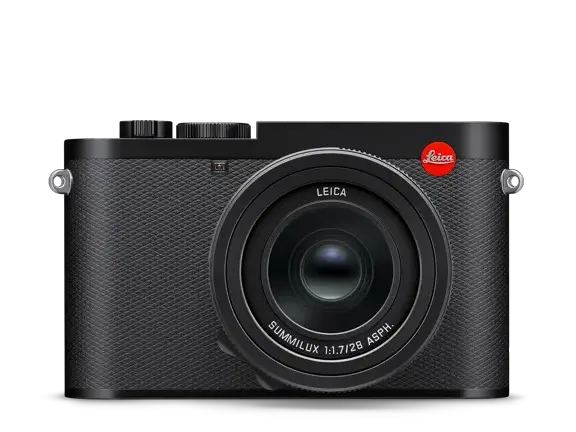
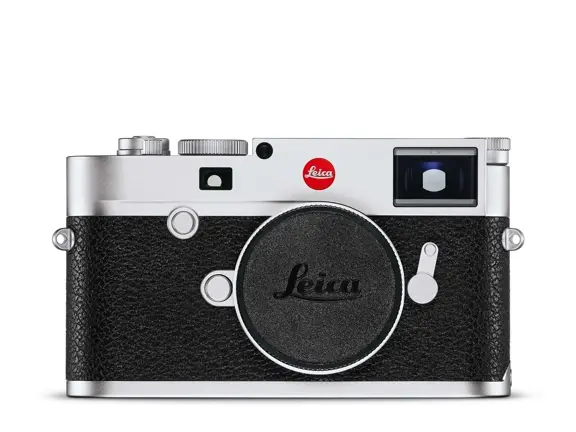
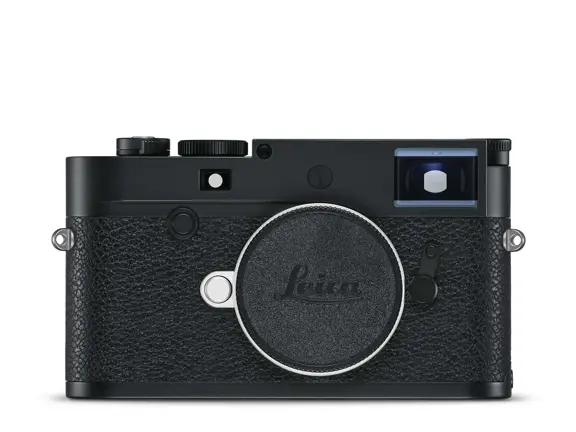
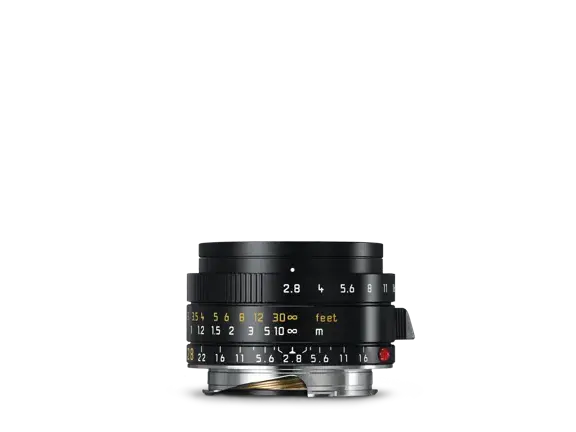
My definitive experience has been with the Leica Q series, starting back in 2015 when a trusted friend at Leica steered me toward the original Q. It completely taught me how to see beyond the naked eye, by crafting depth of field, light, and framing as per my inner eye. I’ve had the Q2 and currently the Q3. What I love about it is the seamless blend of M series manual heritage with an intuitive, lightweight build. Its fast, luminous 28mm lens forced me to get closer to my subjects, while keeping a wide eye on the entire scene. I also shoot with the M system, which brings a different, more thoughtful experience and allows me to use different 28mm lenses, each seeing light in a unique way.
Equipment: Leica Q, Q3, M10, M10-P, X-U, Elmarit-M 1:2.8/28 Asph
Do you have any photographic role models?
Of course. The deepest influences are the 20th-century, color classics like Saul Leiter, William Eggleston, or the explorations by Fred Herzog and Ernst Haas. For form, composition, and geometric impact, I look constantly to Gueorgui Pinkhassov and André Kertész. When it comes to narrative and approach to the street and the subject, I’m profoundly indebted to Alex Webb and Rebecca Norris Webb, Christopher Anderson and Maciej Dakowicz.

Which city and which streets inspire you the most?
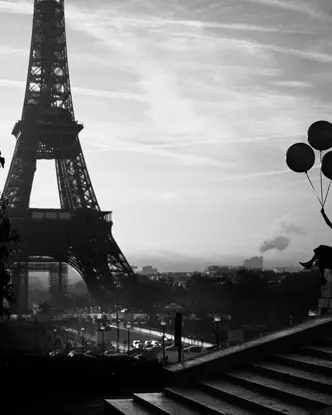
My work in the book spans four continents, but geographic specificity is never the point of my images; I deliberately strip away local landmarks so a scene could be anywhere. There are images from San Francisco, Singapore, Abu Dhabi, New York, Paris, Rio de Janeiro, Hong Kong, Bangkok, Barcelona, London, Kuala Lumpur, Chicago, Milano, Miami, and several natural parks around the world, but I would be surprised if you could identify where each photograph was actually taken. That said, my roots are in Madrid, and I have been based in Doha since 2021, which has provided an entirely different and exciting backdrop for my daily observations. Ultimately, whether I’m shooting a long-term project in Qatar, capturing Holy Week in Spain, or walking through streets in the US, I am inspired by any public space where light, shadow, and human anonymity collide.
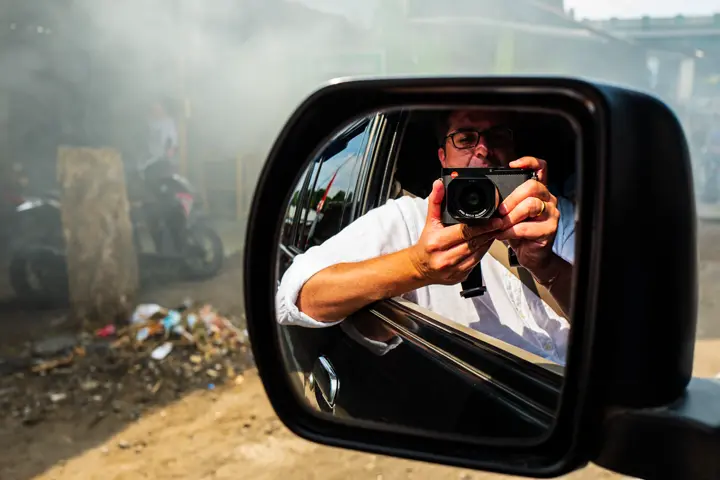
About Victor M. Perez
Victor M. Perez was born in Madrid and lives in Doha. He is a self-taught photographer who has taken part in workshops and mentorship programmes. His Alive At Midlife dummy book was shortlisted for the Photo London/La Fabrica Award and was exhibited at both Somerset House in London and the Spanish National Library in Madrid. His solo exhibitions include selections from the ONE project at the Leica Gallery Madrid as well as Anyone, Anytime, Anywhere at the Leica Gallery Milan. His latest book, In the Name of Color and Light, came in 2nd at the International Photography Awards, in the Fine Art category.
© Victor M. Perez. All rights reserved.