Wind over the
Wadden Sea
In March, Sylt shows its more rugged side. The wind usually comes straight off the North Sea –cold, steady, and persistent – and the island feels much more lonelier than in summer. Fewer visitors, fewer distractions, but clear viewing conditions, changeable light, and a high presence of migratory and wintering birds across the Wadden Sea.
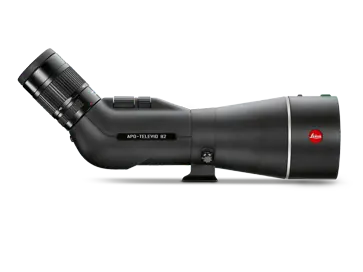
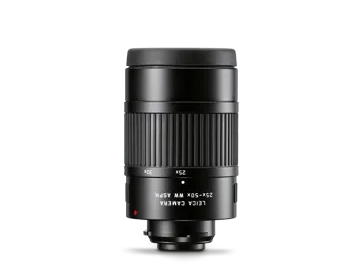
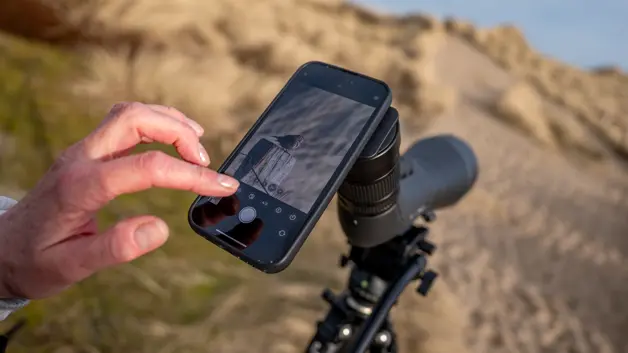
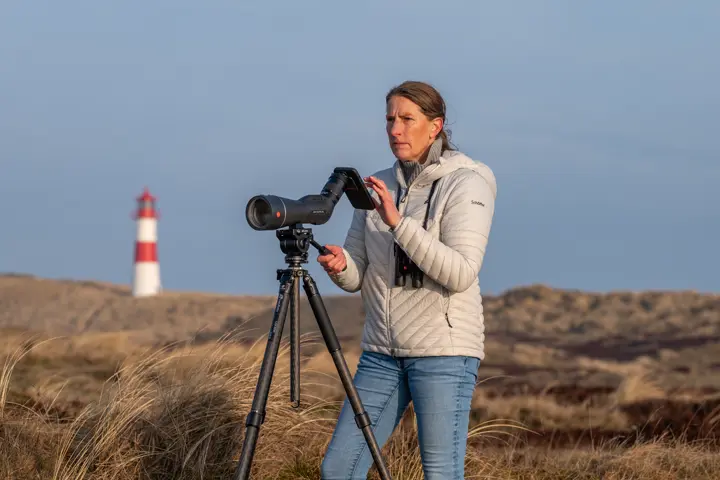
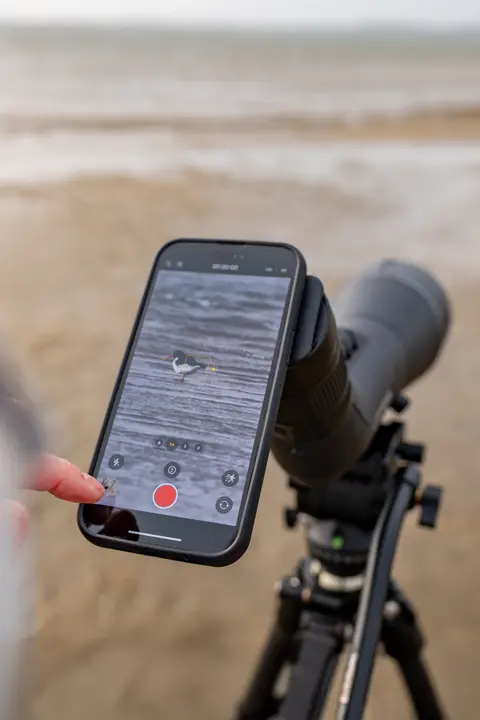
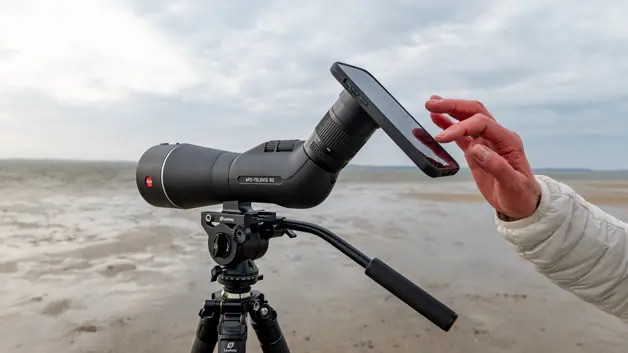
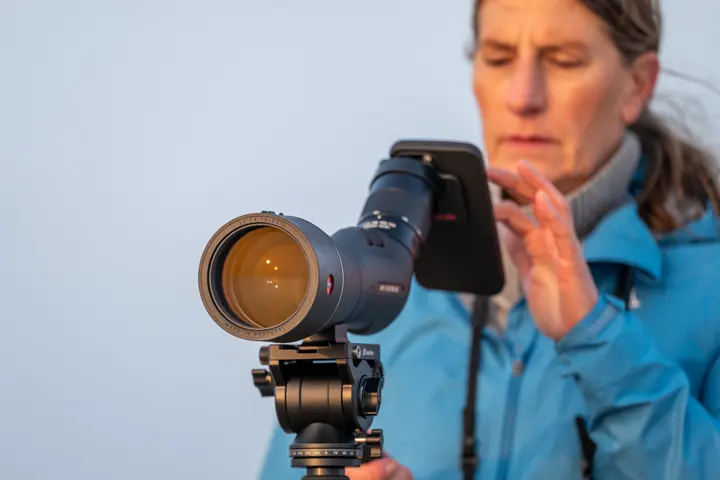
I spent several days on the island using a Leica APO-Televid spotting scope with a smartphone adapter to document various observation points along the western coastline and the salt marshes. The focus was on recording typical winter and early spring species in the Wadden Sea through digiscoping.
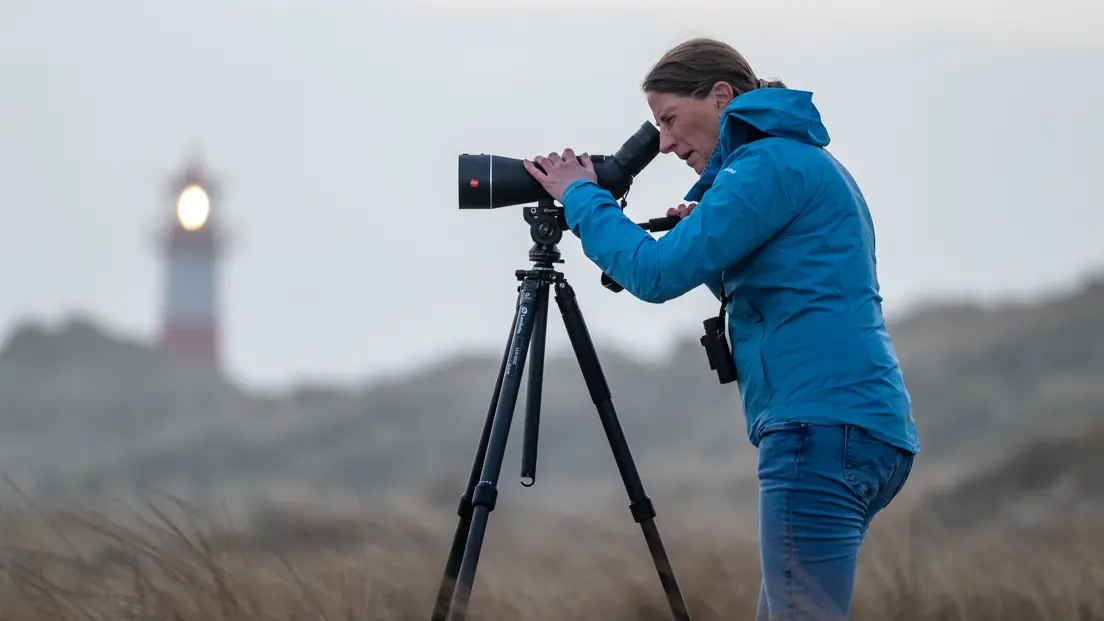
Winter in the Wadden Sea doesn’t offer dramatic scenery, but clear conditions: wind, open space, and birds constantly shifting between rest and movement.
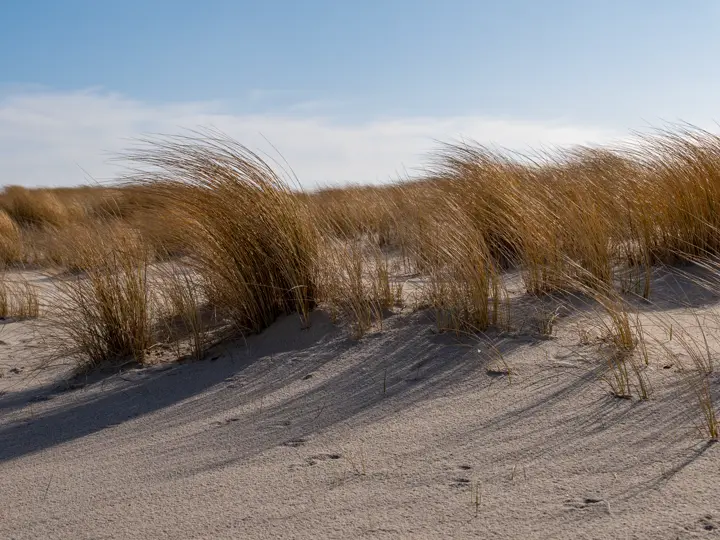
Rough Field Conditions
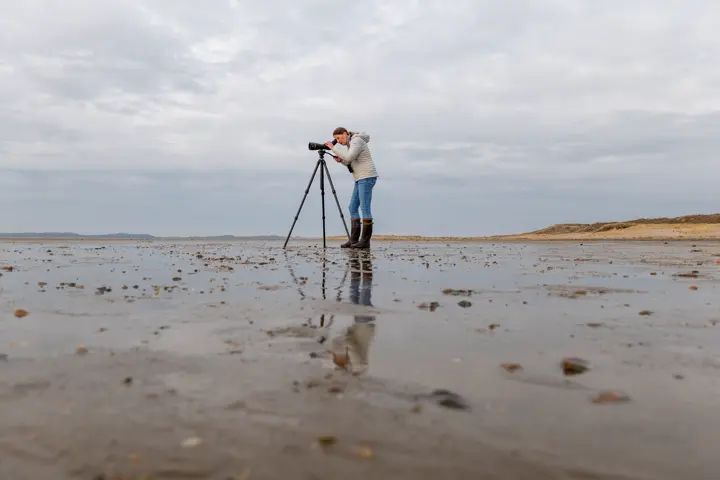
The weather was typical for the season: variable cloud cover, strong winds, and occasional light rain. These conditions define the way you work in the field. Light and visibility change quickly, so flexibility is essential. The paths along the dikes were wet in places and exposed to the wind. In lower-lying salt marshes, larger groups of birds gathered, especially geese, ducks, and waders. Brent geese and barnacle geese were regularly present in smaller flocks, along with various shorebirds and oystercatchers along the tidal edge.
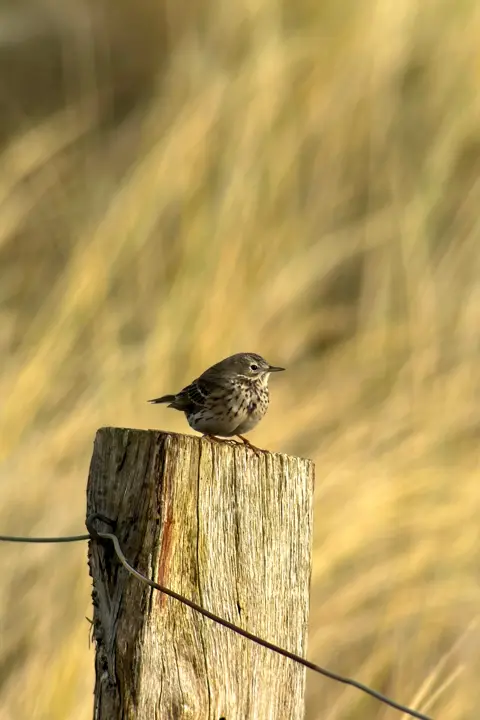
Meadow Pipit (Anthus pratensis)
APO-Televid 82 with iPhone 14
Working with the Spotting Scope
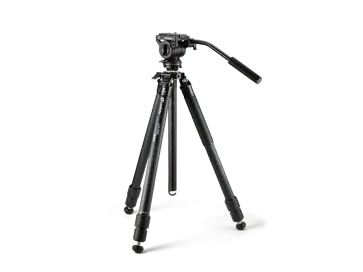
The Leica APO-Televid performed reliably under these conditions. Especially in changing light and at longer distances, the optics delivered a stable, high-contrast image. Combined with the smartphone adapter, the scope worked well for documentary-style digiscoping. The main challenge was not magnification, but wind stability. In stronger gusts, the tripod had to be carefully positioned and sometimes shielded to obtain usable images. Choosing observation points also mattered: slight terrain edges, dunes or dike structures often provided some protection.
Observations in the Wadden Sea
Over several days, larger groups of wading birds were observed feeding on the exposed mudflats. Particularly interesting were mixed flocks of bar-tailed godwits, dunlins, and curlews, which shifted their distribution depending on tidal levels. Through the scope, behavioural details were clearly visible – feeding patterns in shallow water, or how groups reacted to disturbance from passing raptors. For digiscoping, timing was key: capturing the brief balance between movement and stillness, even though the birds were, unfortunately, constantly on the move most of the time.
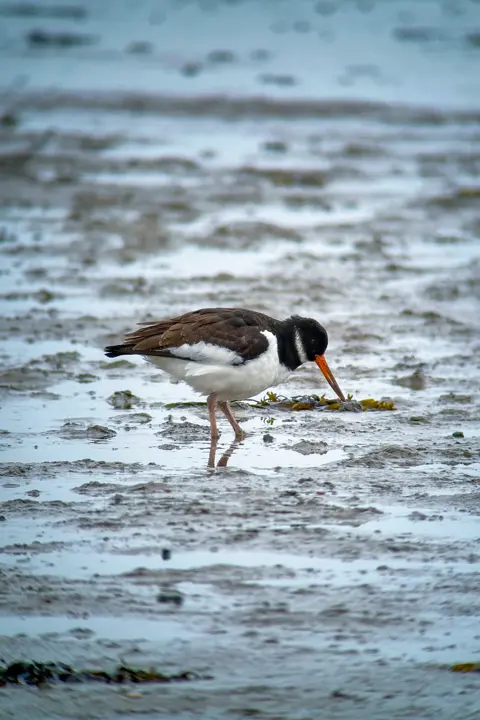
Eurasian oystercatcher (Haematopus ostralegus)
APO-Televid 82 with iPhone 14
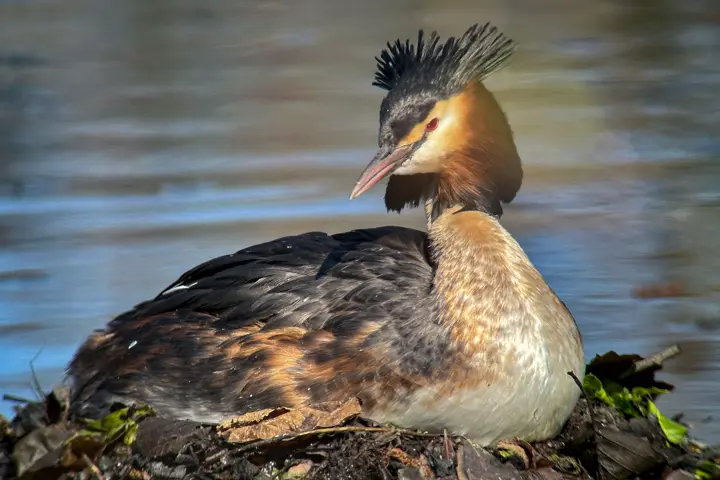
Great Crested Grebe (Podiceps cristatus)
APO-Televid 82 with iPhone 14
Digital Documentation
The smartphone-based digiscoping setup proved to be a practical and effective solution for field documentation. While image quality varied with light, distance, and wind stability, it was consistently adequate for identification and observational purposes. Particularly strong results were achieved with stationary or slowly moving birds on the mudflats. Under more challenging conditions, such as strong winds or fast flight movements, some limitations became apparent, as expected in field use.
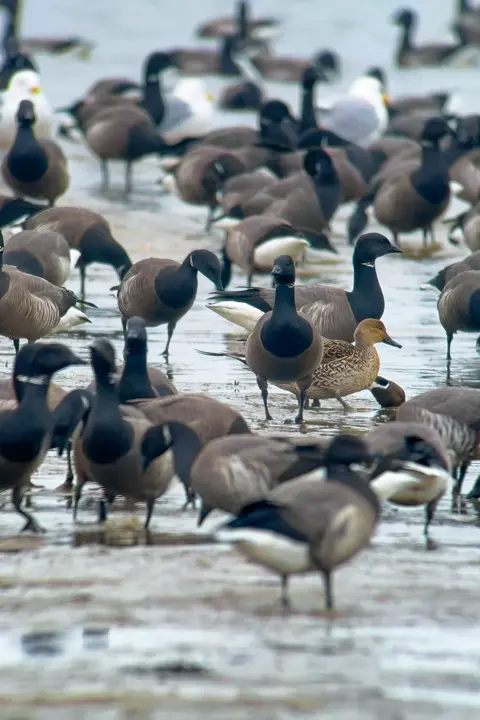
Brent goose (Branta bernicla)
APO-Televid 82 with iPhone 14
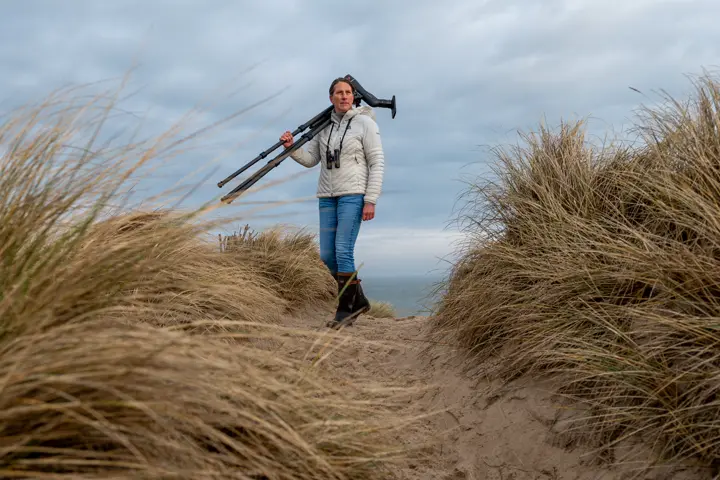
Fast Setup, Reliable Capture
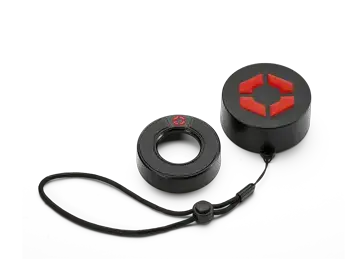
During the digiscoping sessions on Sylt, the Ollin Snapshot adapter in connection with the Ollin Snapcase proved to be a particularly practical solution for connecting a smartphone to the Leica APO-Televid spotting scope. Especially under windy and changeable conditions, it enabled a quick yet stable setup, allowing efficient use without lengthy adjustments. The secure fixation of the smartphone ensured consistent alignment with the spotting scope, even in stronger winds or when frequently changing observation positions. As a result, moments of observation could be captured much more quickly, with flexible adaptation to changing field conditions.
Conclusion
Sylt in March offers solid conditions for structured birdwatching in the Wadden Sea. The combination of migratory activity, fresh winter air, and low tourist presence creates good opportunities for extended observation sessions.
The Leica APO-Televid paired with smartphone digiscoping proves to be a highly effective setup for documentary field use, performing especially well during static observations along the dikes and across the tidal flats.