
Rotan Switch
Since she was young, Lisa McCord has connected her passion for photography with her love of people: the American photographer began documenting life in Rotan in 1978. Today, her series not only speaks of the Arkansas Delta, but also shows her appreciation for the community she grew up in.
The Interview with Lisa McCord
LFI: Why did you start this series? What was the impulse behind it?
Lisa McCord: I love being around others and have always been naturally drawn to photographing people. I started taking photographs at Rotan when I was twenty-one. At the time, I had no intention of building a conceptually complex body of work with the pictures I took; I was simply taking pictures of the people and places around me. It wasn’t until much later that I began to see these images as a group that worked together, to visually describe the community in which I grew up.
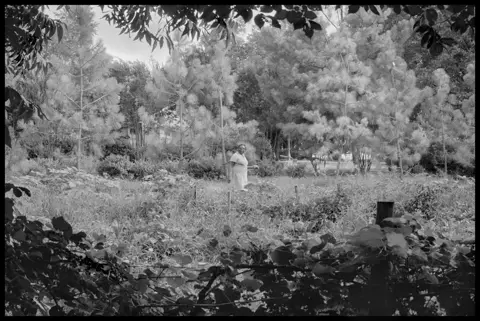
You have now been following it for over 40 years. What has changed in Rotan since then?
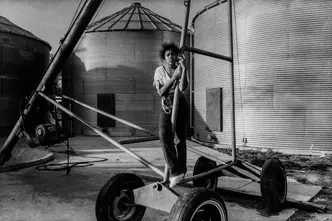
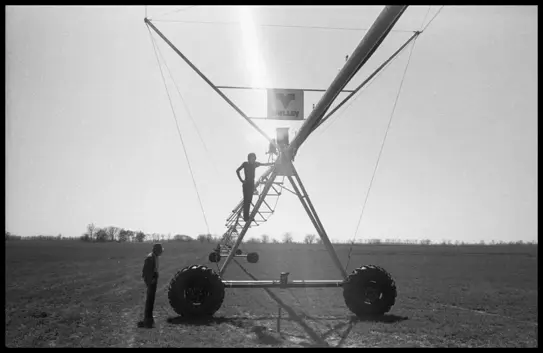
Over time, the mechanization of farming drastically reduced jobs in agriculture in the region. When I was growing up, hundreds of people lived and worked on my family’s farm. Today, it employs just twenty workers who all live in nearby towns. As a child I saw the farm as an idyllic place to live but – as much as I cherish many of the memories I have there – now I view things differently, with a greater understanding of the power dynamics between landowners like my family and laborers, and the social and economic injustices they perpetuate.
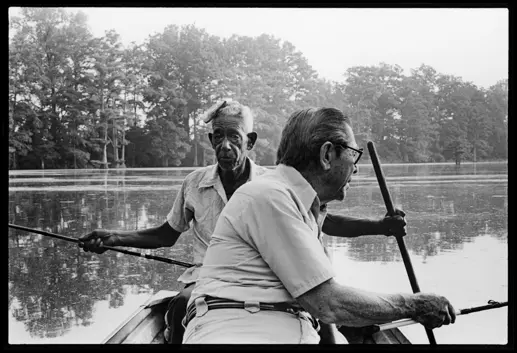
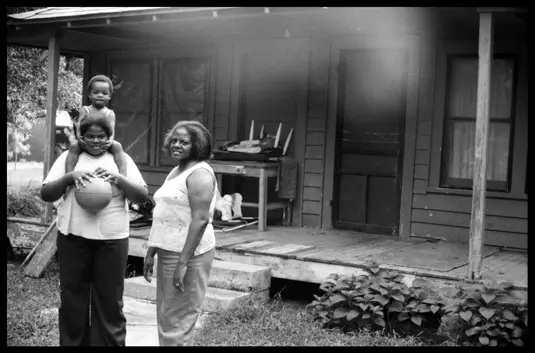
Is your series also a narrative about social class?
When I began photographing at Rotan in 1978, I wasn’t thinking about race or social class; I was driven by the simple desire to take pictures of my friends and family. However, over time I began to realize that those issues are inherently present in the work. The images are complicated in that way; they will always exist in the context of the socio-economic structures of the rural South. The fact that these images exist in itself reflects those issues. In a community in which most people spend their time working or caring for children, my ability to observe and document is a position of privilege. Although I think of the people in the pictures as family, as a white photographer and the granddaughter of a landowner, my photographs of the Black community implicate my own role in reinforcing these power structures.
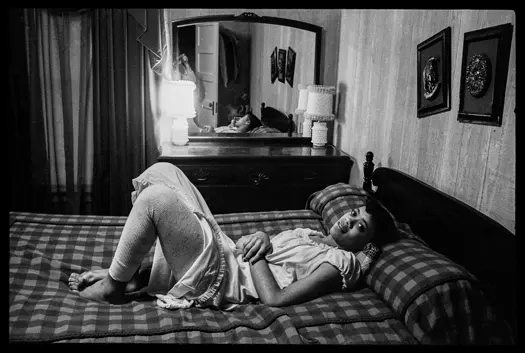
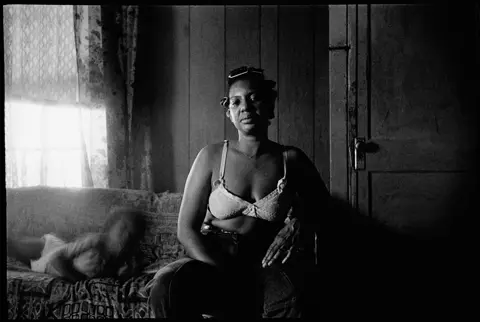
What does your project tell us about the place – and also about America as a whole?
Rotan Switch takes its name from the community’s central landmark – the railroad switch where farmers loaded their cotton bales onto trains headed out of the Delta. Although the switch hasn’t been used in years, it remains a potent symbol of the complex intersections of industry and agriculture, of race and injustice. Even though they were not the focus of the images, these inequities make themselves visible as unspoken details about the subjects’ economic status, personality, and lifestyle, through their clothing and surroundings. I think the work must acknowledge the community’s complicated history, to create a genuine empathetic encounter between the viewer and the subjects. Regarding America generally, I think there are other voices that should be elevated in the discourse about the socio-economic issues in the country as a whole. However, I will say that in light of our country’s current social, economic, and political tension, the kind of mutual empathy I hope this project will engender is urgently needed.
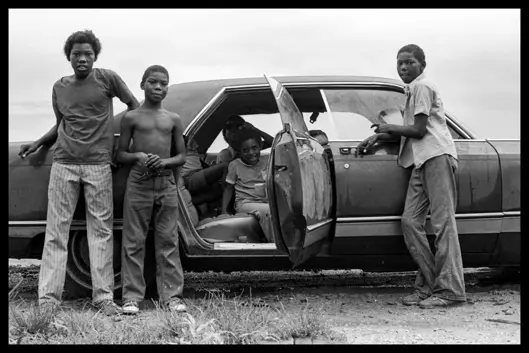
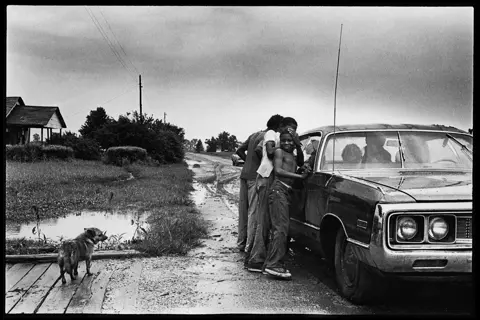
How has your photographic process changed over the years?
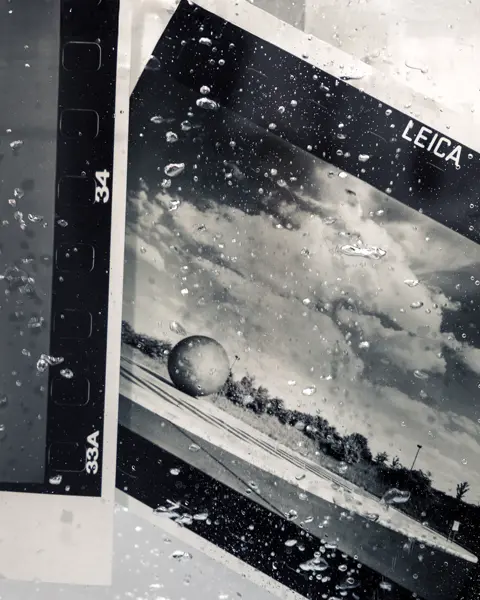
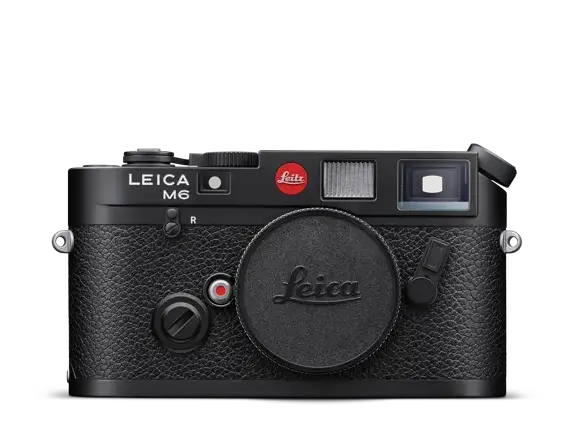
Most of the images were shot with Leica film cameras. I liked shooting with my Leica cameras because they were so compact. It allowed me to shoot in a more spontaneous and less intrusive way. I occasionally took pictures with color slide film, but the majority were on 35mm black and white Tri-X film. I experimented with digital photography when I got my first digital camera around 2015, but I quickly returned to black and white film. That is what I used when I first learned photography, and it’s still my preferred way of shooting.
When you look at the pictures from 45 years – is the series something like a personal diary?
The series is like a diary in many ways, and a literal record of memories. Every part is a tender reminder of people and places I love. When I started to approach the images as a cohesive body of work, I occasionally experimented with writing stories about the farm on the surface of the photographs, or as extended captions to allow others to understand more about the subject. These stories often took the form of personal vignettes retelling memories of my life on the farm. As I grew as an artist and developed the project further, I began to see the potential for something more significant to take shape in my work, through this combination of image and storytelling. These kinds of stories are still an important part of the work; however, I have also begun to include stories and reflections by the subjects of my photographs and their families. In this way, I’m able to give them greater agency in how they’re represented.
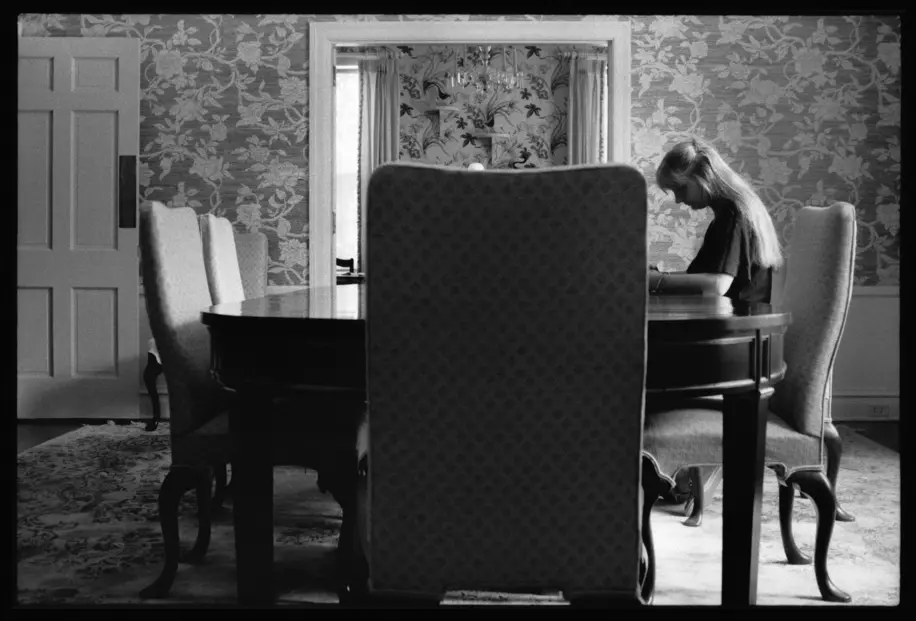
To what extent is Rotan Switch a homage to your homeland?
After forty years, I’ve come to realize that all my photographs taken at Rotan are explorations of home. I’ve lived in many places, both as a child and an adult, but my idea of home remains firmly rooted in the Arkansas land and people.


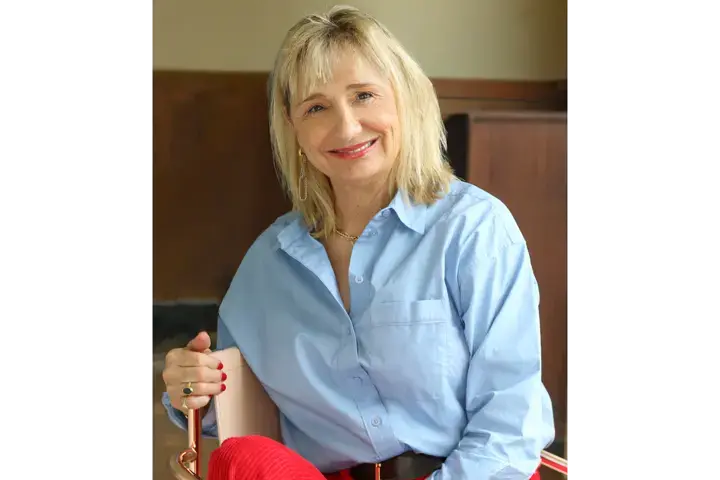
© Jamie Johnson
About Lisa McCord
Lisa McCord is a fine art and documentary photographer who lives and works in Los Angeles and Arkansas. Focusing on her experiences on her family’s cotton farm, her creative practice explores concepts of storytelling, memory and the passage of time. She has exhibited her work in international galleries and museums and has been featured in numerous publications. Rotan Switch has been shown at the Leica Gallery LA, which she is represented by. Her first monograph, Rotan Switch, was released in fall 2023.
Technical Equipment:
Leica M3 and M6 with Kodak Tri-X film
© Lisa McCord. All rights reserved.